Quick Answer
Use a dedicated toy cleaner spray like La Nua Mist after every use, rinse with warm water, and let toys air dry completely before storing.
Why dedicated toy cleaner matters
Not all soaps are safe for your toys. Regular hand soap or dish soap can contain fragrances, dyes, or harsh chemicals that may irritate sensitive skin or degrade certain materials over time. A dedicated toy cleaner is formulated to be gentle on both your body and your toys.
Even if you rinse a toy with water, it won't remove all bacteria and oils. A toy cleaner spray helps break down residues without leaving a film, so your toys stay hygienic and ready for next time.
Trade-offs: spray vs. wipes vs. soap
Toy cleaner sprays are the most versatile option—they work on most materials and are easy to use at home or on the go. Wipes are convenient for travel but may not be as thorough for deep cleaning. Plain soap and water can work in a pinch, but you need to rinse very thoroughly to avoid residue.
Always check your toy's material and care instructions. Silicone, glass, and stainless steel are usually safe with any toy cleaner, but porous materials like TPE or jelly may require extra care. When in doubt, stick to a fragrance-free spray that's designed for toys.
Your Toy Cleaning FAQs, Answered
How often should I clean my toys?
Clean your toys after every single use, even if you're the only one using them. This prevents bacteria buildup and keeps the surface hygienic. For toys used anally, clean them immediately after use to avoid cross-contamination. Make cleaning part of your aftercare routine, not an afterthought.
Can I use regular soap instead of toy cleaner?
In a pinch, mild, fragrance-free soap and warm water can work, but it's not ideal. Regular soap can leave residues or contain ingredients that may degrade certain toy materials. A dedicated toy cleaner spray is formulated to be safe for your body and your toys. Invest in a proper toy cleaner to avoid material damage and irritation.
How do I clean different toy materials?
Silicone, glass, and stainless steel toys are non-porous and can be cleaned with toy cleaner and warm water. Porous materials like TPE, jelly, or rubber should be cleaned thoroughly but may not be fully sanitized—consider using a condom with them or replacing them regularly. Know your toy's material to choose the right cleaning method.
Can I boil or put my toys in the dishwasher?
Only if the toy's instructions say it's safe. Boiling or dishwasher cleaning can damage motors, seams, or materials. Most electronic toys and those with porous surfaces should be cleaned with a toy cleaner spray and warm water instead. When in doubt, stick to gentle cleaning methods.
How should I dry and store my toys after cleaning?
Let toys air dry completely on a clean towel before storing. Never store them while damp—moisture can promote mold or bacteria growth. Store them in a breathable bag or separate compartments to avoid material reactions. Dry toys fully to keep them safe for next time.
Product Spotlight
-
La Nua Mist Toy Cleaner 6.8 oz.: La Nua Mist Toy Cleaner is a fragrance-free cleaning mist with water, cocamidopropyl betaine, and lavender oil. It cleans without added fragrance that could irritate, and the spray format makes it easy to apply evenly before rinsing.
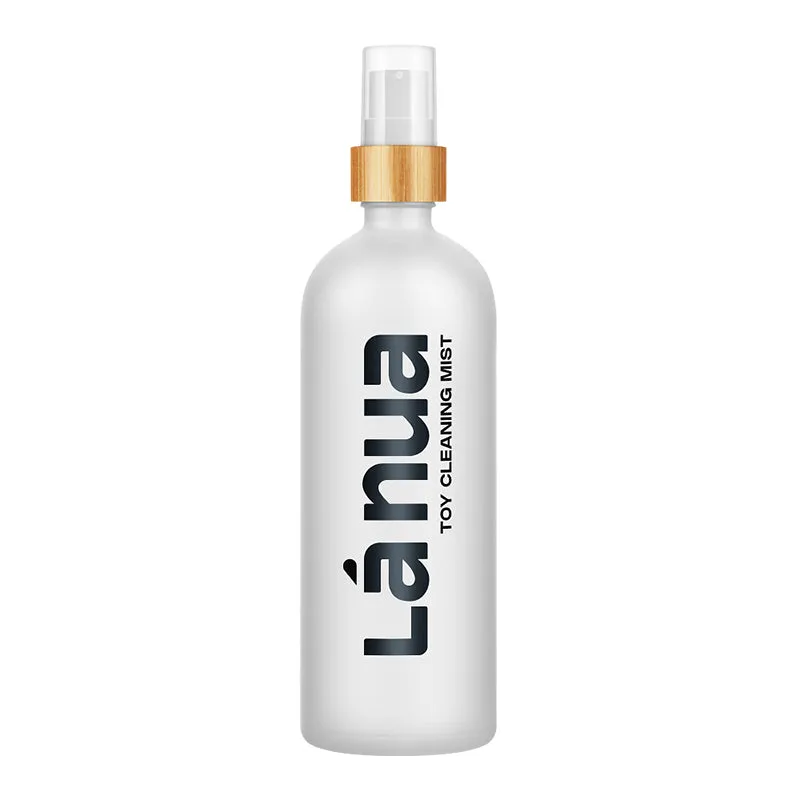
La Nua Mist Toy Cleaner 6.8 oz.