Quick answer
For a fast, no-rinse clean with broad material compatibility, a standard antibacterial spray like Doc Johnson Anti-Bacterial Toy Cleaner Spray works well. If you prefer plant-based ingredients and avoid synthetic chemicals, an organic cleaner such as Sliquid Shine Organic Toy Cleaner is a better choice.
Why ingredient differences matter for toy hygiene
Standard toy cleaner sprays often use antibacterial agents like triclosan or alcohol to sanitize quickly. These formulas are effective and convenient, especially for silicone, glass, or metal toys. However, some people prefer to avoid synthetic chemicals, especially for sensitive skin or frequent use.
Organic toy cleaners rely on natural cleansers such as tea tree oil and castor oil. They are gentler overall but may require a rinse step and can be less effective against certain bacteria if not used correctly. The trade-off is between speed and ingredient transparency.
Ease of use: spray-on vs. spray-and-rinse
Most standard sprays are designed for direct application and air drying—no rinse needed. This makes them ideal for quick cleanup between sessions or when water isn't nearby. Organic cleaners often recommend rinsing with water after spraying, which adds a step but ensures no residue remains.
If convenience is your priority, a no-rinse spray saves time. If you want to control every ingredient and don't mind a quick rinse, an organic cleaner offers peace of mind.
Value and quantity: small bottles vs. bulk
Most toy cleaners come in 4 oz spray bottles, which are portable and easy to store. For heavy use or multiple toys, a larger size like the 128 oz gallon jug offers significant cost savings per ounce. However, a gallon is impractical for travel and requires a separate spray bottle for daily use.
Consider your usage frequency. Occasional users are fine with 4 oz bottles. Regular users or couples will appreciate the lower per-use cost of a bulk purchase.
Trade-offs: Standard antibacterial vs. organic toy cleaner
- Ease of use: Standard antibacterial sprays are no-rinse and work in seconds. Organic cleaners typically require a spray, rinse, and wipe dry. If you value speed and convenience, choose a no-rinse spray.
- Ingredients: Standard sprays may contain triclosan or alcohol; organic cleaners use plant-based cleansers like tea tree oil and castor oil. For sensitive skin or a preference for natural ingredients, an organic cleaner is the better choice.
- Cost per use: Small 4 oz bottles are affordable upfront but cost more per ounce. A gallon jug offers the lowest cost per use but requires a separate dispenser. High-volume users should consider bulk sizes to save money over time.
Product facts
-
Doc Johnson Anti-Bacterial Toy Cleaner Spray, 4 oz: A body-safe spray that cleans and sanitizes toys in seconds with a simple spray-on application. Safe for all pleasure products. This formula works on any toy material without rinsing, making it the fastest option for a quick clean.
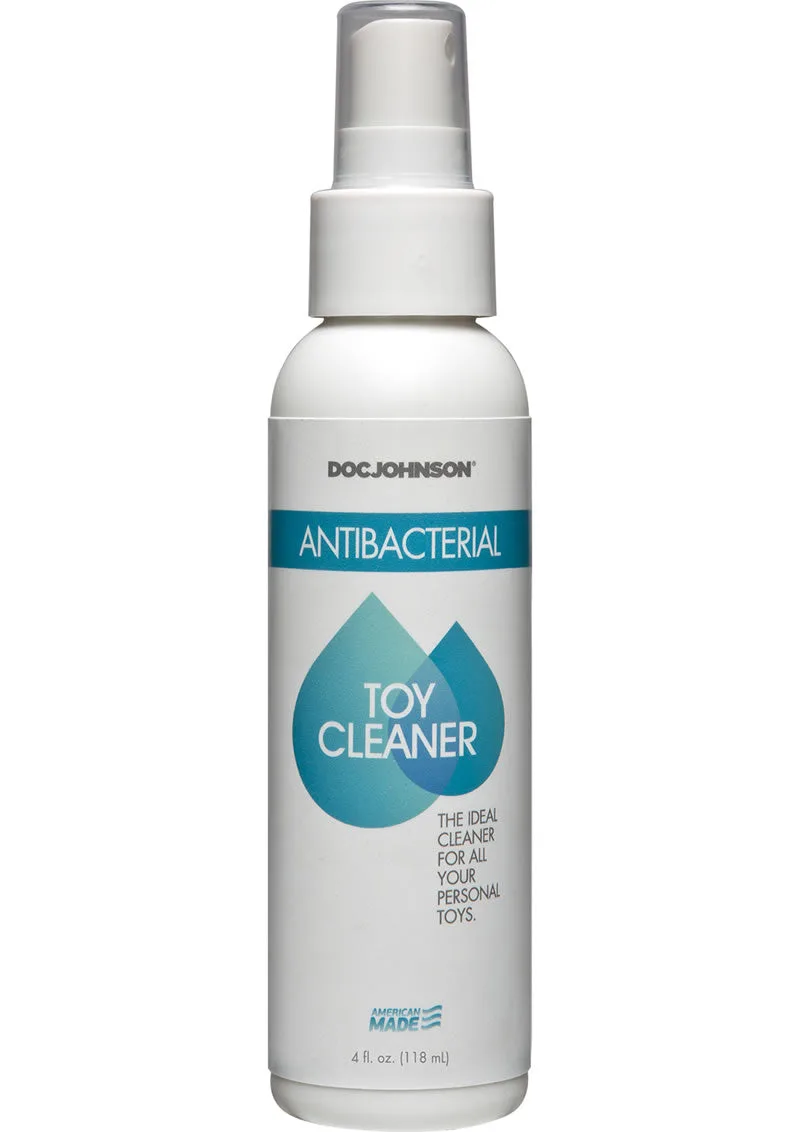
Doc Johnson Anti-Bacterial Toy Cleaner Spray, 4 oz
-
Sliquid Shine Organic Toy Cleaner: Infused with tea tree oil and castor oil, which have natural cleansing properties. Non-foaming and free of glycerine, parabens, alcohol, triclosan, and other harsh chemicals. If you want to avoid synthetic additives, this organic cleaner provides a plant-based alternative, though it requires a rinse step.
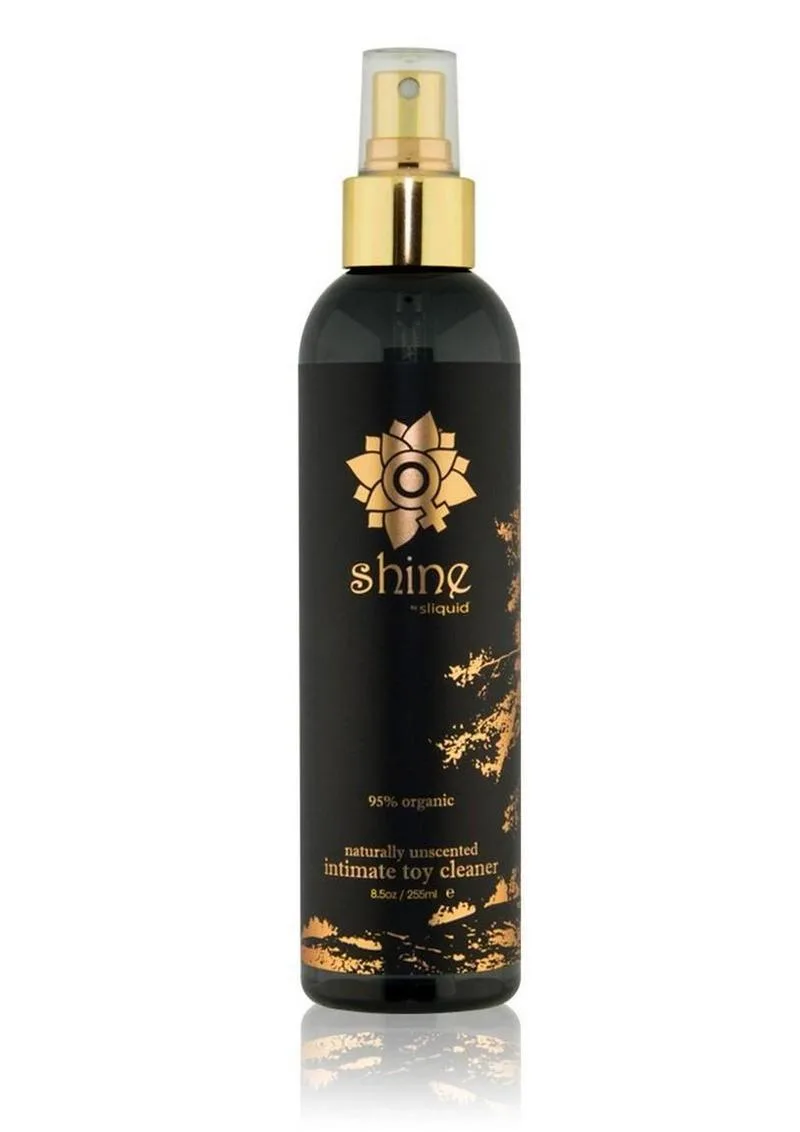
Sliquid Shine Organic Toy Cleaner
Which toy cleaner fits you?
Best for
- Quick, no-rinse cleaning between sessions
- Users who want broad material compatibility without checking labels
- Those who prefer synthetic antibacterial agents for fast sanitization
Not for
- Users who avoid synthetic chemicals or have sensitive skin
- People who want a single product that works for both toys and body