Quick answer
For most non-porous sex toys, a dedicated toy cleaner is the more reliable choice because it is formulated to rinse clean and is less likely to leave residue than household soap. Soap and water can work in a pinch, but the best way to clean sex toys depends on the material and whether the toy is motorized. If you want a simple, toy-safe routine, keep a misting toy cleaner on hand and use soap and water only as a backup for fully waterproof, non-motorized items.
Why toy cleaner and soap work differently
Toy cleaners are designed to break down bodily fluids and lubricant residue without leaving a film that can trap bacteria or irritate sensitive skin. Many are no-rinse or quick-rinse formulas, which matters for toys you want to use again soon. Soap and water relies on surfactants to lift residue, but the wrong soap—especially bar soap with moisturizers, or harsh antibacterial blends—can leave a slippery coating that is hard to rinse from textured silicone. The trade-off is convenience and residue control versus cost and accessibility.
Material matters more than the method
Non-porous materials like silicone, glass, and hard plastic tolerate both toy cleaner and mild soap well. Porous materials such as TPE/TPR or jelly rubber can harbor bacteria in micro-pores, so a toy cleaner formulated for those materials is the safer bet, and some porous toys are best treated as short-term use only. Motorized toys add another constraint: water can ruin the motor even if the exterior is splash-proof. For those, apply cleaner to a cloth or use a misting toy cleaner and wipe rather than submerge. Always check the manufacturer's waterproof rating before rinsing anything with a motor.
How to clean sex toys step by step
Start by removing batteries or confirming the toy is fully charged and sealed if it is rechargeable. Apply your chosen cleaner—spray directly for non-motorized waterproof toys, or onto a lint-free cloth for motorized ones—and wipe all surfaces, paying attention to seams, ridges, and the base. If using soap and water, choose a mild, fragrance-free liquid soap, lather gently, then rinse thoroughly with warm water and dry with a clean cloth. For a deeper clean, some silicone toys can be boiled for a few minutes, but only if the manufacturer confirms it is safe. Never boil toys with motors, electronics, or non-silicone materials.
How often to clean sex toys
Clean before and after every use, especially if you are sharing toys or switching between partners. For solo use, a thorough clean after each session is still the baseline because lubricant and bodily fluids can dry into sticky residue that attracts dust and bacteria. If a toy has been sitting in a drawer for weeks, give it a quick clean before use. For storage, keep toys in a clean, dry pouch or box away from direct sunlight and extreme heat, which can degrade silicone over time.
Trade-offs at a glance
- Convenience: Misting toy cleaners are often no-rinse or quick-rinse and can be applied directly to the toy, which saves time and water. Soap and water requires a sink, careful rinsing, and thorough drying. Choose toy cleaner for speed and ease; choose soap and water when you are out of cleaner and have a private sink.
- Residue and sensitivity: Toy cleaners are formulated to rinse clean and minimize irritation. Soap can leave a film that traps bacteria or irritates sensitive skin, especially if it contains fragrance or moisturizers. If you have sensitive skin or a history of irritation, a toy cleaner is the lower-risk option.
- Material compatibility: Toy cleaner is generally safe for silicone, glass, hard plastic, and many porous materials. Soap and water is safe for non-porous, waterproof toys but risky for motorized toys and some porous materials. Check the toy's material and waterproof rating before choosing your method.
- Cost and accessibility: Soap and water is inexpensive and always available. Toy cleaner costs more per use but is designed specifically for the job and often lasts many sessions. If budget is tight, use mild soap and water on non-porous, non-motorized toys and save toy cleaner for motorized or porous items.
Product facts that support your routine
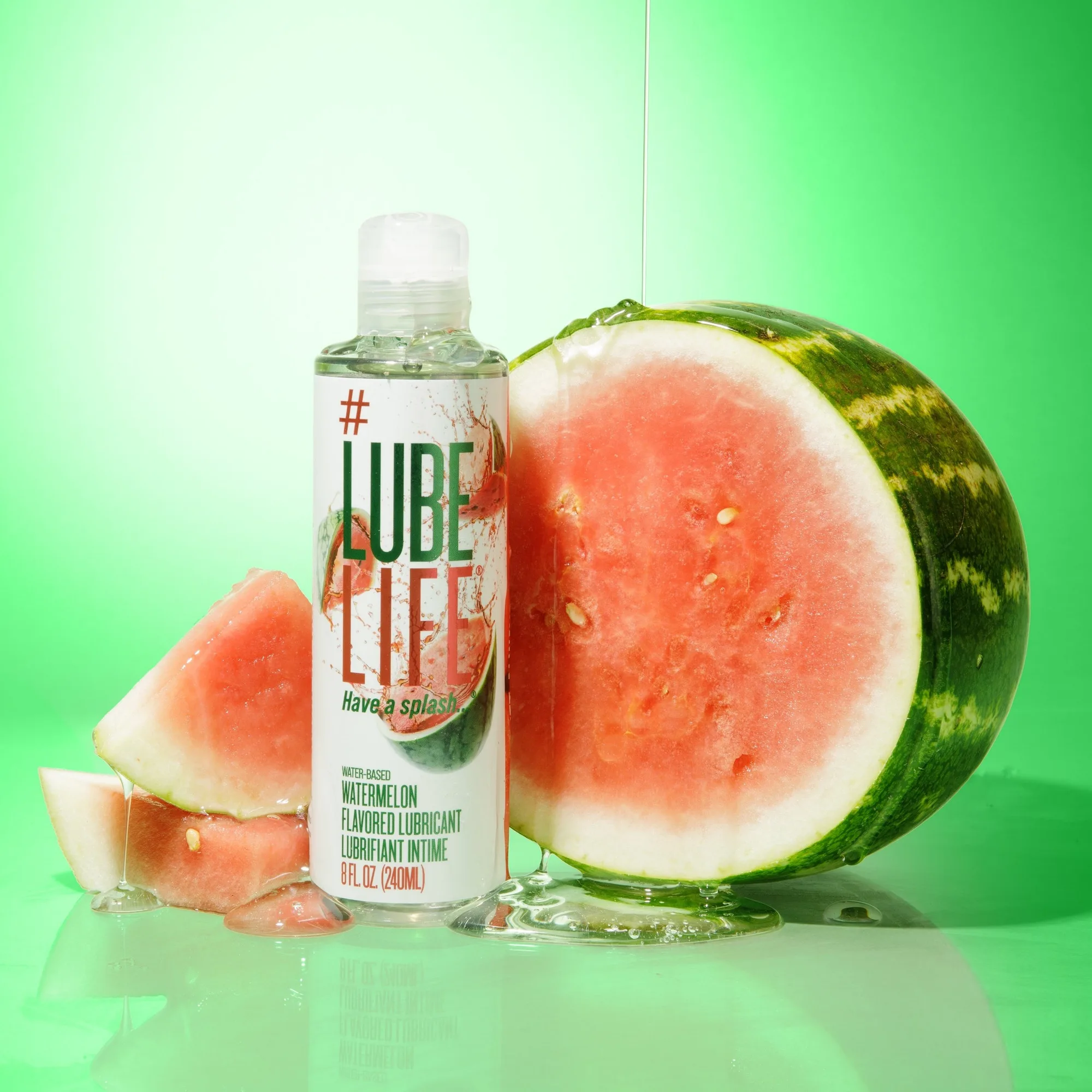
- Water-Based Watermelon Flavored Lubricant: Water-Based Watermelon Flavored Lubricant is a water-based, silky glide lube with a ripe watermelon flavor. Water-based lubes rinse away more easily than silicone-based ones, so they are less likely to leave stubborn residue that complicates toy cleaning.
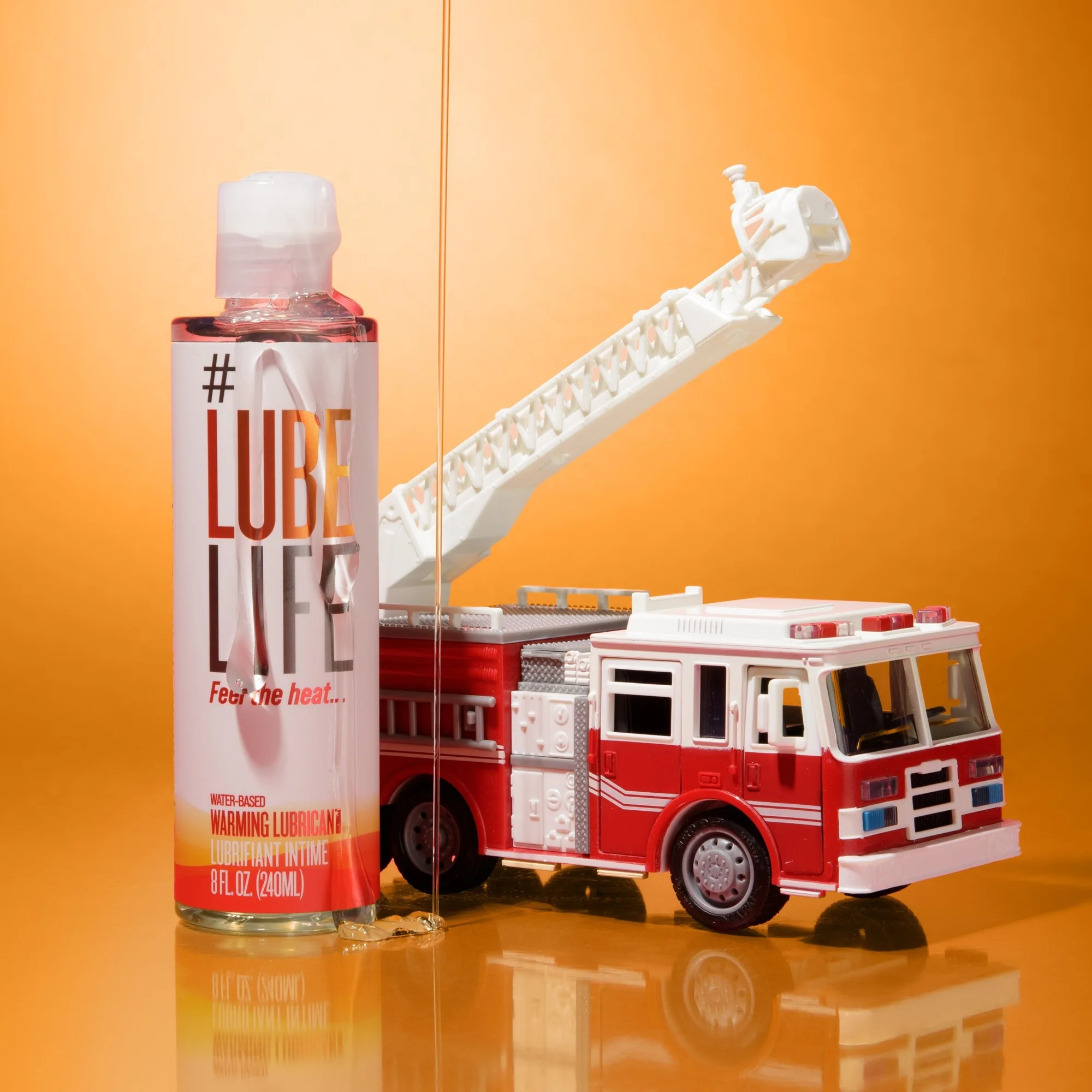
- Water-Based Warming Lubricant: Water-Based Warming Lubricant is a silky, water-based lube that glides on smooth and builds to a slow, sultry warmth. Because it is water-based, it pairs well with toy cleaner routines and is less likely to stain or cling to silicone surfaces than oil-based products.
Which method fits your toy?
Best for
- Motorized or rechargeable toys that cannot be submerged
- Porous materials like TPE/TPR where a toy-specific cleaner is safer
- People with sensitive skin who want to avoid soap residue
- Quick cleanups between uses when you want a no-rinse option
Not for
- Toys that are not waterproof and cannot be wiped with a damp cloth
- Materials that react to cleaning agents—always check manufacturer guidance
- Situations where you have no access to running water for rinsing if using a rinse-required cleaner