Quick answer
Toy trains win for structured, track-based play that builds sequencing and patience, while toy cars win for open-ended, portable play that builds fine motor skills and imagination. Many families benefit from both, but if you must choose, pick trains for focused building sessions and cars for on-the-go play.
Play style: structured tracks vs. open roads
Toy trains typically come with tracks or connect to existing systems, encouraging kids to build a layout and follow a route. This structured play develops planning and cause-and-effect thinking. Toy cars, by contrast, are usually free-moving and can be pushed anywhere—across floors, carpets, or makeshift ramps. That open-ended format sparks spontaneous storytelling and experimentation.
Compatibility and expansion
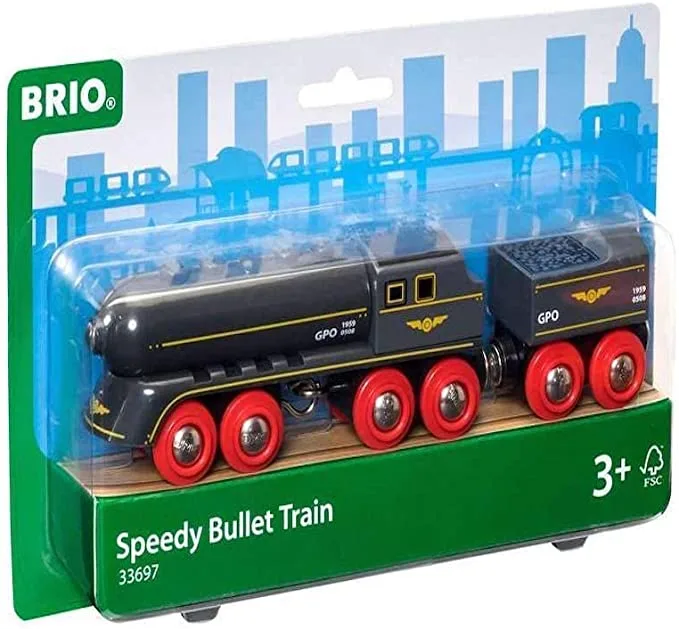
If you already own a train system, check whether new trains are compatible. For example, the Speedy Bullet Train is compatible with all other BRIO railway toys, so it can slot right into an existing set. Toy cars rarely have a universal standard, so mixing brands may not work as smoothly. This makes trains a better long-term investment if you plan to expand gradually.
Skill development: what each vehicle type teaches
Trains teach sequencing, patience, and spatial reasoning as kids connect tracks and coordinate multiple cars. Cars teach fine motor control, hand-eye coordination, and imaginative play as children zoom, park, and race them. Both support cognitive growth, but they exercise different muscles—literally and figuratively.
Practical considerations: storage, space, and age range
Train sets can take up floor space and require storage for tracks and cars. They often have small parts, so check age recommendations—many are for ages 3 and up. Toy cars are generally smaller and easier to store, and they can be played with on any flat surface. For toddlers, larger cars with no small parts are safest; for older kids, trains offer more complexity.
Trade-offs to weigh
- Train trade-off: structure vs. flexibility: Trains need tracks and a flat surface, limiting where they can be used. But that structure builds planning skills and offers expandable, compatible systems like BRIO. Choose trains if your child enjoys building and following a set path.
- Car trade-off: freedom vs. depth: Cars can go anywhere and are easy to pack, but they rarely connect to a larger system, so play may become repetitive without added props or imagination. Choose cars if your child prefers open-ended, portable play.
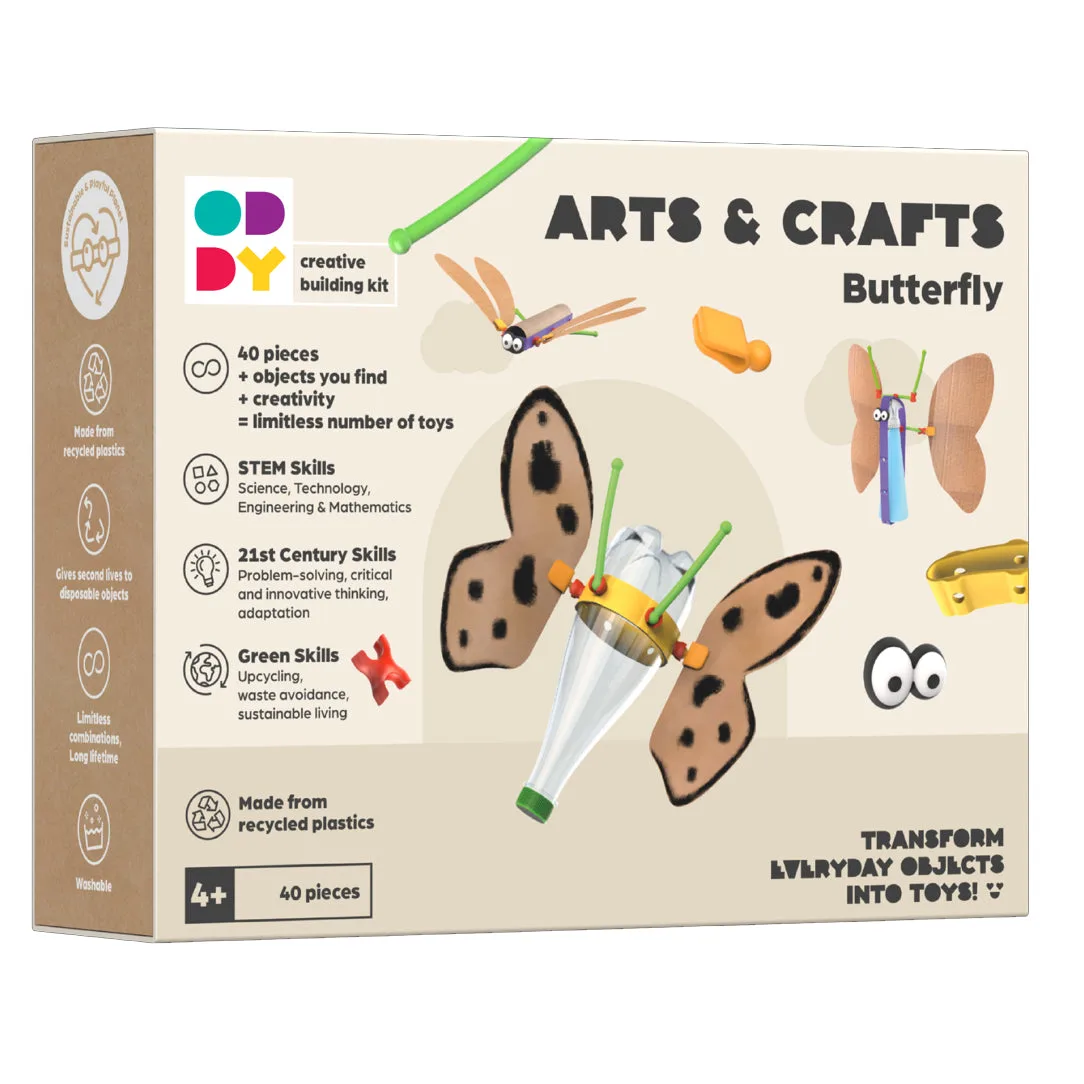
- Hybrid trade-off: craft kits vs. pure vehicles: Building kits like the Oddy Butterfly Kit combine crafting with play, but they require household items and adult setup. They add variety but not the same wheel-based play. Consider a hybrid kit if you want to stretch play into art and recycling.
Product facts
- Speedy Bullet Train: The Speedy Bullet Train is a train toy that comes with 2 pieces and is compatible with all other BRIO railway toys. Size: 7.4 x 1.1 x 1.9 inches. Age: 3 yrs +. Compatibility means it can extend an existing BRIO set, and the compact size fits small hands and tight track curves.
- Oddy Arts and Crafts Butterfly Building Kit: The Oddy Arts and Crafts Butterfly Building Kit includes 40 pieces that interlock and connect, and can integrate with common household items like boxes, bottles, and cardboard tubes to build butterfly and insect toys. Household items not included. This kit blends vehicle-adjacent building with craft play, encouraging creativity and recycling, but it requires you to supply household materials.
Which should you choose?
Best for
- Kids who enjoy building tracks and following a route
- Families with existing BRIO or compatible train sets
- Children who like structured, step-by-step play
Not for
- Kids who prefer free-form, portable play with no setup
- Families with very limited floor space
- Toddlers under 3 (due to small parts in many train sets)