Quick Answer
Trading cards are collectible items first—valued for art, rarity, and fandom—while collectible card games (CCGs or TCGs) are built for gameplay, with rules and deck construction. If you want to play, choose a CCG; if you want to collect, trading cards offer more flexibility. Cryptozoic Entertainment produces both, so your choice depends on whether you value playability or collectibility.
Walking into a game store, you might see booster packs of sports cards next to deck-building games, and wonder: are trading cards and collectible card games the same thing? The short answer is no. While they overlap in physical format, they serve different purposes and appeal to different passions.
Understanding the distinction helps you spend wisely and enjoy your hobby more. This guide breaks down the core differences, uses real examples from Cryptozoic Entertainment's DC Deck-Building Game line, and helps you decide which path—or both—is right for you.
What Are Trading Cards?
Trading cards are individual cards designed for collecting, trading, and sometimes playing simple games. They often feature characters, art, or statistics, and their value comes from rarity, condition, and demand. Sports cards, Pokémon cards, and even promotional cards like the White Lantern Sinestro and Red Lantern Spectre Promo Cards fall into this category.
The primary appeal of trading cards is the thrill of the hunt—opening packs to find a rare card, completing a set, or owning a piece of your favorite franchise. They can be displayed, stored in binders, or traded with friends. While some trading cards have game mechanics, they're not always part of a structured game system.
What Are Collectible Card Games?
A collectible card game (CCG) or trading card game (TCG) is a game where players build decks from a pool of cards and compete using rules. The 'collectible' aspect means cards come in randomized packs, and rarity affects strategy and value. Magic: The Gathering and Pokémon TCG are famous examples, but Cryptozoic's DC Deck-Building Game is a different twist: it's a deck-building game, not a CCG, because players don't open booster packs—they build their deck during play from a shared market.
In a CCG, cards have stats, abilities, and costs, and the game's depth comes from deck construction and strategic play. The collectible element adds a secondary layer of value, but the core purpose is playing. If you enjoy competition and strategy, a CCG offers endless variety.
Key Differences at a Glance
The main difference lies in intent: trading cards are collectibles first, games second; CCGs are games first, collectibles second. Trading cards often lack a unified rule set, while CCGs have detailed rulebooks and organized play. CCGs require a minimum deck size and specific card types, while trading cards are more open-ended.
Another difference is how you acquire cards. In a CCG, you buy booster packs to improve your deck or collect rare cards. In trading cards, you might buy singles or boxes to complete a set. The value of trading cards can be more volatile, driven by player performance or pop culture trends, while CCG cards often hold value based on competitive viability.
Cryptozoic's Approach: Blending Both Worlds
Cryptozoic Entertainment produces games that blur the line. The DC Deck-Building Game is a tabletop game with cards, but it's not a CCG—it's a deck-building game where all players share a central market. This design eliminates the need to buy booster packs; one box gives you the full experience. That's a significant advantage for players who want a complete game without the collectible chase.
On the collectible side, Cryptozoic also releases promotional cards like the White Lantern Sinestro and Red Lantern Spectre Promo Cards. These are true trading cards—they're not needed to play, but they add flair and collectible value. This dual approach lets you enjoy both hobbies: play a complete game and collect exclusive promos to enhance your collection.
The Trade-Off: Playing vs. Collecting
- Gameplay Depth: CCGs offer deep strategic play with endless deck combinations, but they require time to learn rules and build competitive decks. Deck-building games like DC Deck-Building Game provide a complete, balanced experience out of the box, but may have less long-term variety without expansions. If you crave strategic depth and enjoy deck construction, a CCG is worth the investment. If you prefer a ready-to-play game with friends, a deck-building game is more accessible.
- Cost and Value: CCGs can become expensive as you chase rare cards or keep up with meta shifts. Trading cards have variable value based on rarity and demand. In contrast, a single box of a deck-building game gives you everything you need for a fixed price, and promo cards are a low-cost way to add collectible value. Set a budget. If you want predictable costs, choose a complete game. If you enjoy the thrill of rare finds, allocate funds for booster packs or singles.
- Collectibility and Display: Trading cards are designed for collecting—foil finishes, oversized cards, and exclusive art make them display-worthy. CCG cards are functional first, but some rare cards become collectible. Promo cards like the White Lantern Sinestro are perfect for collectors who want unique items without committing to a full CCG. Decide what excites you more: showing off a rare card or using it in a game. If display matters, focus on trading cards; if gameplay matters, prioritize a game system.
Real Examples from Cryptozoic
- https://cryptozoickz.com/products/dc-deck-building-game-dark-nights-metal-multiverse-edit-00e5905f87d6f99e5433f7cc-933983DC Deck-Building Game: Dark Nights: Metal — Multiverse Edition: Multiverse Editions of DC Deck-Building Game base sets include all the cards and any other components EXCEPT the rulebook and box. Perfect to put inside the Multiverse Box! Rulebooks for Multiverse Edition games are available separately. This shows how a deck-building game can be a complete, self-contained experience—no booster packs needed. You get all the cards to play, but you must supply the rulebook and box, which is a trade-off for cost savings and customization.
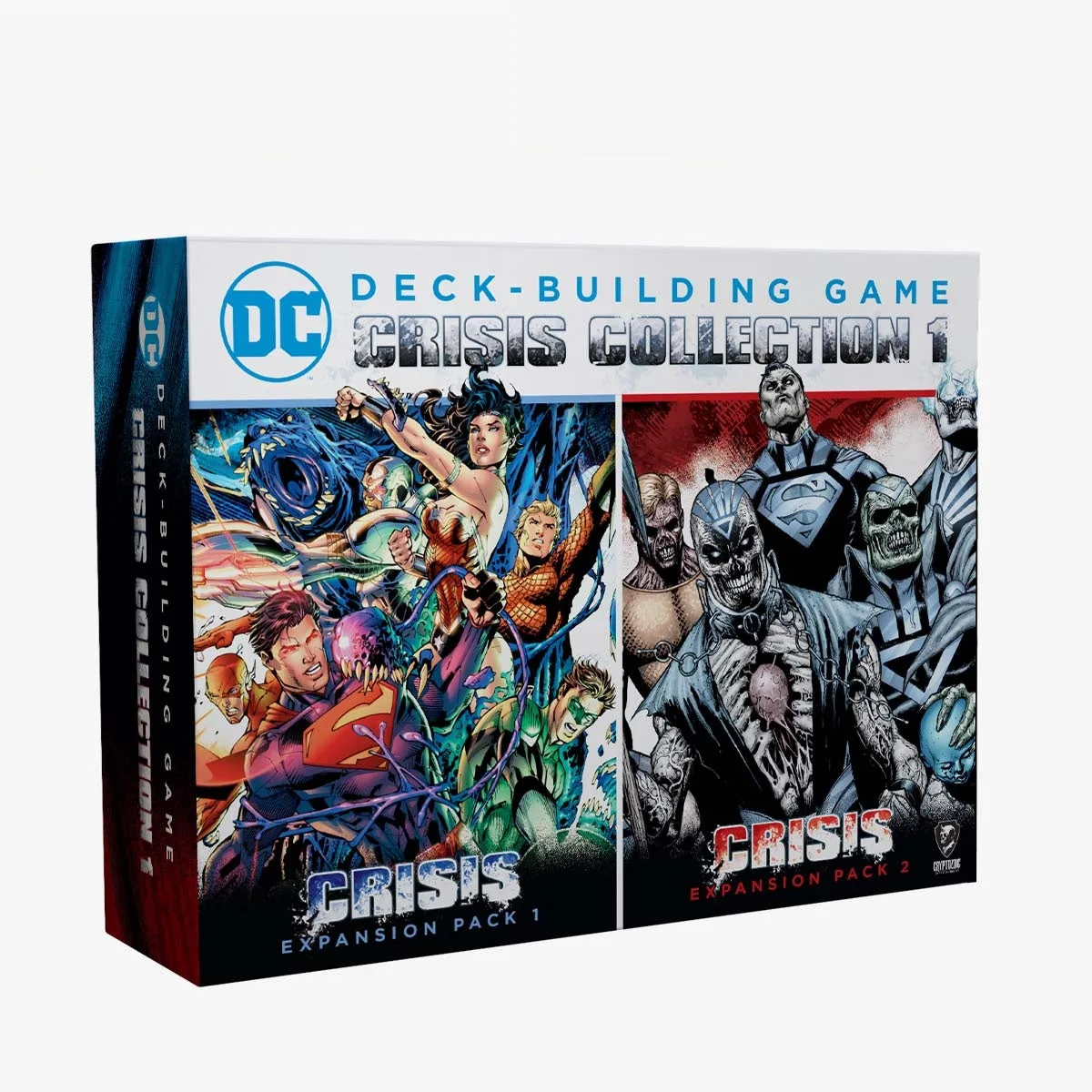
- DC Deck-Building Game: White Lantern Sinestro and Red Lantern Spectre Promo Cards: Created for the release of DC Deck-Building Game: Crisis Collection 1, the White Lantern Sinestro oversized FOIL Promo Card and Red Lantern Spectre Promo Card add new gameplay... These promo cards are collectible extras that enhance your game but aren't required to play. They appeal to collectors who want exclusive, foil versions of characters, adding a layer of personalization to your deck.
Which Should You Choose?
Best for
- Collectors who enjoy hunting rare, foil, or oversized cards like the White Lantern Sinestro Promo Card.
- Players who want a complete, ready-to-play game without the need to buy booster packs, such as DC Deck-Building Game: Dark Nights: Metal — Multiverse Edition.
Not for
- Those who thrive on the competitive deck-building meta of CCGs like Magic: The Gathering—deck-building games offer a different, less customizable experience.
- Budget-minded players who want a single purchase to include everything needed to play—Multiverse Editions require a separate rulebook and box.
In the end, the choice between trading cards and collectible card games comes down to your goals. If you love the thrill of collecting rare, beautiful cards, trading cards offer endless possibilities. If you crave strategic gameplay with friends, a complete deck-building game like DC Deck-Building Game provides a satisfying experience. And if you're like many hobbyists, you might enjoy both—collecting promos to enhance your games and playing to appreciate your collection. Explore Cryptozoic's range to find the perfect balance for you.