Quick answer
Most Traditional Doll Stroller Pink 2337 C problems come from loose hardware, grit in the wheels, or fabric left damp after outdoor play. Tighten fasteners gently, wipe the frame with a damp cloth, brush grit out of the wheel area, and let the fabric air-dry fully before folding or storing the stroller indoors.
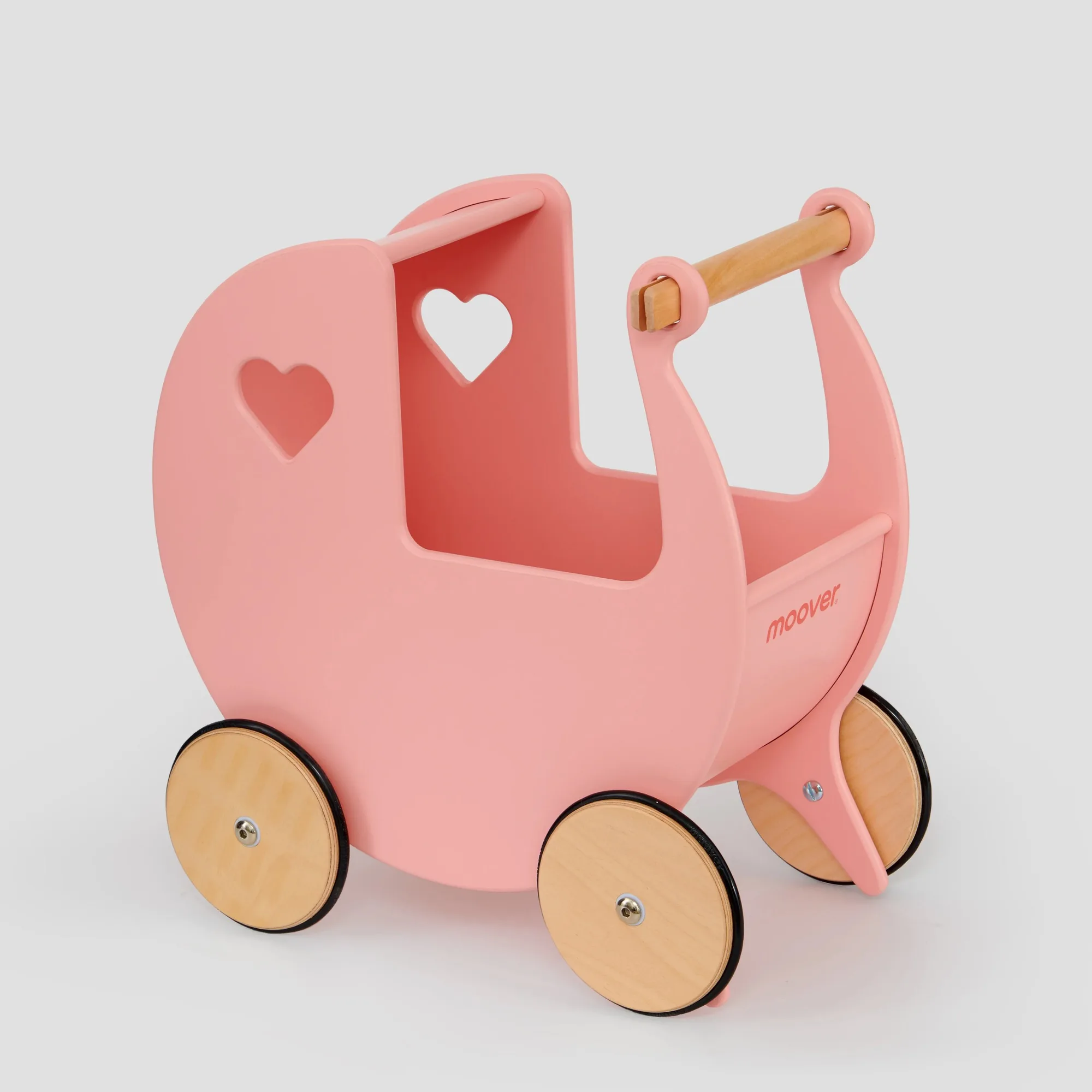
Traditional Doll Stroller Pink 2337 C
A doll stroller takes more punishment than almost any other toy in the house. It gets pushed over tile, dragged through grass, loaded with dolls and stuffed animals, and parked wherever your child happens to stop. The Traditional Doll Stroller Pink 2337 C is built for that kind of daily use, but it still needs a few simple habits to stay steady, quiet, and ready for the next walk.
This guide separates the symptoms you are likely to notice, the causes behind them, and the corrective steps that actually help. It also covers when to stop adjusting and choose a different option, whether that means a replacement bedding set, a lighter stroller, or a soft doll that does not need a stroller at all.
Why the stroller starts to squeak or wobble
A squeak usually comes from two surfaces rubbing together, not from a broken part. On a wooden stroller frame, that can be a loose fastener, a wheel axle that has picked up dust, or a joint that has dried out after being wiped with a wet cloth. A wobble is more often a hardware issue: one screw or bolt has backed out slightly, so the frame no longer sits square. Check the fasteners first, then the wheels, then the joints.
Tighten hardware by hand or with a properly sized tool, and stop as soon as you feel resistance. Over-tightening wooden frames can compress the wood around the hole and create a new wobble. If a squeak remains after tightening, a small amount of dry lubricant or a graphite pencil rubbed on the rubbing point is usually enough. Avoid wet oils, which attract dust and can stain the finish.
- Tighten fasteners in a diagonal pattern rather than one side at a time.
- Wipe the frame with a barely damp cloth, then dry immediately.
- Do not force a wheel back into place if the axle looks bent.
Cleaning the frame and fabric without causing damage
The frame and the fabric need different treatment. For the wooden frame, a soft cloth wrung out in mild soapy water is enough for everyday grime. Dry it right away so moisture does not sit in the joints. For the fabric, check the care information that came with your stroller before doing anything more than spot cleaning, because the correct method depends on the specific textile used.
For spot cleaning, use a small amount of mild soap on a clean cloth and work from the outside of the stain inward. Blot rather than scrub. Scrubbing pushes dirt deeper into the weave and can fuzz the surface. After cleaning, let the fabric air-dry completely in a shaded, ventilated spot. Do not put the stroller away while the fabric is still damp, and do not leave it in direct sun for long periods, which can fade the pink color.
- Test any cleaning product on a hidden area first.
- Blot stains instead of scrubbing them.
- Air-dry fully before folding or storing.
Storage habits that prevent most problems
Most stroller problems start in storage, not during play. A stroller left outdoors, in a damp basement, or pressed against a heater will develop sticking wheels, swollen joints, or faded fabric. Store it indoors in a dry spot, ideally upright or on its wheels rather than leaning on the handle. If you fold or stack it, make sure nothing heavy rests on the frame.
If your child uses the stroller daily, a quick two-minute check at the end of the week is more effective than a deep clean once a season. Spin the wheels, feel the frame for wobble, and glance at the fabric for crumbs or moisture. That routine catches small issues before they become repairs.
- Keep the stroller out of damp basements and direct sun.
- Store upright rather than leaning on the handle.
- Do a weekly two-minute wheel and hardware check.
When to stop adjusting and choose another option
Some problems are not maintenance issues. If the frame is cracked, a wheel axle is bent, or a fastener no longer holds, stop tightening and stop using the stroller until you can replace the part or the stroller itself. Continuing to use a stroller with a structural problem risks a tip-over or a collapse while a child is pushing it.
If the issue is really about fit rather than damage, a different option may serve your child better. A smaller, lighter stroller can be easier for a younger toddler to push, and a soft doll may be a better companion for a child who is not yet steady on their feet. Matching the toy to the child prevents a lot of the wear that looks like a maintenance problem.
- Stop using the stroller if the frame is cracked or an axle is bent.
- Choose a lighter stroller for younger or smaller toddlers.
- Choose a soft doll if your child is not yet steady while walking.
Symptom, cause, and fix at a glance
- Squeak while pushing: Usually a dry joint or a wheel axle with dust in it. Wipe the area, check for grit, and apply a dry lubricant or graphite to the rubbing point. If the squeak continues after cleaning and tightening, inspect the axle for bending.
- Wobble in the frame: A fastener has backed out or the frame is no longer square. Tighten hardware gently in a diagonal pattern and stop at the first sign of resistance. If the wobble remains, stop using the stroller and check for a cracked frame or stripped hole.
- Sticky or noisy wheels: Hair, lint, and outdoor grit wrap around the axle. Remove the wheel if the design allows, clear the debris, and reassemble without forcing anything. A wheel that will not spin freely after cleaning should be replaced rather than forced.
- Fabric looks dull or stained: Damp storage, sunscreen, and food spills are common causes. Spot clean with mild soap, blot rather than scrub, and air-dry fully in the shade. If the fabric is torn or the padding is compressed, a replacement bedding set is the better fix.
- Child struggles to push it: This is often a fit issue rather than damage. A smaller, lighter stroller is easier for a younger toddler to control. If your child is under 18 months or unsteady while walking, consider a soft doll instead of a stroller.
Products that solve common stroller problems
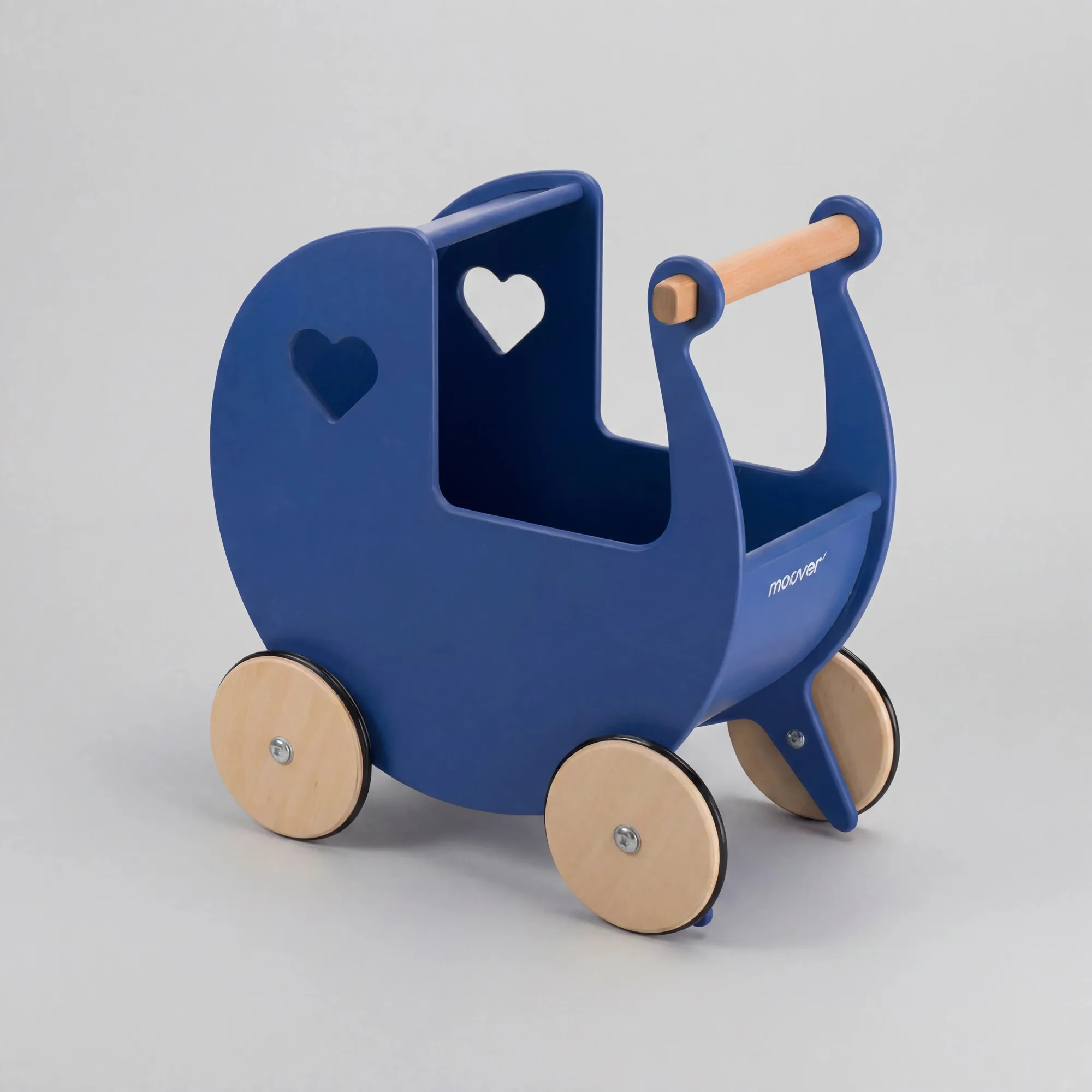
- Traditional Doll Stroller Navy Blue: This Moover Classic Toy is from the original highest-quality line of luxury wooden mobility toys, and it includes free bedding with every purchase. If your pink stroller's fabric is worn beyond spot cleaning, a second stroller from the same classic line gives you a fresh fabric set and a spare frame for daily use.
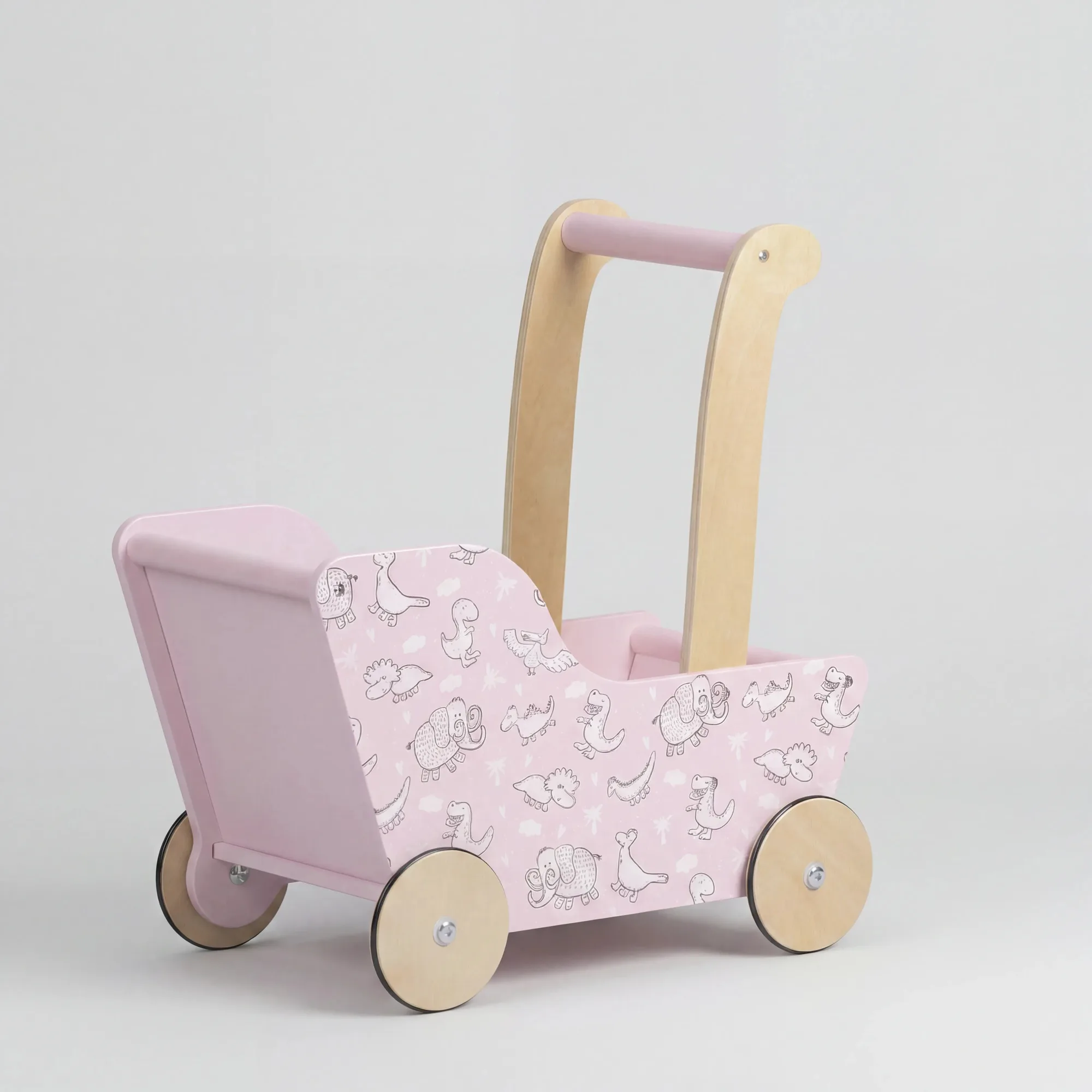
- Modern Dolls Stroller (Pram) Pink dinosaurs: Designed in Denmark, this Moover ESSENTIAL Modern Dolls Stroller is the slightly smaller, lighter stroller option at Moover's lower price point, for kids 18+ months. A lighter stroller is easier for a younger toddler to push and less likely to be dragged, which reduces the frame and wheel wear that leads to wobbles.
- Dolls pram classic bedding set Light Blue: This Moover CLASSIC bedding fits the regular size Moover CLASSIC Stroller at 11.8 x 2.8 x 7 inches (30 x 7 x 18 cm) and includes a dolls mattress, sheets, pillow, and blanket. If the original bedding is stained or worn, a replacement set restores the stroller without replacing the frame, and it can also be used as a standalone play accessory.
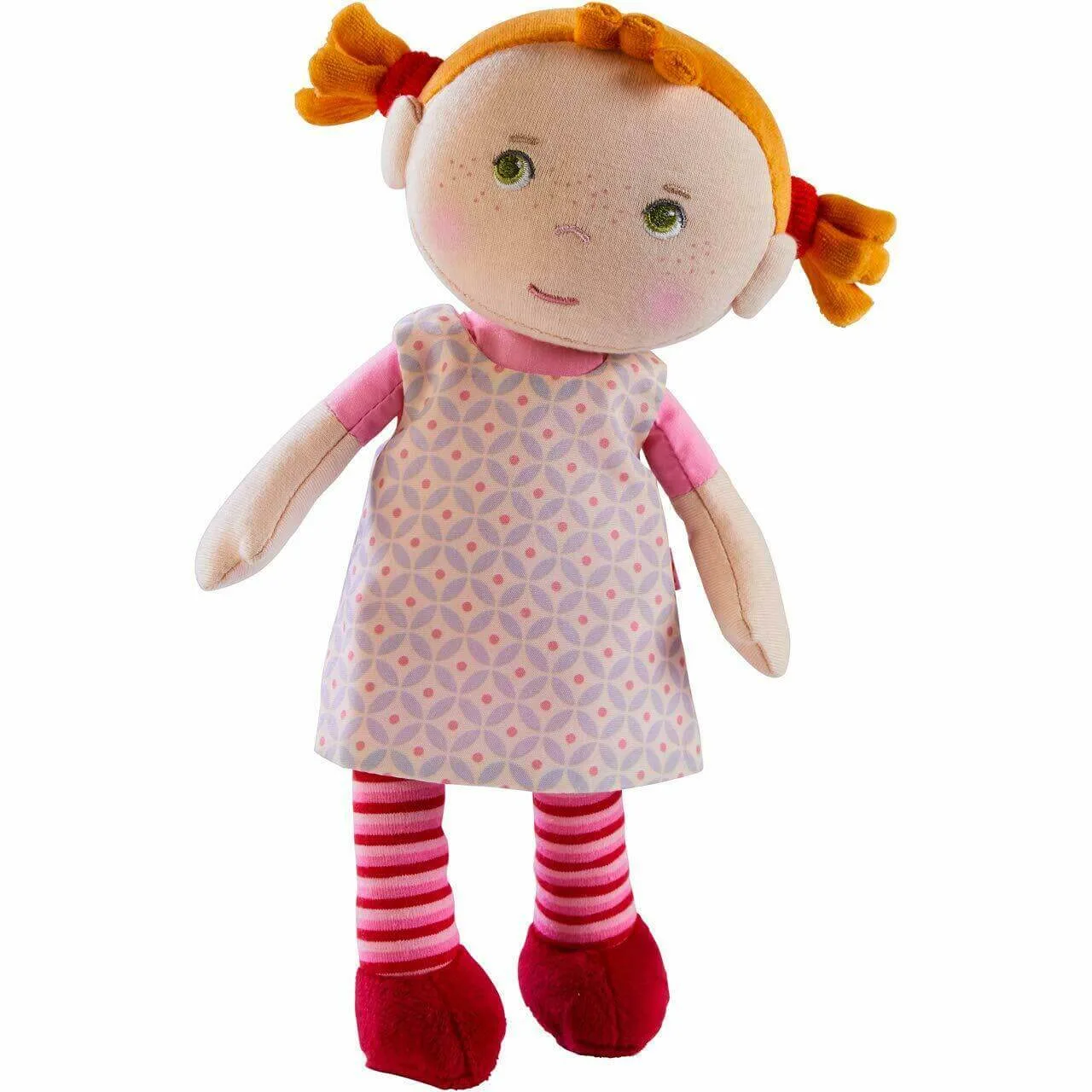
- Snug up Doll Roya: HABA Snug Up Roya is a 10-inch soft doll with a cuddly body and a removable dress with hook and loop fastener. For a child who is not yet ready to push a stroller, a soft doll is a lower-maintenance companion that still supports nurturing play.
Most Traditional Doll Stroller Pink 2337 C problems are solved with a damp cloth, a gentle tightening, and a dry indoor storage spot. Do the weekly two-minute check, stop using the stroller if the frame is damaged, and switch to a lighter stroller or a soft doll when the real issue is fit rather than wear.