Start with the shell, not the layers
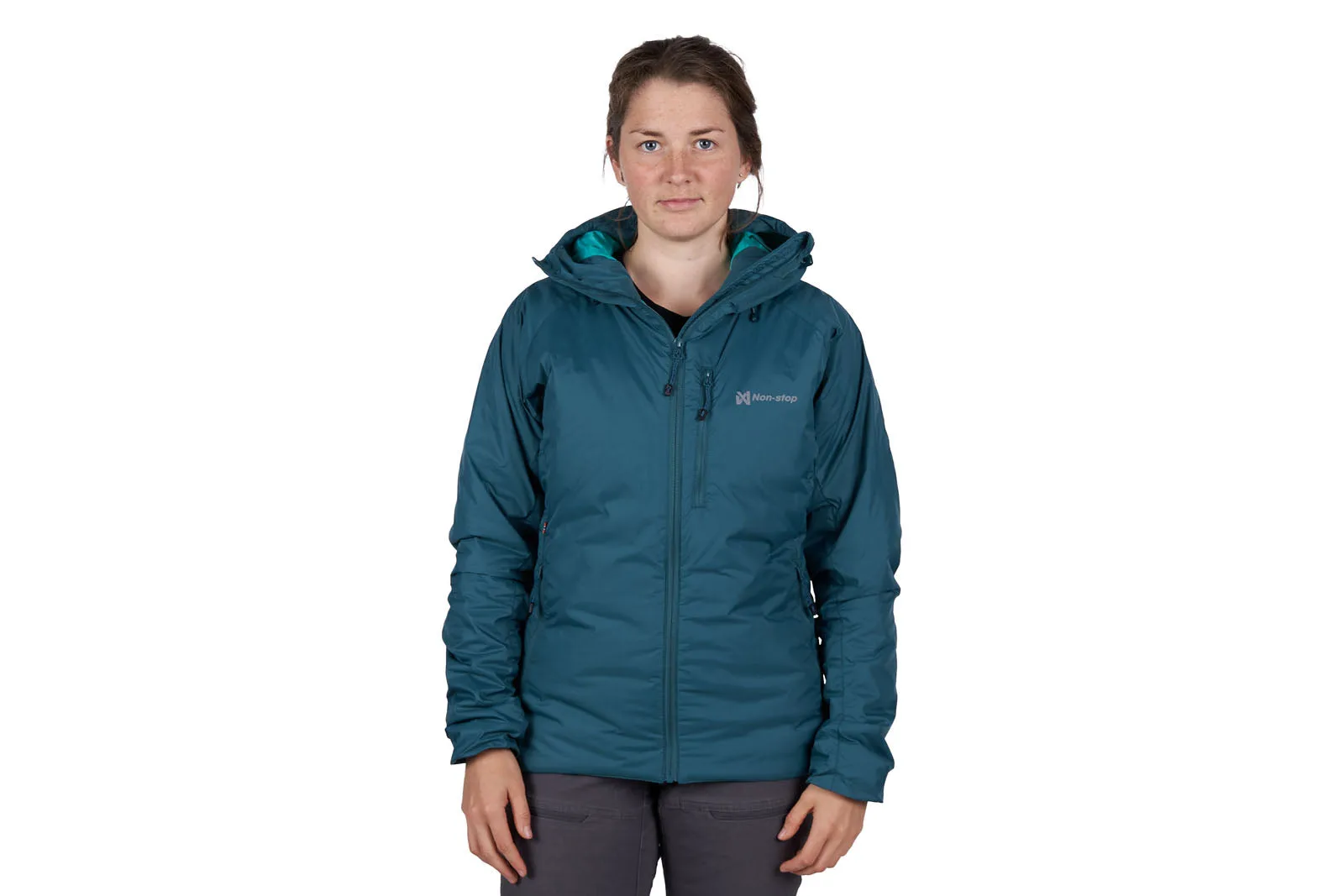
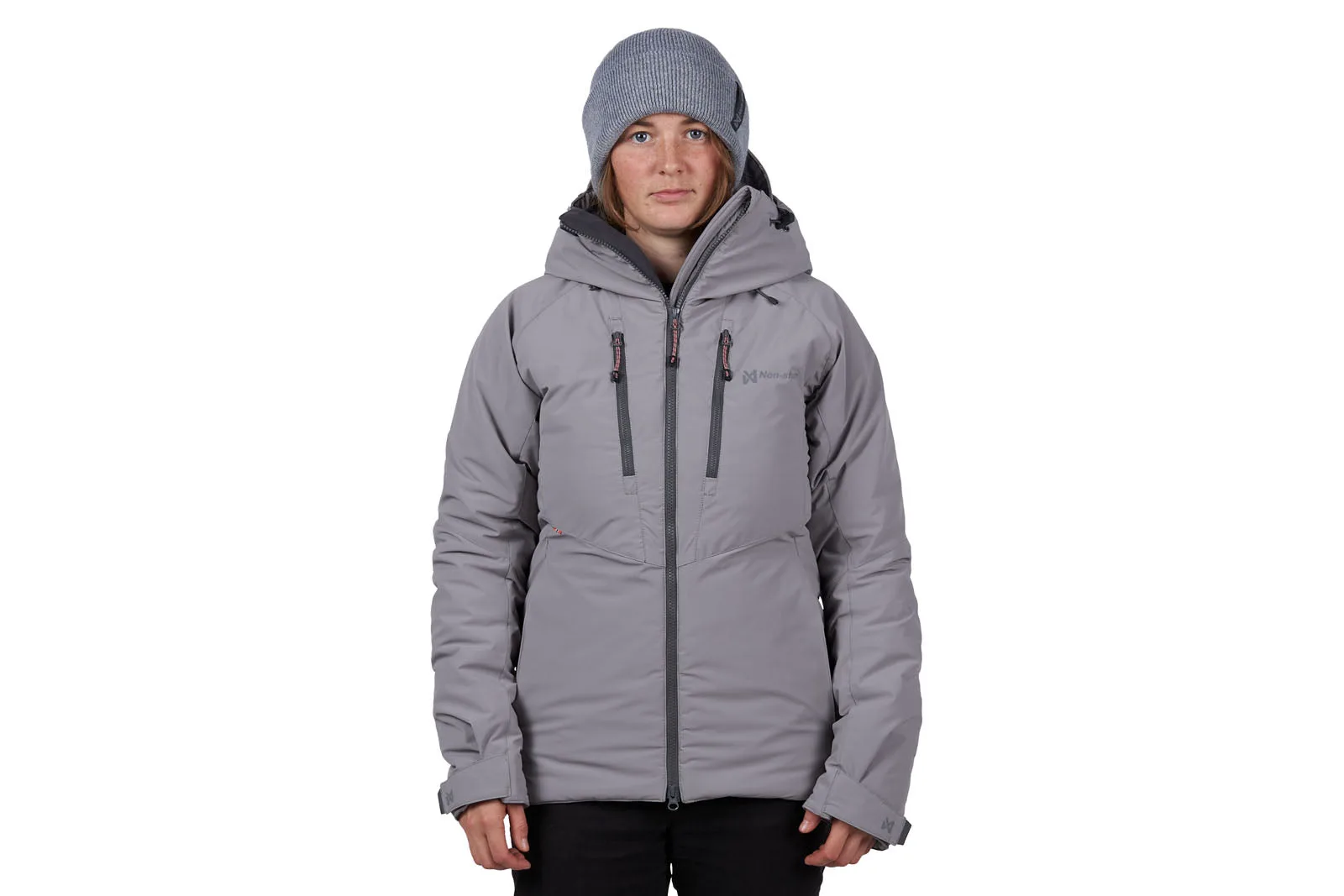
The Trail Isolator WP jacket is a waterproof, insulated outer layer, so the first decision is whether you need that shell at all. Its 3-layer 150D polyester outer with a PU membrane is rated to 29,000 mm (ISO 811:2018) and has fully taped seams, which is the part that keeps freezing rain, sleet and snow out. The synthetic insulation—130 g/m2 in the body and 100 g/m2 in the arms—is designed to stay dry and efficient under that shell.
That combination makes it a jacket for wet, cold hours rather than a light wind layer. The supplied record rates it from +5°C (41°F) down to -25°C (-13°F), or down to -35°C (-31°F) when paired with the Trail Isolator WP bib pants. Treat those as the jacket's stated operating range, not a promise that you will feel the same at either end—your own output and what you wear underneath still decide comfort.
What the jacket is built to handle
-
Trail isolator WP jacket: Waterproof rating: 29,000 mm (ISO 811:2018); outer: 3-layer 150D Polyester (PU Membrane); taped seams. This is the evidence behind using it as the outer shell in pouring rain, sleet and snow.
Trail isolator WP jacket
-
Trail isolator WP jacket: Insulation: Micro loft, 130 g/m2 body, 100 g/m2 arms. Explains why the jacket carries warmth itself instead of relying only on midlayers.
-
Trail isolator WP jacket: Breathability rating: 11,650 g/m2/hr (ASTM E96 BW/JIS L 1099:2011); windproof. Useful when deciding how hard to work in it and how much to vent through the front zipper.
Layering for a wet, cold trail run
- 1. Choose a thin base layer: The jacket already supplies insulation, so start with a base layer you would wear for cold-weather activity. The supplied record does not specify a base-layer weight, so pick one you know works for you at the expected temperature.
- 2. Add a midlayer only if you run cold: The expandable front zipper and adjustable waist let you layer up when the cold hits hard. Use that adjustment to make room rather than sizing up for layers.
- 3. Set the hood and cuffs before you start: The insulated storm hood is designed to fit securely against speed and side winds, and the adjustable neoprene cuffs block moisture and wind while staying flexible enough to wear mittens over them.
- 4. Vent with the front zipper as you warm up: The expanding front section is the jacket's main adjustment for changing output. Open it when you are working hard, close it when you slow down or the weather turns.
- 5. Keep essentials in the secure pockets: Seven secure pockets include two external chest pockets sized for GPS units, with openings for antenna routing behind the hood, plus two kill switch loops for machine use.
Fit checkpoints before you commit to a size
The Trail Isolator WP jacket is unisex and comes in XS to 2XL. Because it is an outer shell with its own insulation, fit matters more than usual: you need room for a base layer and an optional midlayer without the shell pulling across the shoulders.
Check the arms first. The upper-arm hook-and-loop patch measures 85 mm x 140 mm (3.35 in × 5.51 in), and the neoprene cuffs need to sit where they can seal without riding up. Then check the waist adjustment and the front zipper with your layers on. If the jacket is tight across the chest with your usual winter layers, the expandable front section will not fix a size that is fundamentally too small.
The supplied record lists weights from 1400.2 g, but it does not map every weight to a specific size. Use the sizing chart rather than weight alone to choose between sizes.
Sizing and construction details that affect fit
- Trail isolator WP jacket: Sizes XS–2XL, unisex; color black; YKK AquaGard® zippers; storm flaps; hood extension attachment. Confirms the available range and the closure details that matter when you are adjusting the jacket in bad weather.
- Trail isolator WP jacket: Adjustable neoprene hand cuffs and an expanding front section. These are the fit adjustments to test with your layers on before deciding a size.
Washing and drying without guessing
- 1. Fasten everything first: Securely fasten zippers and hook-and-loop fasteners during washing and drying, as the supplied care record instructs.
- 2. Machine wash at 30°C: That is the full wash instruction supplied for this jacket. Do not add temperatures, detergents or cycles that are not in the record.
- 3. Tumble dry on low: The supplied instructions specify low heat. Avoid assuming a higher setting is fine.
- 4. Re-proof when the shell needs it: The record says to use re-proofer. It does not specify a schedule, so judge by how the shell behaves rather than by a fixed number of washes.
What the supplied record does not cover
The record does not give a base-layer recommendation, a midlayer thickness, or a care interval for re-proofing. It also does not confirm thermal performance beyond the stated temperature range or any protective rating beyond the waterproof and breathability figures listed. Where those details matter to your decision, treat them as open questions rather than settled specifications.
What it does confirm is the jacket's role: a waterproof, insulated outer layer for wet, cold weather, with the adjustments and pockets to support long hours outdoors with dogs.