Quick answer
Choose the Trail Isolator WP Bib Pants for waterproof protection in wet conditions, or the Arctic Shell Bib Pants for insulated coverage in cold, dry weather.
Waterproof vs Insulated: The Core Difference
The Trail Isolator WP Bib Pants prioritize keeping you dry with a waterproof construction, making them ideal for rain, slush, or wet snow. The Arctic Shell Bib Pants, on the other hand, focus on warmth with a durable shell that protects against cold and wind, but their insulation may trap moisture if you get wet.
Bib Coverage and Fit
Both pants feature a bib style that extends coverage to your core, but they serve different purposes. The Trail Isolator WP's bib adds an extra layer of waterproofing for your torso, while the Arctic Shell's bib provides chest and belly protection against cold and abrasion. Both are available in a standard fit, so sizing should be similar.
Trade-offs to consider
- Wet vs dry conditions: Trail Isolator WP handles rain and slush; Arctic Shell is better for cold, dry snow.
- Insulation vs breathability: Arctic Shell provides warmth but can overheat during high-output running; Trail Isolator WP is less insulated but more breathable for active use.
- Core coverage: Both offer bib coverage, but Trail Isolator WP's bib is waterproof while Arctic Shell's is more abrasion-resistant. Check your primary need: staying dry or staying warm.
Product facts at a glance
-
Trail Isolator Wp Bib Pants: Waterproof construction helps keep you dry in wet conditions. You can run through puddles or rain without worrying about soaked layers underneath.
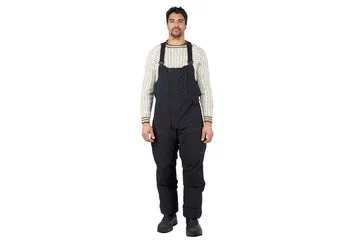
Trail Isolator Wp Bib Pants
-
Arctic Shell Bib Pants: Durable shell construction built to withstand rugged use. These pants hold up against brush and rough terrain during active winter hikes.
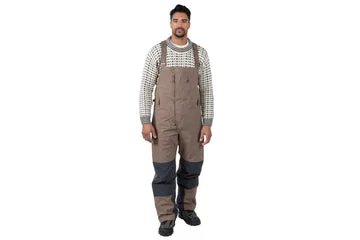
Arctic Shell Bib Pants
Which pants fit your needs?
Best for
- Runners who face rain, slush, or wet trails and need reliable waterproofing.
- Cold-weather hikers who want insulated core protection without frequent wet conditions.
Not for
- High-output winter running where breathability is critical (choose Trail Isolator WP instead of Arctic Shell).
- Extreme wet conditions where insulation may become heavy and cold (choose Arctic Shell for dry cold only).