Quick answer
Buy the Trail Runner Dog Running Vest if your dog is a steady, conditioned running partner and you want them to carry their own water on runs. Choose the Ridgeline Harness instead if your dog pulls hard or you run technical terrain, and add the Crag Hands-Free Leash when you want your hands free without loading your dog. The vest only works if it fits snug and stays bounce-free, so measure before you order.
What the Trail Runner Vest Actually Does
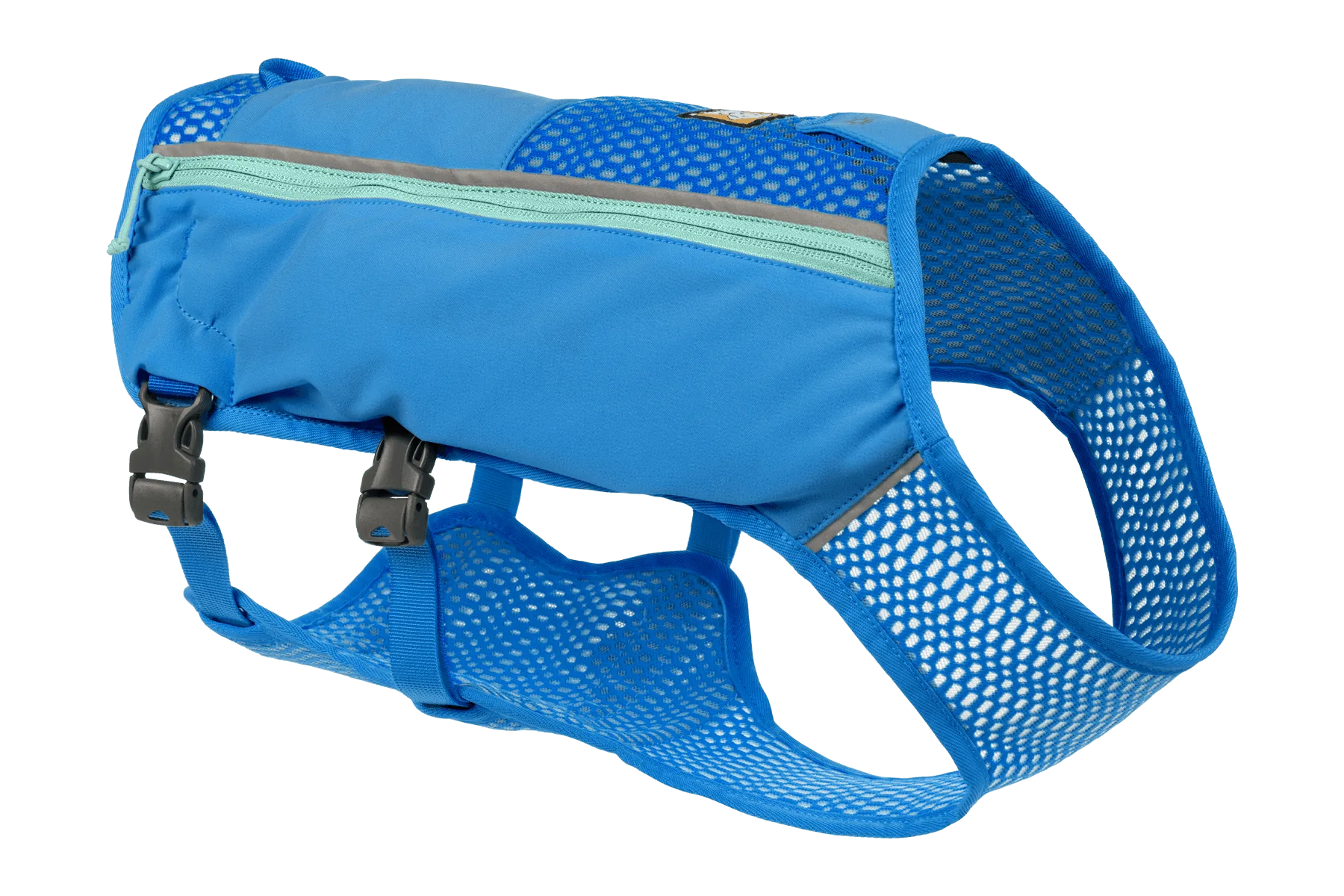
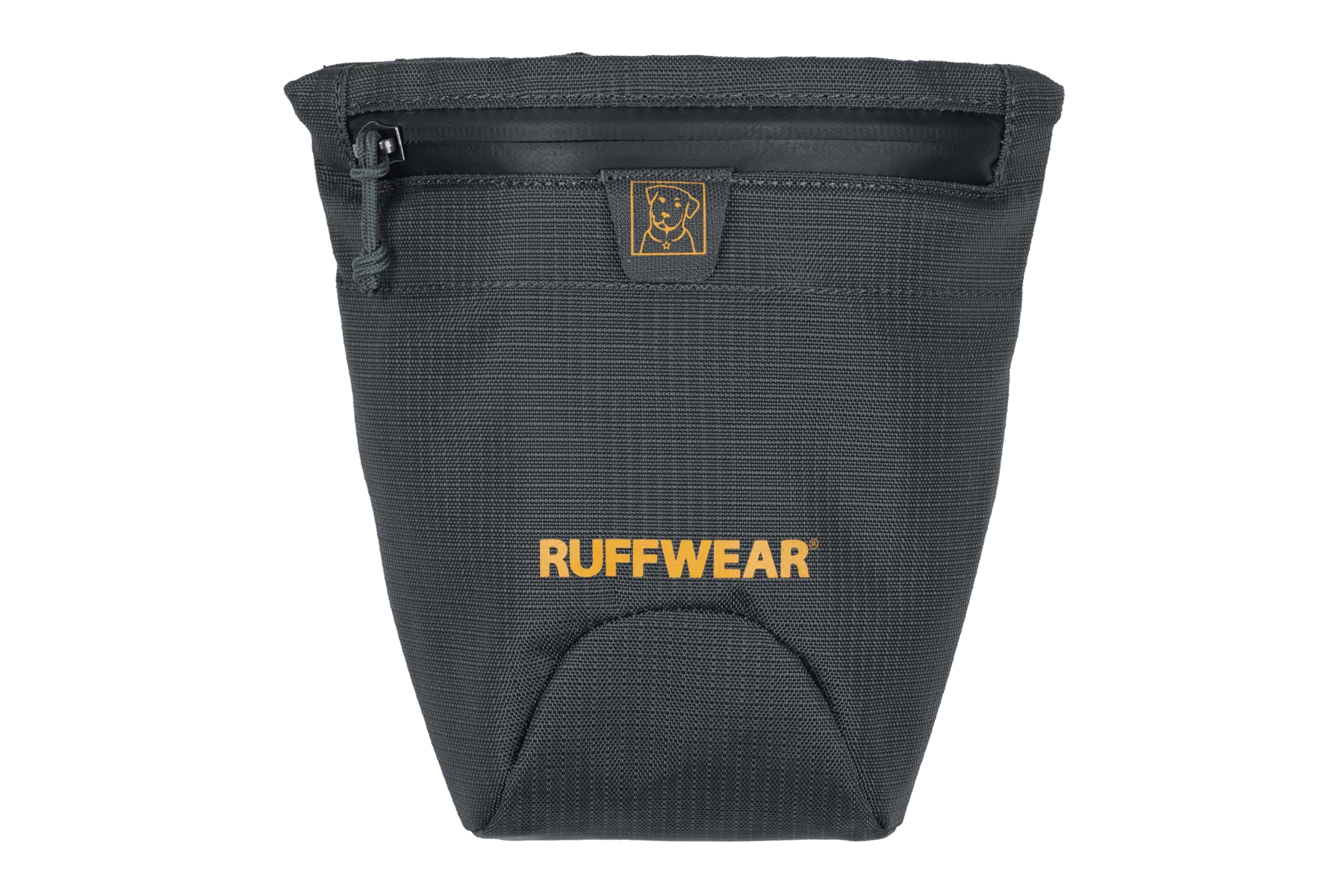
This is not a harness for pulling or a pack for overnight trips. It is a running vest for your dog, built around one job: carrying hydration comfortably while you both move. Two zippered side pockets hold the two included Hydrapak soft flasks, and the design and material choices keep the vest breathable, balanced, and bounce-free.
That focus matters. A general-purpose pack adds capacity you will not use on a 5K and often shifts weight as it empties. A running-specific vest keeps the load close to the body and predictable, which is what stops the shoulder rub and side-to-side swing that make dogs slow down or stop entirely.
How to Get Dog Running Vest Sizing Right
Fit is the whole purchase. A running vest that is even slightly loose will bounce, and bounce turns into chafing within a few miles. Measure your dog's girth at the widest point of the ribcage, behind the front legs, with the tape snug but not tight. Then re-measure after a short run, because a wet or panting dog measures differently than a calm one.
Check three things before you commit to a size: you can fit two fingers under the straps, the vest does not slide when you lift a front leg, and the side pockets sit level rather than tipping forward. If your dog is between sizes, size down for running and up only if you plan to layer. The Trail Runner Vest is offered in Size, Color, and Condition options, so confirm the size you need before checkout rather than assuming your usual harness size carries over.
When a Running Harness Beats a Running Vest
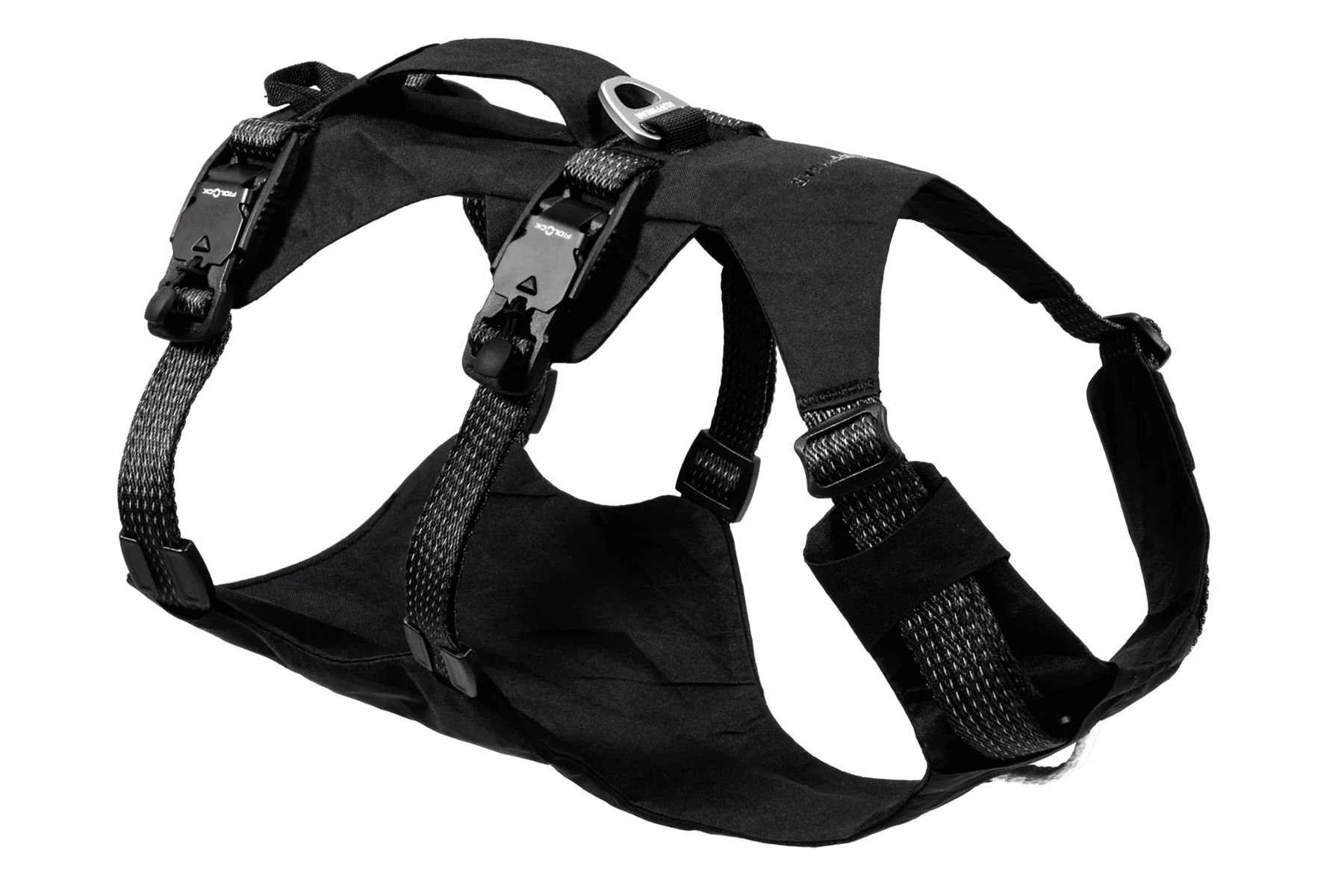
If your dog pulls, lunges, or needs steering through technical terrain, a vest is the wrong tool. A vest distributes a light load; it does not give you control. The Ridgeline Harness is built for dogs and humans who demand the most from their gear, with an X-Pac laminate shell for weather, dirt, and abrasion resistance and lightweight webbing straps with integrated reflective elements.
A useful rule: choose the vest for the dog that runs beside you, and choose the harness for the dog that runs ahead of you. Many runners end up owning both, using the harness for training and the vest for easy trail days where the dog carries water and nothing else.
Hands-Free Setup and Water Breaks
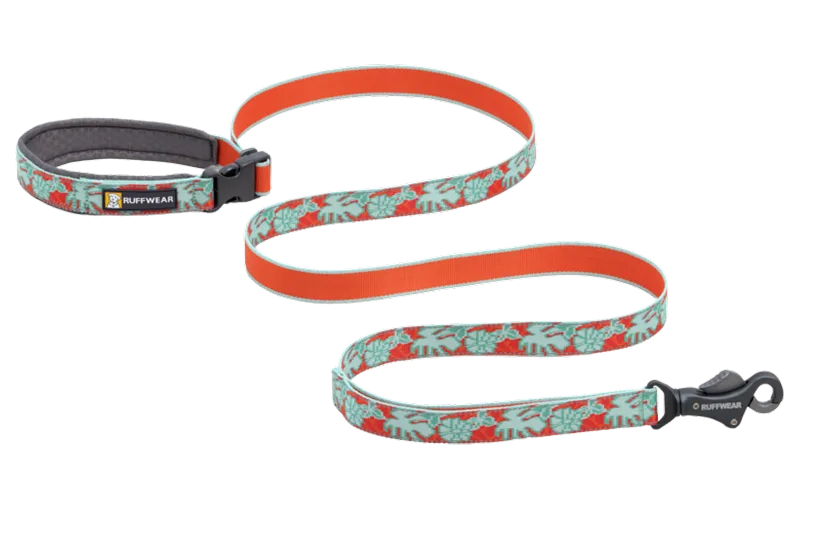
Going hands-free changes how you run with your dog, and it is worth setting up deliberately. The Crag Leash can be hand-held or worn around the waist for hands-free walking, with a side-release buckle reinforced by an aluminum uniloop and Ruffwear's Talon Clip for a secure connection to your dog.
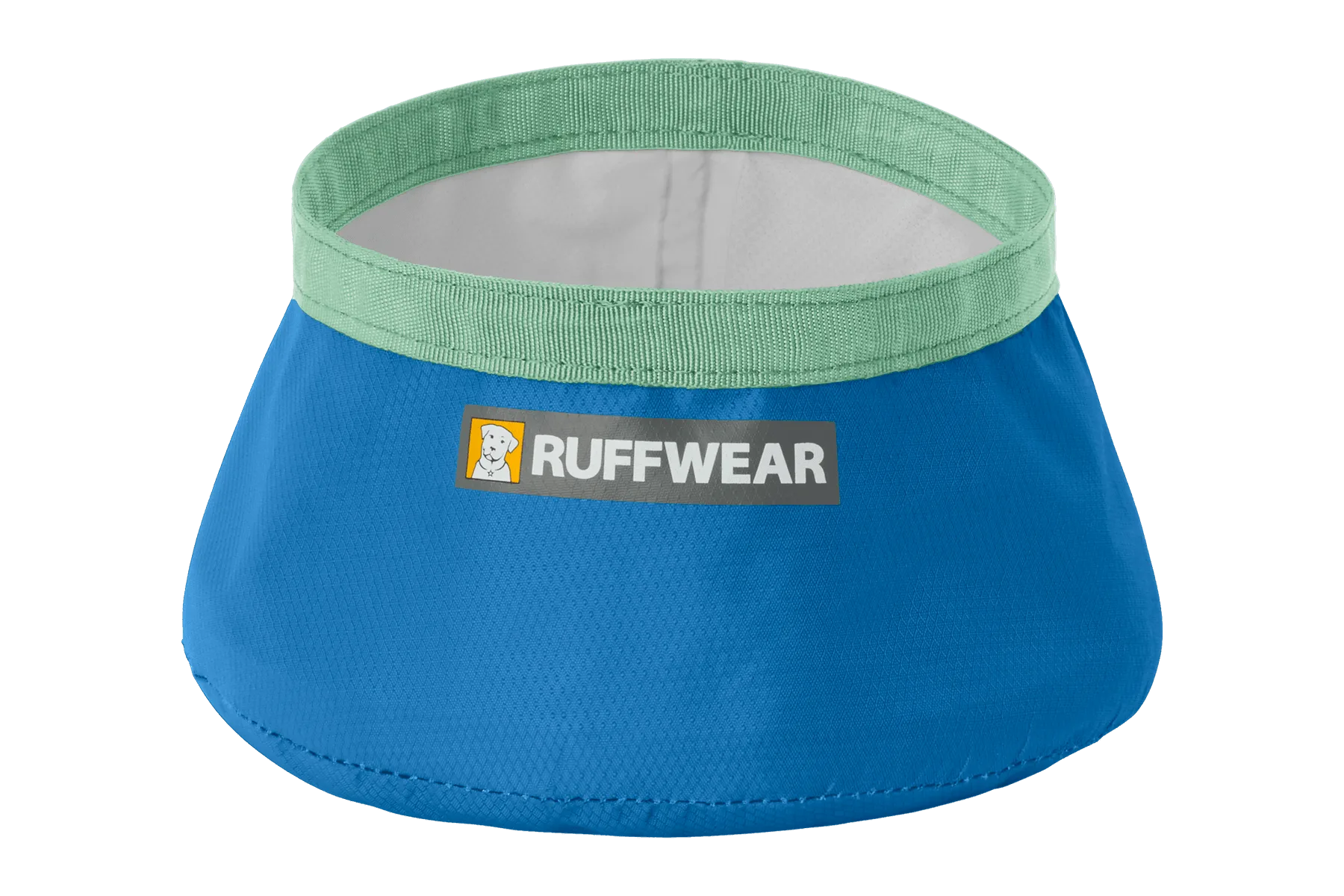
For water, the Trail Runner Ultralight Dog Bowl packs into itself for portability, with single-wall construction that is easy to clean and stuff into its integrated pocket. It fits inside both the Trail Runner Belt and other Ruffwear gear, so you are not carrying a separate bowl in your hand. Pair it with the vest's included flasks and your dog drinks at the same stops you do.
What the Vest Does Not Tell You
The catalog does not list a weight capacity or a maximum flask volume beyond the two included Hydrapak soft flasks, so do not assume you can swap in larger bottles and keep the same balance. If your route needs more water than two flasks, plan a refill stop or carry the extra yourself.
There is also no published temperature rating. Breathable materials help, but a black vest in direct summer sun still adds heat. On hot days, run early, keep the vest lightly loaded, and check your dog's pace rather than your own.
Decision rules for running with your dog
- Dog pulls or needs steering: Skip the vest and use the Ridgeline Harness. A vest carries water; it does not give you control on descents or around other trail users. Control first, capacity second.
- Dog runs beside you on steady trails: Choose the Trail Runner Vest in your measured girth size and load both included flasks evenly so the vest stays balanced. Even loading is what keeps it bounce-free.
- You want hands free without loading your dog: Use the Crag Leash around your waist and leave the vest at home, especially for older dogs or short recovery runs. Not every run needs a pack.
- You are between sizes: Size down for running and re-check the two-finger rule after a test run. A loose vest will rub long before it wears out. Fit beats room to grow.
Product facts that affect your decision
- Trail Runner™ Dog Running Vest: The Trail Runner Running Vest has two zippered side pockets that hold the two included Hydrapak soft flasks, and its design and material choices keep it breathable, balanced, and bounce-free. Your dog carries their own hydration without a swinging load, which is the main reason a running-specific vest outperforms a general pack on short, fast runs.
- Trail Runner™ Ultralight Dog Bowl: The Trail Runner Ultralight Dog Bowl packs into itself, uses single-wall construction for easy cleaning, and fits inside the Trail Runner Belt and other Ruffwear gear. It removes the awkward extra item from your hand and gives your dog a clean water stop that matches the vest's carry system.
- Ridgeline™ Harness: The Ridgeline Harness uses a lightweight X-Pac laminate shell for weather, dirt, and abrasion resistance, plus webbing straps with integrated reflective elements. If your runs involve brush, mud, or low light, this is the more durable control option and a better match for a dog that pulls.
- Crag™ Hands-Free Leash: The Crag Leash can be hand-held or worn around the waist for hands-free walking, with a side-release buckle reinforced by an aluminum uniloop and the Talon Clip for a secure connection. It gives you a hands-free running setup without adding load to your dog, which suits dogs that should not carry weight.
Who the Trail Runner Vest is right for
Best for
- Conditioned dogs that run steadily beside their handler on trails and paths
- Runners covering 30 to 90 minutes who want the dog to carry its own water
- Owners who will measure girth and test the fit before committing to a size
Not for
- Dogs that pull hard or need steering, which calls for the Ridgeline Harness
- Puppies and dogs still growing into their adult girth
- Runs where you need more water than the two included flasks hold