Quick answer
Clean trail running shoes with cool water, a soft brush, and mild soap, then air-dry them stuffed with newspaper away from heat. For GTX shoes, never use a washing machine, dryer, or direct heat because it can damage the waterproof membrane. Mesh uppers tolerate a bit more scrubbing, but both need to dry completely before you store them.
Why mud and sweat break down trail shoes faster than miles do
Trail grit is abrasive. When mud and sand dry inside the upper, every step grinds those particles against the mesh and lining. Sweat and moisture also feed odor-causing bacteria, which is why trail shoe odor prevention starts with drying, not deodorizing. Waterproof shoes add another layer of risk: a GTX membrane keeps water out, but if you store the shoe damp, that trapped moisture can degrade the lining and shorten the shoe's life. Cleaning is not about making shoes look new; it is about removing the grit and moisture that quietly wear them out.
What you need (and what to leave in the garage)
Gather a soft-bristle brush or old toothbrush, a microfiber cloth, cool water, and a mild soap or dedicated footwear cleaner. A dull knife or stick helps knock off caked mud. Skip the pressure washer, the washing machine, and the dryer. For GTX shoes, also skip hot water and harsh solvents, which can harm the waterproof membrane. If you use a hose, keep it on a gentle shower setting and never aim a jet at the seams.
Step-by-step trail shoe cleaning and drying routine
- Knock off dry mud before it sets: Bang the soles together or use a stick to remove loose dirt. Do this outside, not over a drain that can clog. Common mistake: soaking the shoe first, which turns dust into paste that works deeper into the mesh.
- Remove insoles and laces: Pull the insoles out and hand-wash laces separately in mild soapy water. This lets air reach the inside of the shoe and prevents trapped moisture. Checkpoint: if the insole is damp underneath, the shoe needs more drying time than you think.
- Brush the upper with cool soapy water: Dip a soft brush in cool water with a drop of mild soap. Scrub the mesh and leather in small circles, then wipe with a damp cloth. For GTX shoes, use gentle pressure and avoid scrubbing seams. Common mistake: using hot water or a stiff brush on GTX, which can damage the waterproof membrane.
- Rinse gently and blot: Rinse with cool water on a low-flow setting or wipe with a clean wet cloth. Blot excess water with a towel. Never use a pressure washer, which forces water past the membrane. Checkpoint: the water running off should be clear, not soapy.
- Air-dry stuffed with newspaper: Stuff crumpled newspaper or dry towels inside the shoe to absorb moisture and hold its shape. Place the shoes in a well-ventilated spot at room temperature, away from sun and radiators. Replace the paper when it feels damp. Common mistake: putting GTX shoes on a radiator or in a dryer, which can delaminate the membrane and void its waterproof promise.
- Treat odor at the source: Once dry, sprinkle a little baking soda inside and leave it overnight, then shake it out. Rotate your trail shoes between runs so each pair dries fully. If odor persists, wash the insoles again and let them dry completely before reinserting. Checkpoint: shoes should feel completely dry inside before you wear or store them.
- Store them dry and shaped: Keep shoes in a cool, dry place, not a sealed plastic bag or a damp garage. Loosen the laces so the upper can relax. For GTX shoes, storing them damp is the fastest way to ruin the membrane. Next step: mark your calendar to re-clean after every muddy run, not every season.
Trail shoes built for wet and muddy conditions
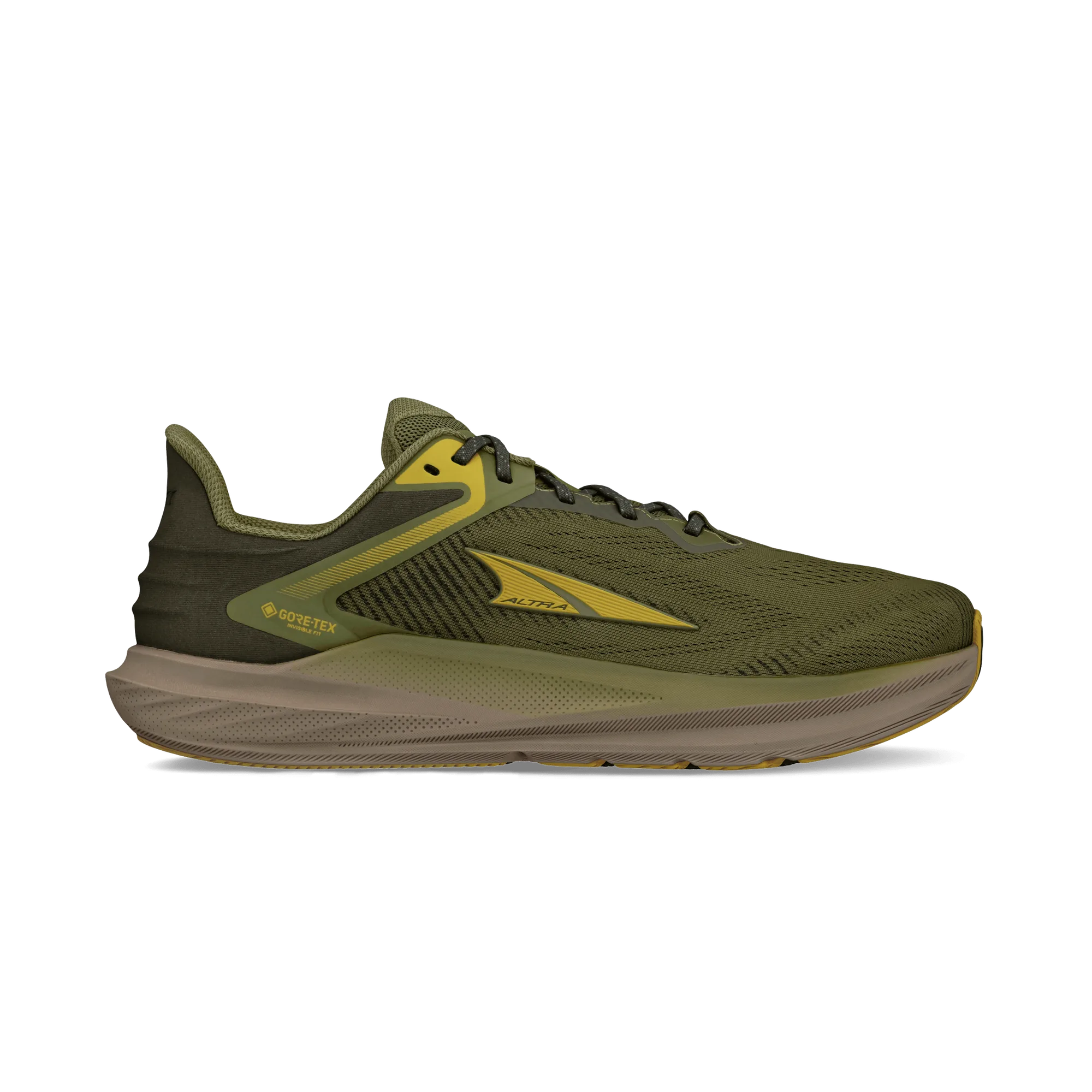
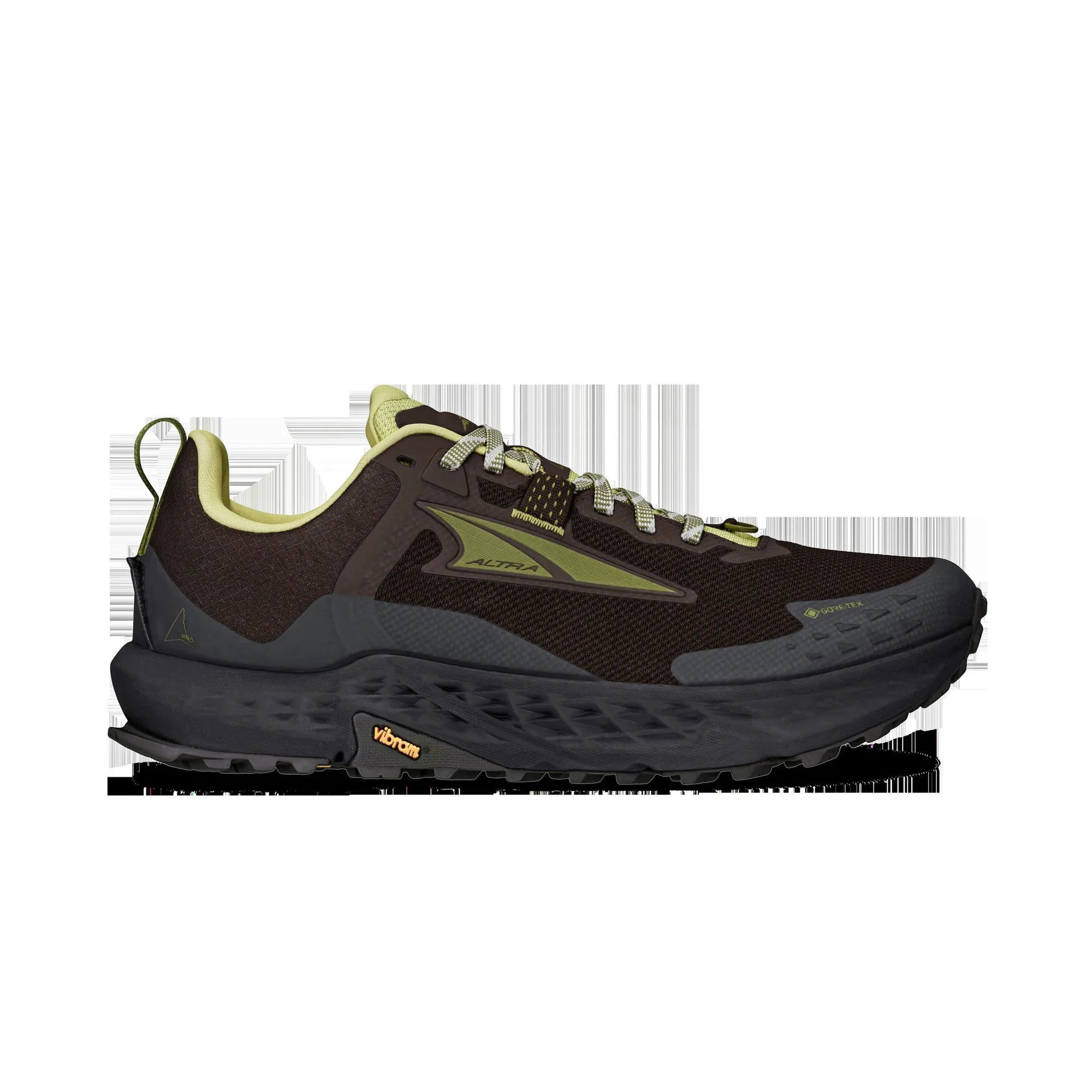
- Men's Torin 8 GTX: Men's Torin 8 GTX has a waterproof GORE-TEX Invisible Fit upper backed by the GORE-TEX GUARANTEED TO KEEP YOU DRY promise. That membrane is the reason you should air-dry this shoe and avoid heat, which can compromise waterproof protection.
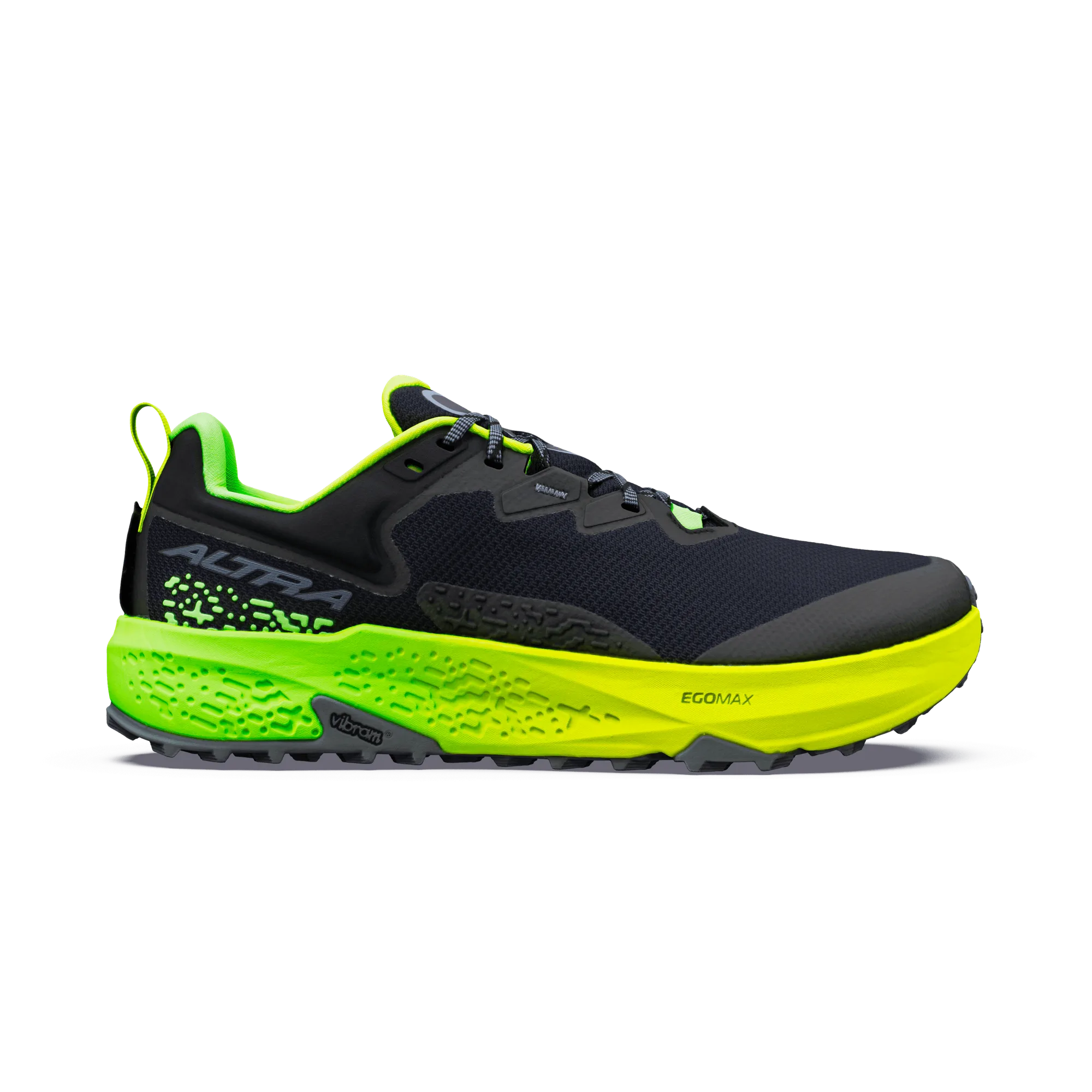
- Men's Timp 6: Men's Timp 6 uses a soft rolled mesh upper with a Vibram Megagrip outsole. Mesh dries faster than a waterproof laminate, but it also traps grit more easily, so brush the upper before the mud sets.