Quick answer
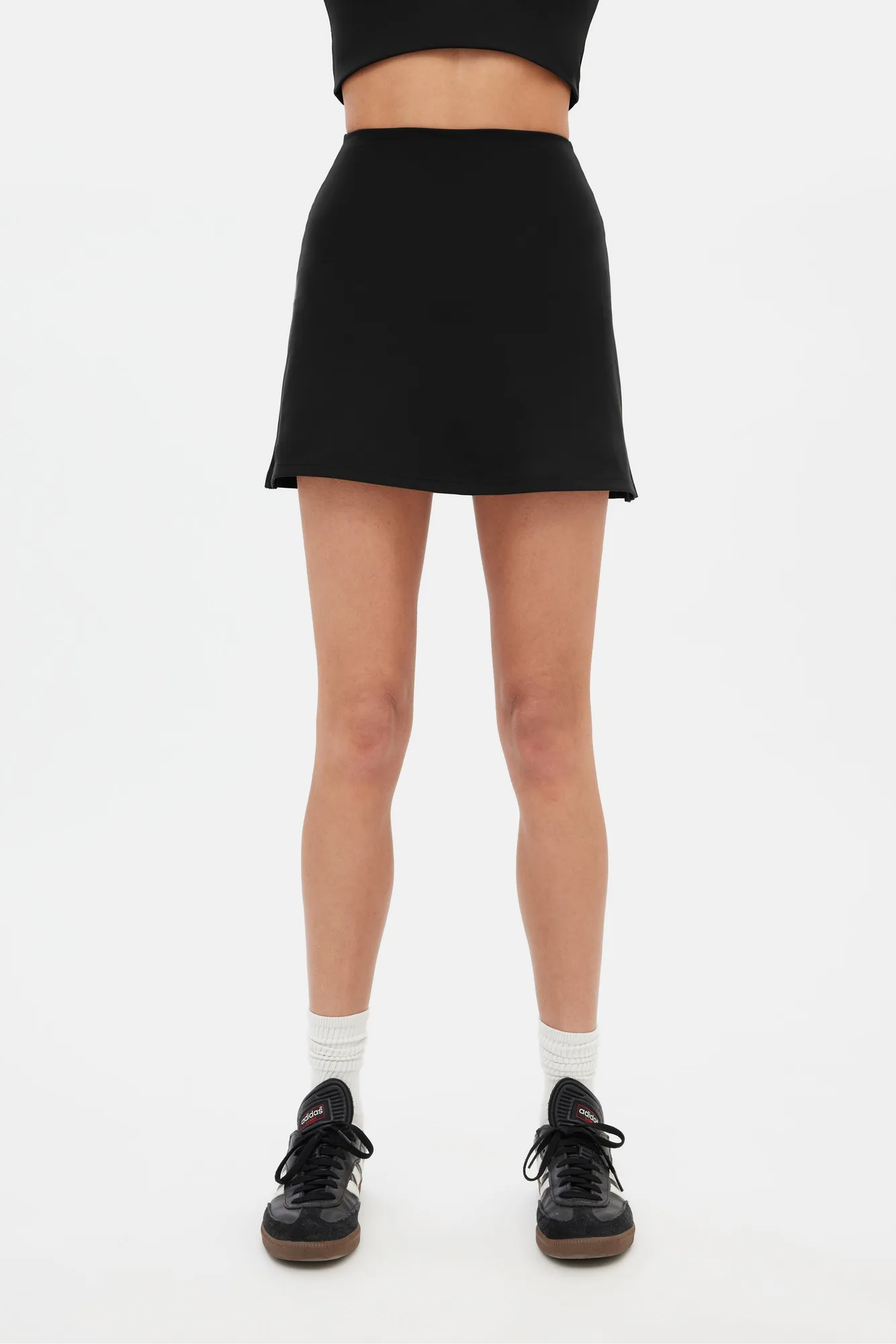
For rugged trails and long hikes, choose a trail short like the Olivine or Chestnut Trail Short. For running, tennis, or golf where you want built-in support and hidden pockets, the Black Sport Skort is the better pick.
What actually differs between trail shorts and sport skorts
The biggest difference is coverage and construction. Trail shorts are designed as a single layer that moves with you, often using durable ripstop fabric. Sport skorts add a built-in compressive short underneath, giving you the look of a skirt with the security of shorts.
Pockets also separate the two. Sport skorts like the Black Sport Skort include hidden mesh pockets, which are handy for keys or cards. Trail shorts typically rely on standard side pockets, so you may need a waist pack for longer hikes.
Fit matters too. Trail shorts are available in sizes XXS through 6XL, offering an inclusive range. The Black Sport Skort also comes in extended sizing, but the high-rise silhouette changes how it sits on your waist compared to a standard short.
Why fabric durability matters on the trail
If you're brushing past branches or scrambling over rocks, ripstop fabric is a real advantage. The Olivine, Chestnut, and Marble Trail Shorts are all part of the Ripstop collection, which is built to resist tearing. That's a practical reason to lean toward a trail short for serious hiking.
Sport skorts are made for motion, but the skirt layer is typically lighter and less rugged. That's fine for groomed paths or court sports, but it may not hold up as well on overgrown trails.
So the trade-off is simple: choose a trail short when durability is your priority, and a sport skort when you want a more polished look with built-in support.
Trail short vs sport skort: the trade-offs
- Coverage and support: Sport skorts give you built-in compressive shorts for extra coverage and support. Trail shorts are a single layer, so you'll need to wear your own liner or briefs. If you want built-in support without extra layers, choose a sport skort.
- Durability for rugged terrain: Trail shorts use ripstop fabric that resists tearing, making them better for overgrown trails or rocky scrambles. Sport skorts have a lighter skirt layer that may snag. For serious hiking, pick a trail short from the Ripstop collection.
- Pockets and convenience: The Black Sport Skort has hidden mesh pockets for small items. Trail shorts typically have standard pockets, which may not secure items as well during vigorous activity. If you need secure pocket access, the sport skort wins.
- Fit and sizing: Both trail shorts and the sport skort are available in extended sizes, but the high-rise cut of the skort changes the waistline fit. Trail shorts offer a more traditional short silhouette. Try both to see which rise feels better for your body.
Product facts at a glance
-
Olivine Trail Short: The Olivine Trail Short is part of the Ripstop and SuperTrack collections, designed for trail-ready performance. Ripstop fabric resists tears, so this short is a solid choice for rocky or brushy trails.
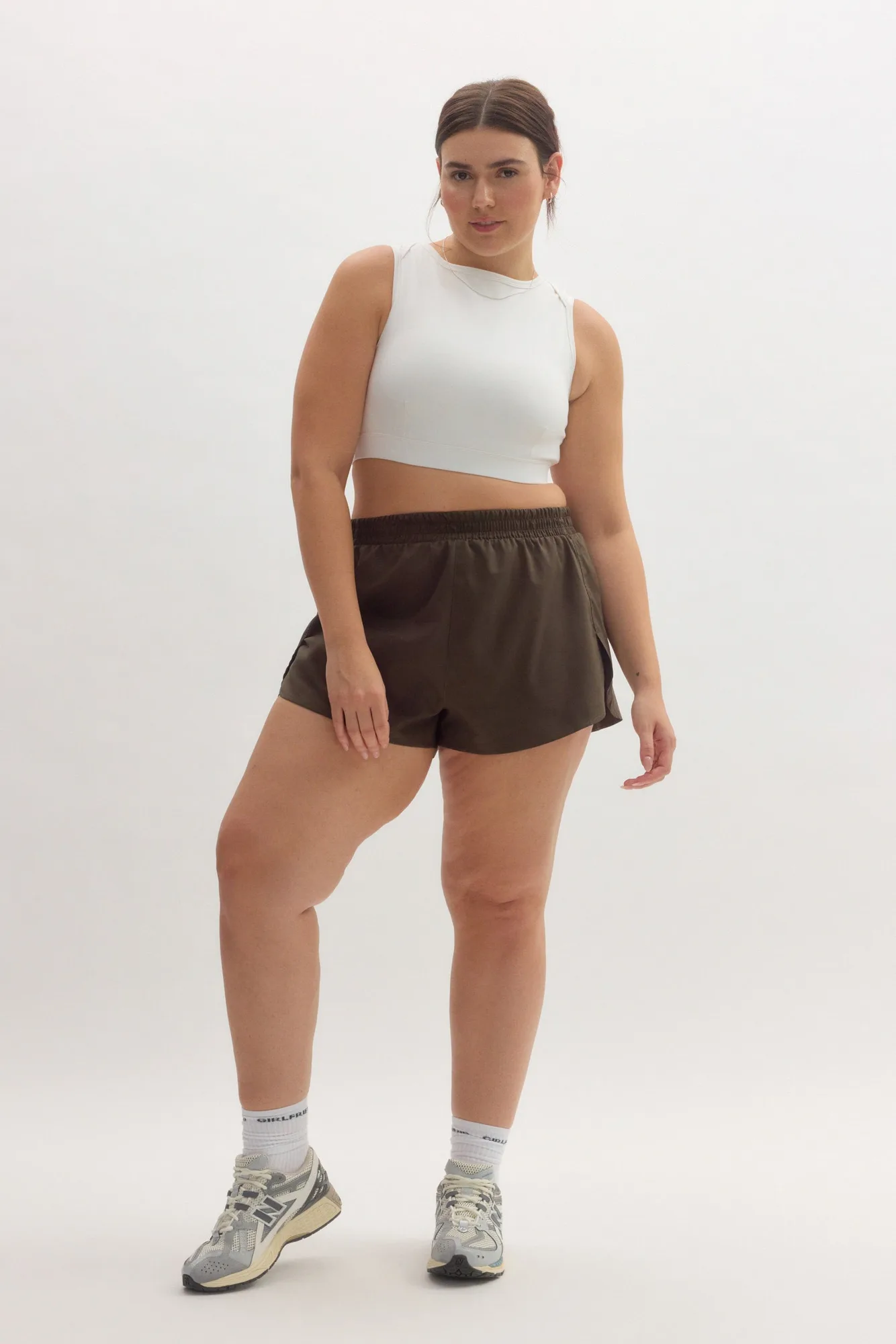
Olivine Trail Short
-
Chestnut Trail Short: The Chestnut Trail Short is part of the Ripstop and SuperTrack collections, combining rugged fabric with performance-focused design. It offers the same durable construction as the Olivine but in a warm brown tone that hides dirt well.
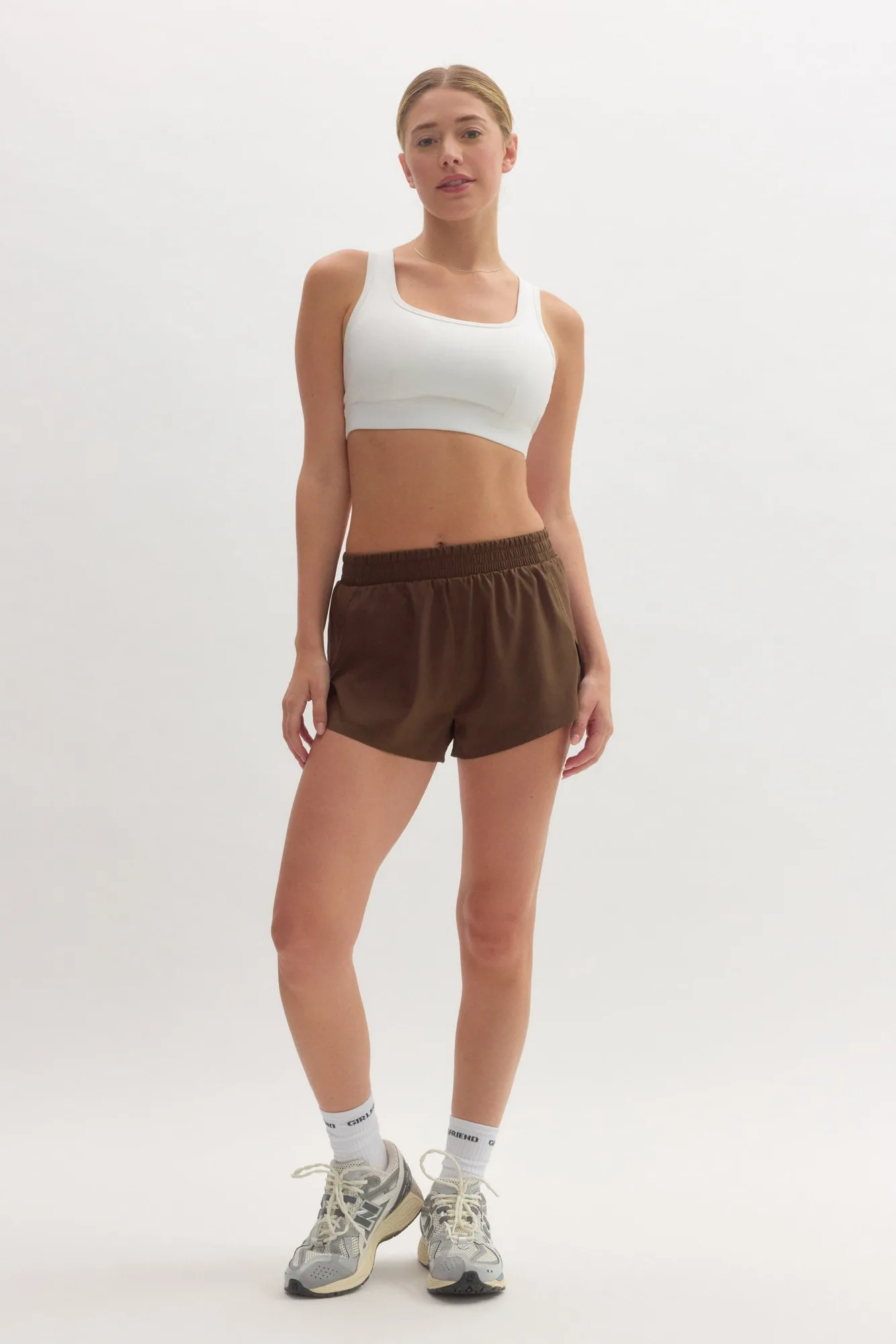
Chestnut Trail Short
-
Black Sport Skort: The Black Sport Skort features built-in compressive shorts, hidden mesh pockets, and side slits for ease of motion. The built-in shorts and pockets make it practical for running or golf without needing extra gear.
Who should choose which
Best for
- Trail shorts: hikers, trail runners, and anyone on rugged or overgrown paths who needs durable fabric and easy movement.
- Sport skorts: runners, tennis players, golfers, or anyone who wants built-in support and hidden pockets in a more polished silhouette.
Not for
- Trail shorts: not ideal if you want built-in compressive support without wearing extra layers.
- Sport skorts: not the best choice for dense brush or rocky trails where the lighter skirt layer could snag or tear.