Quick answer
For blister prevention on long runs, prioritize a sock with a snug, wrinkle-free fit and a breathable, quick-drying blend. Merino wool blends manage moisture and temperature well, while a crew height keeps trail debris out. Pair it with a lightweight, adjustable cap for sun protection. If your feet sweat heavily or you run in hot conditions, choose a thinner cushion; if you want more underfoot comfort, choose light cushion.
Why socks and caps matter more than you think
Blisters are caused by friction, moisture, and heat. Socks that bunch, hold sweat, or fit loosely create the perfect conditions. A cap that traps heat or shifts can cause you to adjust constantly, distracting you from your stride. The right gear solves both problems without adding weight or complexity.
This guide focuses on two categories that directly affect long-run comfort: trail socks and running caps. It gives you decision rules for fit, fabric, and features so you can choose confidently.
Sock fabric and cushioning: what to look for
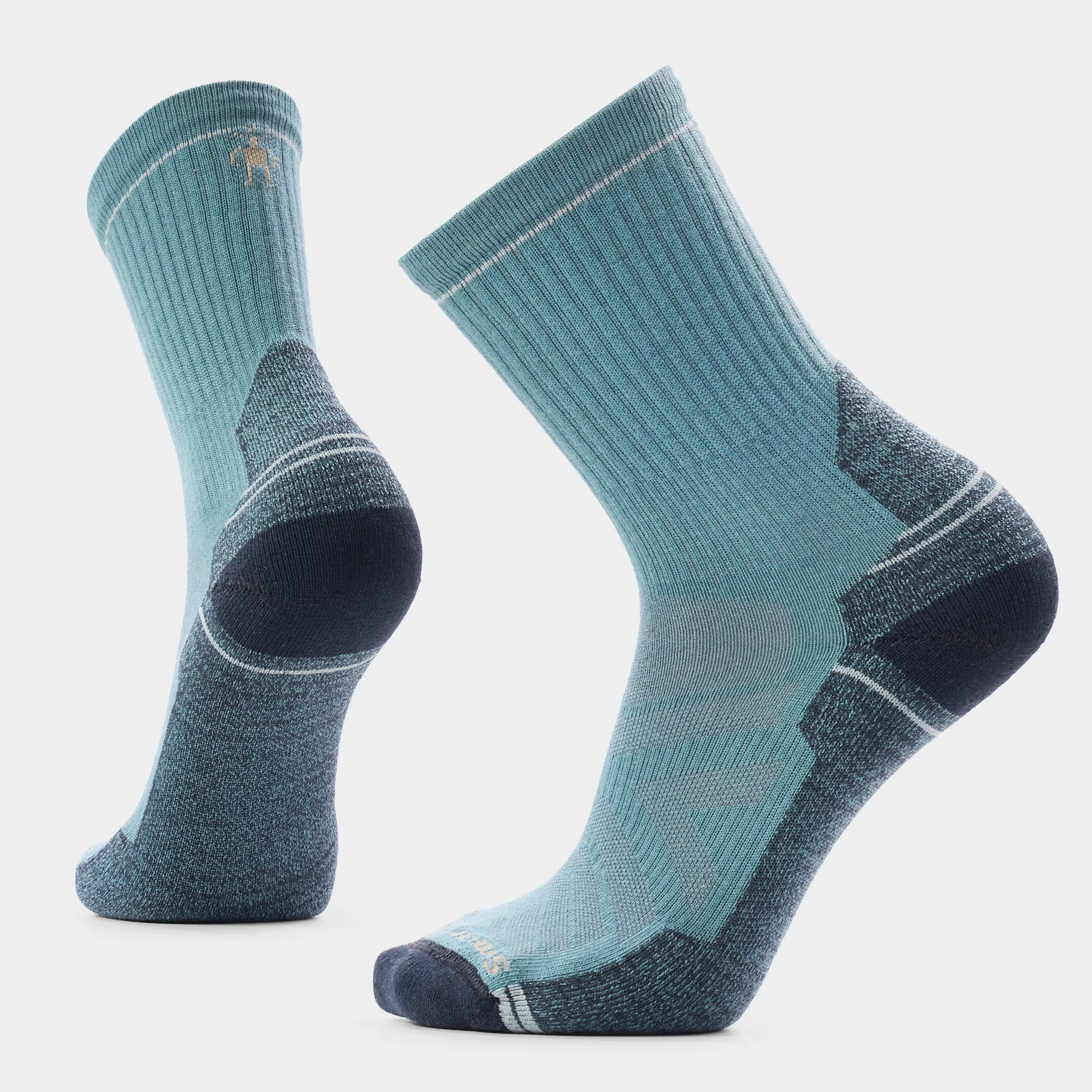
Merino wool blends are popular for long runs because they regulate temperature, resist odor, and manage moisture. Recycled nylon adds durability and helps the sock hold its shape. Mesh zones improve breathability. These features matter more than thickness alone.
Cushioning is a personal choice. Light cushion offers a balance of ground feel and comfort. If you blister easily on the ball of your foot or heel, a light cushion can reduce peak pressure. If you prefer minimal material underfoot, a thinner sock may feel better. The key is to avoid excess fabric that can fold or bunch.
Cap features that help on long runs
A running cap should be lightweight, breathable, and adjustable. Look for a soft brim that doesn't block your view, and a sweatband that wicks moisture away from your eyes. Dark colors absorb heat, so lighter colors are often better for sunny, exposed trails.
If you run in low light or heavily wooded areas, consider a cap with reflective details. For hot climates, a cap with mesh panels improves airflow. Avoid caps with heavy hardware or stiff brims that can cause pressure points.
How to test fit before you commit
For socks: put them on and check for wrinkles. They should be snug but not tight, with no excess fabric at the heel or toes. Your toes should be able to move slightly. If the sock slides down or bunches when you walk, size down or try a different model.
For caps: adjust the strap so the cap sits level and stays put when you shake your head. The brim should not touch your sunglasses. If you feel pressure on your forehead or temples, try a different size or a cap with a softer band.
Break-in and care tips
New socks and caps don't need a long break-in, but you should test them on a short run before a long one. Wash socks inside out in cold water and air dry to preserve elasticity and moisture-wicking properties. Hand wash caps or use a gentle cycle, and air dry to keep the brim shape.
Rotate between two or three pairs of socks to let them fully dry between runs. This extends their life and reduces the risk of bacteria and odor.
Decision rules for socks and caps
- If you blister between toes: Choose a sock with a snug, seamless toe and a thin profile. Avoid thick cushioning that can push toes together. Test on a short run before a long one.
- If you run in hot, humid conditions: Prioritize breathability and moisture management. Merino wool blends and mesh zones help. Choose a lighter-colored cap with mesh panels. Avoid cotton socks, which hold sweat.
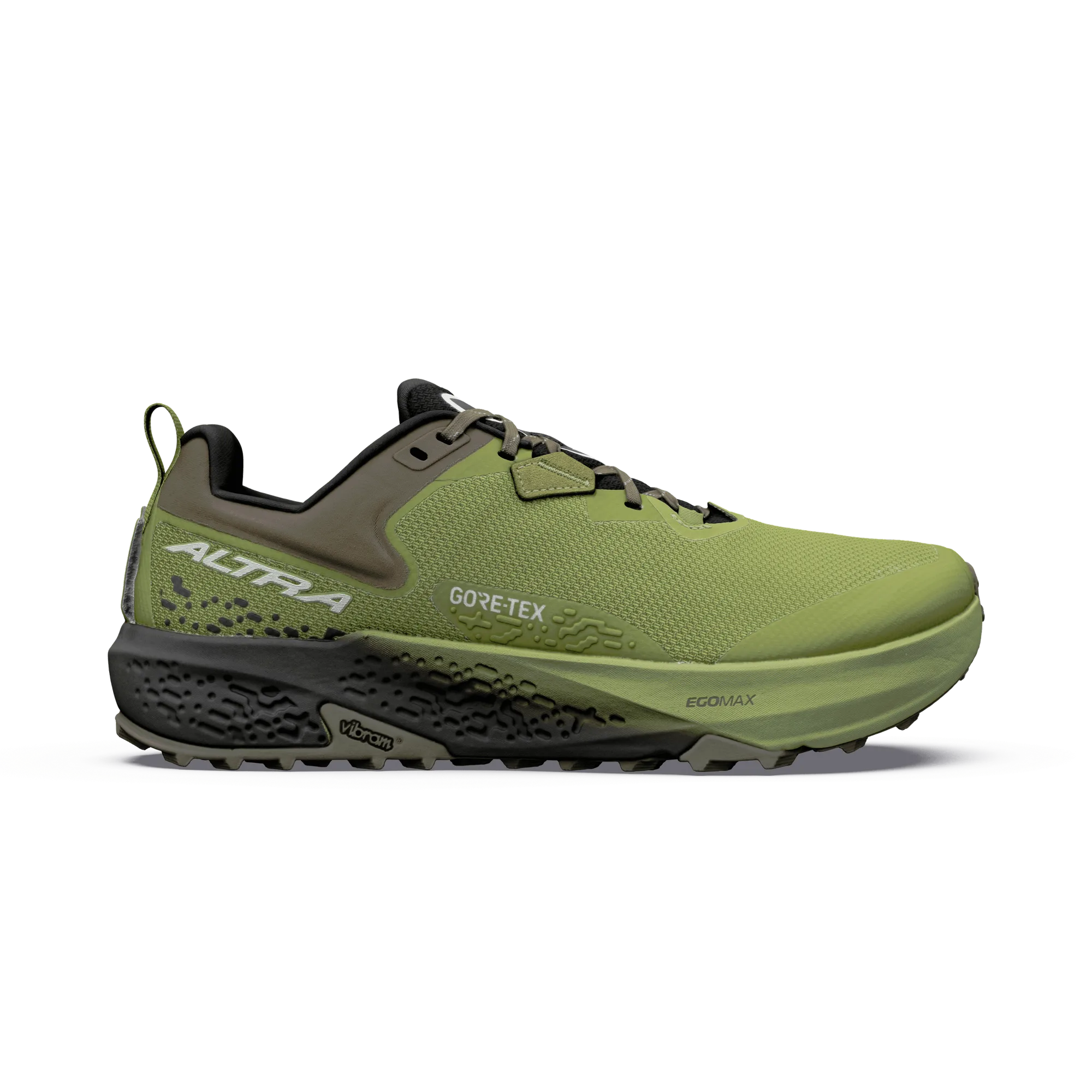
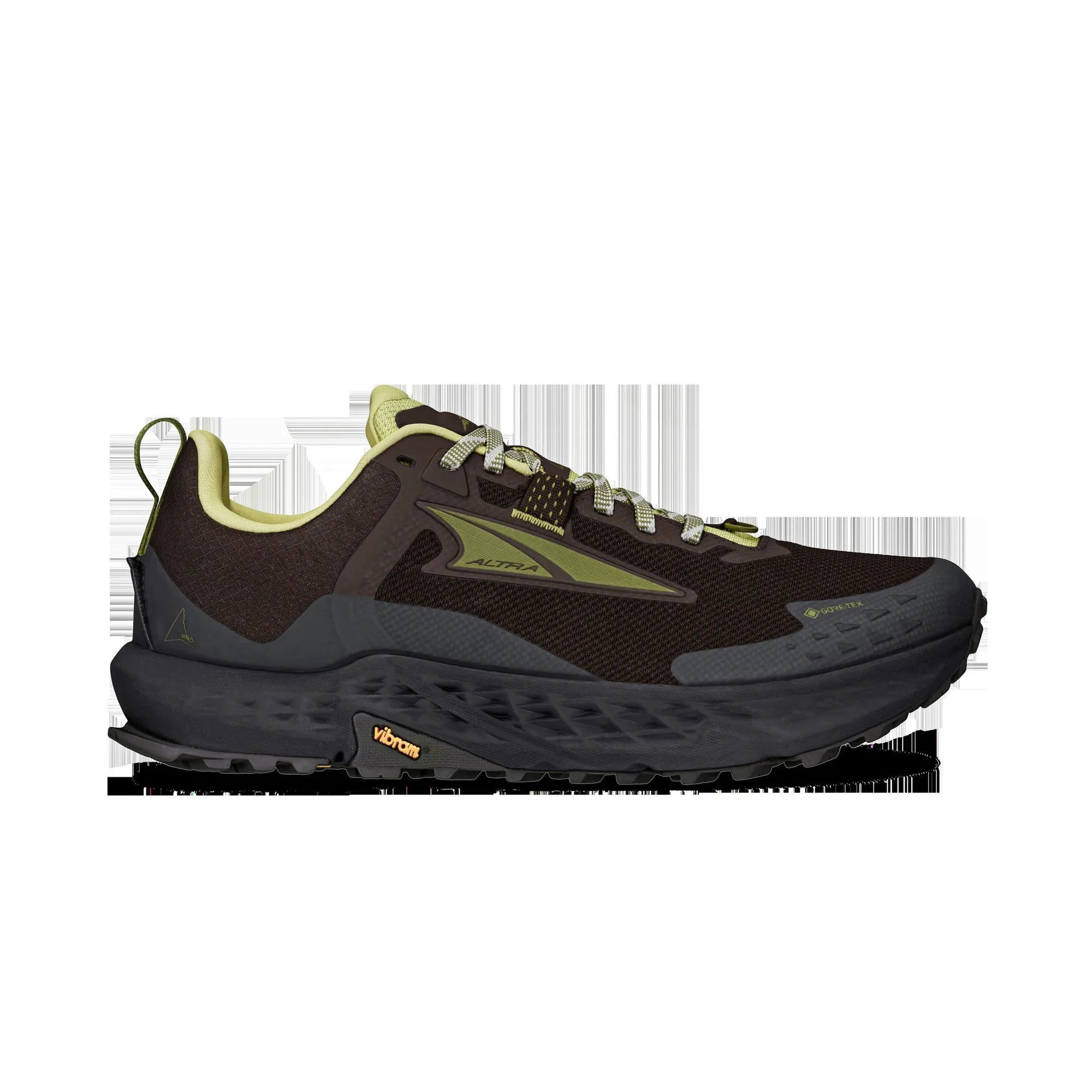
- If you run on wet, muddy trails: Choose a waterproof shoe like the Timp 6 GTX to keep feet dry. Pair with a quick-drying sock. A cap with a dark brim can reduce glare. Waterproof shoes are less breathable, so balance with sock choice.
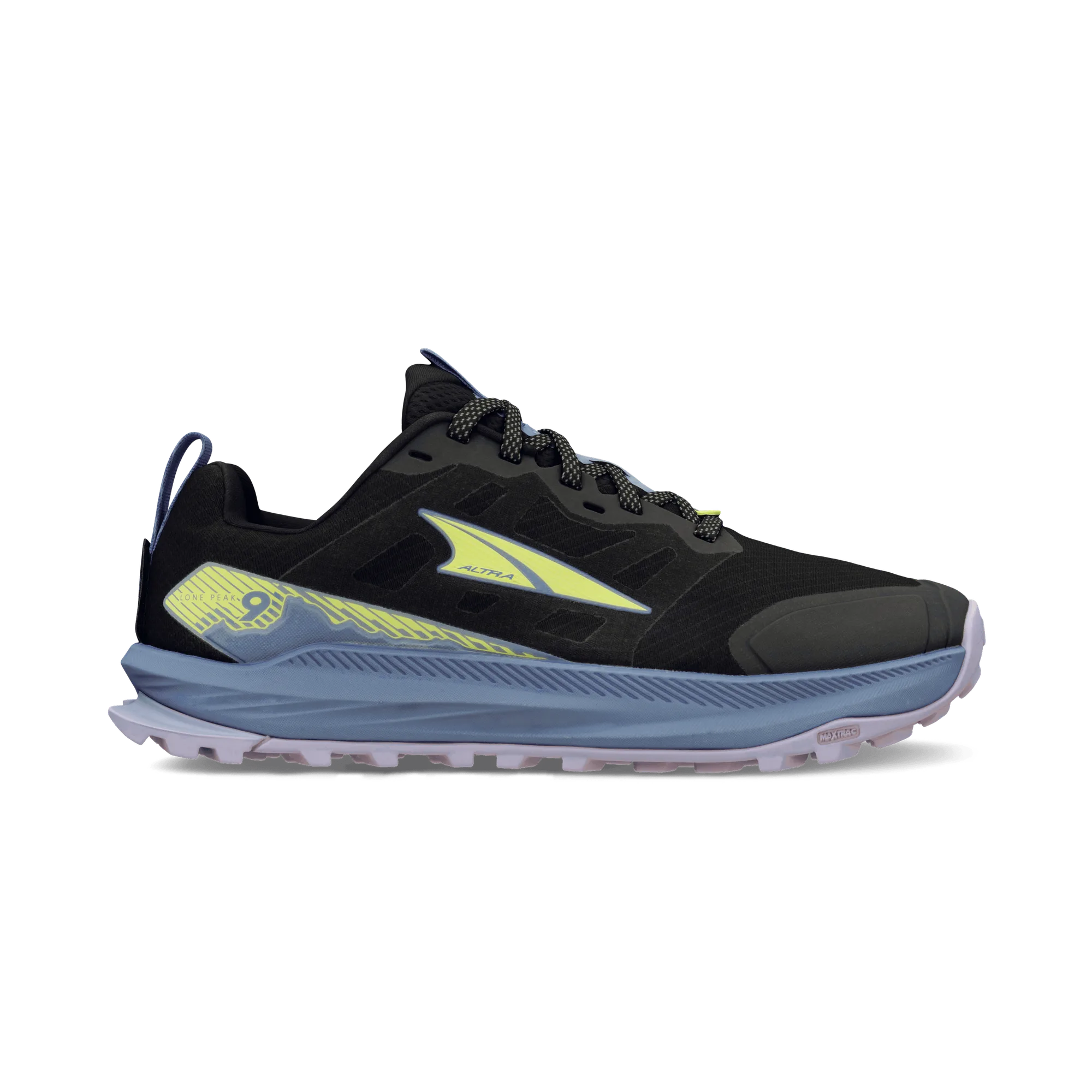
- If you have wide feet: Look for shoes with a FootShape toe box, like the Lone Peak 9, and socks that don't compress your toes. Some socks come in wide sizes; check the product options. A proper fit reduces friction and blisters.
Product facts
- Hike Light Cushion Crew Socks: Hike Light Cushion Crew socks are made with responsibly sourced, ZQ-certified Merino wool and recycled nylon, with updated mesh zones for breathability. Merino wool manages moisture and temperature, while mesh zones improve airflow—both help reduce the moisture and heat that contribute to blisters on long runs.
- Men's Timp 6 GTX: Men's Timp 6 GTX features a waterproof GORE-TEX Invisible Fit upper and a Vibram Megagrip outsole for traction on any terrain. A waterproof upper keeps feet dry in wet conditions, which is crucial for blister prevention on long trail runs. The grippy outsole adds confidence on uneven ground.
- Women's Lone Peak 9: Women's Lone Peak 9 has a 100% recycled ripstop mesh upper, no-sew overlays, and a revised midsole foam designed for high-mileage durability. A breathable mesh upper helps feet stay cool and dry, while durable construction supports long distances without breaking down.
Fit guidance
Best for
- Runners who get blisters on long trail runs
- Anyone looking for moisture-wicking socks and a sun-protective cap
- Trail runners who want gear that stays put and prevents distractions
Not for
- Runners who prefer minimal cushioning and no cap
- Those who need insulated, waterproof socks for extreme cold
- People who want a single sock for all conditions