Quick answer
For structured organization of cosmetics and small essentials, a train case is the better choice because it opens flat and keeps items upright. For carrying a day's worth of travel essentials hands-free, the Featherlight Backpack is more versatile. If you need one bag to do both, the backpack wins on capacity and comfort, but the train case wins on protected, compartmentalized storage.
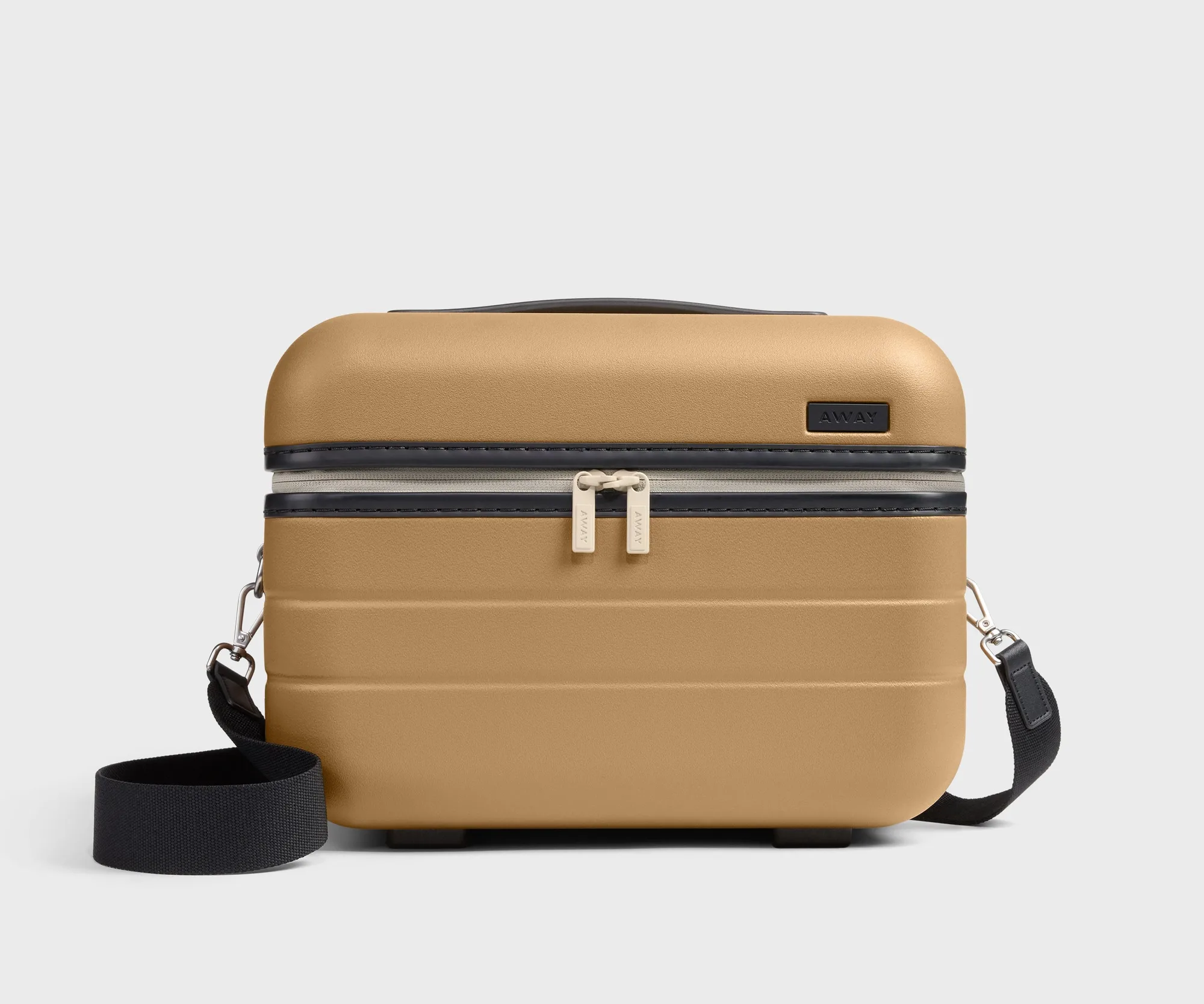
the train case
You are packing for a trip and staring at two very different bags: a classic train case and a lightweight backpack. They solve different problems, and picking the wrong one means either crushed cosmetics or a sore back. This comparison uses the actual design of each to help you decide.
A train case is a structured, often boxy bag that opens like a book to display its contents. The Featherlight Backpack is a soft, lightweight pack built to carry a day's worth of essentials on your back. Neither is universally better; the right pick depends on what you are carrying and how far.
What each bag is designed to do
A train case is built around access and protection. Its rigid walls and flat-opening lid keep bottles, brushes, and small tools standing upright so you can see everything at a glance. It is not meant to be worn on your back or stuffed into an overhead bin; it is meant to sit on a counter and organize your kit.
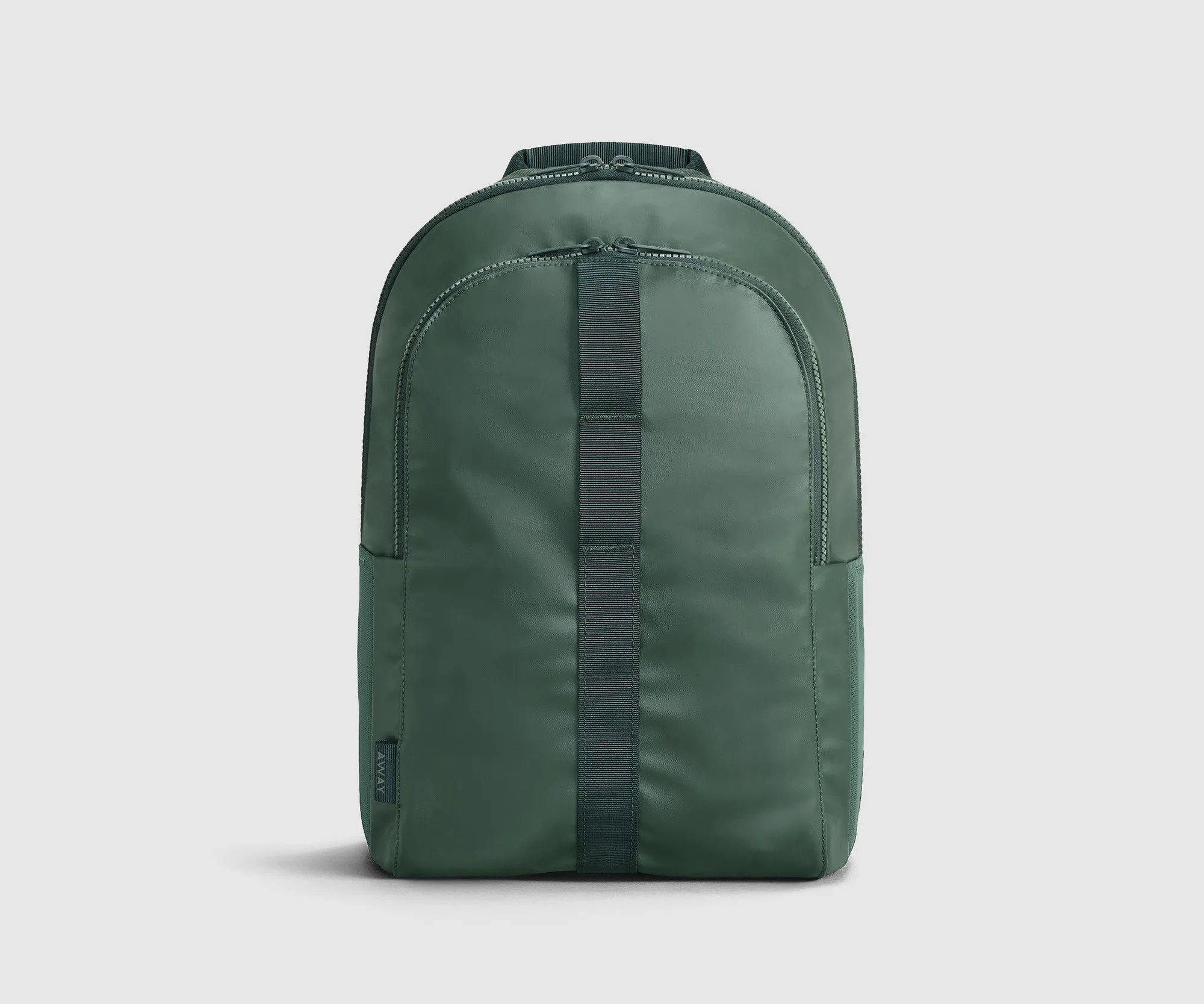
The Featherlight Backpack is built around movement. It is made from a lightweight, high-strength polyester and holds a day's worth of travel essentials, whether you are on an afternoon hike in a national park or exploring the outskirts of a new city. Two exterior water bottle pockets keep hydration on-hand, and an internal organization system securely stashes smaller items. It is designed to be carried, not displayed.
- If you need to see and reach everything without unpacking, a train case is easier.
- If you need your hands free while moving, a backpack is the practical choice.
Capacity and what fits
Train cases typically prioritize depth and compartmentalization over total volume. They hold cosmetics, toiletries, and small accessories in dedicated slots, but they rarely accommodate a laptop, a change of clothes, or a water bottle. Their capacity is vertical and shallow rather than wide and deep.
The Featherlight Backpack 26L is rated at 26 liters, which is enough for a day's worth of essentials plus a water bottle in each exterior pocket. It can hold a light layer, snacks, a small camera, and a notebook, but it is not a substitute for a suitcase on a multi-day trip. The 26L figure is a useful benchmark: it is a personal-item size, not a week-long packing solution.
- Use a train case for many small items; use a backpack for fewer, bulkier items.
- Check airline personal-item limits if you plan to bring the backpack on board.
Organization and access on the go
A train case wins on organization because its layout is fixed. You do not dig; you open and everything is visible. That makes it excellent for morning routines in a hotel bathroom or a shared hostel sink, where speed and cleanliness matter.
The Featherlight Backpack uses a thoughtful organization system to securely stash essentials inside, but access requires swinging the bag off your shoulder and unzipping. That is fine on a train platform or a trail, but it is slower than a flat-opening case. If you need frequent, quick access to small items, a train case or a crossbody pouch is more efficient.
- Pack the items you use most in the backpack's quickest-to-reach pocket.
- Keep liquids in a sealed pouch inside the train case to prevent leaks.
Durability, weight, and carrying comfort
Train cases are often heavier empty because of their structure, but that structure protects fragile contents. They are not designed for long carries; a handle is the norm. The Featherlight Backpack is made from lightweight, high-strength polyester, so it adds little weight and distributes load across both shoulders for comfort over distance.
The trade-off is protection. A soft backpack will not keep a glass bottle upright or prevent a compact from cracking if you drop it. A hard-sided train case will. If your essentials are fragile or spill-prone, the train case is the safer home.
- Weigh both bags empty before you commit if you have back or shoulder concerns.
- Use a padded pouch inside the backpack for anything breakable.
Trade-offs at a glance
- Structure vs. flexibility: A train case holds its shape and keeps items upright; the Featherlight Backpack collapses and conforms to your back. Choose structure for fragile or spill-prone items, flexibility for movement.
- Visibility vs. hands-free carry: A train case opens flat so you see everything; a backpack keeps your hands free but requires you to take it off to access contents. Decide which matters more: quick visibility or hands-free walking.
- Capacity type: Train cases prioritize many small compartments; the 26L backpack prioritizes a day's worth of larger essentials plus water bottles. Match the bag to the size and shape of what you carry most.
Product facts
- https://awaytravelenm.com/products/active-backpack-26l-forest-green-fd2b1d2d2dcb1636cb27ffd2-1800799Active Backpack 26L in: Made from a lightweight, high-strength polyester, this versatile backpack is loaded with design features that hold a day's worth of travel essentials, whether you're on an afternoon hike in a national park or exploring the outskirts of a new city. This is the backpack side of the comparison: it is built for movement and day use, not for structured cosmetic storage.
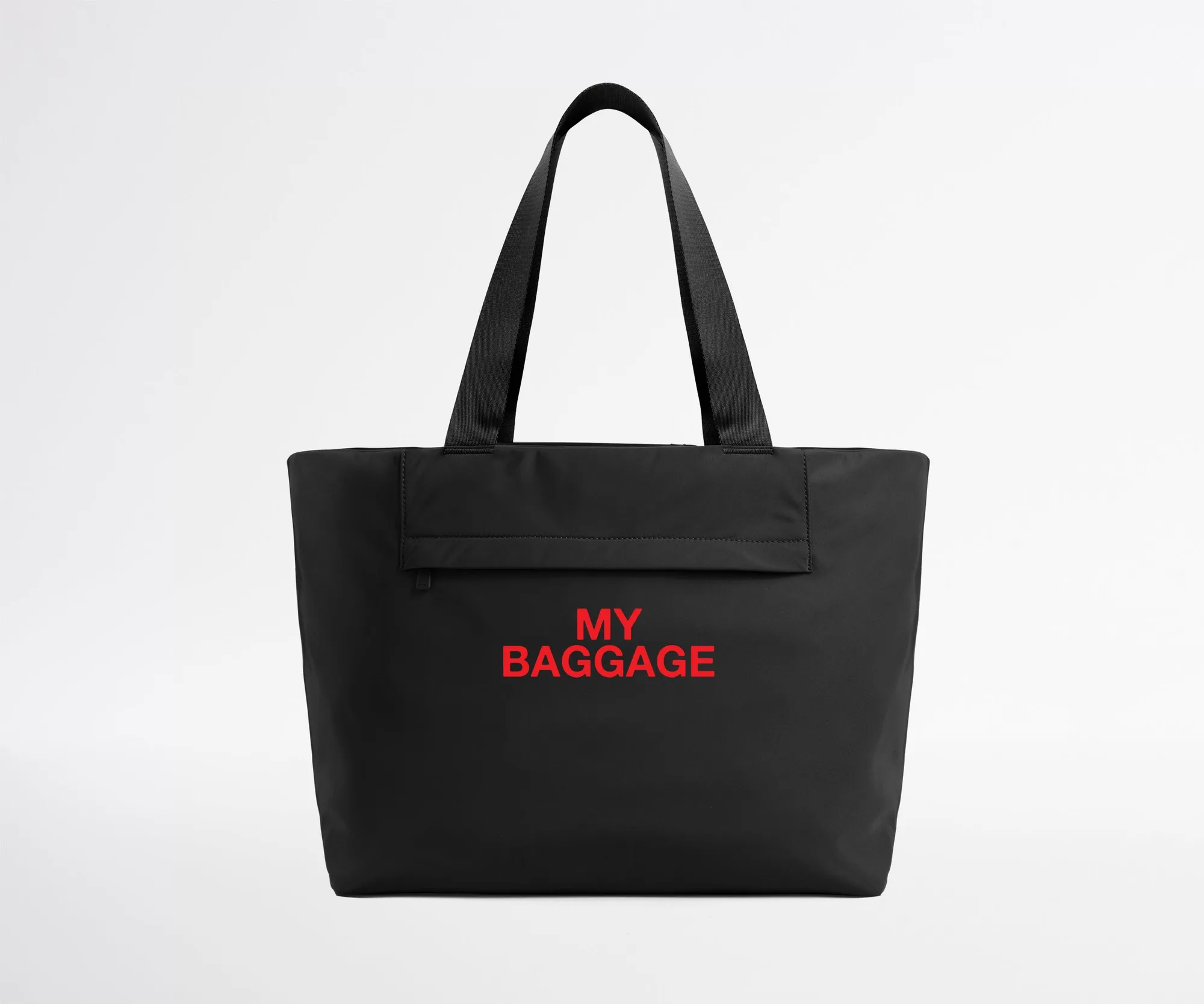
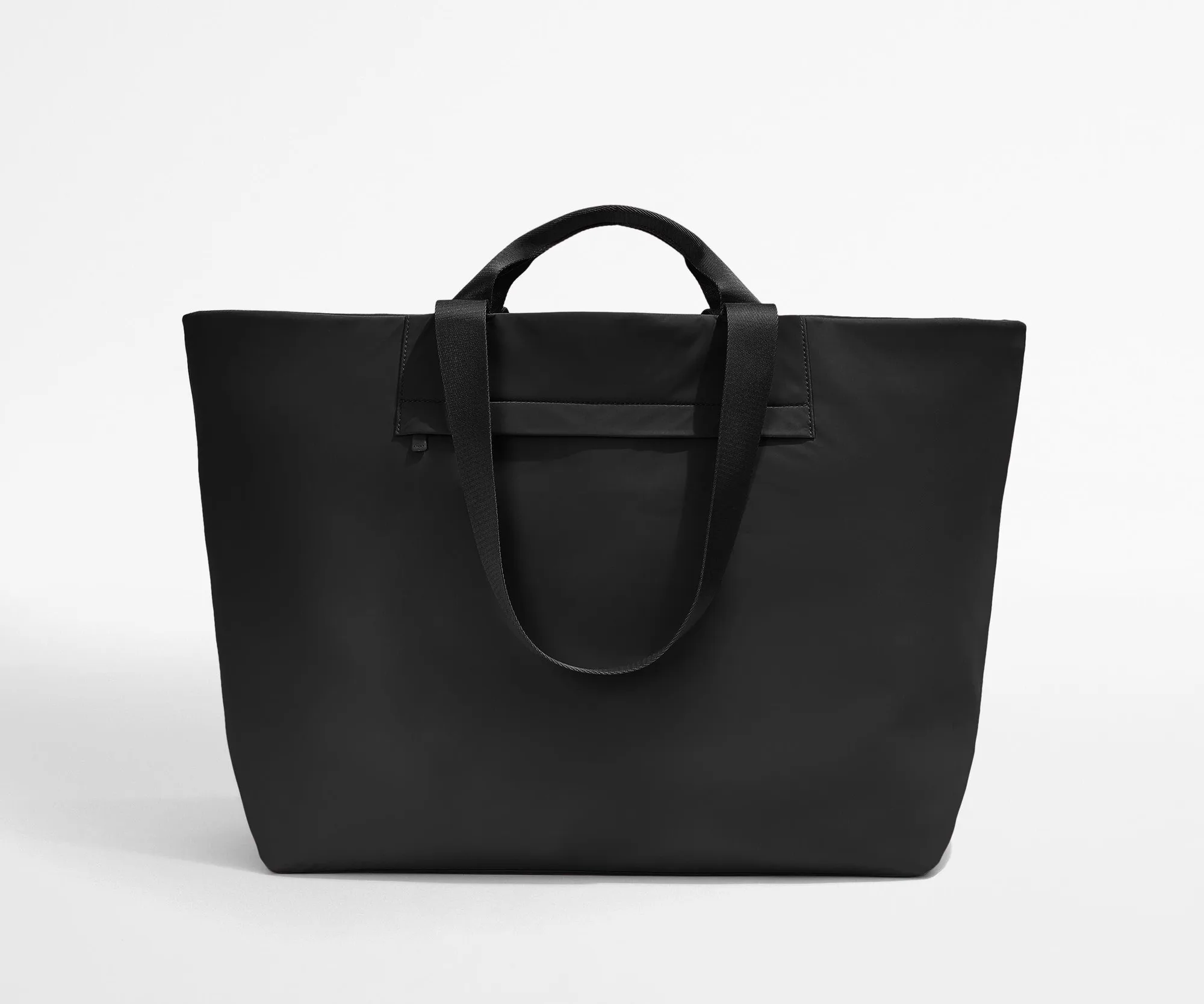
- Large Featherlight Tote: Designed to fit a lot, and with just enough support for anything you put inside, this large tote bag is highly organized and endlessly versatile. It includes a travel-ready pocket sized to fit your passport, a 16" laptop sleeve, and an extra zipper pocket for anything else you don't want floating around. If you want organization without a train case's rigid structure, this tote shows how a soft bag can still have dedicated compartments.
- Clear Cosmetic Case: No catalog description was supplied for this product. Because the description is absent, we cannot confirm its dimensions or compartments; treat it as a possible companion to a train case rather than a replacement.
Which should you choose?
Best for
- Travelers who carry cosmetics, toiletries, or small tools and want them upright and visible
- Hotel or hostel stays where you unpack once and use a counter
- Anyone who values protected, compartmentalized storage over carrying comfort
Not for
- Day hikes or city walks where you need both hands free
- Trips where you need to carry a laptop, water bottle, and a layer
- Anyone who wants one bag for both cosmetics and daily essentials
If your essentials are small, fragile, and used at a sink, a train case is the better organizer. If they are varied, carried all day, and need to move with you, the Featherlight Backpack is the more practical choice. Pick based on how you will use the bag, not on which looks more like luggage.