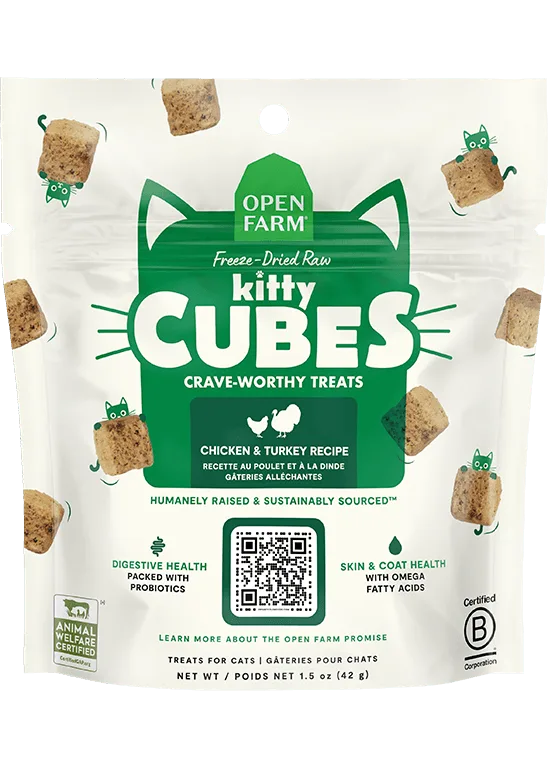
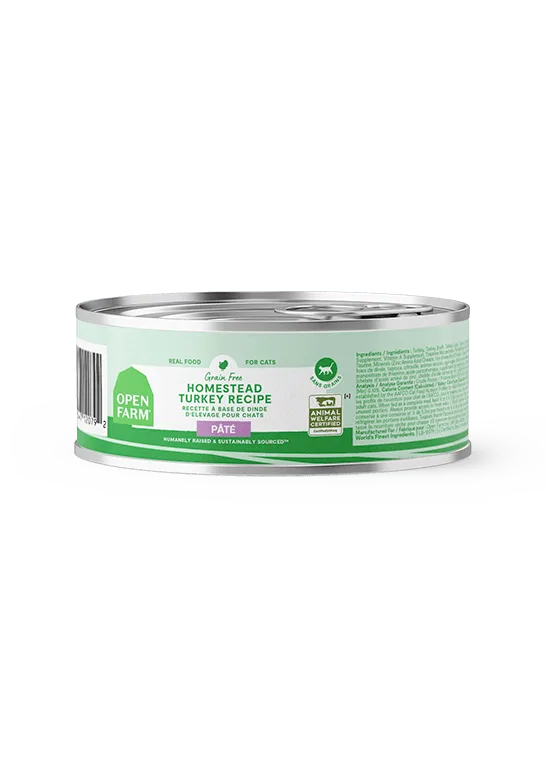
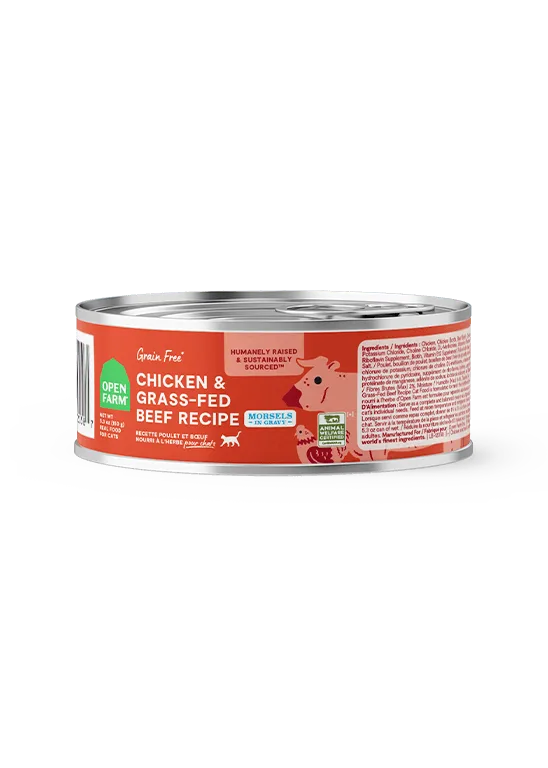
Switching your cat’s food can feel like a high-stakes experiment. One wrong move and you’re cleaning up a mess—or worse, dealing with a finicky feline who refuses to eat. But whether you’re moving from kibble to wet food, introducing a novel protein, or simply upgrading to a higher-quality brand, a gradual transition is the key to keeping your cat happy and healthy.
Cats have sensitive digestive systems. Their gut bacteria and enzyme production adapt to whatever they’ve been eating, so a sudden change can lead to vomiting, diarrhea, or loss of appetite. In this guide, we’ll walk through the proven 7-day transition method, the best food textures for sensitive stomachs, and how to recognize when your cat needs a slower approach. We’ll also highlight some gentle, nutrient-dense options like the Goodbowl Turkey & Salmon Freshly Crafted Roll for Dogs and Kind Earth Plant Pâté with Ancient Grains for Dogs that can make the switch smoother.
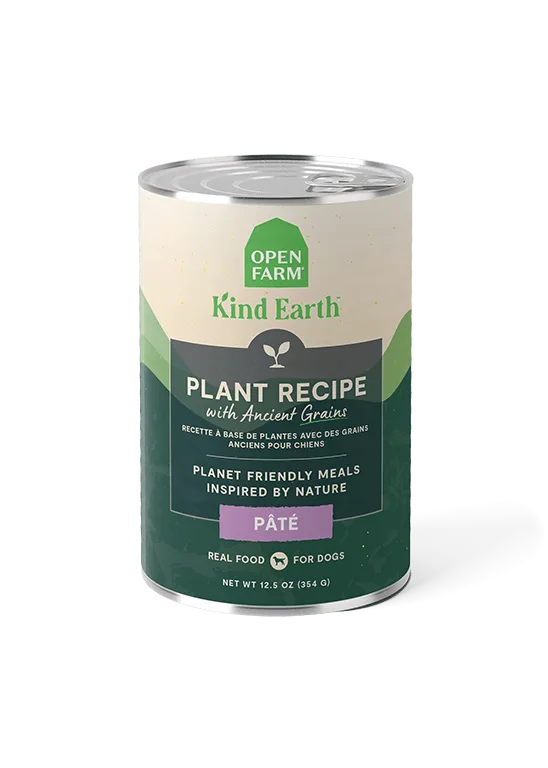
Kind Earth Plant Pâté with Ancient Grains for Dogs
Why Cats Get Digestive Upset from Food Changes
Unlike dogs, cats are obligate carnivores with a short, acidic digestive tract designed for processing meat. Their gut microbiome is less diverse and more specialized. When you suddenly introduce a new food—especially one with different protein sources, fat content, or fiber levels—the microbial community can’t adapt overnight. This imbalance often results in loose stools, gas, or vomiting.
Additionally, cats can develop a psychological aversion to a new food if the transition is rushed. A negative experience (like nausea) associated with a new smell or texture may cause them to refuse that food permanently. That’s why patience and a structured plan are essential.
- Start with a small amount of the new food mixed into the old one (roughly 25% new, 75% old) on days 1–2.
- Gradually increase the proportion of new food every 1–2 days, reaching 100% by day 7–10.
- If your cat shows signs of upset (soft stool, vomiting), pause at the current ratio for an extra day before increasing.
The 7-Day Transition Method: Step by Step
The standard recommendation is a 7-day transition, but sensitive cats may need up to 14 days. Here’s a simple schedule: Days 1–2: 75% old food + 25% new food. Days 3–4: 50% old + 50% new. Days 5–6: 25% old + 75% new. Day 7: 100% new food. Always mix thoroughly so your cat can’t pick around the new food.
If your cat is a picky eater, try warming the new food slightly (never microwave in plastic) to enhance aroma. You can also add a small amount of warm water to create a gravy. For cats transitioning from dry to wet food, consider starting with a pâté texture, which is closer to the consistency of kibble when mashed.
- Use a food scale to measure portions accurately—eyeballing can lead to inconsistent ratios.
- Keep a journal of stool quality and appetite to catch issues early.
- Offer the new food at room temperature to avoid shocking the digestive system.
Choosing the Right New Food for a Sensitive Stomach
Not all cat foods are created equal when it comes to transition ease. Look for recipes with a single novel protein (like turkey or salmon) and limited ingredients to reduce the risk of intolerance. Avoid foods with artificial colors, flavors, or excessive gums, which can be hard on digestion.
For cats with known sensitivities, a gently cooked or pâté-style food is often easier to digest than chunky shreds. The Goodbowl Turkey & Salmon Freshly Crafted Roll for Dogs is a great example—it’s made with humanely raised turkey and wild-caught salmon, both highly digestible proteins. While it’s formulated for dogs, many cat owners use it as a topper or treat due to its simple, whole-food ingredients. Always consult your vet before feeding dog-specific products to cats, but the concept of a limited-ingredient, gently cooked recipe applies to feline food choices too.
Another excellent option for cats is the Kind Earth Plant Pâté with Ancient Grains for Dogs. This plant-based pâté is crafted with oats, quinoa, and pumpkin—all gentle on the stomach. Again, it’s designed for dogs, but its soft texture and easily digestible grains make it a potential topper for cats who need a fiber boost during a food transition. For a cat-specific product, look for single-protein pâtés or mousses from trusted brands.
- Always check the guaranteed analysis: moderate fat (15–25% dry matter) and moderate fiber (3–5%) are gentle on the gut.
- Avoid foods with carrageenan or excessive guar gum, which can cause loose stools in sensitive cats.
- If your cat has a history of pancreatitis, choose a low-fat recipe (under 10% fat on a dry matter basis).
What to Do If Your Cat Refuses the New Food
Sometimes even a gradual transition isn’t enough. If your cat turns up their nose at the new food, try these strategies: First, mix in a small amount of a high-value topper like freeze-dried chicken or fish flakes. Second, offer the new food in a different bowl or location—cats can associate negative experiences with a specific dish. Third, use a slow transition with a longer timeline (up to 14 days) and smaller increments.
If your cat still refuses after two weeks, consider that the new food may simply not be palatable to them. In that case, try a different protein source or texture. For example, if you started with a turkey-based pâté, switch to a salmon-based morsel. Remember, cats are individuals, and what works for one may not work for another.
- Never starve your cat to force them to eat—this can lead to hepatic lipidosis (fatty liver disease).
- If your cat goes more than 24 hours without eating, consult your veterinarian immediately.
- Try offering the new food as a small treat before meal times to build positive associations.
Monitoring Your Cat During the Transition
Keep a close eye on your cat’s behavior and stool. Healthy stool should be firm, dark brown, and well-formed. Loose stool, mucus, or blood are red flags. Also watch for signs of discomfort like excessive grooming, hiding, or changes in vocalization. If you notice any of these, slow down the transition or return to the previous ratio.
Hydration is critical during a diet change, especially if your cat is prone to diarrhea. Ensure fresh water is always available, and consider adding a little warm water to the new food to increase moisture intake. If your cat has a history of urinary issues, consult your vet before making any dietary changes.
- Use a stool chart (like the Purina Fecal Scoring System) to track consistency daily.
- Weigh your cat once a week to ensure they’re maintaining a healthy weight.
- If you’re transitioning to a higher-protein food, your cat may drink more water—this is normal.
Transitioning your cat to a new food doesn’t have to be stressful. By taking it slow, choosing gentle recipes, and monitoring your cat’s response, you can set them up for long-term digestive health. For a smooth start, consider the Goodbowl Turkey & Salmon Freshly Crafted Roll for Dogs—its simple, whole-food ingredients make it an excellent choice for sensitive stomachs. Explore it today and give your cat the gift of a happy, healthy meal.