Quick answer
For most commuters, separate sunglasses win for driving because they provide consistent tint and glare control, while transition lenses excel for indoor-to-outdoor transitions and computer use. If you spend long hours driving in bright sun, carry dedicated sunglasses. If your day moves between office and street, a non-RX transitional lens like the LensAdvizor Non-RX Computer Transitional Clear/Gray Lens offers convenience. For night driving, a dedicated pair like Charlie Night is safer.
How transition lenses and separate sunglasses differ in practice
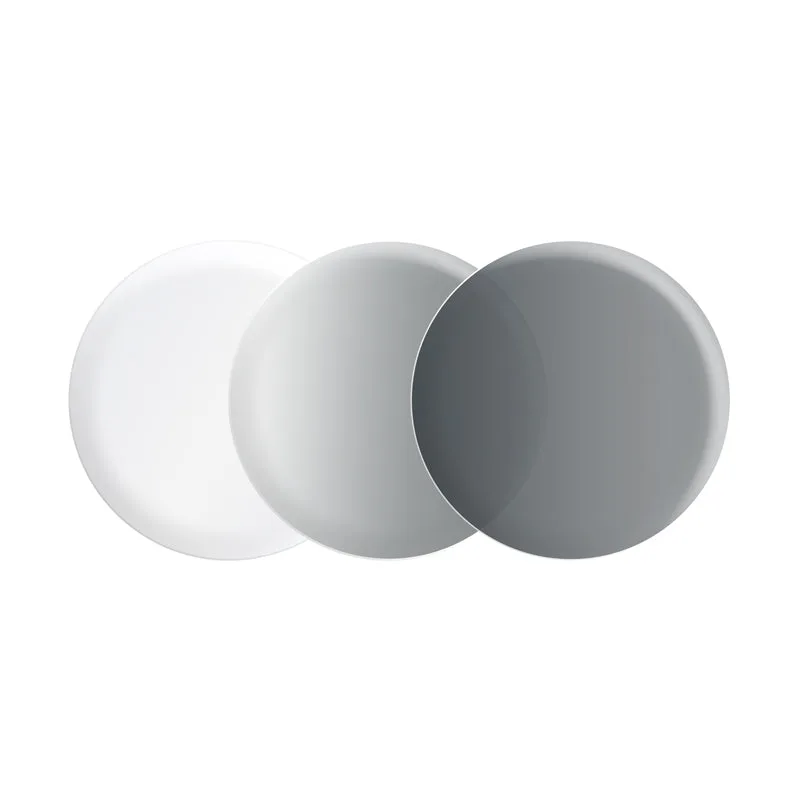
Transition lenses darken when exposed to UV light and lighten indoors. They are convenient because you wear one pair. However, in a car, windshield glass blocks most UV, so transition lenses may not darken fully while driving. Separate sunglasses provide a fixed tint that doesn't depend on UV, so they offer reliable glare reduction behind the wheel.
For commuters who split time between a computer screen and outdoor light, a non-RX transitional lens like the LensAdvizor Non-RX Computer Transitional Clear/Gray Lens can reduce the hassle of swapping glasses. But it's not a prescription lens and won't correct vision. If you need vision correction, you'd need prescription transitions or wear separate sunglasses over contacts.
Driving: why separate sunglasses often win
When you're driving, glare from the road, other cars, and the sky is constant. Separate sunglasses with a fixed tint, like the Freedom Sunglasses, provide immediate and consistent glare reduction. They don't rely on UV to activate, so they work even behind tinted windows. Transition lenses may darken partially, but the effect is inconsistent and can leave you squinting.
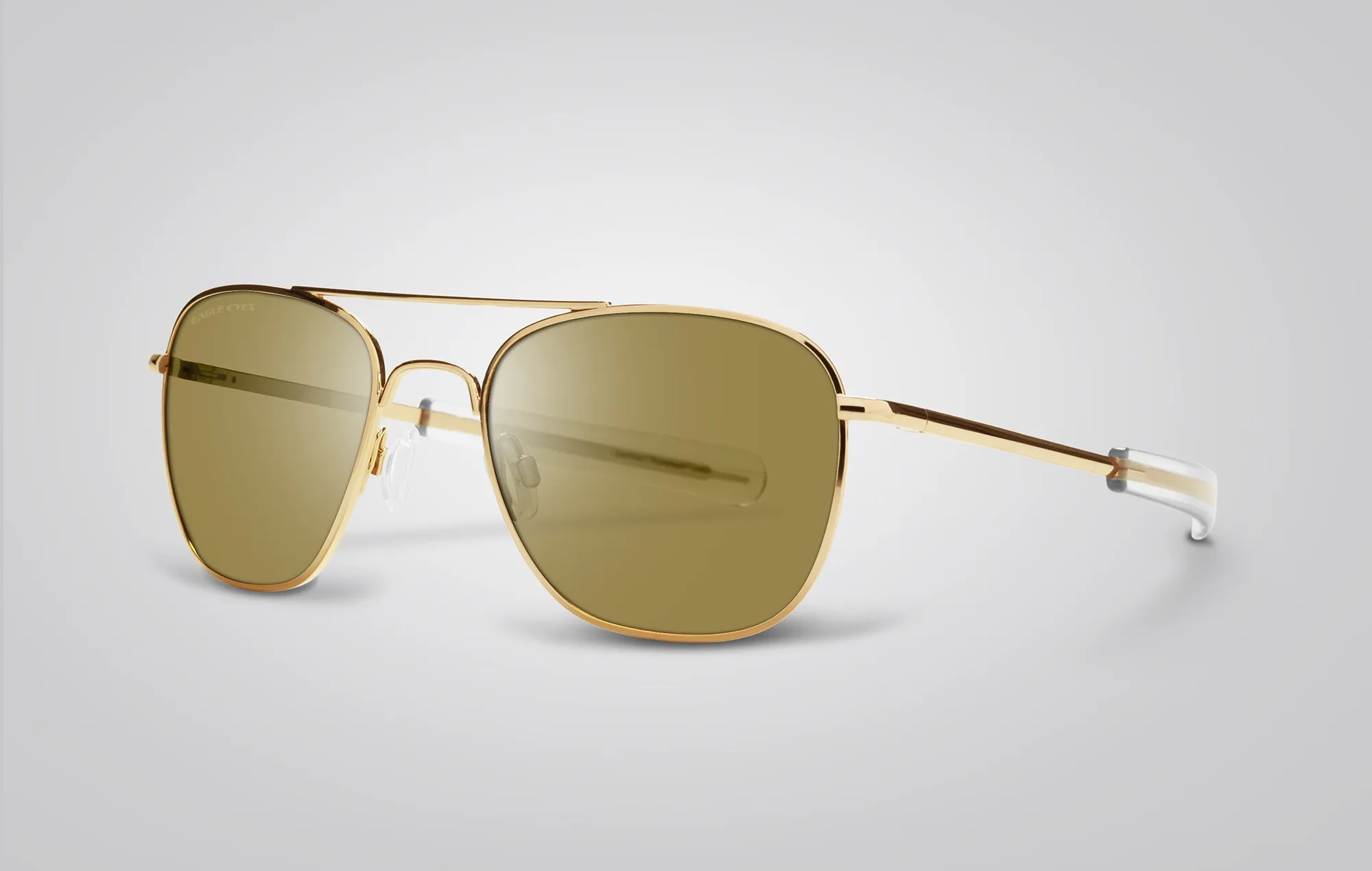
Freedom Sunglasses
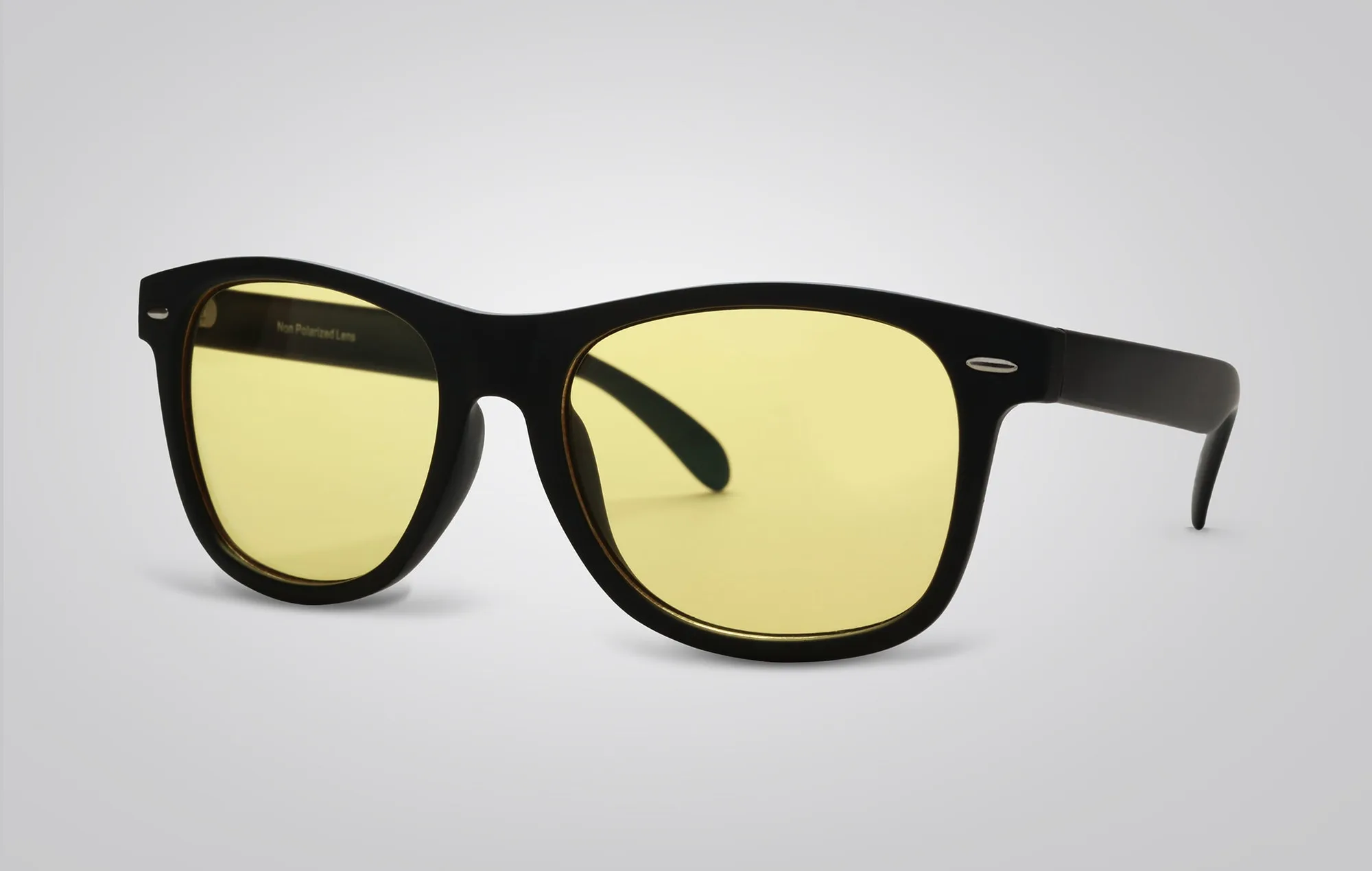
For night driving, neither transitions nor standard sunglasses are appropriate. A dedicated night-driving pair like Charlie Night uses non-polarized yellow lenses to sharpen vision and anti-reflective coating to cut glare from headlights. This is a specialized tool, not a replacement for daytime sunglasses.
Computer and indoor use: where transitions can help
If your commute includes long stretches at a computer, a transitional lens that stays clear indoors can be convenient. The LensAdvizor Non-RX Computer Transitional Clear/Gray Lens is designed for everyday computer viewing and shifts between clear and gray tones. It's not a prescription lens, so it won't correct vision, but it can reduce the need to swap glasses when you step outside.
However, for dedicated blue light blocking, a separate pair with clear lenses might be more comfortable. Transition lenses are a compromise: they darken outdoors but may not block as much blue light as a dedicated computer lens.
Fit and comfort for commuters
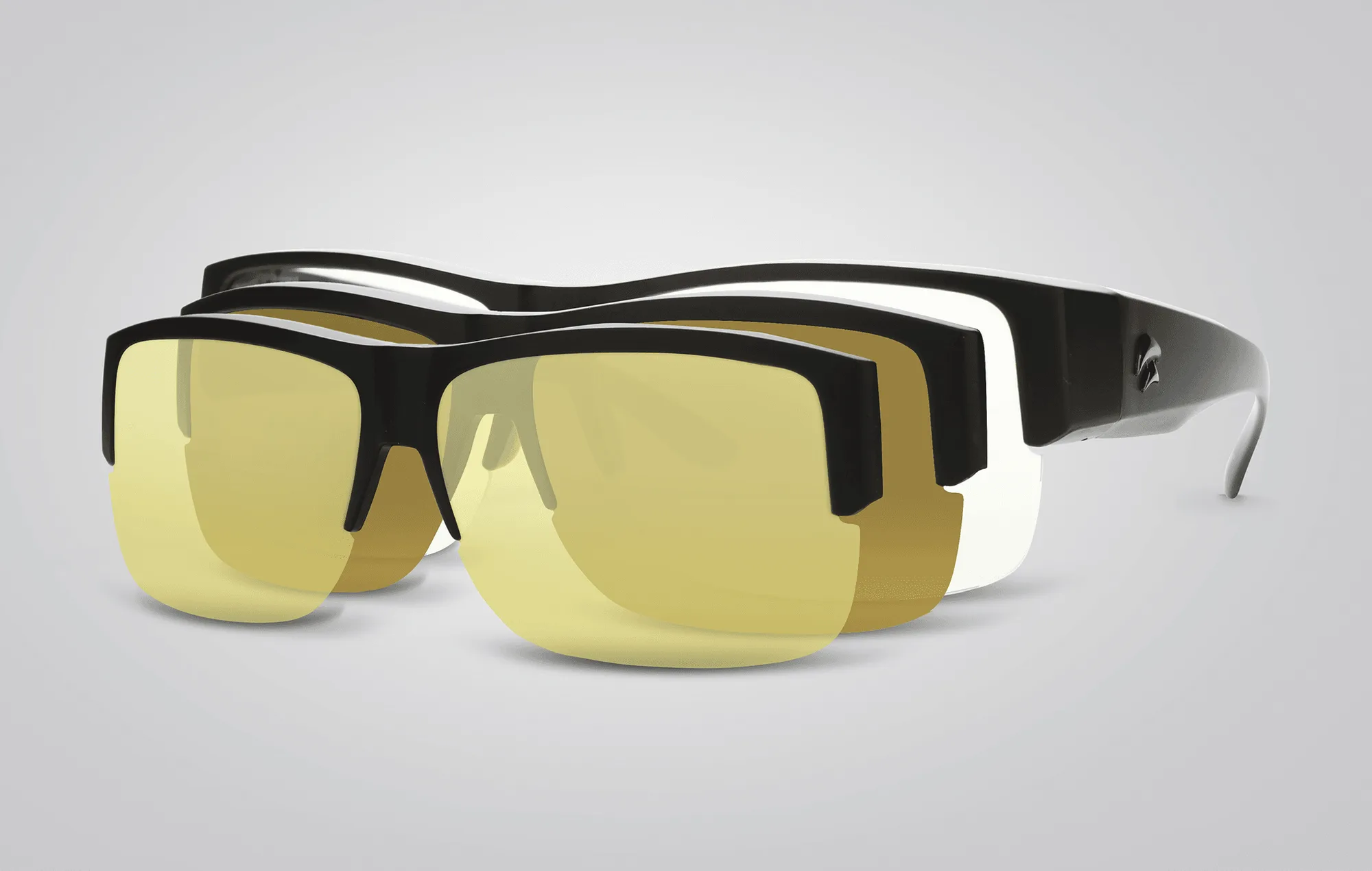
Fit matters as much as lens type. For separate sunglasses, look for frames that stay put during quick movements, like getting in and out of a car. The 3in1 FitOn system offers a base frame with interchangeable lenses, including clear, tinted, and night options, so you can adapt without carrying multiple pairs. It's designed to wear over prescription glasses, which is useful if you don't want prescription sunglasses.
For transition lenses, ensure the frame fits close to your face to maximize UV exposure when outdoors. If the frame sits too far away, the lenses may not darken fully. Also, consider the weight: you'll wear them all day, so lightweight materials like TR-90 (used in 3in1 FitOn) or stainless steel (used in Freedom Sunglasses) can improve comfort.
Trade-offs at a glance
- Convenience vs. driving performance: Transition lenses offer one-pair convenience but may not darken fully behind car glass. Separate sunglasses provide reliable tint for driving but require swapping. If you drive a lot in bright sun, choose separate sunglasses. If you're mostly indoors and outdoors briefly, transitions may suffice.
- Prescription needs: Non-RX transition lenses like the LensAdvizor Non-RX Computer Transitional Clear/Gray Lens don't correct vision. If you need correction, you'll need prescription transitions or a fit-over solution like 3in1 FitOn. Match the lens to your vision needs first.
- Night driving: Neither transition lenses nor standard sunglasses are safe for night driving. Charlie Night uses yellow lenses and anti-reflective coating to improve clarity and reduce glare. Keep a dedicated night pair if you commute after dark.
Product facts
- Non-RX Computer Transitional Clear/Gray Lens: Non-RX Computer Transitional Clear/Gray Lens from LensAdvizor is designed for everyday computer viewing. The transitional clear/gray lens description indicates a lens that shifts between clear and gray tones, and the non-RX designation means it is not a prescription lens. This lens suits commuters who need one pair for computer work and outdoor transitions, but it won't correct vision. If you need prescription correction, you'll need a different solution.
- 3in1 FitOn: The 3in1 FitOn system includes a base frame with DigiTec technology, clear micro-infused lenses that block blue light, and interchangeable lenses for UV, blue light, and low-light conditions. It's designed to wear over prescription glasses. For commuters who wear prescription glasses, this offers a versatile alternative to transition lenses, with the ability to swap lenses for day, night, or computer use without changing frames.
- Charlie Night: Charlie Night combines retro-inspired club style with Night-Lite technology. The micro-infused, non-polarized yellow lenses sharpen vision at night, and the anti-reflective coating blocks glare from headlights and other sources. If your commute includes night driving, these glasses provide a specialized solution that transition lenses or standard sunglasses cannot match. They are not a substitute for daytime sun protection.
Which setup fits your commute?
Best for
- Commuters who need one pair for computer work and quick outdoor trips
- Those who don't require prescription correction and want convenience
- People who dislike carrying multiple pairs
Not for
- Drivers who face intense sun and need consistent glare reduction
- People who need vision correction (unless using fit-over styles)
- Night drivers who need specialized glare reduction