Quick answer
Buy travel organizers in this order: a packing cube set for clothes, one small pouch for cables and toiletries, and a compact crossbody or waistpack you can wear hands-free. Skip anything that duplicates a compartment your bag already has. The goal is fewer loose items, not more gear, so each accessory should either compress, separate, or carry something on its own.
Most travel accessories fail for the same reason: they add bulk without removing a problem. A packing cube earns its place when it compresses clothes and keeps them from exploding across a suitcase. A pouch earns its place when it stops a charger from tangling with a toothbrush. Anything else is weight you carry for no reason.
This guide walks through the categories worth buying, the trade-offs between soft and structured organizers, and how to match accessories to the bag you already own. It also covers when a small bag like a waistpack or mini crossbody replaces an organizer entirely, and when it just becomes one more thing to pack.
Start With the Job, Not the Accessory
Before buying anything, list the three moments that annoy you most on a trip: digging for a charger, repacking a messy suitcase, or holding a bag when you need both hands. Each complaint points to one accessory type. Charger chaos calls for a small zippered pouch. Suitcase chaos calls for packing cubes. Hands-full moments call for a wearable bag such as a waistpack or mini crossbody.
This matters because travel organizers are sold in sets, and sets encourage overbuying. A five-piece cube set is useful if you pack for a family or a long trip. For a weekend in one carry-on, two cubes and one pouch usually do the same job with less weight. Buy for your typical trip, not your most ambitious one.
- Write down your three biggest packing frustrations before you shop.
- Match one accessory to each frustration, then stop.
- If a set includes pieces you will not use, price the individual items instead.
Packing Cubes and Travel Organizers: What Actually Helps
Packing cubes work by grouping clothes into blocks you can lift in and out without unpacking the whole bag. Soft cubes compress slightly and conform to odd spaces; structured cubes hold their shape and stack more predictably. If you roll clothes, soft cubes are usually enough. If you fold flat and layer, structured cubes keep the stack from collapsing.
Travel organizers for cables, toiletries, and documents follow the same logic at a smaller scale. The useful ones have a zipper, not just an open top, and a size that fits a real pocket in your bag. A pouch that is slightly too big will not close, and one that is too small becomes a loose item you lose track of.
One honest limitation: catalog listings rarely state exact cube dimensions, so measure your bag's main compartment before ordering and compare against the dimensions listed on the product page. If a measurement is missing, treat that as a reason to check the product page directly rather than guess.
- Choose soft cubes for rolled clothes and tight spaces.
- Choose structured cubes for folded layers and easy stacking.
- Pick organizers with a zipper closure and a size that matches a pocket you actually have.
When a Wearable Bag Beats an Organizer
Sometimes the best travel organizer is not inside your luggage at all. A compact crossbody or waistpack keeps passport, phone, and cards on your body, which means you stop repacking a day bag every morning. This is the category where the smallest items do the most work, because they replace a tote or backpack you would otherwise carry all day.
The trade-off is capacity. A mini bag holds essentials and little else, so it complements a carry-on rather than replacing one. If you need to carry a laptop or a change of clothes during the day, a packable backpack or a 2-in-1 travel bag is the better call. Match the wearable to the longest stretch of your day, not to the flight.
- Use a waistpack or mini crossbody for documents and daily essentials.
- Size up to a backpack or 2-in-1 bag if your day includes a laptop or layers.
- Keep the wearable bag empty in transit so it packs flat.
Luggage Accessories Worth Adding to a Wheeled Bag
If you travel with wheeled luggage, the accessories that matter most are the ones that work with the bag rather than against it. A trolley strap lets a duffle or backpack ride on top of a suitcase handle instead of pulling on your shoulder. That single feature often replaces a separate rolling bag for short trips.
For the suitcase itself, prioritize what is built in over what you add. A hardshell with two zippered compartments and a built-in TSA lock removes the need for packing cubes on some trips and removes the need for a separate lock entirely. Scratch-resistant and water-resistant shells also reduce the urge to buy a cover you will lose.
- Look for a trolley strap on any second bag you plan to stack on a suitcase.
- Prefer built-in locks and compartments over add-on accessories.
- Check whether the shell is described as scratch-resistant and water-resistant before buying a cover.
Decision Rules for Buying Travel Accessories
- Rule 1: One accessory, one job: If you cannot name the specific problem an accessory solves, do not buy it. A cube separates clothes, a pouch contains small items, a wearable bag frees your hands. Checkpoint: can you describe the problem in one sentence? If not, skip it.
- Rule 2: Match the accessory to your bag's existing pockets: Measure the main compartment and any internal pockets before choosing cube and pouch sizes. Organizers that do not fit a real pocket become loose clutter. Checkpoint: does it fit a compartment you already have?
- Rule 3: Prefer built-in features over add-ons: A suitcase with a built-in TSA lock and two zippered compartments replaces a separate lock and some packing cubes. A bag with a trolley strap replaces a second rolling bag. Checkpoint: does the bag already do this job without an extra purchase?
- Rule 4: Choose wearable capacity by your longest day, not your flight: A waistpack or mini crossbody covers documents and daily essentials. If your day includes a laptop or layers, size up to a backpack or 2-in-1 travel bag. Checkpoint: what is the largest thing you carry during the day?
- Rule 5: Buy for your typical trip: A large cube set suits family travel and long stays. For a weekend in one carry-on, two cubes and one pouch usually do the same job with less weight. Checkpoint: will you use at least most of what is in the set?
Product Facts That Inform the Choice
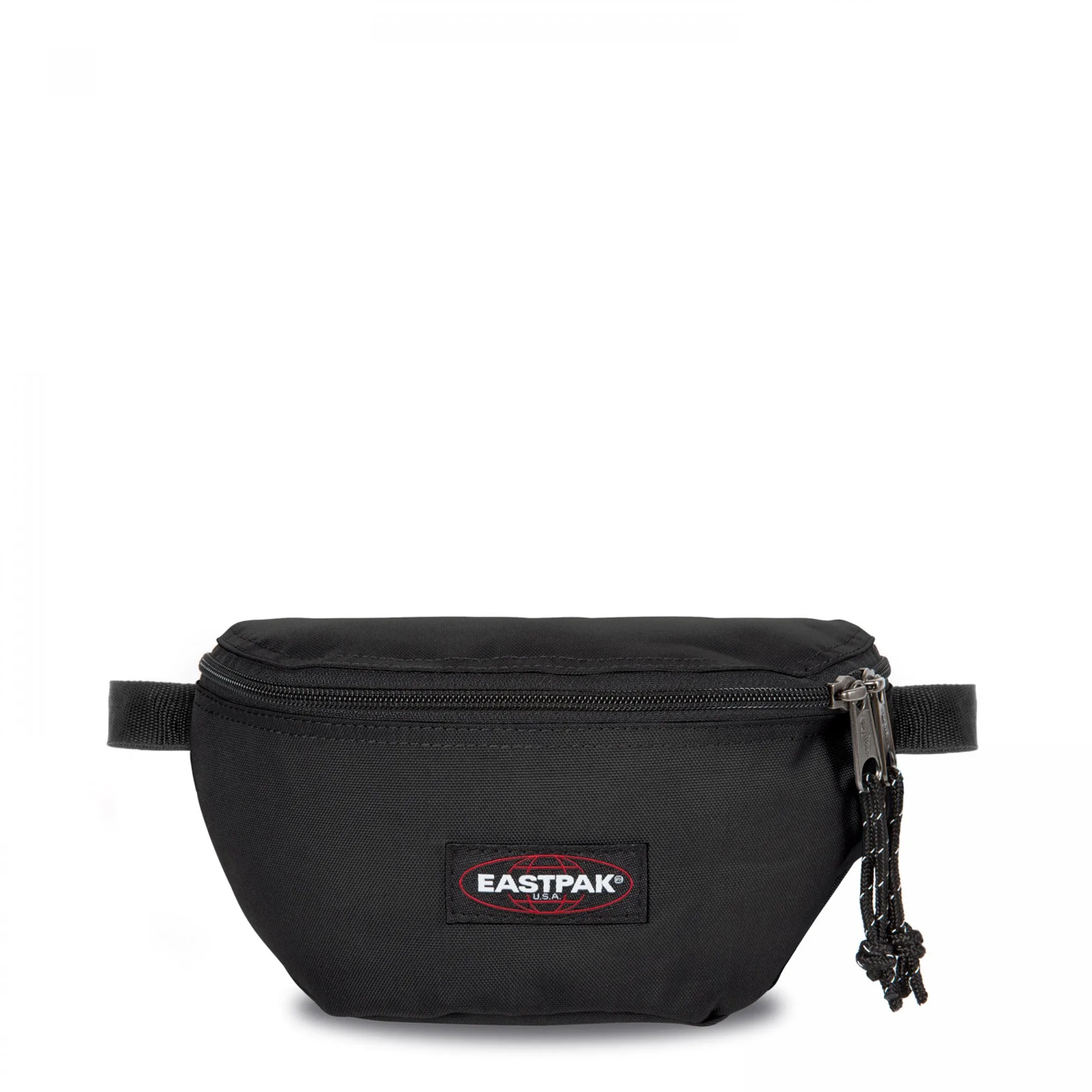
- SPRINGER BLACK: Compact bumbag with a water repellent finish, a zippered main compartment, an adjustable belt for wearing around the waist or across the body, and drawcord pullers for easy opening and closing. This is the hands-free option for documents, phone, and cards, and the adjustable belt lets you switch between waist and crossbody carry without a second bag.
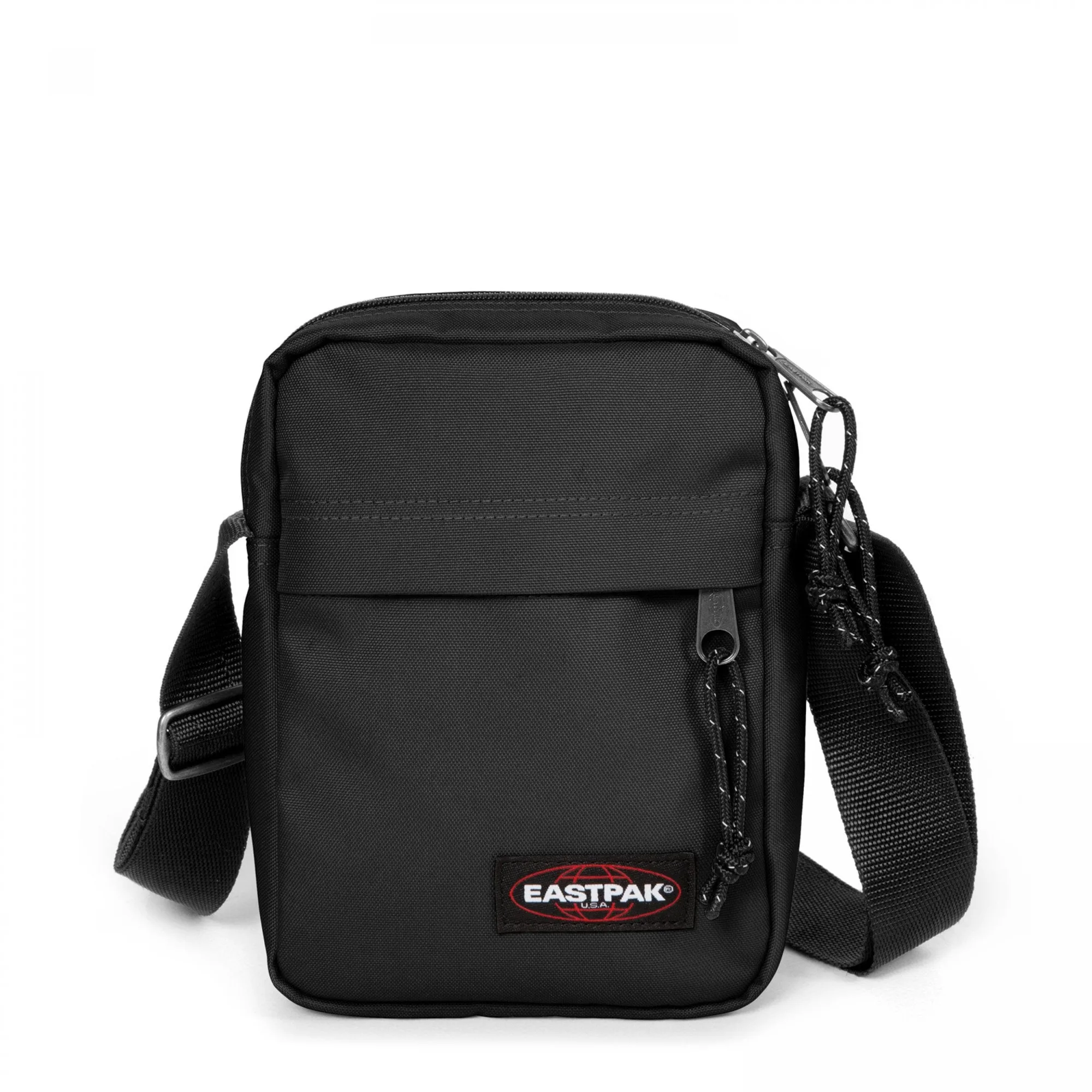
- THE ONE BLACK: Compact crossbody bag with an adjustable shoulder strap, an interior zippered pocket for organizing small items, and water repellent fabric that protects belongings from light rain. The interior zippered pocket keeps small items from mixing with your phone, which is the main failure point of a simple day bag.
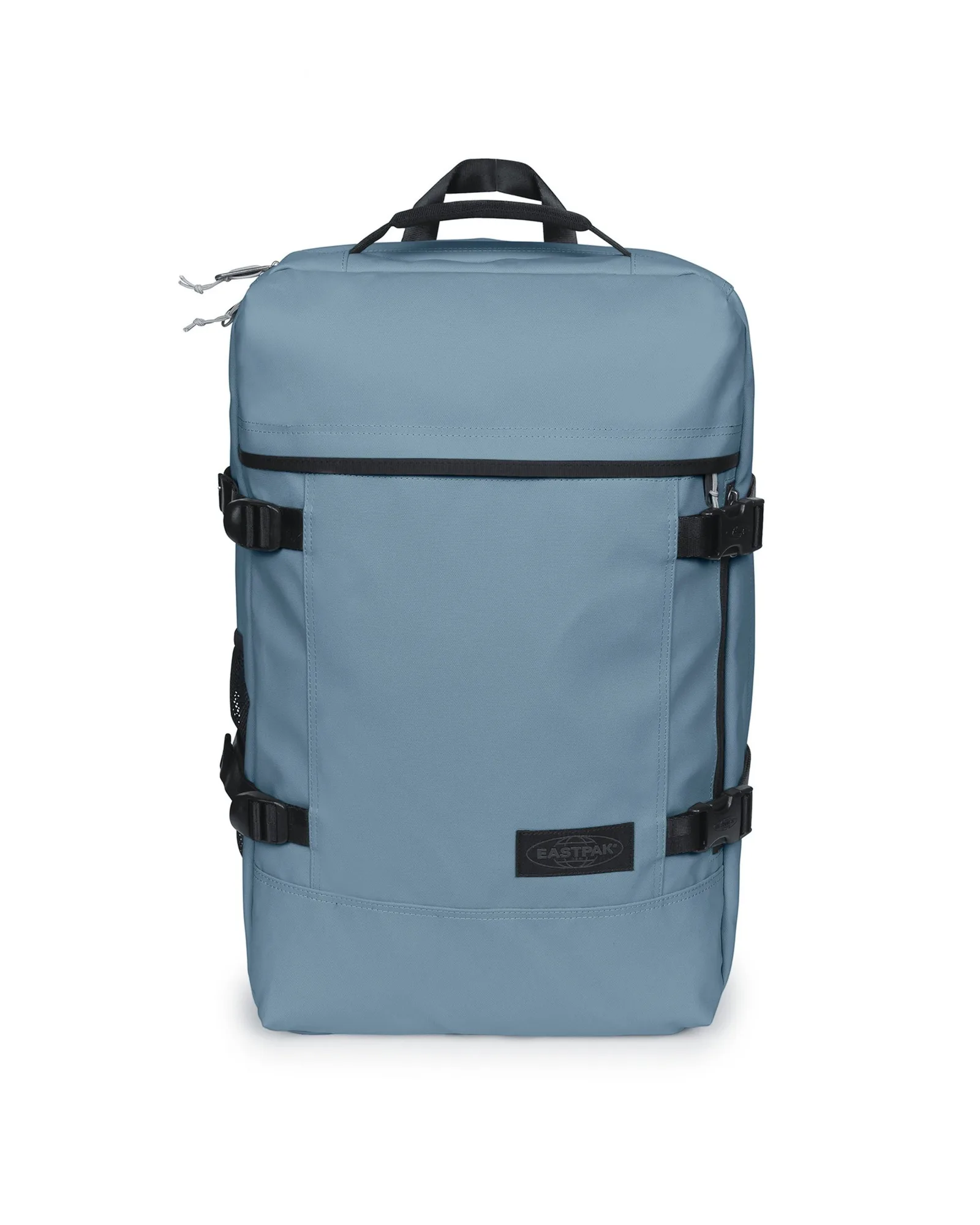
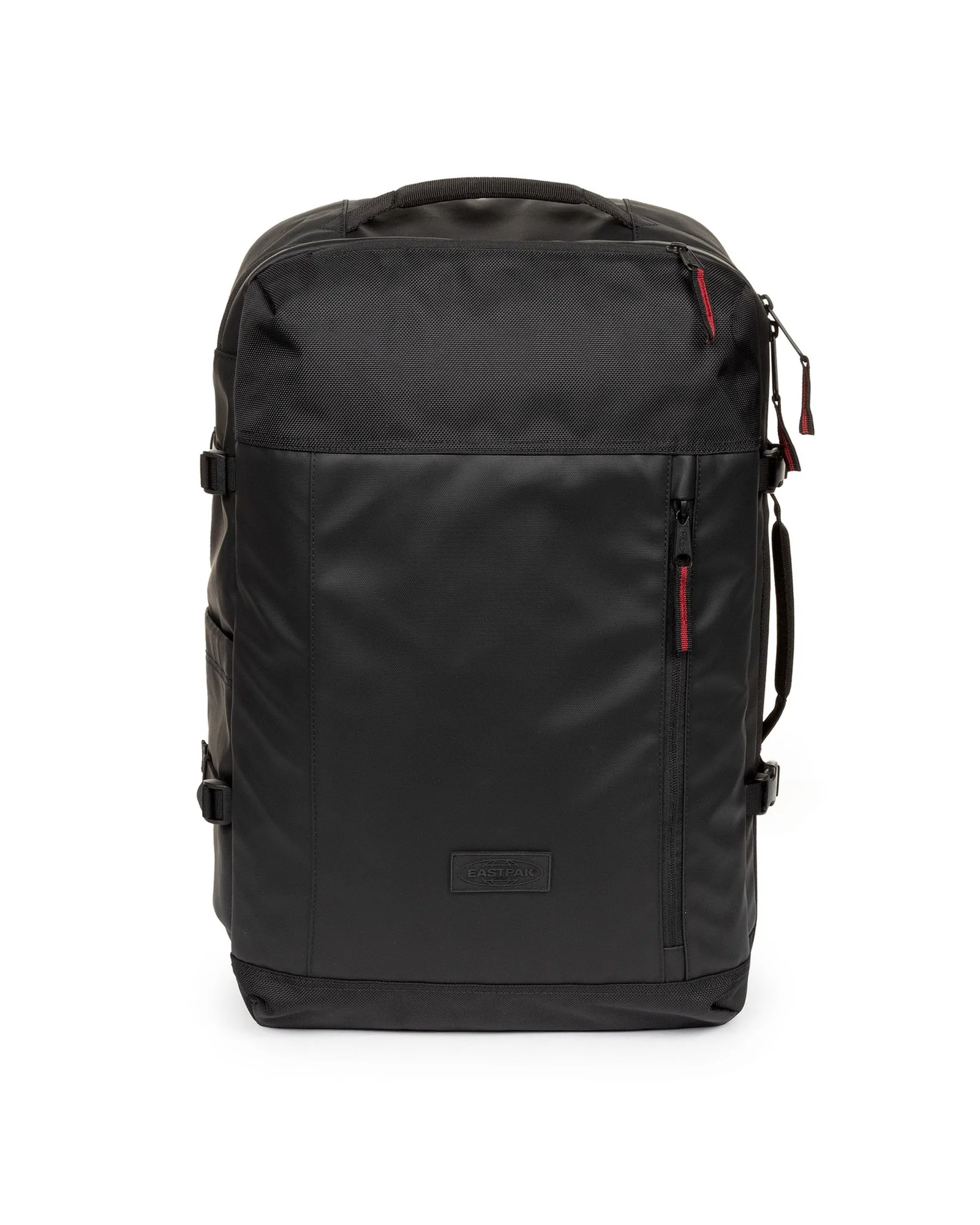
- TRAVELPACK TARP DUST BLUE: 2-in-1 travel bag that can be carried as a backpack or duffle bag, with two main compartments, a zippered front pocket, tuck-away padded shoulder straps, tuck-away carry handles, a padded laptop sleeve for devices up to 17 inches, and cabin size for most major airlines. This replaces both a daypack and a duffle on shorter trips, and the tuck-away straps keep it from snagging when you carry it by the handles.
- CNNCT TRAVELPACK CNNCT TOP BLACK: Versatile duffle bag with a dedicated laptop sleeve for devices up to 16 inches, a side water bottle holder, water repellent fabric, a trolley strap for easy transport, and carry-on sizing. The trolley strap is the specific feature that lets this bag ride on a suitcase handle instead of adding a second rolling bag.
Who This Approach Fits
Best for
- Travelers who pack the same carry-on repeatedly and want a repeatable system
- Commuters and short-trip travelers who need hands-free carry for documents and phone
- Anyone stacking a second bag on wheeled luggage and wanting a trolley strap rather than a second rolling bag
Not for
- Travelers who prefer to unpack completely at the destination and live out of drawers
- Long-haul travelers who need a large checked suitcase with maximum capacity rather than compact organizers
- Anyone who wants a single bag for both a laptop and several days of clothing without checking a bag
Buy fewer travel accessories and choose them for specific jobs: cubes for clothes, a zippered pouch for small items, and a wearable bag for hands-free days. Check the built-in features on your luggage first, because a TSA lock, two compartments, or a trolley strap often removes the need for an add-on entirely.