Quick answer
A wash bag holds toiletries and anything that can leak, while a travel pouch holds dry, flat or loose items such as cables, chargers, passports, jewellery or a spare shirt. If you only carry one, pick the wash bag when toiletries are the problem and the travel pouch when small loose items are the problem. Most travellers end up carrying both because they keep wet and dry categories apart.
A travel pouch and a wash bag look similar in a product photo, which is why so many people buy one and then use it for the wrong job. The difference is not size or colour. It is what the bag is designed to contain, and that changes where it lives in your suitcase.
This comparison looks at the toiletry bag vs travel pouch question using real product details, then gives you a simple rule for deciding what goes where. If you already own one of them, the second half will help you get more out of it before you buy anything else.
What a wash bag is actually for
A wash bag is the home for toiletries: toothbrush, toothpaste, deodorant, razor, skincare, and anything else that comes out in a bathroom. The job is containment. Liquids, gels and creams can leak under cabin pressure or after a rough baggage-handling ride, so a wash bag needs to keep that mess away from clothes and electronics.
That is why wash bags tend to be lined, wipe-clean and shaped to stand open on a hotel shelf. When you are choosing one, look at the interior first. A wash bag with a flat main compartment and no internal separation forces you to dig for a toothbrush at 6am. One with a few zones or a hanging hook is easier to live with on a short trip.
- Pack liquids in a separate clear pouch inside the wash bag if you are flying carry-on, so security screening is quick.
- Put the wash bag at the top of your suitcase or in an outer pocket, not under your clothes.
What a travel pouch is actually for
A travel pouch is a dry-goods organiser. Common travel pouch uses include cables and chargers, passport and boarding pass, jewellery, coins, a spare phone battery, or a clean shirt folded flat. It is usually slimmer than a wash bag because it does not need to survive a shampoo spill.
The best travel pouches have a flat profile and a smooth zip so they slide into a backpack laptop sleeve or the front pocket of an overnight bag. Because they hold dry items, they can live next to your tech without risk. Keep that boundary firm: once a pouch has held a damp swimsuit or a leaking sunscreen, it stops being a safe place for a passport.
- Use one pouch per category, not one pouch for everything, so you can pull out only what you need.
- Label or colour-code pouches if you travel with family and share a suitcase.
The toiletry bag vs travel pouch decision in practice
Start with the leak question. If an item can leak, spill, smear or stay damp, it belongs in the wash bag. If it is dry, flat and clean, it belongs in a travel pouch. That single test resolves most packing arguments and stops a wet toothbrush from ending up next to your charging cable.
Then think about access. A wash bag gets opened in the bathroom, often twice a day. A travel pouch gets opened in transit, at a seat, or in a hotel room while you look for a charger. Put each one where you will actually reach for it: wash bag near the top of the case, pouch in your personal item or day bag.
- If you are travelling with only a carry-on, the wash bag is usually the bulkier item, so choose a compact one.
- If you are checking a bag, a pouch can stay in your personal item so valuables never leave your side.
How to organise both without overpacking
Toiletry bag organization works best when you decant. Full-size bottles waste space and weight, and they are the most likely thing to leak. Transfer what you need for the trip length into smaller containers, then group by routine: morning, evening, and shared items like sunscreen or hand sanitiser.
For the pouch, group by scenario rather than by object type. A 'flight pouch' might hold headphones, a charger, a pen and a snack. A 'hotel pouch' might hold jewellery, a watch and a belt. That way you grab one pouch instead of emptying the whole bag onto the bed.
- Do a one-trip test before you commit: note which pouch you never opened, then leave that category at home next time.
- Keep a spare pouch empty and flat in your suitcase for souvenirs or dirty laundry.
Trade-offs to weigh before you buy
- Wash bag: containment vs. bulk: A wash bag protects clothes and electronics from leaks, but it is usually the heavier and bulkier of the two, and it takes up prime space at the top of a carry-on. Choose it when toiletries are the main risk. Keep it compact if you fly carry-on only.
- Travel pouch: slim and versatile vs. no leak protection: A pouch slides into tight pockets and works for cables, passports and small dry items, but it will not contain a spill and can soak through if something bursts. Choose it for dry goods only. Never mix a damp item into the pouch you use for documents.
- Two bags vs. one: Carrying both keeps wet and dry categories separate, which is faster to pack and unpack. Carrying one means you will compromise on either toiletry containment or small-item organisation. If you must pick one, match it to your biggest packing frustration, not to the bag that looks best.
Product details that matter for this choice
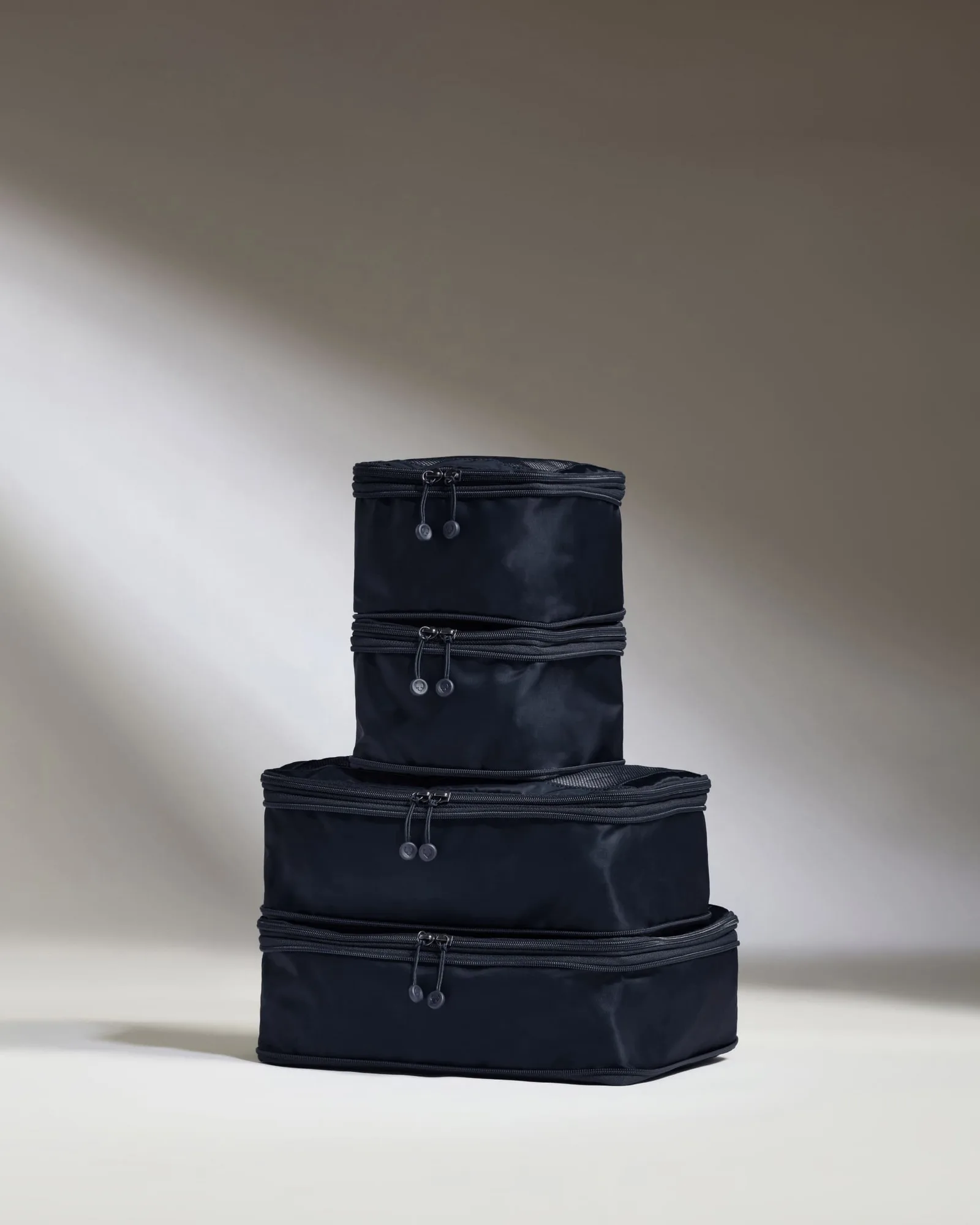
- Packing Cubes in Navy Blue - Set of 4: These packing cubes have an extra strong compression zip so you can pack more in, a mesh window so you can see contents at a glance, and they are sized and coloured to coordinate with the Icon Stripe suitcase. They are not a wash bag or a pouch, but they solve the same 'where does this go' problem for clothing. If your pouch and wash bag are already full, cubes let you compress soft items and keep the rest of the case organised.
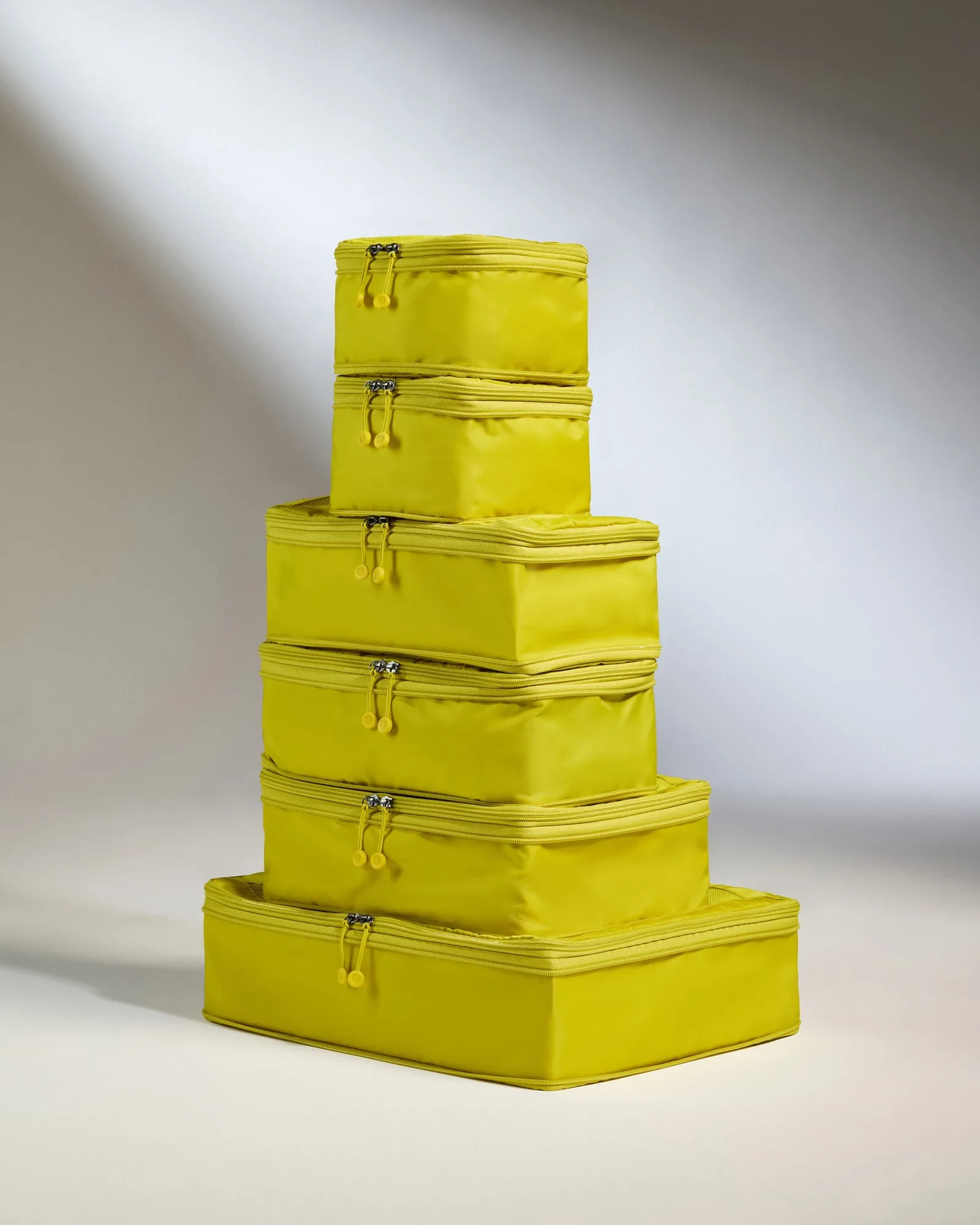
- Packing Cubes in Gorse Yellow - Set of 6: This larger set uses the same compression zip and mesh window design, and is intended to separate categories of clothing so you can lift them straight out of your luggage on arrival. A six-piece set suits longer trips or two people sharing a suitcase, where a single travel pouch would be too small to make a difference.
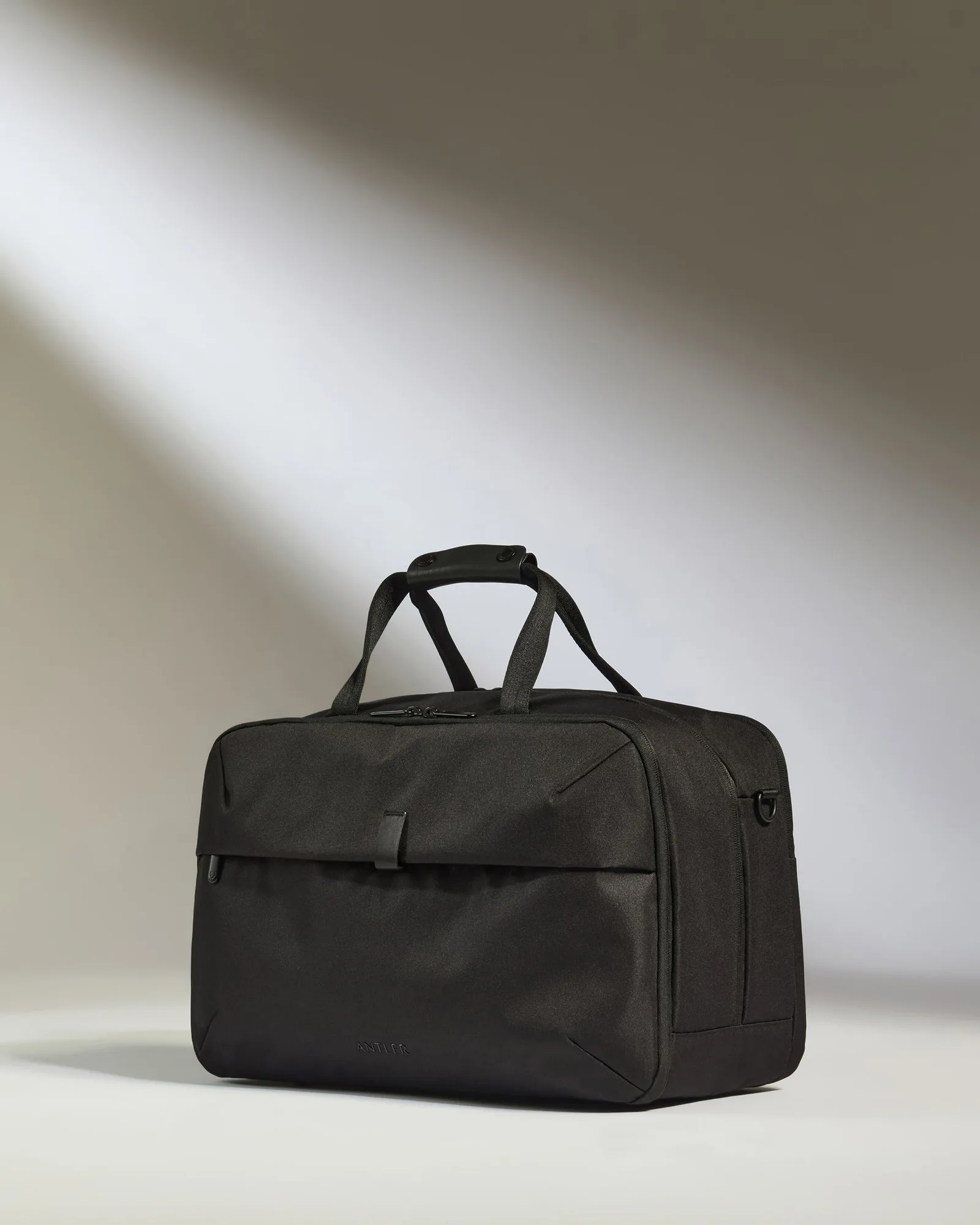
- Overnight Bag in Black - Urban Light: The Urban Light Overnight is made from 100% recycled polyester, is lightweight and spacious, and is designed to meet underseat airline restrictions. If you carry an overnight bag as your personal item, it is the natural home for your travel pouch, while the wash bag can stay in the main suitcase or be packed on top if you are travelling with the overnight bag alone.
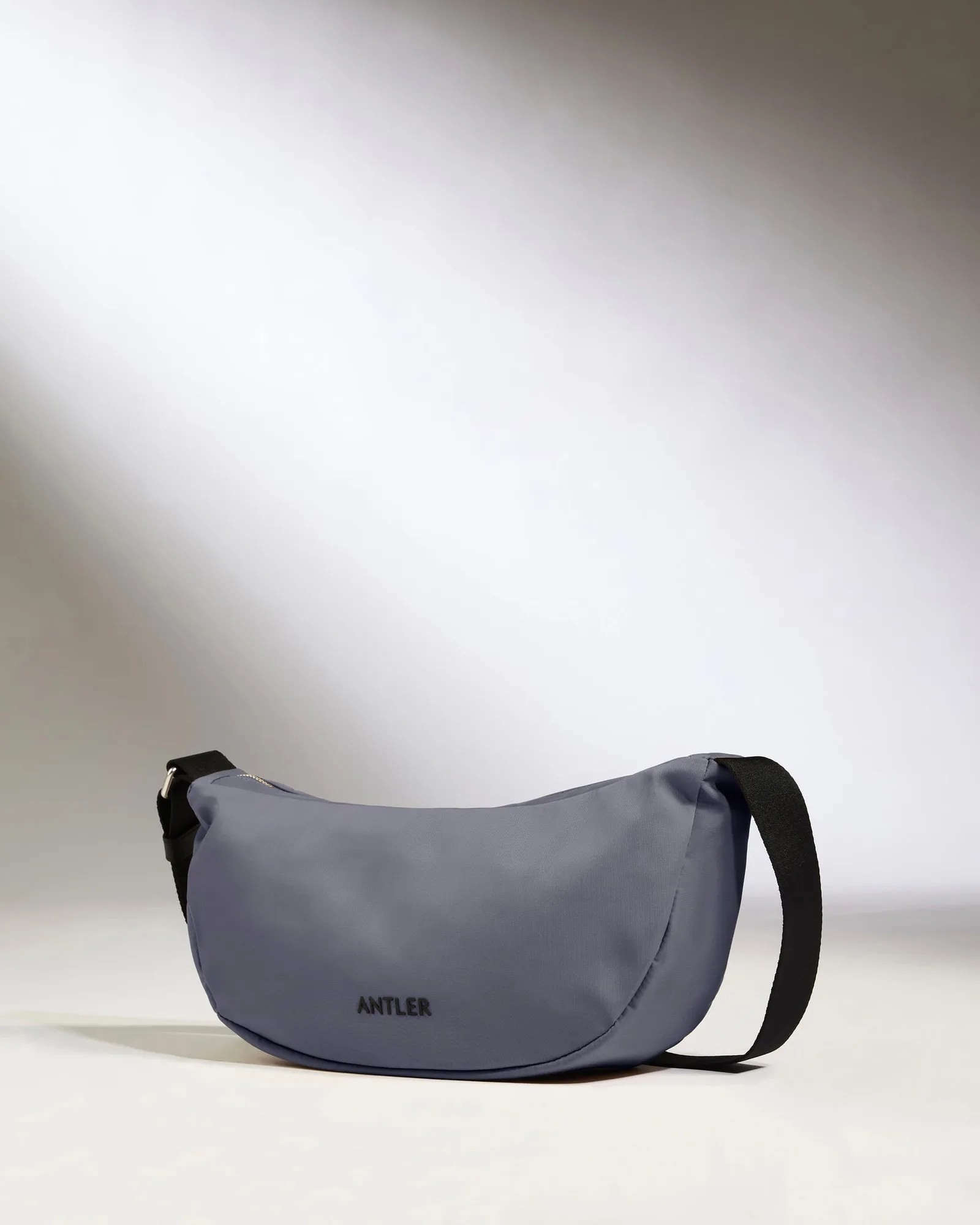
- Icon Slingbag in Meadow Purple: The Icon Slingbag has 6L of volume, smart compartments for essentials, and is made from 100% recycled, water-resistant fabric with internal pockets. A hands-free cross body option for the items you want on you rather than in a pouch, such as phone, cards and keys, which keeps your travel pouch free for the rest of your dry kit.
Which should you pack?
Best for
- Travellers who carry toiletries, skincare or anything that can leak and want them separated from clothing
- Short trips where one wash bag plus a personal item covers everything
- Anyone who wants a single grab-and-go bag for the bathroom rather than loose bottles in a suitcase
Not for
- Travellers whose main problem is loose cables, chargers and documents, who should start with a travel pouch instead
- Minimalist carry-on packers who decant into a single clear liquids pouch and need no separate wash bag
- Anyone expecting either bag to organise clothing, which is what packing cubes are for
The travel pouch vs wash bag question has a simple answer: wash bag for anything wet or leaky, travel pouch for anything dry, flat or valuable. Pack both if you can, keep them in the places you actually open them, and use packing cubes for the clothes that neither bag is designed to hold.