Quick answer
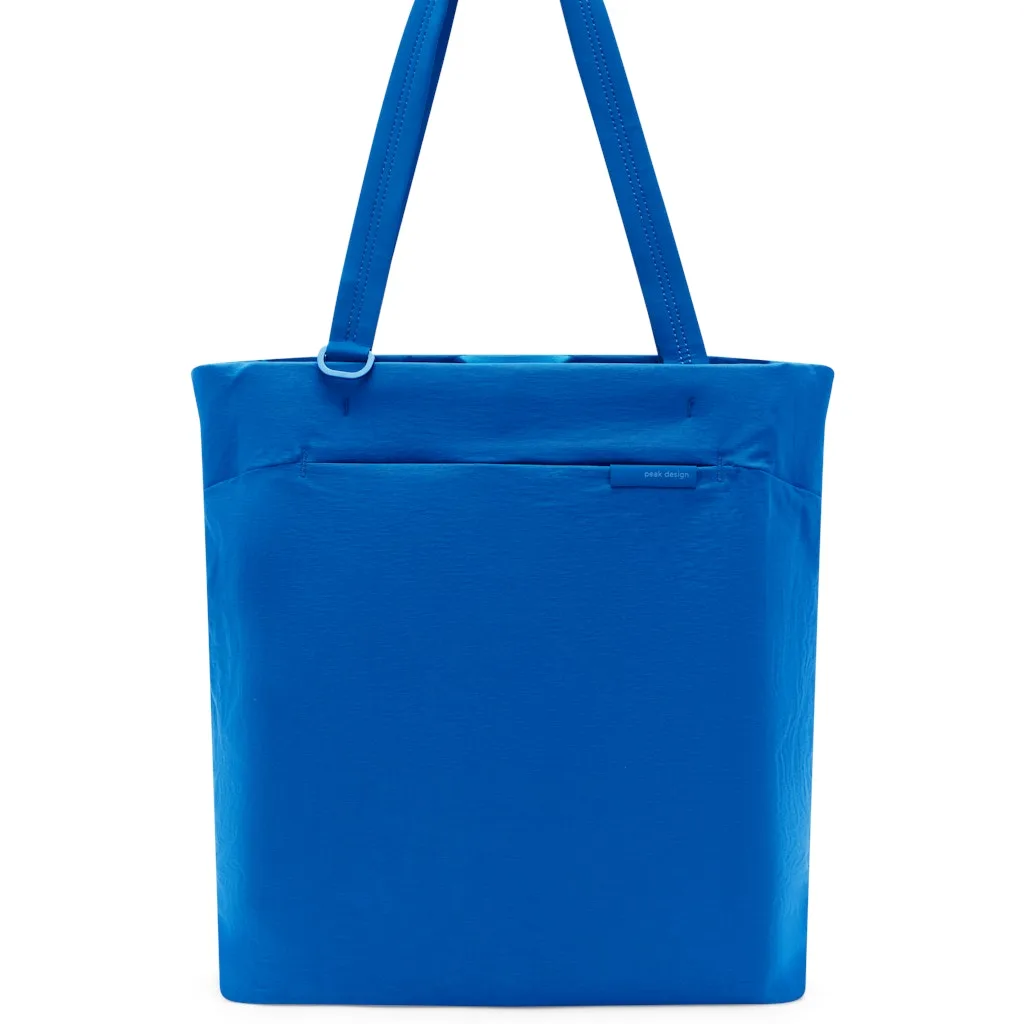
Choose a tote for short day trips where you stop often, need quick access, and carry light, flat items. Choose a backpack for longer days, uneven ground, or heavier loads that need two-shoulder support. If your day trip mixes both, pack a tote as your personal item and keep a compact organizer inside so small gear stays findable.
A day trip bag has one job: keep your essentials comfortable and reachable from the first stop to the last. The tote-versus-backpack question usually comes down to how you carry weight and how often you need to get into the bag, not which style looks better.
Totes win on access and packing order. Backpacks win on load distribution and hands-free movement. The right answer depends on your route, your load, and how many times you will open the bag before you get home.
How each bag carries weight
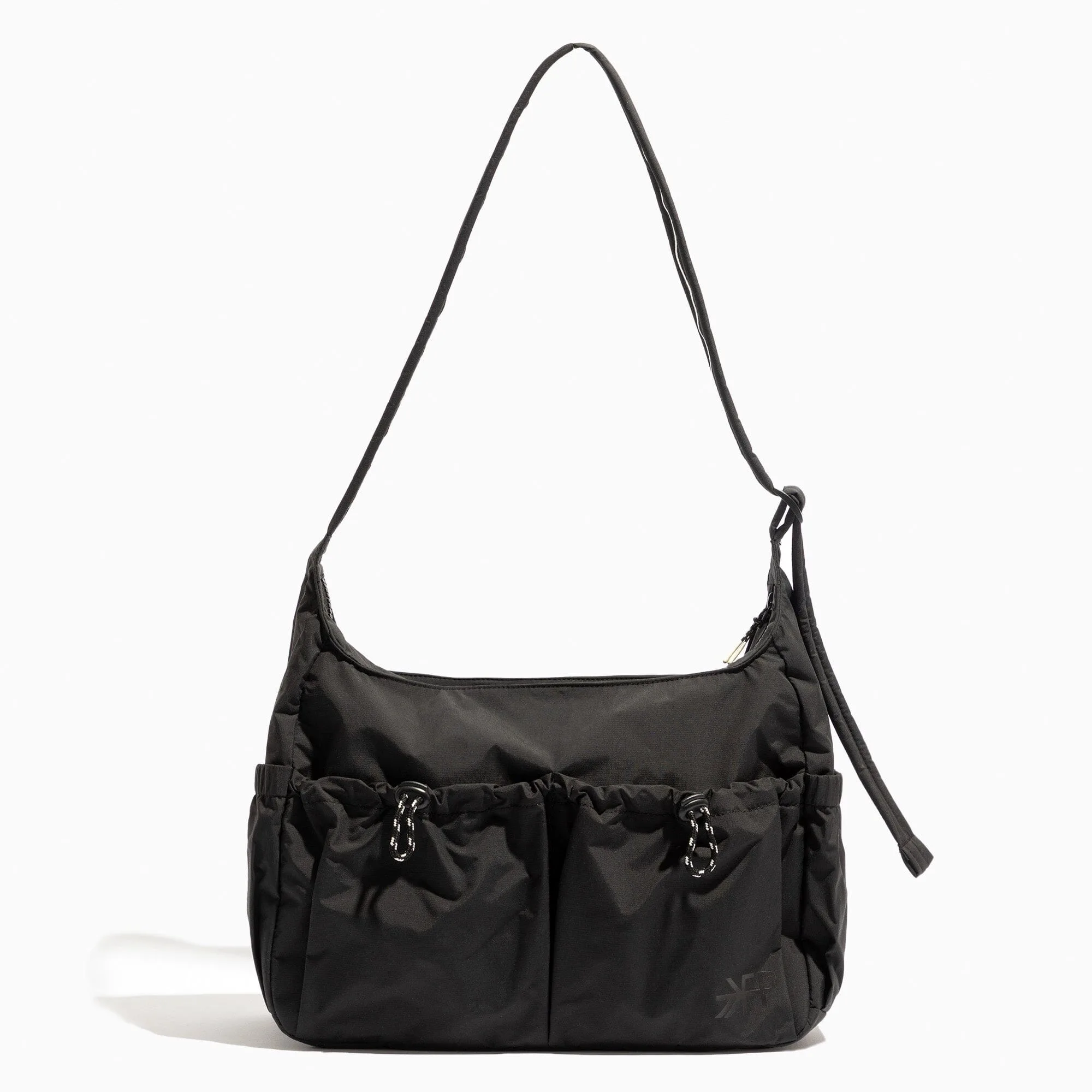
A tote hangs from one shoulder or your hand, so the load pulls on one side. That is fine for a light day: a water bottle, a layer, snacks, and a camera. Once you add a laptop, a full water reservoir, or a day's worth of purchases, the same load starts to feel heavier because the strap concentrates pressure instead of spreading it.
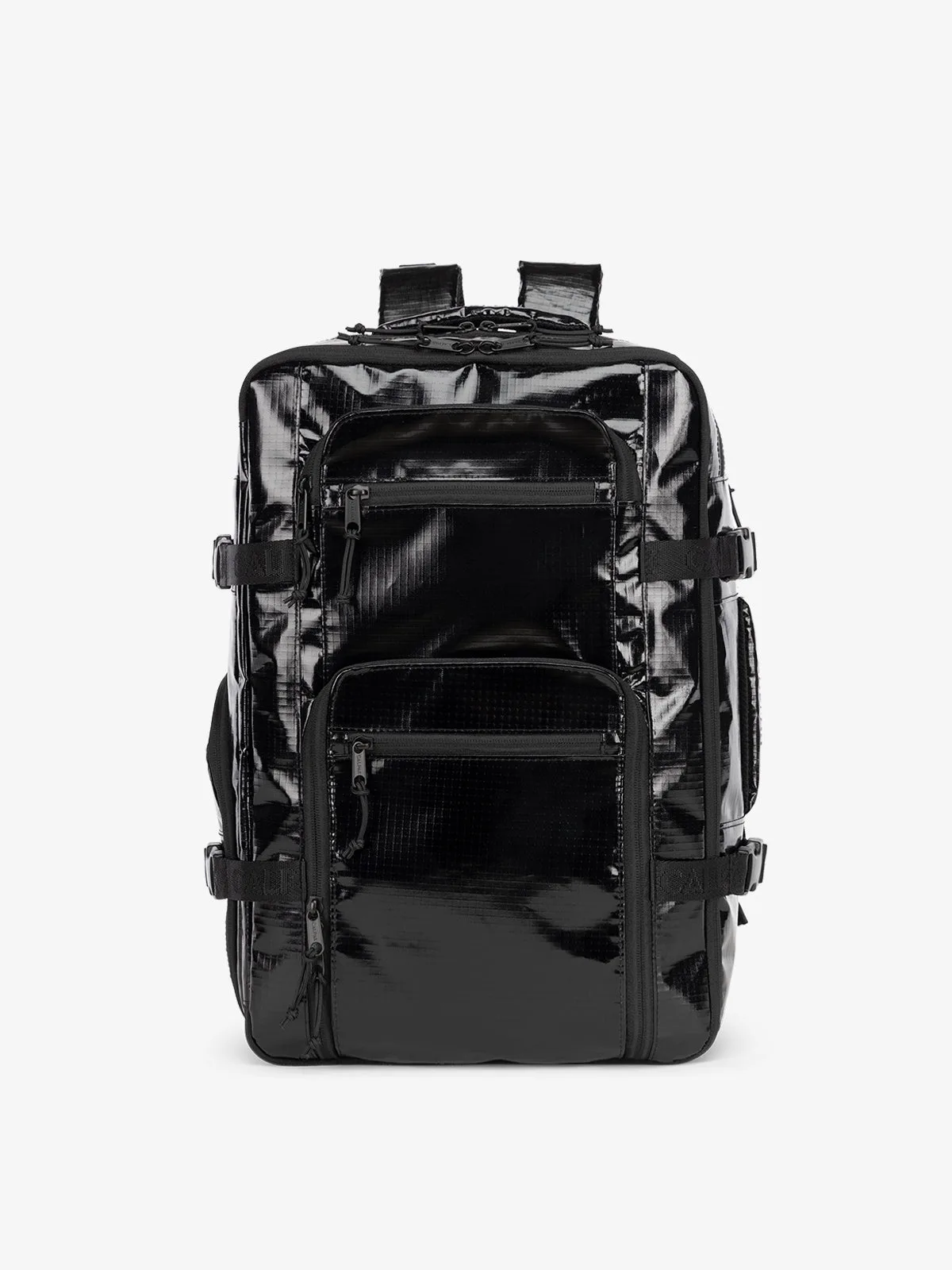
A backpack puts weight on both shoulders and your back, which is why it handles heavier or bulkier loads for longer. The trade-off is access: you usually have to swing the bag off one shoulder or take it off entirely to reach anything inside. If you stop to check a map, pay for parking, or grab a layer every 20 minutes, that friction adds up.
- Light load, frequent stops: tote. Heavy load, long miles: backpack.
- Try your packed bag on before you commit to a full day with it.
Access, packing, and organization
Totes behave like an open box. You can see and reach the contents from the top, and flat items such as a passport, a notebook, or a folded layer stay upright instead of migrating to the bottom. That makes a tote a natural personal item for flights and train legs, where you need your documents without unpacking.
Backpacks organize by depth, so small items can sink out of reach unless you use compartments. The fix is the same in either bag: group small gear so it stays put. A compressible storage system such as the Adventure Shelf - Compressible Storage System packs flat like a frisbee and expands like a shoe organizer, which keeps a tote or backpack from turning into a loose pile.
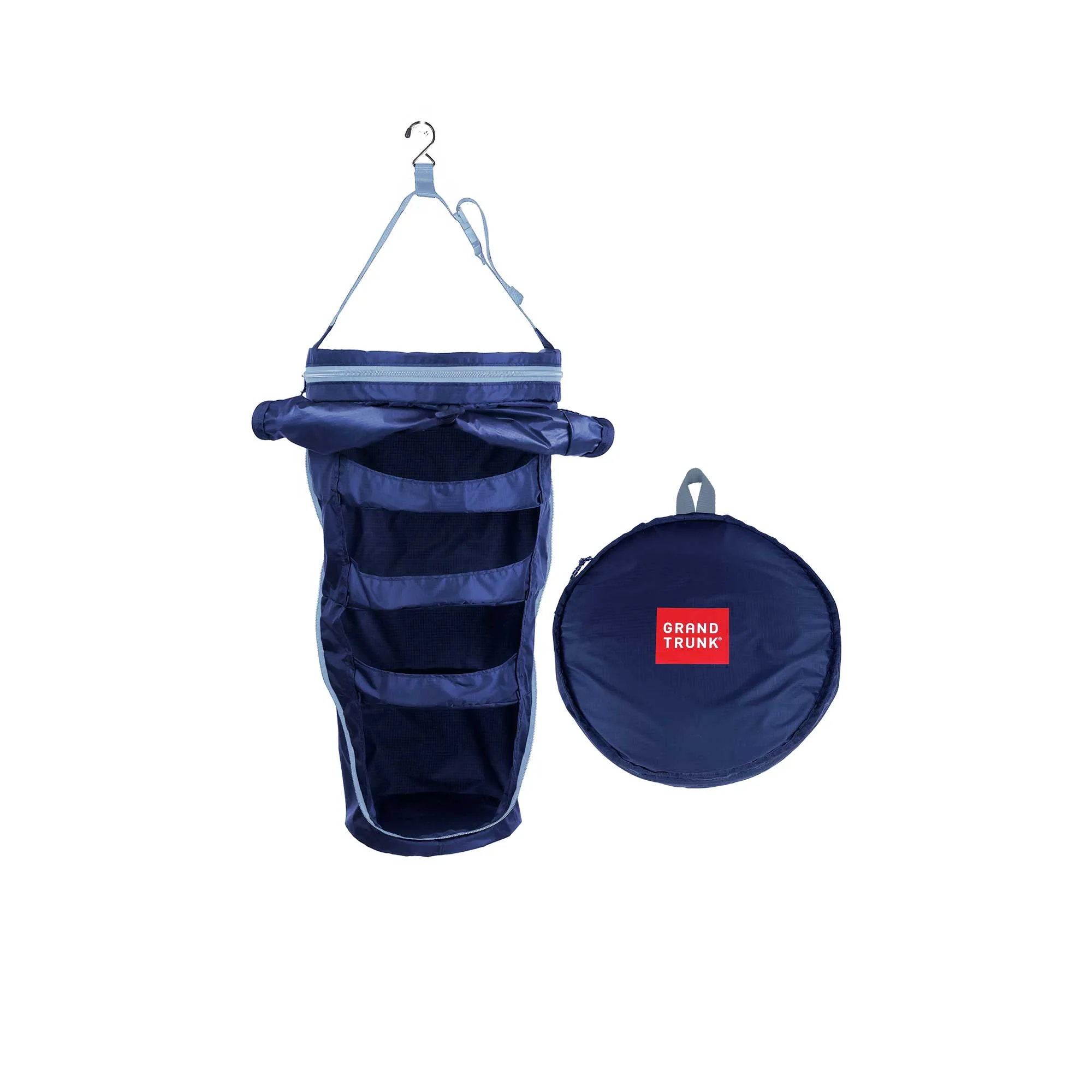
Adventure Shelf - Compressible Storage System
- Keep documents and cards in one dedicated pocket, not loose in the main compartment.
- Group small items before you pack the bag, not after.
Weather, terrain, and movement
On uneven ground, a backpack keeps your hands free and your center of gravity stable, which matters on trails, stairs, and crowded transit. A tote can swing, slide off a shoulder, or bump your hip when you move quickly. If your day trip includes a real hike or a long walk on rough surfaces, that difference is the deciding factor.
Totes are easier to set down and live out of once you arrive. At a picnic table, a beach blanket, or a campsite, an open tote doubles as a grab-and-go station. A backpack is better at staying on your back while you keep moving, but it is clumsier as a base-camp organizer.
- Hands-free movement and rough terrain favor a backpack.
- Stationary stops and quick access favor a tote.
What to carry inside either bag
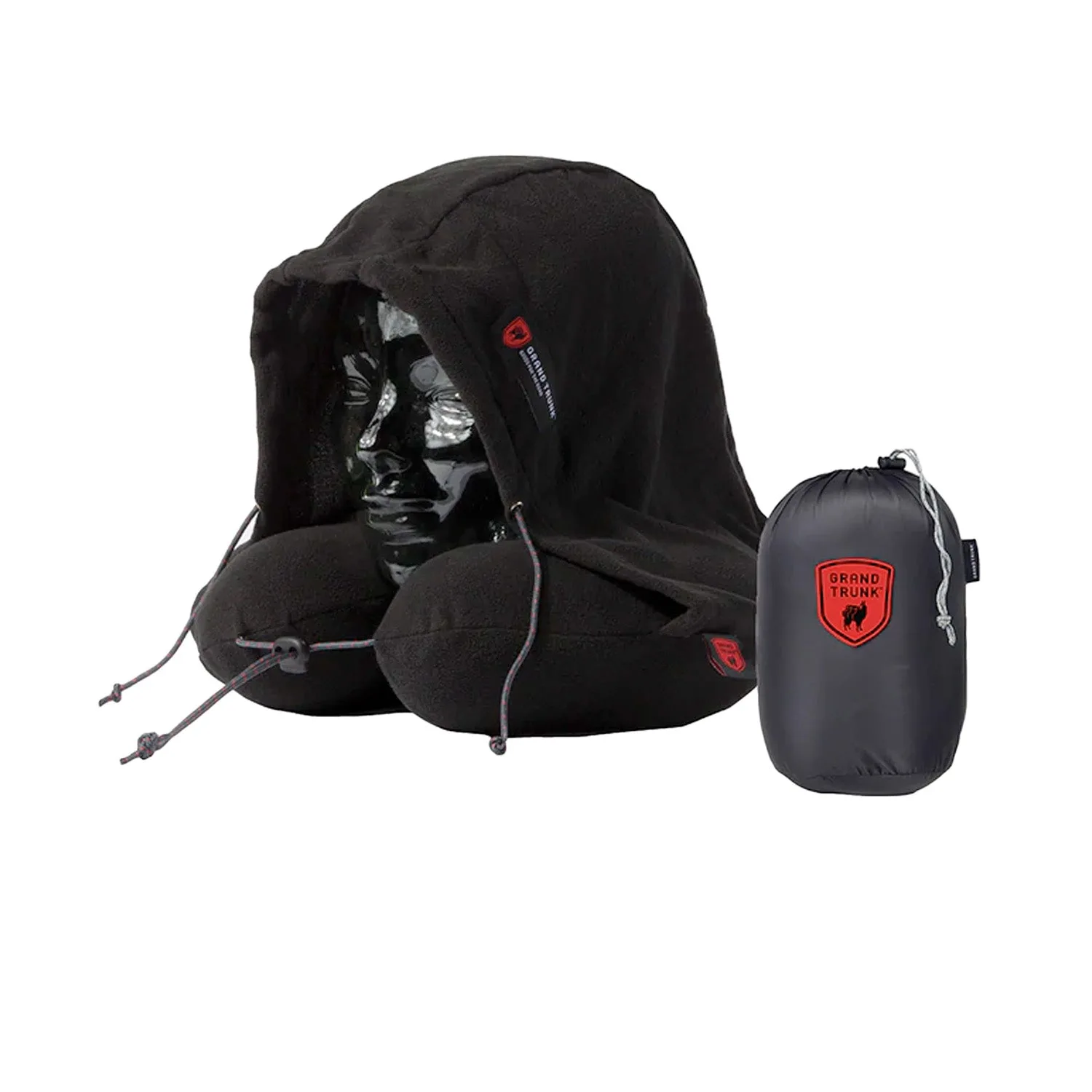
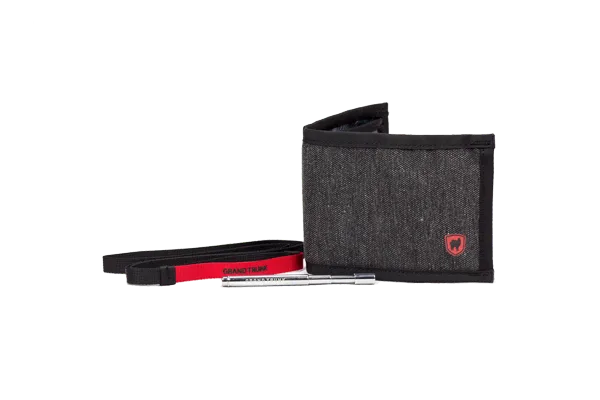
The bag matters less than what goes in it. Two small items make a day trip noticeably easier in either style. The Hooded Travel Neck Pillow provides 360-degree head and neck support with an attached stowaway hood and drawstring for privacy, plus a hygienic carry bag, which helps on a long bus or train leg. The Bi-Fold Wallet keeps cards and cash in durable nylon compartments, adds a secret cash pocket, and its slim design and lanyard let you wear it under your clothing when you are off the beaten path.
If you are building a day-trip kit from scratch, the Ultimate Travel Bundle: Hooded Travel Pillow, Bindle & More groups a passport holder and organizer with the hooded pillow and a Bindle travel laundry and storage bag. That combination covers the small essentials that otherwise rattle around loose in a tote or disappear into a backpack.
- Pack the same core kit, then choose the bag that carries it best.
- Keep valuables in a worn-under-clothing option when you are in crowded areas.
Trade-offs to weigh before you pick
- Carry comfort vs. quick access: A backpack spreads weight across both shoulders for heavier loads, but you often have to remove it to reach inside. A tote opens from the top for instant access, but concentrates the load on one shoulder. Pick based on how often you will open the bag, not how much it holds.
- Hands-free movement vs. easy set-down: A backpack keeps your hands free on stairs, trails, and crowded transit. A tote sets down flat and works as an open station at a picnic table, beach blanket, or campsite. Choose a backpack for moving days and a tote for stationary days.
- Open space vs. built-in structure: A tote's open interior makes flat items visible but lets small gear scatter. A backpack organizes by depth, which can hide items unless you add compartments. Either bag works better with a compressible organizer inside.
Product facts that affect your choice
- Hooded Travel Neck Pillow: Provides 360-degree head and neck support, an attached stowaway hood with drawstring for privacy, and a hygienic carry bag with webbing. It compresses into a small kit item, so it fits in either a tote or a backpack without dictating which bag you carry.
- Bi-Fold Wallet: Durable nylon compartments keep cards and cash organized, a secret cash pocket hides spare bills, and the slim design with lanyard lets you wear it under clothing. A slim, wearable wallet reduces what you need to dig for, which makes a tote's open-top access even more useful on travel days.
- Adventure Shelf - Compressible Storage System: Packs flat like a frisbee and expands like a shoe organizer, with size options, so gear stays organized on the go. It gives a tote or backpack internal structure, so small items do not sink to the bottom of either bag.
- Ultimate Travel Bundle: Hooded Travel Pillow, Bindle & More: Bundles a passport holder and organizer with the hooded travel pillow and a Bindle travel laundry and storage bag. It covers the small essentials in one purchase if you are choosing a day trip bag and still need the contents for it.
Which day trip bag fits you
Best for
- Short city or museum days with frequent stops and light, flat loads
- Travelers who need documents and cards within reach as a personal item
- Beach, picnic, and campsite days where the bag becomes a base station
Not for
- Long hikes or all-day walks on uneven ground with a heavier load
- Trips where you need both hands free for most of the day
- Carrying a laptop plus a full day of gear on one shoulder
Match the bag to your route, not the other way around. A tote earns its place on short, stop-and-go days; a backpack earns its place when the day is long and the load is real. Pack the same small essentials in either one, and the choice gets simpler.