Quick answer
Secure your dog before the car moves, every trip. Use a crash-tested dog car harness attached to a seatbelt for most dogs, or a secured dog carrier or crate for small dogs and cats. Then plan rest stops every two to three hours, pack water and cleanup supplies, and never let your dog ride loose in the front seat or on your lap.
A loose dog in a moving car is a distraction and a projectile. Even a short drive to the vet can end badly in a sudden stop, and the risk climbs on longer road trips. The good news: safe car travel with a dog comes down to a few repeatable steps, not expensive gear.
This guide walks through the process in order, from picking the right restraint to handling rest stops. It also covers what to pack, how to introduce the gear at home first, and the mistakes that show up most often.
Step 1: Pick the right restraint for your dog
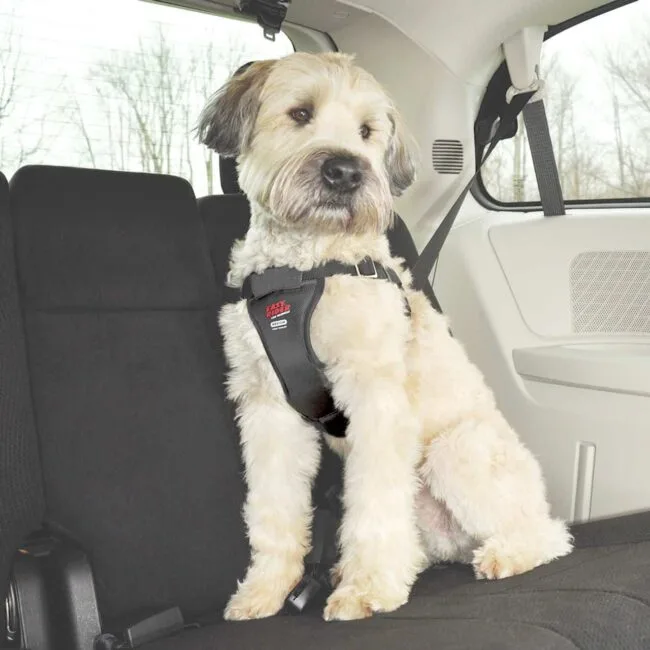
The two main options are a dog car harness that connects to a seatbelt and a dog carrier or crate that is itself secured. A harness suits most medium and large dogs because it lets them sit or lie down while staying tethered. A carrier or crate works better for small dogs, puppies, and cats, and it doubles as a safe way to move your pet in and out of hotels or vet offices.
Size and temperament decide more than brand. A dog who chews through straps needs a crate; a dog who panics in enclosed spaces does better in a harness. If you are unsure which restraint type fits your dog, the honest answer is that no single product works for every dog, and the product page specs (girth range, carrier dimensions) are the only reliable way to check fit before you buy.
- Measure girth at the widest point of the chest, not the neck, before ordering a harness.
- Check that a carrier is secured with a seatbelt or cargo strap, not just sitting on the seat.
Step 2: Fit and test the gear before travel day
Put the harness or carrier in the living room a few days early. Let your dog sniff it, wear it for short periods, and get a treat for standing calmly in it. A harness that rubs or a carrier that feels cramped will make the first real trip miserable for both of you.
Adjust the harness so you can fit two fingers under the straps but not pull it over the shoulders. For carriers, confirm your dog can stand, turn around, and lie down. Do a five-minute drive around the block before committing to a long trip, and watch for panting, drooling, or attempts to escape.
- Common mistake: tightening a harness so much that it restricts breathing or shoulder movement.
- Checkpoint: your dog should be able to sit, stand, and lie down while restrained.
Step 3: Load the car in a safe order
Load your dog last, after bags and supplies are in place. Loose luggage can slide into a dog during braking, so pack heavy items low and use a cargo barrier or tie-downs if your car has them. Keep the dog's area clear of anything that could become a projectile.
For a harness, thread the seatbelt through the harness loop and buckle it, then pull the slack so the dog can sit or lie but not reach the front seat. For a carrier, buckle it in or strap it to a cargo anchor. If you use a crate, place it so it cannot slide sideways in a turn.
- Never put a carrier or crate on the front passenger seat where an airbag can deploy into it.
- Keep the dog's restraint latched any time the car is moving, even in parking lots.
Step 4: Plan rest stops and manage them well
Stop every two to three hours for a bathroom break, water, and a short walk. Dogs dehydrate on road trips because they pant more and drink less, so offer water at each stop even if your dog seems fine. Bring a bowl you can fill from your own water supply rather than relying on unfamiliar water.
At rest areas, keep your dog leashed before the car door opens. A dog who has been cooped up may bolt. Use the same leash and collar routine every stop so your dog knows what to expect, and never leave a dog alone in a parked car, even with windows cracked, because temperatures rise fast.
- Common mistake: letting the dog jump out before you clip the leash on.
- Bring waste bags and paper towels; rest-stop cleanup is part of the trip.
Step 5: Pack a small travel kit
A basic kit covers water, food, a bowl, waste bags, a leash, any medication, and a towel. Add a stain and odor spray in case of motion sickness or an accident, and a comb if your dog sheds heavily in the car. Keep the kit in one bag so you are not digging through luggage at a rest stop.
If your dog gets carsick, talk to your veterinarian before the trip rather than guessing at remedies. For dogs who shed a lot, a quick comb-out before you load up keeps hair off the seats and out of the carrier. A cologne or coat spray between baths can help if your dog gets that close-quarters car smell after a long day.
- Pack more water than you think you need, especially in summer.
- Keep medication and health records in the same bag as the leash.
Travel-day checklist
- Restraint fitted and tested at home: Harness adjusted to girth, or carrier sized so your dog can stand and turn. Do a short practice drive. If your dog fights the restraint, switch types before the trip rather than during it.
- Car loaded in the right order: Bags and heavy items secured first, dog last. Harness clipped to seatbelt or carrier strapped down. Nothing loose should be able to hit your dog in a sudden stop.
- Rest stops scheduled: Plan a break every two to three hours for water, bathroom, and a short walk. Leash on before the door opens. Never leave your dog alone in a parked car.
- Travel kit packed: Water, bowl, food, leash, waste bags, medication, towel, and a stain and odor spray in one bag. Keep the kit within reach, not buried under luggage.
- Coat and cleanup handled: Comb out heavy shedders before loading, and use a between-bath cologne if the car gets stuffy. Small prep steps make the whole trip more comfortable for everyone.
Products that fit this routine
- Easy Rider Car Harness for Dogs Large: A safe, easy-to-use harness that connects to any front or rear seatbelt, keeps the pet confined yet comfortable, and helps prevent a pet from being thrown and injured in short stops or accidents. Soft nylon webbing with foam padded chest strap, girth 24"-38". The seatbelt connection is the whole point of a car harness, and the girth range tells you whether it will fit your dog before you order.
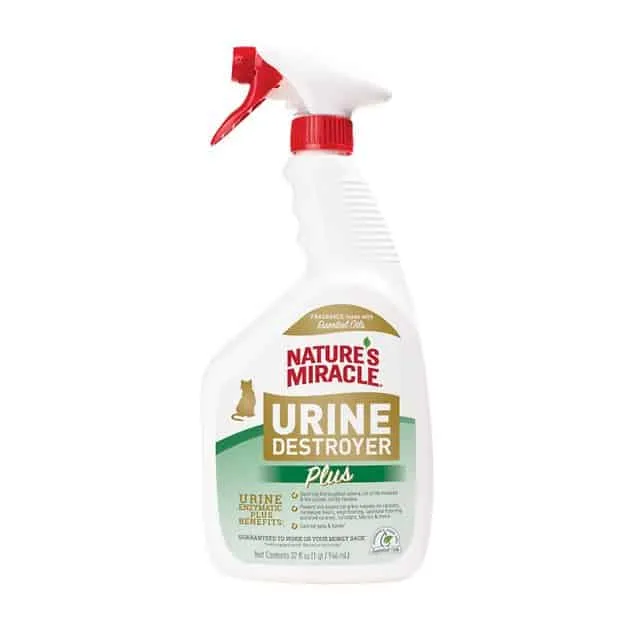
- Nature’s Miracle Urine Destroyer Plus Spray 32 oz: Uses a powerful enzymatic formula to tackle tough cat urine stains and the sticky yellow residue they leave behind. The bacteria-based formula produces enzymes that continue working as long as the bio-based mess is present. Accidents happen in carriers and on seats. An enzymatic cleaner handles the odor at the source instead of just masking it.
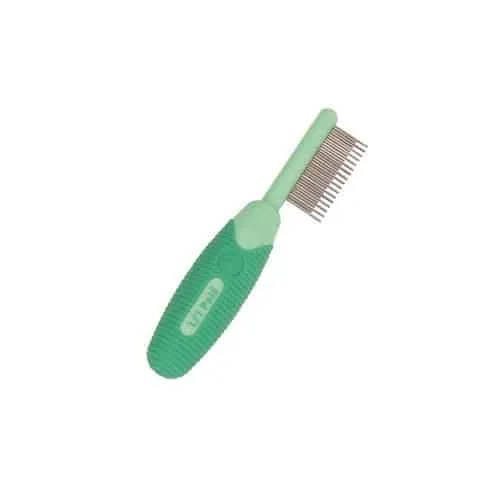
- Lil Pals Shedding Dog Comb: A compact shedding comb for small dogs and puppies with dual-length teeth to remove undercoat and loose hair while staying gentle on skin. A quick comb-out before loading the car means less hair on seats and in the carrier, and it is small enough to pack.
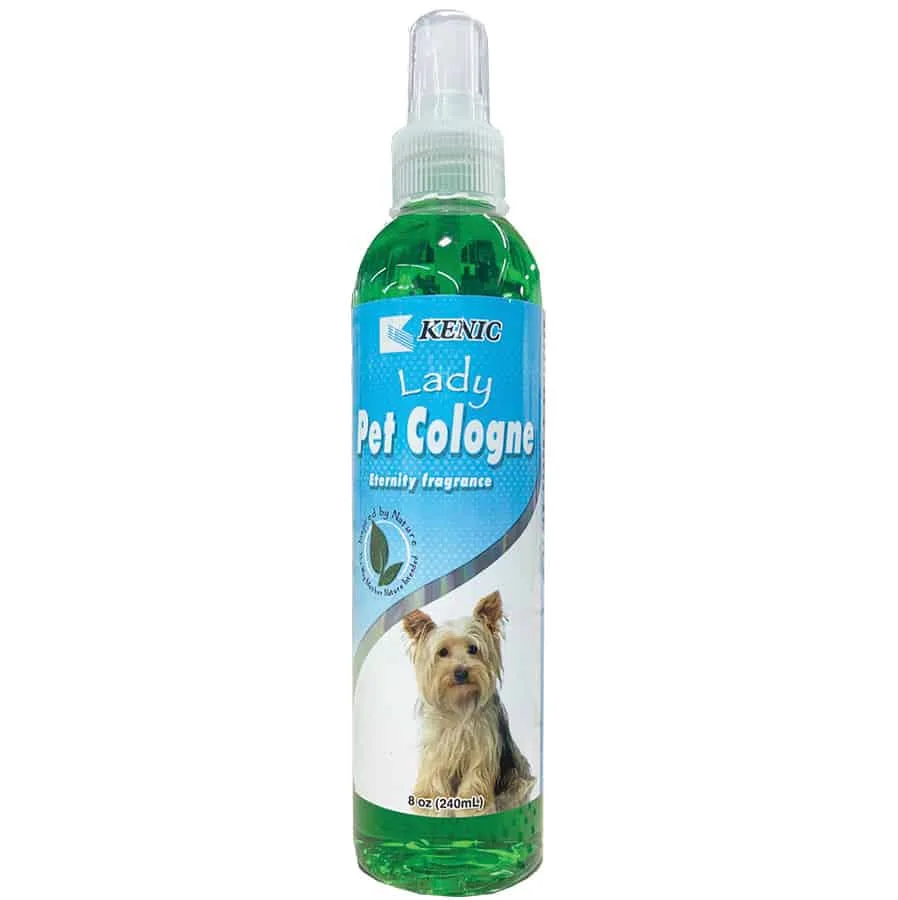
- KENIC Lady Pet Cologne 8 oz: Combines a pleasant, refreshing fragrance with coat-conditioning ingredients to leave your pet smelling clean and feeling silky smooth. Ideal for use between baths on dogs, cats, ferrets, and rabbits. On a multi-day trip you may not have a chance to bathe your dog. A between-bath cologne keeps the car and hotel room smelling better.
Safe car travel with your dog is mostly about order: right restraint, fitted and tested, secured before the car moves, with planned stops and a small kit. Get those steps right and the trip is easier on your dog and on you.