Quick answer
Weigh your packed bag at home, move heavy items into a personal item or your pockets, and choose a lightweight Travelpro suitcase so the bag itself doesn't eat your weight allowance. If your bag is still over the limit after removing the heaviest items, either pay the fee or switch to a smaller bag that fits the airline's carry-on weight rules.
Why your bag is over the limit before you even finish packing
Most checked bag weight problems start with the suitcase, not the clothes. A heavier bag can weigh 10 to 15 pounds empty, which leaves you less room for actual belongings. If you pack to the bag's physical capacity, you can easily exceed a 50-pound checked bag limit or a 22-pound carry-on limit without realizing it.
The fix is to know two numbers before you pack: the empty weight of your suitcase and the weight limit for your specific airline and fare class. Write them on a sticky note and keep it in your packing area. When you know your bag weighs 7 pounds empty, you can plan for 43 pounds of contents on a 50-pound limit instead of guessing at the airport.
How to pack to meet weight limits without leaving essentials behind
Weigh your bag at home on a bathroom scale. Stand on the scale with the packed bag, subtract your body weight, and you have the bag's weight. Do this before you leave for the airport, not at the check-in counter.
If you are over the limit, move the heaviest items first: shoes, boots, jackets, books, and toiletry bottles. Wear your heaviest shoes and jacket on travel day. Put chargers, medications, and small electronics in your personal item, which most airlines do not weigh. Roll clothes instead of folding them to save space, but remember that space is not the same as weight. A bag can be half empty and still be over the limit if it is filled with dense items.
- Weigh the empty bag first so you know your starting point.
- Pack heavy items near the wheels, where they are easier to roll.
- Use travel-sized toiletries and decant liquids into smaller bottles.
- Leave room for souvenirs by packing a foldable tote in your carry-on.
Choosing a lightweight Travelpro suitcase that works with weight limits
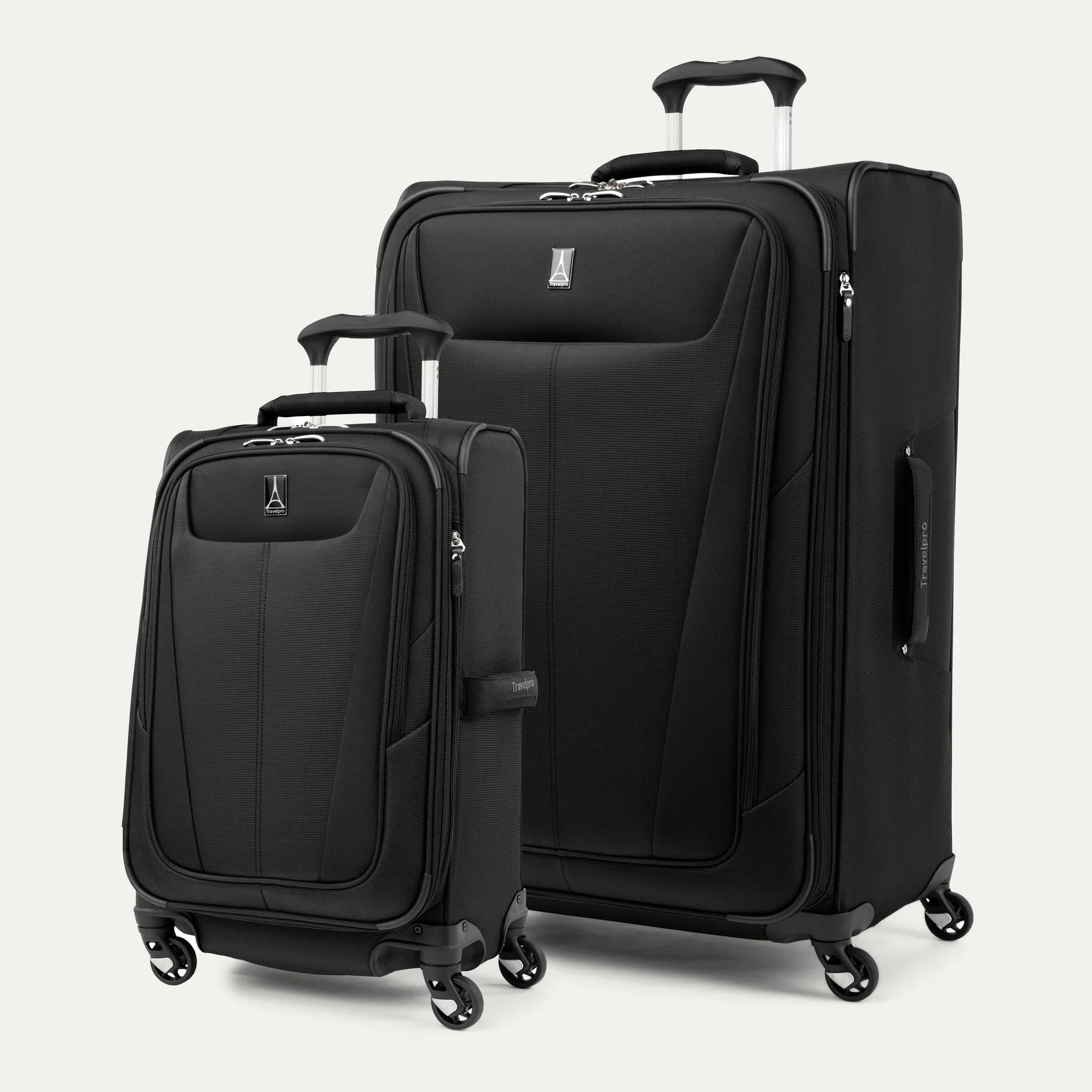
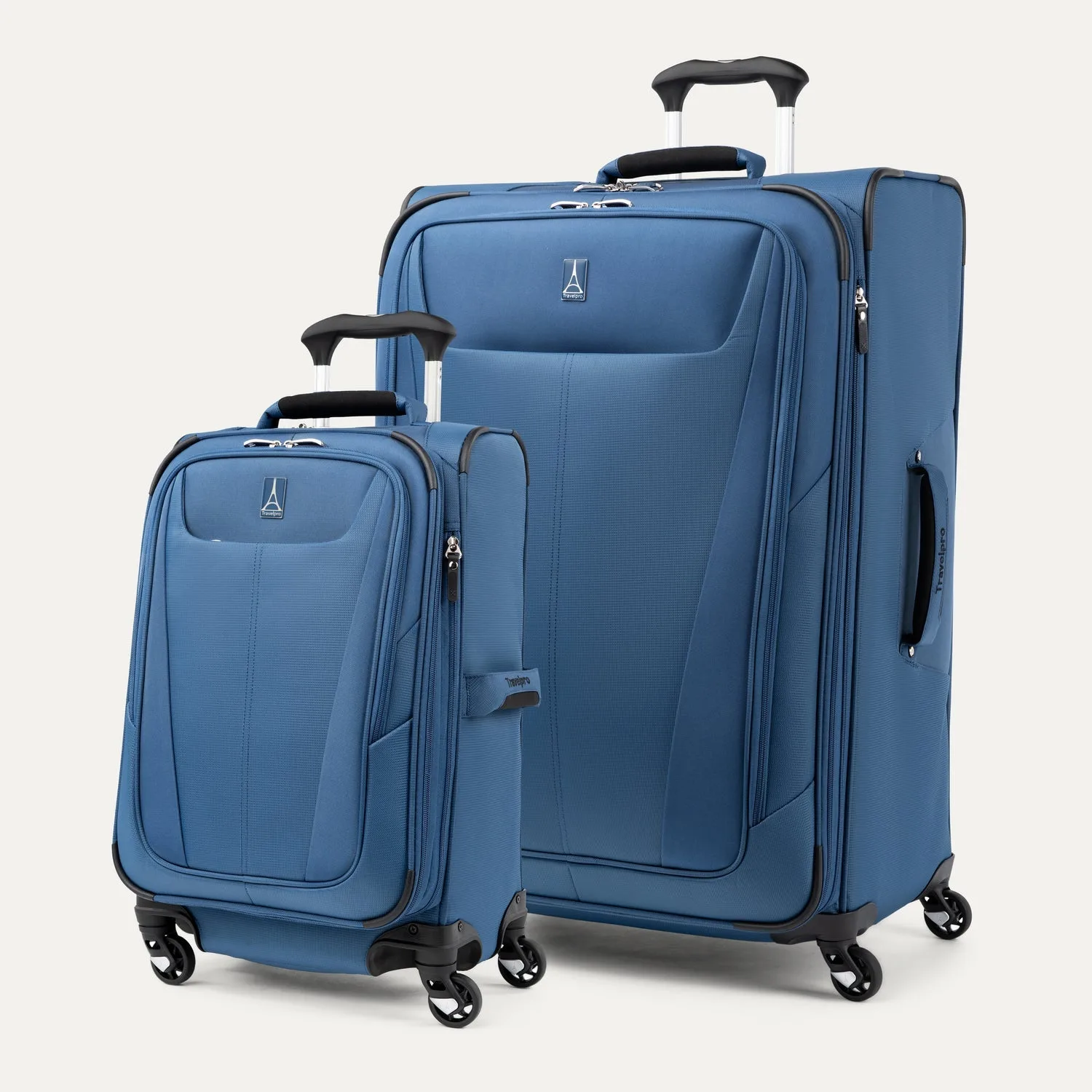
A lightweight travelpro suitcase gives you more usable weight for your belongings. The Maxlite 5 collection is designed to be ultra-lightweight, so the bag itself does not consume your allowance. If you are comparing a carry-on and a checked bag, check the empty weight of each before you buy. A bag that is 2 pounds lighter gives you 2 more pounds for clothes, shoes, or gifts.
For carry-on weight rules, size matters as much as weight. A smaller carry-on forces you to pack less, which naturally keeps the weight down. If your airline has a strict 15-pound carry-on limit, a compact underseat bag may be the only option that works without fees. For checked bags, a large lightweight suitcase is the better choice because you can distribute weight across a bigger bag and still stay under 50 pounds.
When to stop repacking and choose another option
If you have removed the heaviest items, moved what you can to a personal item, and your bag is still over the limit, stop repacking. Further shuffling usually means leaving behind something you need. At that point, you have three realistic choices: pay the checked bag fee, ship a box ahead to your destination, or switch to a smaller bag and pack less.
If you are a frequent flyer on a strict airline, consider a carry-on that fits under the seat in front of you. It will not hold a week's worth of clothes, but it will never trigger a checked bag fee or a carry-on weight check. For trips where you need more, a lightweight checked bag that you weigh at home is cheaper than paying overweight fees at the airport.
Diagnose your bag weight problem
- Symptom: The bag feels light but the scale says otherwise: Dense items like shoes, books, and full-size toiletries add up fast. Weigh the bag at home and identify the heaviest three items. Remove or wear the heaviest items, then weigh again before you leave.
- Likely cause: The suitcase itself is too heavy: An empty bag that weighs 10 to 15 pounds leaves little room for belongings on a 50-pound limit. Check the empty weight of your bag. If the empty bag is more than 8 pounds, consider a lighter model like the Maxlite 5 collection.
- Corrective action: Shift weight to a personal item: Most airlines do not weigh personal items. Move chargers, medications, and small electronics into an underseat bag that fits under the seat. The Maxlite 5 Carry-On Rolling Underseat Bag is designed for this role on most major domestic airlines.
- Stop point: You have removed the heaviest items and moved what you can: Further repacking means leaving behind essentials. At this point, pay the fee, ship a box ahead, or switch to a smaller bag. Choose a smaller carry-on or a lightweight checked bag instead of paying repeated overweight fees.
Travelpro products that help with weight limits
- Maxlite® 5 Carry-On Rolling Underseat Bag: The Maxlite® 5 Carry-On Rolling Underseat Bag is designed to fit under the seats of most major domestic airlines and includes a padded laptop or tablet sleeve, a removable plastic compartment, quick-access external pockets, and a roomy interior. Because it fits under the seat, you can use it as a personal item and keep heavy essentials out of your weighed carry-on or checked bag.
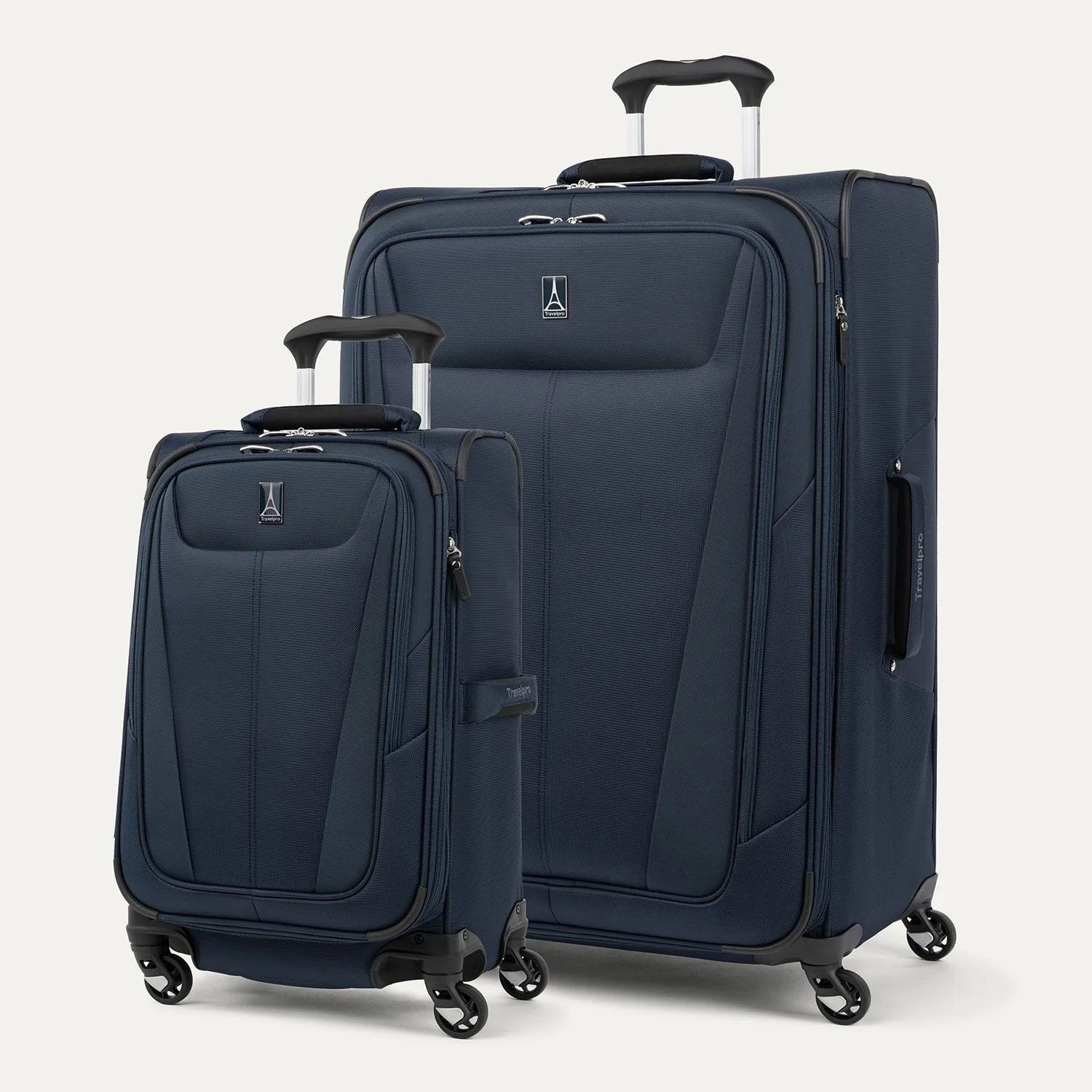
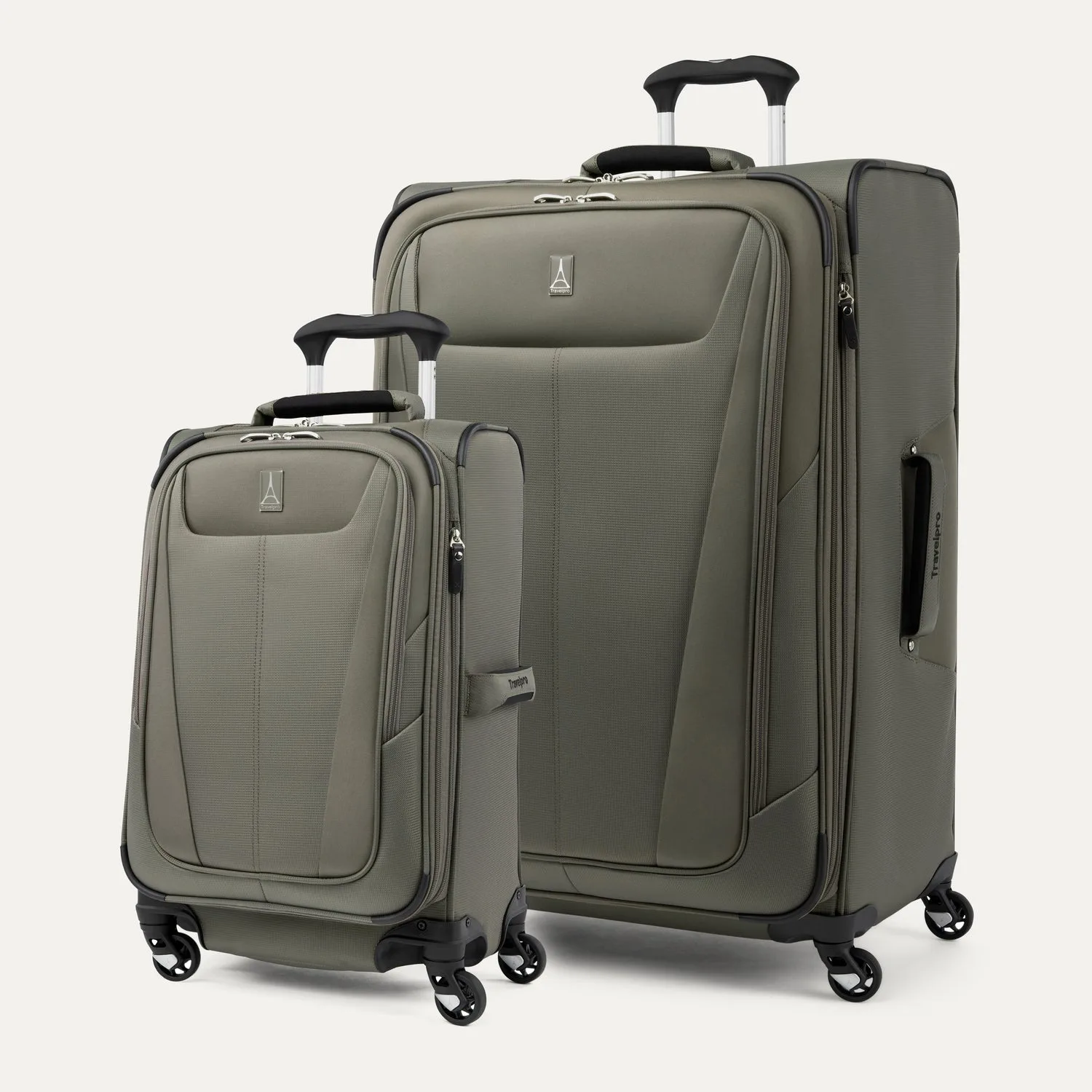
- Maxlite® 5 Carry-On / Large Check-In Set: The https://travelproes.com/products/maxlite-5-carry-on-large-check-in-set-37cdb99ded69eb4fcd9e8a07-1636572https://travelproes.com/products/maxlite-5-carry-on-large-check-in-set-ensign-blue-95b9a93436f6010f99aaae86-1636573Maxlite® 5 Carry-On / Large Check-In Set includes a 21-inch carry-on and a 29-inch checked bag, with two quick-access exterior front pockets, a full-length interior lid pocket, a side accessory pocket, adjustable hold-down straps, and a high-tensile-strength expandable zipper. The expandable zipper gives you packing flexibility, but remember that expansion adds size, not weight allowance, so weigh the bag after you expand it.