What the Tray Variety Pack actually gives you
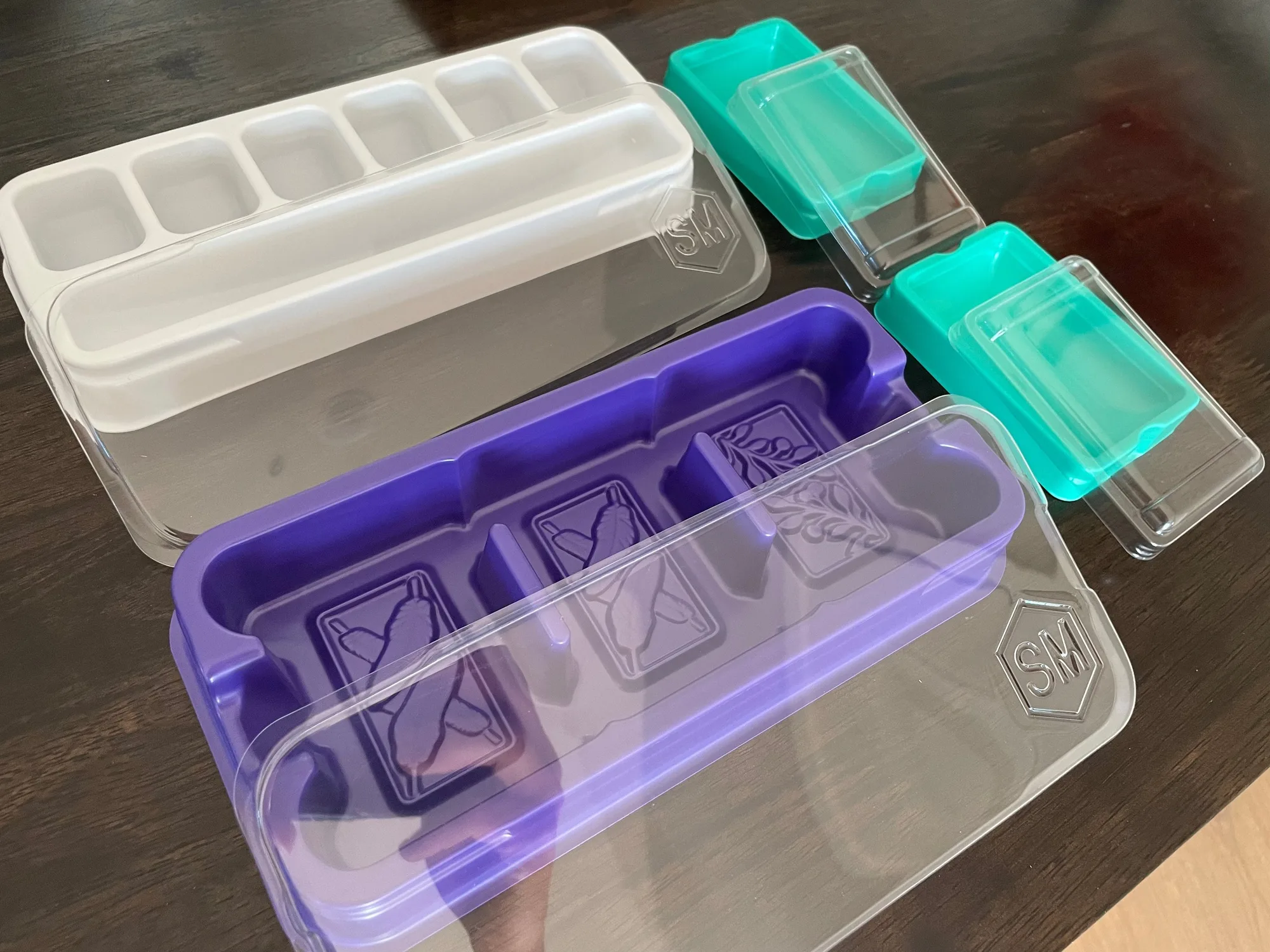
The Tray Variety Pack is a set of plastic trays and containers drawn from several Stonemaier products. Each container has a top and a bottom that lock together, and the set is not tied to any one game. That makes it a general-purpose sorting tool rather than a game-specific insert.
The practical benefit is simple: the trays are meant to make it easy to store, set up, pass around, and clean up cards and gaming tokens. If your current setup involves loose baggies, stacked decks, or a pile of tokens in the middle of the table, this pack gives you a place to put them before and after play.
Confirmed details before you plan your setup
-
Tray Variety Pack: These plastic trays and containers make it easy to store, set up, pass around, and clean up cards and gaming tokens. This is the core use case: the trays are for cards and tokens, not for every component in every game.
Tray Variety Pack
-
Tray Variety Pack: Each container is comprised of a top and a bottom that lock together. Locking tops matter for transport and storage, and they also tell you how the trays are meant to be handled between sessions.
-
Tray Variety Pack: This variety pack uses trays from several Stonemaier products and isn't intended for any specific game. You are buying a flexible assortment, not a labeled insert, so plan to test fit rather than assume a particular game's components will divide neatly.
A pre-game sorting routine that saves table time
Do the sorting before anyone sits down. The goal is to move the slow part of setup away from the table, so the first turn happens sooner.
- 1. Pull the cards and tokens that will be used this session: Set aside the decks and token types your group will actually touch. The pack is for cards and gaming tokens, so leave oversized boards, miniatures, and large terrain pieces out of this step.
- 2. Match containers to component groups: Because the pack uses trays from several Stonemaier products, container sizes vary. Test a few cards or tokens in each tray before committing. Group by what players reach for together: a deck plus its discard pile, or one denomination of tokens.
- 3. Lock each container and stage it near its seat: Each container has a top and a bottom that lock together. Close the ones you are transporting, then place shared trays within reach of the whole table and personal trays near individual seats.
- 4. Pass trays instead of piles: During play, hand a locked or open tray to the next player rather than sliding loose tokens across the table. This is the pass-around use the pack is designed for.
- 5. Repack at the end of the night: Return cards and tokens to their trays, lock the containers, and put the pack away. Cleanup becomes a short routine instead of a search for missing pieces.
Where the trays help most, and where they don't
The pack is a general organizer, so its value depends on what your game actually puts on the table.
- Good fit: card-heavy games with several decks: Separate decks by container so you are not shuffling through a mixed pile at setup. The trays make it easy to store and set up cards.
- Good fit: token-heavy games with many small pieces: Sort tokens by type before play and pass the relevant tray to each player. This reduces the mid-game sorting that slows turns.
- Less useful: games built around one large board and few loose pieces: If your setup is mostly unfolding a board and placing a handful of items, the trays add limited value. The pack is not intended for any specific game, so there is no guarantee it fits a particular box or insert.
- Not confirmed: exact tray dimensions and game compatibility: The supplied information does not list individual tray sizes or a compatibility chart. Measure your components and test-fit before relying on the pack for a specific game.
Keep the speed advantage between sessions
- Store trays in their locked state: Locking tops keep contents contained during transport and shelf storage. Confirm each lid is seated before stacking or bagging the pack.
- Label by group, not by game: Since the pack is not tied to one game, label trays by component type, such as a deck name or token color. That keeps the routine reusable across your collection.
- Do a dry run with your most-played game: Before game night, sort that game's cards and tokens into the trays and see whether the grouping still makes sense at the table. Adjust before you commit to a permanent arrangement.