Quick answer
Organize your board game collection by category by defining 5–7 play-based groups, sorting every box and expansion into one group, then shelving heavy games low and frequently played games at eye level. Keep each game's expansions, promos, and accessories together in one labeled location, and review the system once a year.
Choose categories that match how you actually play
Start with 5–7 categories based on player count, play time, and genre rather than publisher or box size. Common groups include party and filler, family strategy, two-player duels, heavy strategy, cooperative, campaign and legacy, and children's games. Write the list on paper and keep it to one line per category. If a category has fewer than three games, merge it into a neighbor; if it has more than fifteen, split it. This keeps your board game collection categories useful instead of decorative.
Sort every box, expansion, and promo into one home
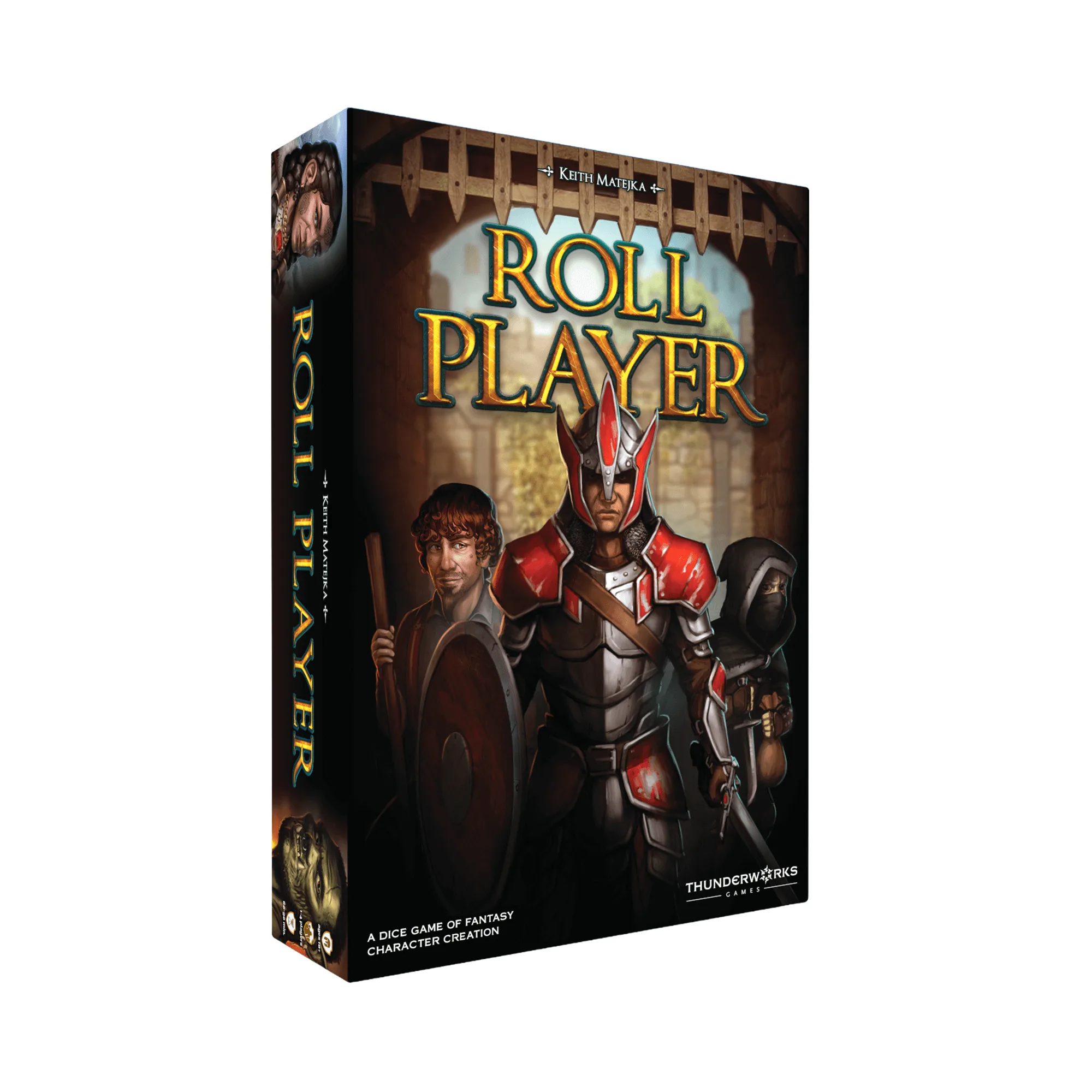
Pull everything off the shelf and place each item into exactly one category pile. Expansions and promos go with their base game, not in a separate expansion pile, unless the expansion is a standalone game. For example, an expansion that adds a new storybook and character options belongs with its base campaign box, while a big-box storage expansion that holds all gameplay content can sit with the base game it supports. If you are unsure, ask whether you would ever play the item without the base game. If no, it belongs together.
Measure and assign shelf zones before you load boxes
Measure shelf height, depth, and width, then assign zones by weight and frequency. Put heavy strategy and big-box games on the bottom shelf, campaign and legacy games at eye level because you return to them often, and party or filler games on the top shelf. Leave at least 5 cm of vertical clearance above the tallest box in each zone so you can slide games out without lifting the shelf. If a shelf is deeper than your boxes, add a simple foam or cardboard stop so games do not slide back.
Label and maintain the system so it survives real life
Add a removable label to each shelf edge with the category name, and keep a one-page index taped inside the cabinet door listing which games live in each zone. After each game night, return boxes to their category zone rather than the nearest empty spot. Once a year, pull the index and check for games that no longer fit their category, expansions that have outgrown their base box, and accessories that have drifted. This is also the moment to move any game you have not played in two years to a trade or sale pile.
Step-by-step category organization
- Step 1: Define your categories: Write 5–7 play-based groups such as party, family, two-player, heavy strategy, cooperative, campaign, and children's games. Keep each category to one line and merge any group with fewer than three games. Checkpoint: every category should answer the question 'when would I reach for this?'
- Step 2: Empty the shelf and sort into piles: Place each base game, expansion, and promo into exactly one category pile. Keep expansions with their base game unless the expansion is a standalone game. Common mistake: creating a separate 'expansions' pile, which splits games you always play together.
- Step 3: Measure shelf zones and assign weight: Measure height, depth, and width, then put heavy games low, campaign games at eye level, and light fillers high. Leave at least 5 cm of clearance above the tallest box in each zone. Checkpoint: you can slide any box out with one hand without lifting the shelf.
- Step 4: Label shelves and keep an index: Add a removable label to each shelf edge and tape a one-page index inside the cabinet door listing which games live in each zone. Common mistake: labeling by publisher or box color, which does not help you find a game by play style.
- Step 5: Return games to their zone after each session: After game night, put every box back in its category zone instead of the nearest empty spot. This keeps the system intact without a full re-sort. Checkpoint: a game left out of place for two sessions usually means its category is wrong.
- Step 6: Review once a year: Pull the index and check for games that no longer fit their category, expansions that have outgrown their base box, and accessories that have drifted. Move anything unplayed for two years to a trade or sale pile. Next step: update the index and labels the same day so the system stays accurate.
Products that affect your category plan
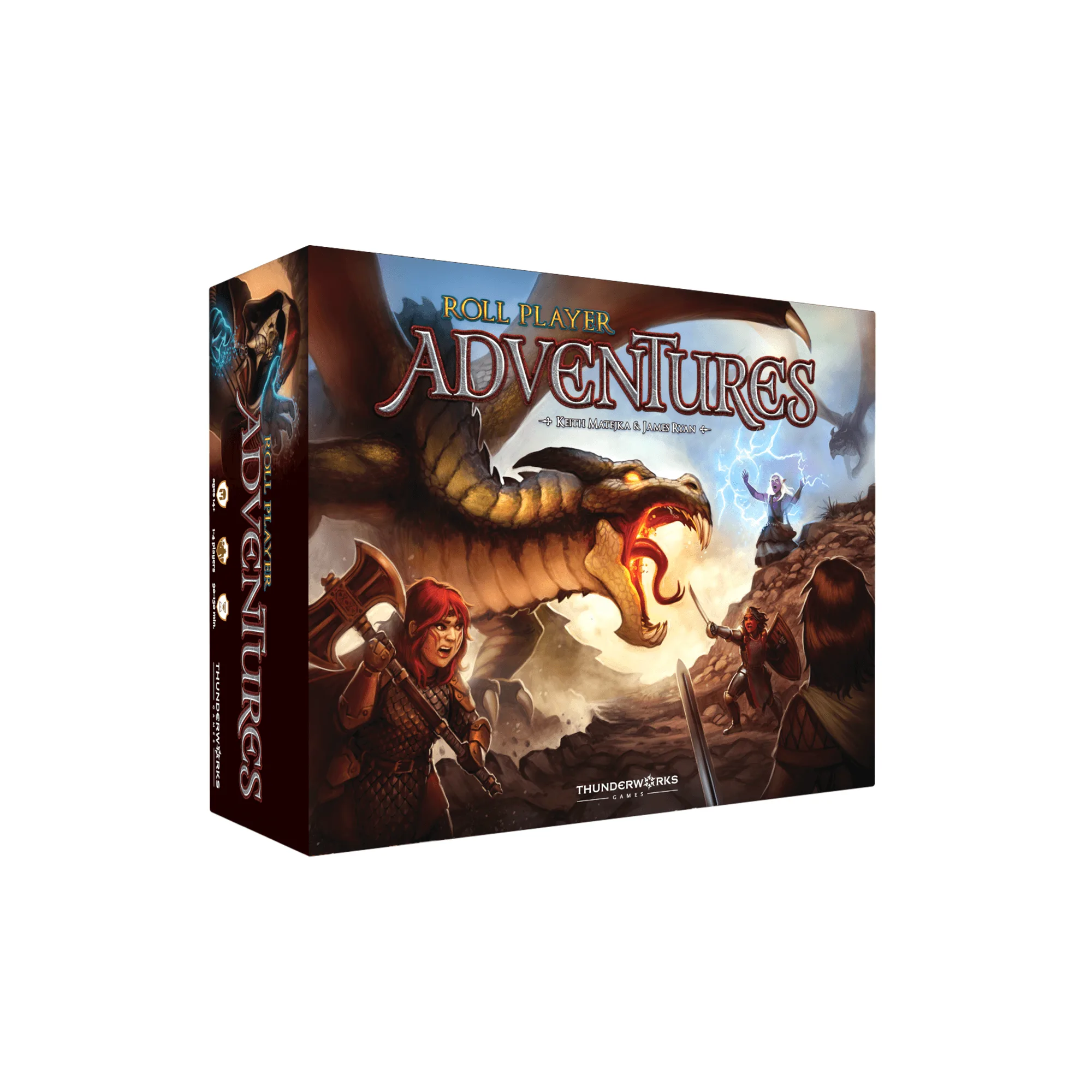
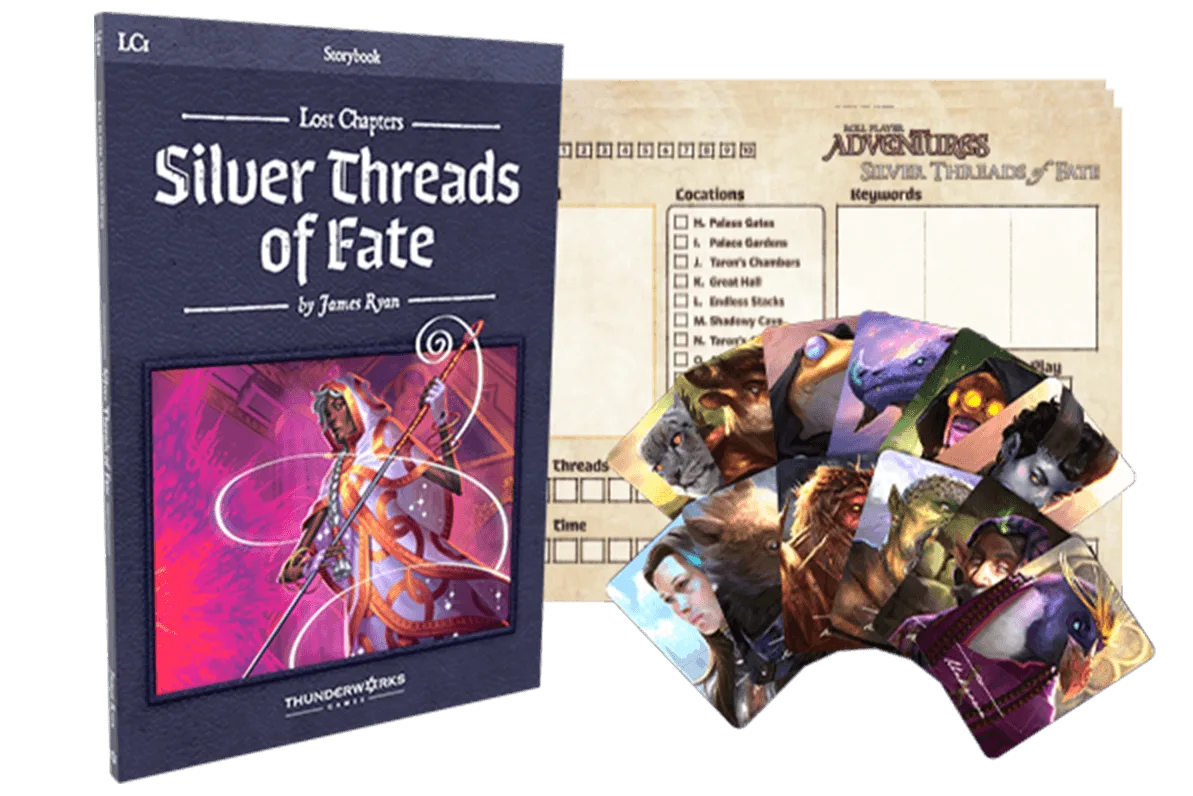
- Roll Player Adventures: Silver Threads of Fate + Lost Character Pack (Expansion): https://thunderworksgameseyb.com/products/roll-player-adventures-board-game-98f94c79c77c3648f8e6d5e8-897324Roll Player Adventures: Silver Threads of Fate + Lost Character Pack (Expansion) includes the 108-page Silver Threads of Fate Storybook, 10 Party Journals, and the Lost Character Pack. This expansion belongs in your campaign and legacy category with its base game, and the storybook and journals need a flat, protected spot rather than a loose pile.
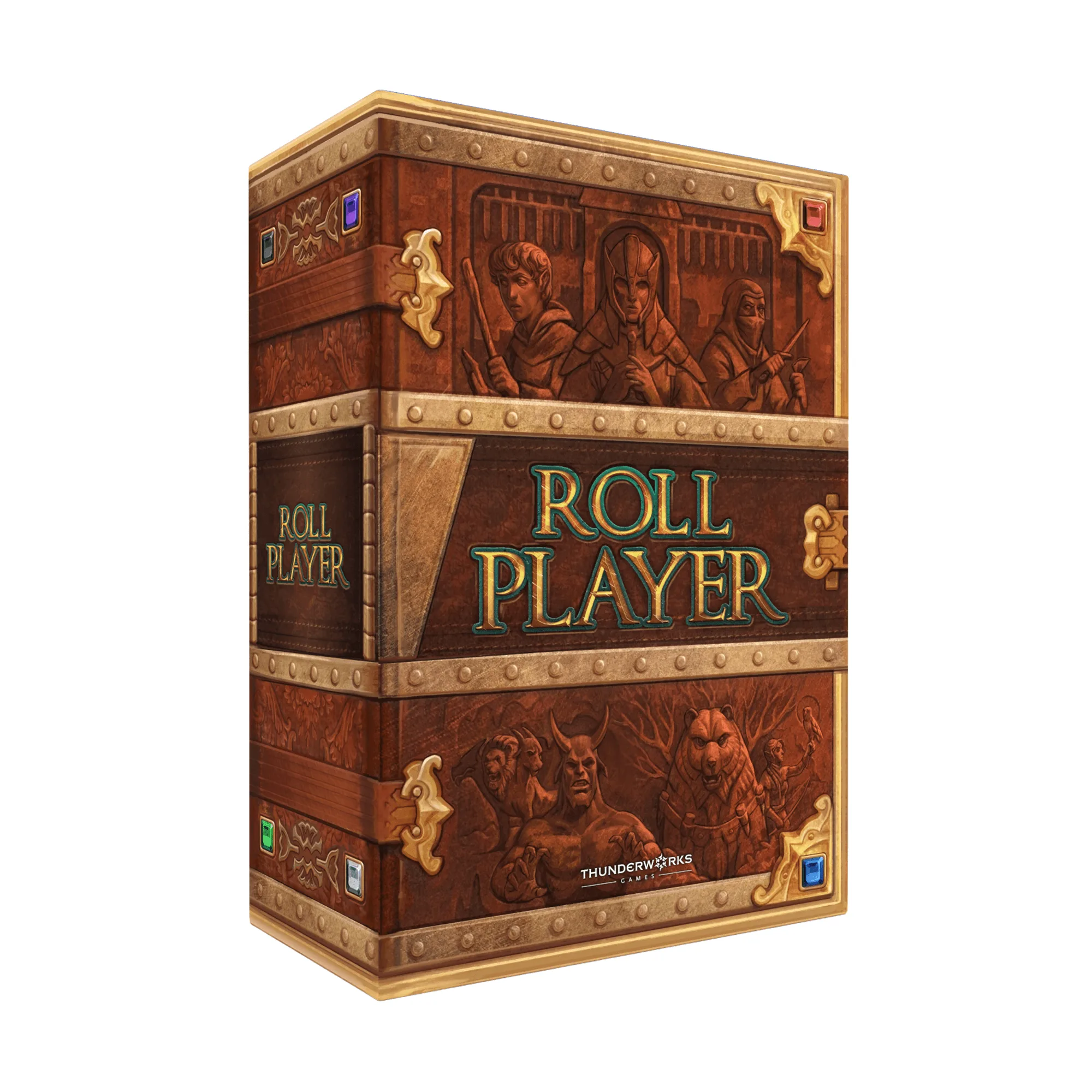
- Roll Player: Fiends & Familiars (Expansion) - BIG BOX: Roll Player: Fiends & Familiars (Expansion) - BIG BOX is the exclusive big box version of the second expansion and is designed to hold all gameplay content in one place. A big-box expansion can replace several smaller boxes in your heavy strategy zone, freeing shelf space and reducing the number of items you need to track.
- Swindler's Chest (Emerald Skulls only): Swindler's Chest (Emerald Skulls only) includes a double-sided playmat, 3 plastic trays, and a larger box that supports sleeved cards for both games. If you own Emerald Skulls, this chest consolidates the playmat and trays into one labeled home, which keeps accessories from drifting into other categories.