When you're training your dog, having quick access to treats can make or break a session. Fumbling with a bag or pocket can distract your pup and slow down your progress. That's why many trainers use a dedicated treat holder. But with so many options, you might wonder: should you choose a treat pouch or a fanny pack? Both serve the same basic purpose, but they have distinct features that suit different training styles and needs. In this comparison, we'll break down the differences to help you decide which one is better for you and your furry friend.
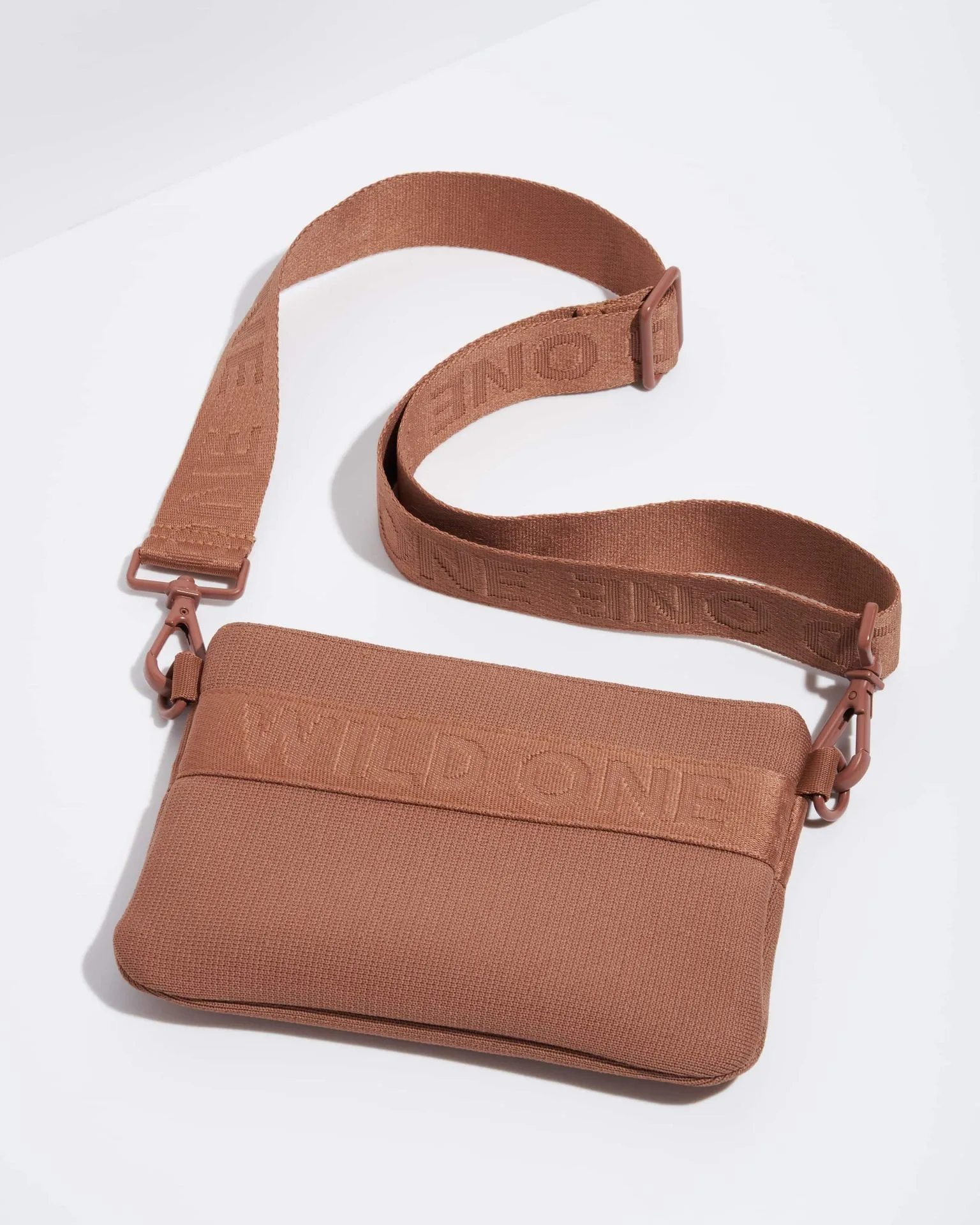
treat pouch
We'll look at key factors like accessibility, comfort, storage capacity, and durability. Whether you're a professional trainer or a pet parent teaching basic commands, this guide will clarify the pros and cons of each option. By the end, you'll know exactly which type of treat holder fits your training routine best.
Accessibility: Quick Treat Delivery Matters
In dog training, timing is everything. The faster you can reward your dog, the stronger the association between the behavior and the treat. Treat pouches typically have a wide opening with a magnetic or drawstring closure, allowing you to reach in and grab a treat in seconds. Many have a rigid rim that stays open, so you don't have to hold it with your other hand. This one-handed operation is a game-changer when you're also holding a leash or clicker.
Fanny packs, on the other hand, usually have a zipper or a flap that requires two hands to open and close. While some models have a quick-release buckle, you still need to unzip and dig inside. This can be awkward during fast-paced training sessions. However, some fanny packs come with a dedicated treat pocket on the front or side, which can improve accessibility. If you prioritize speed and ease, a treat pouch is often the better choice.
- Look for a treat pouch with a magnetic closure for one-handed access.
- If you prefer a fanny pack, choose one with a separate treat compartment.
Comfort and Fit: What Feels Best on Your Waist?
Comfort is crucial, especially during long training sessions. Treat pouches are typically small and lightweight, and they often come with an adjustable belt or clip that can be attached to your pants or a belt loop. They sit close to your body and don't bounce around much, which is great for active training. Many also feature a removable belt, so you can clip the pouch to a belt loop or a treat pouch strap for added convenience.
Fanny packs are bulkier and can feel heavier when filled with treats. They wrap around your waist and may shift or slide as you move. However, some fanny packs have a padded back and an ergonomic design that distributes weight evenly. If you carry a lot of gear—like a phone, keys, and waste bags—a fanny pack can be more practical. But for pure comfort and minimal interference, a treat pouch is usually more comfortable.
- If you have a small waist or prefer minimal bulk, a treat pouch is more comfortable.
- For long hikes or multi-tool needs, a fanny pack with a padded belt may be better.
Storage Capacity: How Much Do You Need to Carry?
Treat pouches generally hold a modest amount of treats—enough for a short training session. They often have an extra pocket for a clicker or a small bag of poop bags. If you're training for an hour or more, you might need to refill the pouch, which can be a hassle. Some larger treat pouches can hold a cup of treats, but they're still less spacious than a fanny pack.
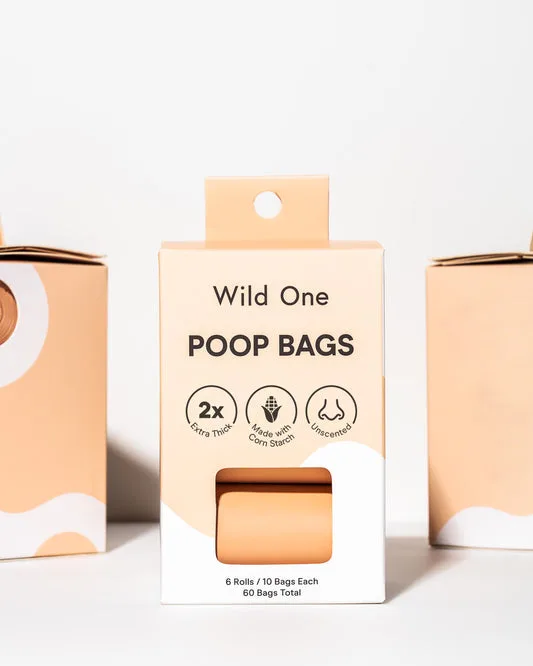
poop bags
Fanny packs offer significantly more storage. You can fit a full bag of treats, a water bottle, your phone, and even a small first-aid kit. This makes them ideal for long walks or multi-dog training sessions. However, having too much stuff can make the pack heavy and cumbersome. If you like to travel light, a treat pouch is sufficient. If you need to carry a lot of gear, a fanny pack is the better option.
- For everyday training, a treat pouch holds plenty of treats.
- For all-day adventures, a fanny pack keeps everything in one place.
Durability and Materials: Built to Last?
Both treat pouches and fanny packs are made from a variety of materials, from lightweight nylon to heavy-duty canvas. Treat pouches often feature a waterproof lining to keep treats fresh and protect your clothes from slobber. The best ones are also machine washable, which is a plus for hygiene. Fanny packs are usually more rugged, with reinforced stitching and weather-resistant zippers, making them suitable for outdoor use.
When choosing a treat holder, consider how often you'll use it and in what conditions. If you train in the rain or mud, a fanny pack with a waterproof shell might be more durable. If you need something easy to clean, a treat pouch with a removable liner is a good choice. Both types can last for years with proper care, but fanny packs tend to be more robust due to their larger size and construction.
- Check if the treat pouch has a waterproof lining for easy cleaning.
- Fanny packs with heavy-duty zippers are more durable for outdoor use.
Versatility: Beyond Treats
Treat pouches are designed specifically for training, but they can also hold other small items like a clicker, a whistle, or a small toy. Some have a D-ring to attach a leash or a poop bag dispenser. However, they're not ideal for carrying larger items. Fanny packs, on the other hand, are incredibly versatile. You can use them for hiking, traveling, or everyday errands, not just for dog training. This makes them a more multi-purpose investment.
If you're looking for a dedicated training tool, a treat pouch is the more focused choice. If you want something that can double as a day pack, a fanny pack offers more flexibility. Consider your lifestyle and how often you'll use the product beyond training sessions.
- Treat pouches often have attachment points for clickers and leashes.
- Fanny packs can be used for hiking, travel, and daily activities.
Cost and Value: What's in Your Budget?
Treat pouches are generally more affordable than fanny packs, with many quality options available at a lower price point. They're also easier to replace if they wear out. Fanny packs, especially those designed for athletic use, can be more expensive due to their larger size and additional features. However, a good fanny pack can serve multiple purposes, so the cost per use might be lower over time.
When deciding, think about your budget and how often you'll use the product. If you're just starting out, a treat pouch is a low-cost way to improve your training. If you're a professional trainer or need a durable pack for frequent use, investing in a high-quality fanny pack might be worth it.
- Treat pouches are budget-friendly and easy to replace.
- Fanny packs are a bigger investment but offer more value if used regularly.
Both treat pouches and fanny packs have their strengths. For quick, focused training sessions, a treat pouch offers unmatched accessibility and comfort. For longer outings or if you need to carry extra gear, a fanny pack provides more storage and versatility. Evaluate your training style and daily needs to make the right choice. And remember, the best treat holder is one that you'll actually use consistently. If you're looking for a reliable treat pouch, check out the Mealtime Kit from Wildone, which includes a durable treat pouch and other essentials for training.