Quick answer
For most dog trainers, a dedicated treat pouch wins on accessibility and glove-friendly use, while a fanny pack offers more room for phone, keys, and waste bags. Choose a treat pouch for quick reward delivery and a fanny pack for all-day convenience when you need to carry more gear.
Accessibility: How Fast Can You Reward?
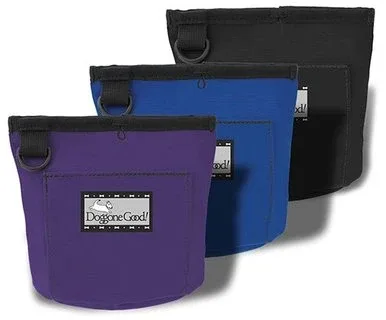
In training, timing matters. A treat pouch sits at your waist with a wide, open mouth, letting you grab a treat in one motion without looking. Many tactical treat pouches use rigid openings that stay open even when the pouch is nearly empty, so you can reach in quickly during active sessions. Fanny packs, by contrast, often have a zippered main compartment that requires two hands and a moment of attention to open. If you reward frequently or work with high-energy dogs, the seconds saved by a treat pouch add up.
Organization: What Else Do You Need to Carry?
A fanny pack shines when you need to bring more than treats. Phone, keys, clicker, waste bags, and even a small first-aid kit fit neatly in a multi-pocket fanny pack, keeping everything off your hands and in one place. Treat pouches, however, usually focus on treat storage with a few small pockets for accessories. If your training sessions are short and treat-focused, a pouch keeps things simple. For long days at trials or in the field, a fanny pack's extra capacity reduces the need for a separate bag.
Durability and Materials: Built for the Job
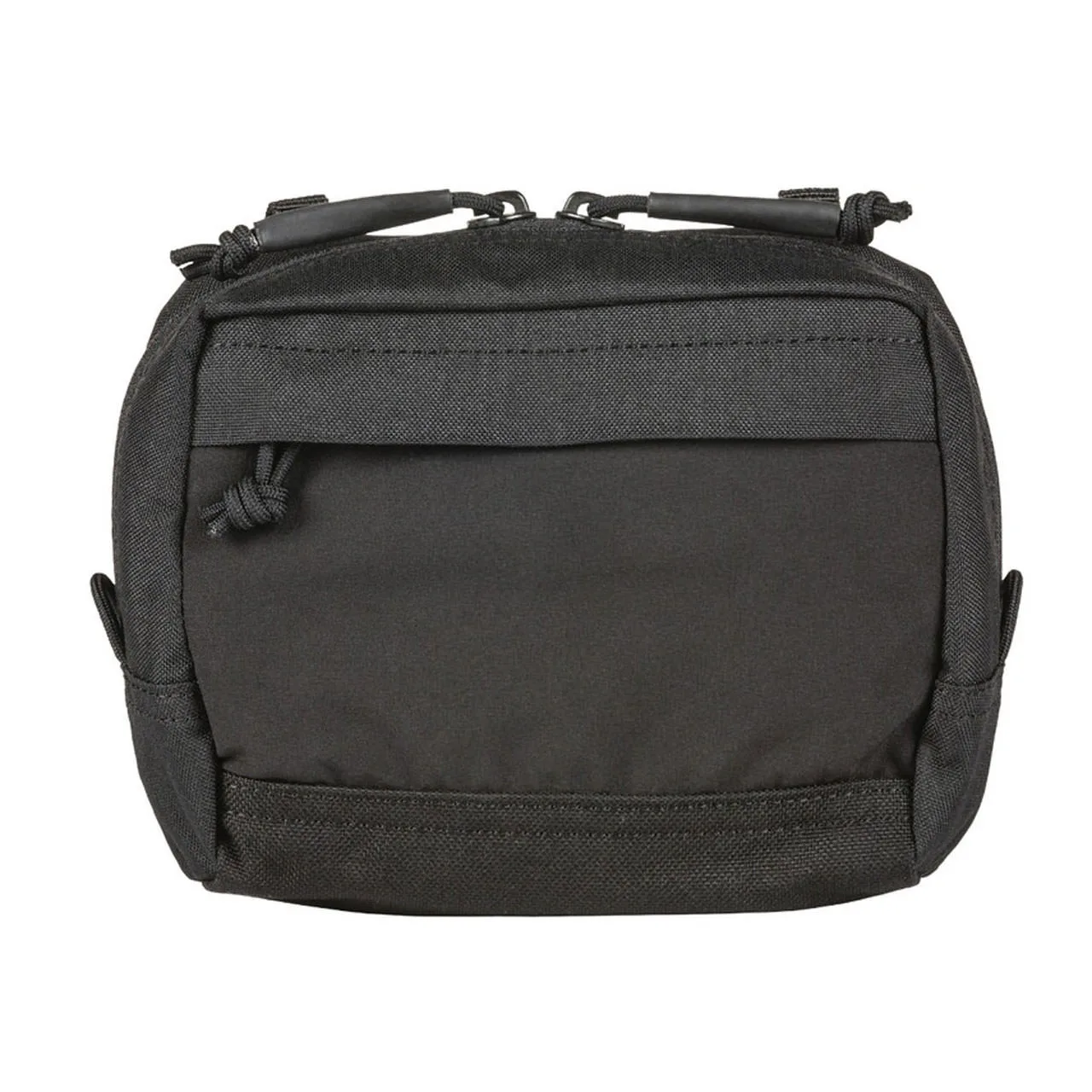
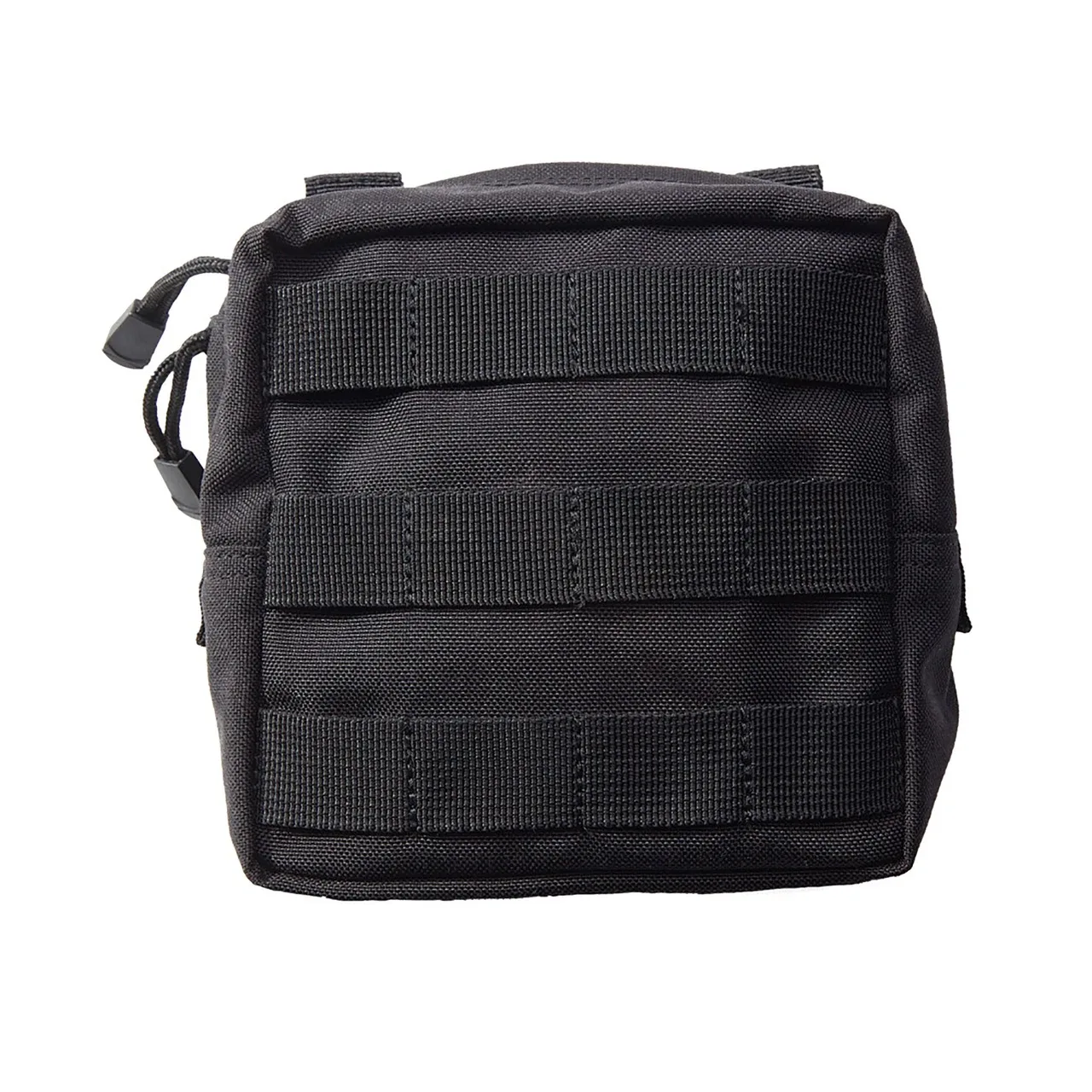
Both options come in tough materials, but tactical treat pouches often use heavy-duty nylon like 1000D, which resists punctures and abrasion from dog claws and brush. A quality fanny pack may use similar fabric, but the zippers and buckles are the weak points. Look for reinforced stitching and reliable zippers, especially if you train outdoors. For example, a tactical pouch like the 5.11 Tactical 6.6 Standard Pouch uses 1000D nylon and a YKK zipper, making it a durable choice for all-weather use. When comparing, check the fabric denier and zipper brand to gauge longevity.
Trade-offs at a glance
- Quick access vs. extra storage: Treat pouches offer one-motion treat retrieval; fanny packs hold more gear but often require unzipping to reach treats. Choose a treat pouch if timing is critical; choose a fanny pack if you need to carry more than treats.
- Compact vs. roomy: Treat pouches are slim and don't get in the way during movement; fanny packs can bulge and shift when loaded with heavy items. For agility or fast-paced sessions, a compact pouch keeps you unencumbered.
- Durable materials vs. zipper reliability: Tactical pouches often use heavy-duty nylon (e.g., 1000D) with robust zippers; standard fanny packs may use lighter fabric and cheaper zippers. If you train in harsh conditions, invest in a tactical pouch with proven durability.
Product facts to consider
- 5.11 Tactical 6.6 Standard Pouch: The 5.11 Tactical 6.6 Standard Pouch is crafted from ultra-durable 1000D nylon and features a YKK zipper with a molded grip pull for glove-friendly accessibility. It is compatible with MOLLE and the 5.11 SlickStick. If you need a tactical treat pouch that stands up to rough use and lets you open it with gloves on, this pouch's durable build and easy-grip zipper make it a practical choice for outdoor or professional training.
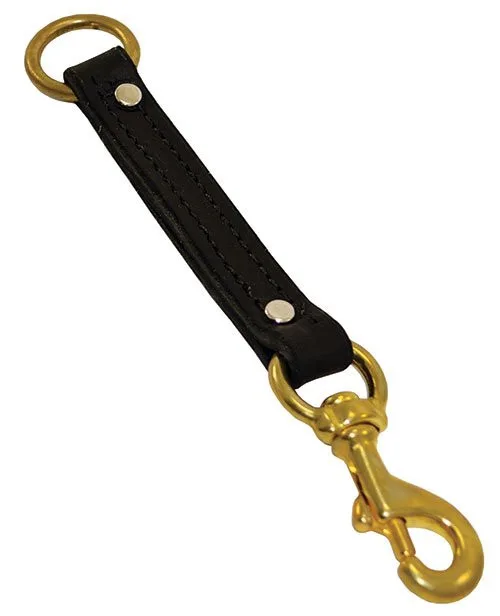
- Gray Leather Agitation Lead: The Gray Leather Agitation Lead is a 5' lead made of 7/8" width heavy leather, finished with a 1" Stainless Steel bolt snap, and carefully riveted and lock-stitched with waxed nylon thread. When you're carrying a waist pouch, a heavy-duty leather lead with a secure snap gives you a reliable grip and control, complementing your waist setup for working sessions.
Which should you choose?
Best for
- Trainers who reward frequently and need instant access to treats
- Those who prefer a low-profile waist pouch that doesn't interfere with movement
Not for
- Trainers who need to carry a phone, keys, and other essentials and prefer a single bag