Quick answer
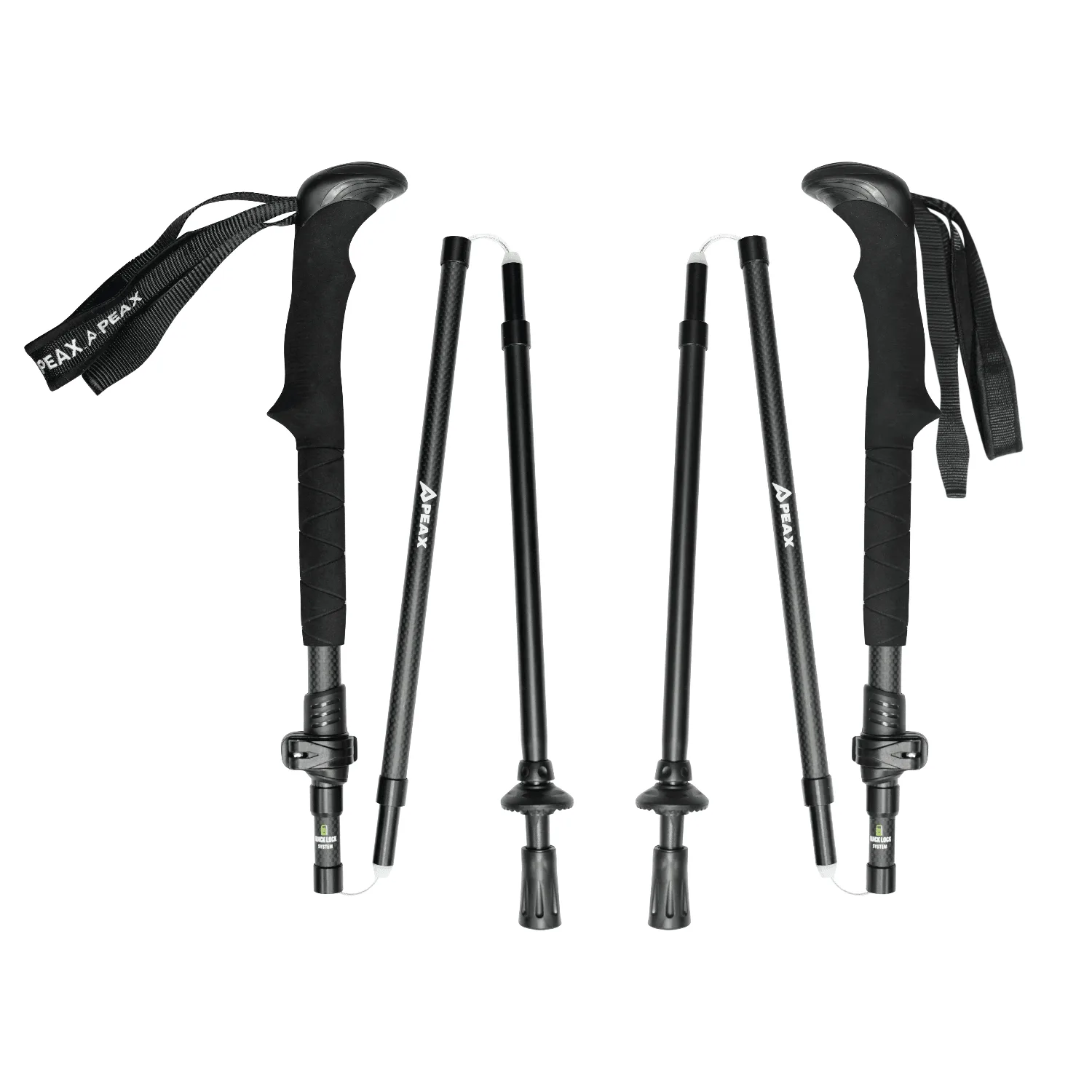
For backcountry hunting, prioritize a length that matches your height and terrain, a cork or foam grip that stays comfortable with gloves, and a locking mechanism you can trust when you weight the pole. If you move fast and pack light, a compact folding pole with a cork handle—like the PEAX Backcountry Z (Cork) Trekking Poles—covers most steep, loose ground without adding bulk to your pack.
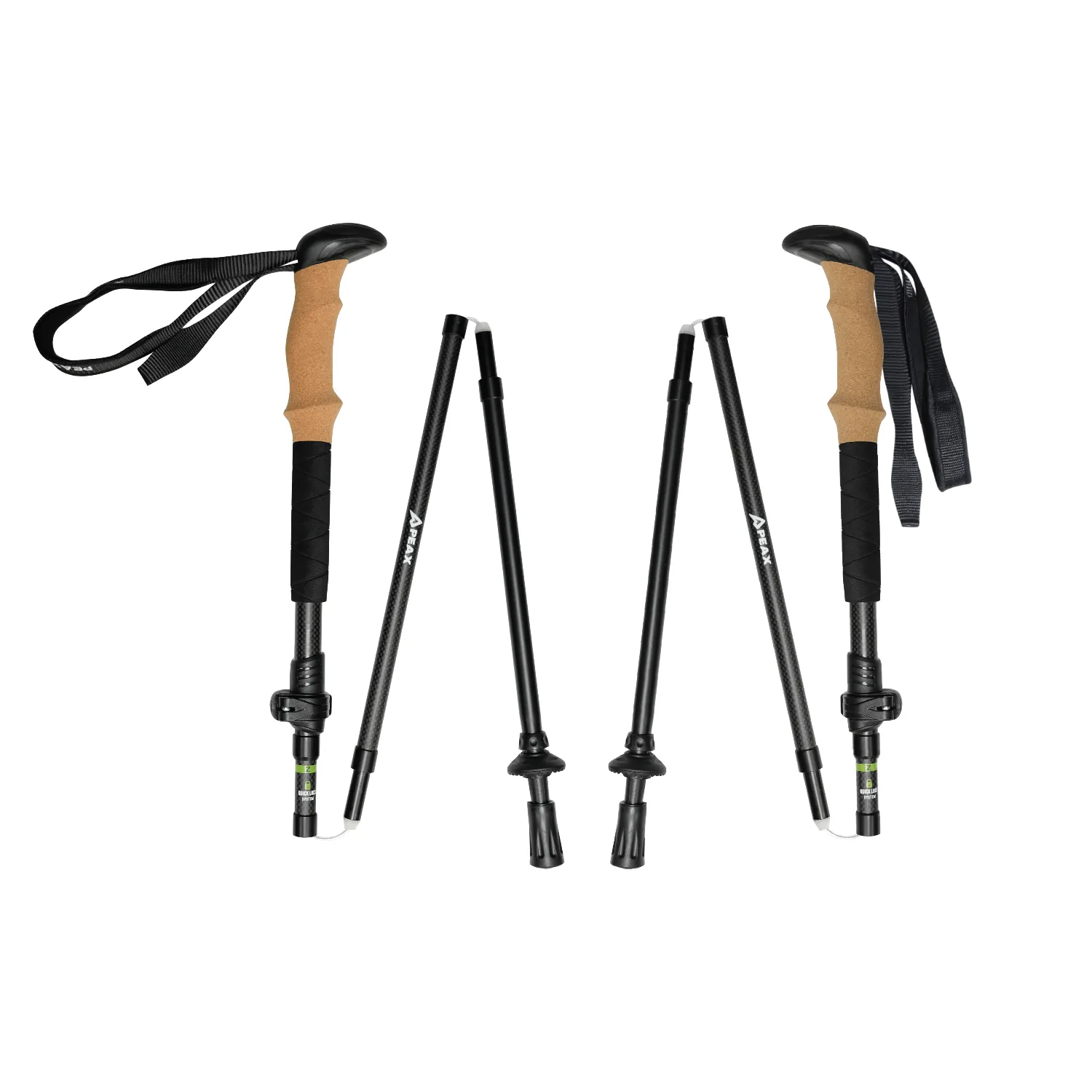
PEAX Backcountry Z (Cork) Trekking Poles
Trekking poles are simple tools, but the details decide whether they help or hurt on a hunt. Length, grip material, and locking mechanism are the three features that separate poles you forget about from poles you fight with all day.
This guide breaks down those features with concrete decision rules, so you can pick poles that match your height, your terrain, and how you carry them when they are not in your hands.
Trekking pole length guide: match the pole to your body and the slope
Length is the first spec to get right. A common starting point is to stand the pole upright with the tip on the ground and the grip near your armpit; from there, adjust for terrain. On steep climbs, shorten the pole by a few inches so you can push down without reaching. On descents, lengthen it slightly for a stable plant ahead of you.
Fixed-length poles are lighter and simpler, but adjustable poles give you the range to change length as the grade changes. If you hunt rolling or mixed terrain, an adjustable pole is the more versatile choice. If you mostly traverse the same kind of ground, a fixed-length or single-length pole can save weight.
- Measure with your boots on, since sole thickness changes your effective height.
- Mark your preferred length settings with tape so you can reset them fast in the dark.
Trekking pole grip types: cork, foam, and rubber
Grip material affects comfort, sweat handling, and how the pole feels with gloves. Cork molds to your hand over time and manages moisture well, which is why it is common on long-distance and backcountry poles. Foam is lighter and often softer, but it can feel slick when wet. Rubber grips are durable and grippy but tend to hold heat and sweat.
For hunting, a cork grip is a strong default because it stays comfortable during long days and works with light gloves. If you run very cold or wet conditions and prefer a firm hold, a rubber or foam grip can make sense. The key is to try the grip with the gloves you actually wear.
- Cork: best for long days, sweat, and all-day comfort.
- Foam: lighter, but check how it feels when wet.
- Rubber: durable and grippy, but can get hot and sweaty.
Trekking pole locking mechanisms: flick locks, twist locks, and folding poles
Locking mechanisms decide how fast you can adjust and how much weight the pole can take. Flick locks are quick to set and easy to check with gloves, but they can snag on brush and need occasional tightening. Twist locks are streamlined and less snag-prone, but they can be slower to adjust and can slip if not tightened firmly.
Folding poles use a cord or cable system and break down small, which is a big advantage when the pole rides on your pack. The trade-off is that folding poles usually have fewer length-adjustment points. If you need a compact pole for brushy or steep country, a folding design like the PEAX Backcountry Z (Cork) Trekking Poles packs down small while still providing support when deployed.
- Test the lock by leaning your weight on the pole before you trust it on a steep sidehill.
- Clean grit out of the lock area; grit is a common cause of slipping.
Weight, packability, and the specs that matter on a hunt
Weight and packed size matter when the pole is on your pack rather than in your hand. A lighter pole reduces fatigue on long approaches, and a compact pole is less likely to catch on brush or tree limbs. Look at the collapsed length and the weight per pole, not just the total.
Also check the tip and basket compatibility. Carbide tips bite into rock and hard ground, while baskets keep the pole from sinking in soft dirt or snow. If you hunt in deep snow or mud, a basket is not optional. These small specs often decide whether a pole feels like a tool or a hassle.
- Compare collapsed length to your pack height so the pole does not stick out.
- Carry a spare basket or tip if your terrain varies from rock to mud.
Decision rules for choosing trekking poles
- Match length to your height and terrain: Start with the grip near your armpit when standing, then shorten for climbs and lengthen for descents. Adjustable poles give you the range to do this; fixed poles are simpler but less flexible. If you hunt mixed grades, choose adjustable length.
- Choose grip material for your conditions: Cork manages sweat and stays comfortable over long days. Foam is lighter but can feel slick when wet. Rubber is durable and grippy but can get hot. For most backcountry hunts, cork is the safest all-day choice.
- Pick a locking mechanism you can trust with gloves: Flick locks are fast and easy to check; twist locks are streamlined but can slip if not tight. Folding poles pack small but offer fewer adjustment points. Test the lock under weight before you rely on it on a steep sidehill.
- Weigh packability against adjustability: If the pole will spend time on your pack, collapsed length matters as much as weight. If you need fine length changes for steep terrain, prioritize adjustable sections. Decide where the pole will live most of the day before you buy.
Product facts
- PEAX BACKCOUNTRY Z (CORK) TREKKING POLES: Cork handle trekking poles designed for hunters who move fast and travel light, with lightweight performance, compact storage, and all-day comfort in demanding mountain terrain. If you want a pole that packs down small when not in use and stays comfortable on long days, this design matches that use case.
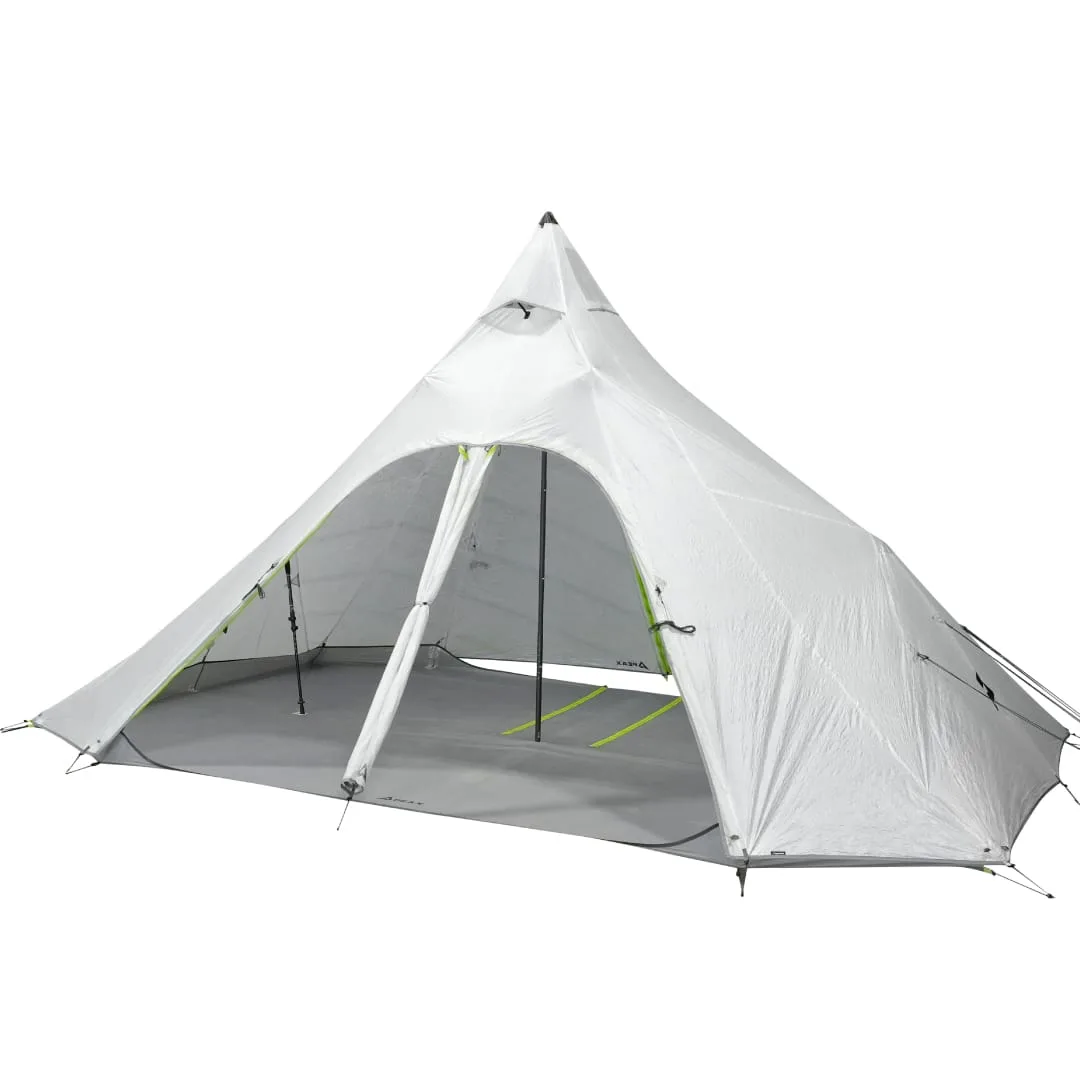
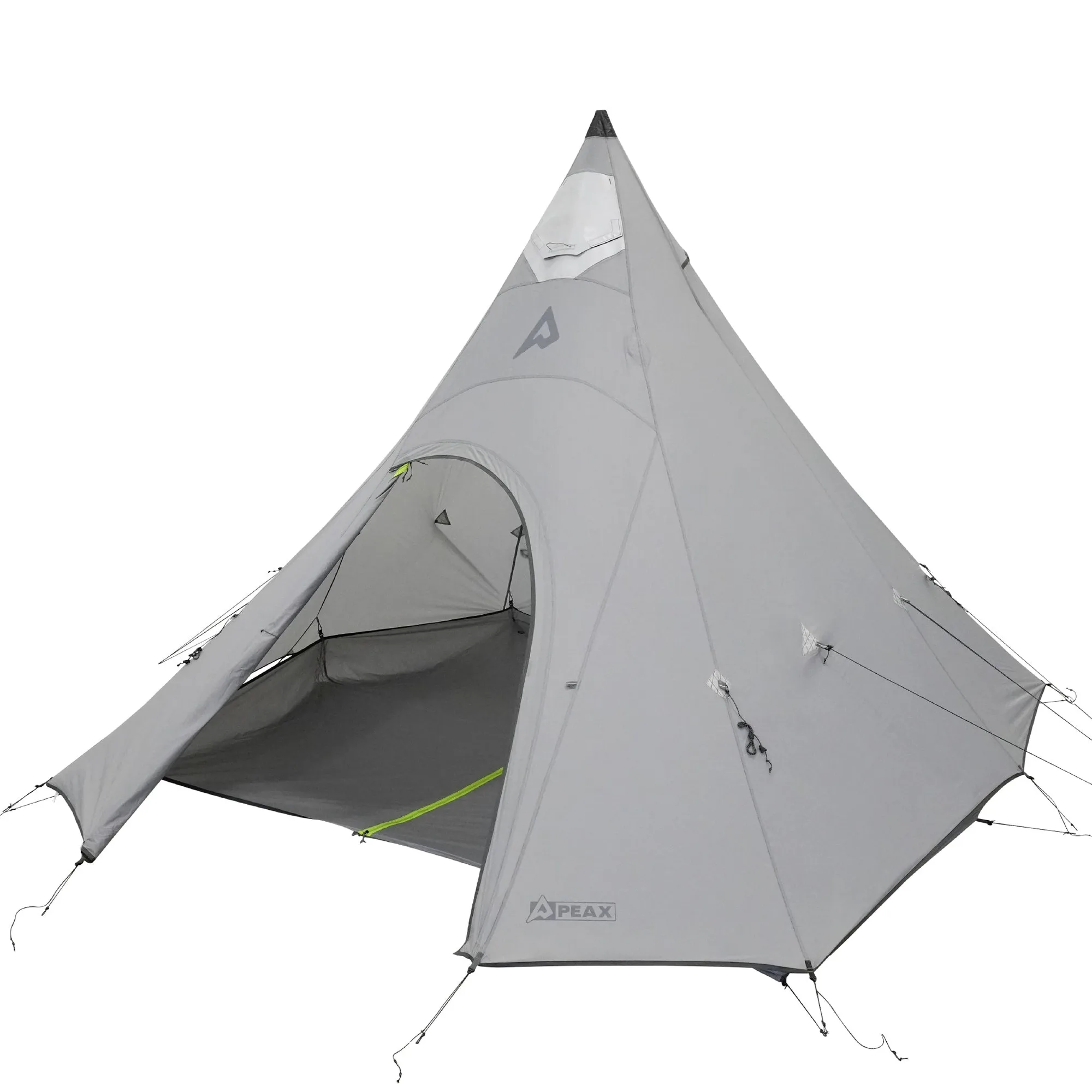
- https://peaxequipmentpo.com/products/solitude-6-tipi-tent-dyneema-only-02bd269ffc1263f72b253975-1925128SOLITUDE 6 TIPI TENT [DYNEEMA] ONLY: A 4 season tent with stove compatibility, built for dependable protection, exceptional livability, and reliable performance in demanding backcountry conditions. Shelter choice affects how much you carry and how you move; a stove-compatible tipi can be a basecamp anchor while trekking poles handle daily travel.
Who trekking poles are for
Best for
- Hunters covering steep, loose, or unpredictable ground who want added stability
- Backpackers who need poles to pack down small when not in use
- Anyone carrying a heavy pack who wants to reduce strain on descents
Not for
- Hunters who stay on flat, maintained trails and prefer to keep their hands free
- Anyone who wants a single fixed-length pole and never adjusts for terrain
- People who will not check or maintain locking mechanisms
Trekking pole features are not about hype; they are about matching length, grip, and locks to how you actually hunt. Get those three right, and the poles become quiet, reliable support instead of another thing to manage.