Quick answer
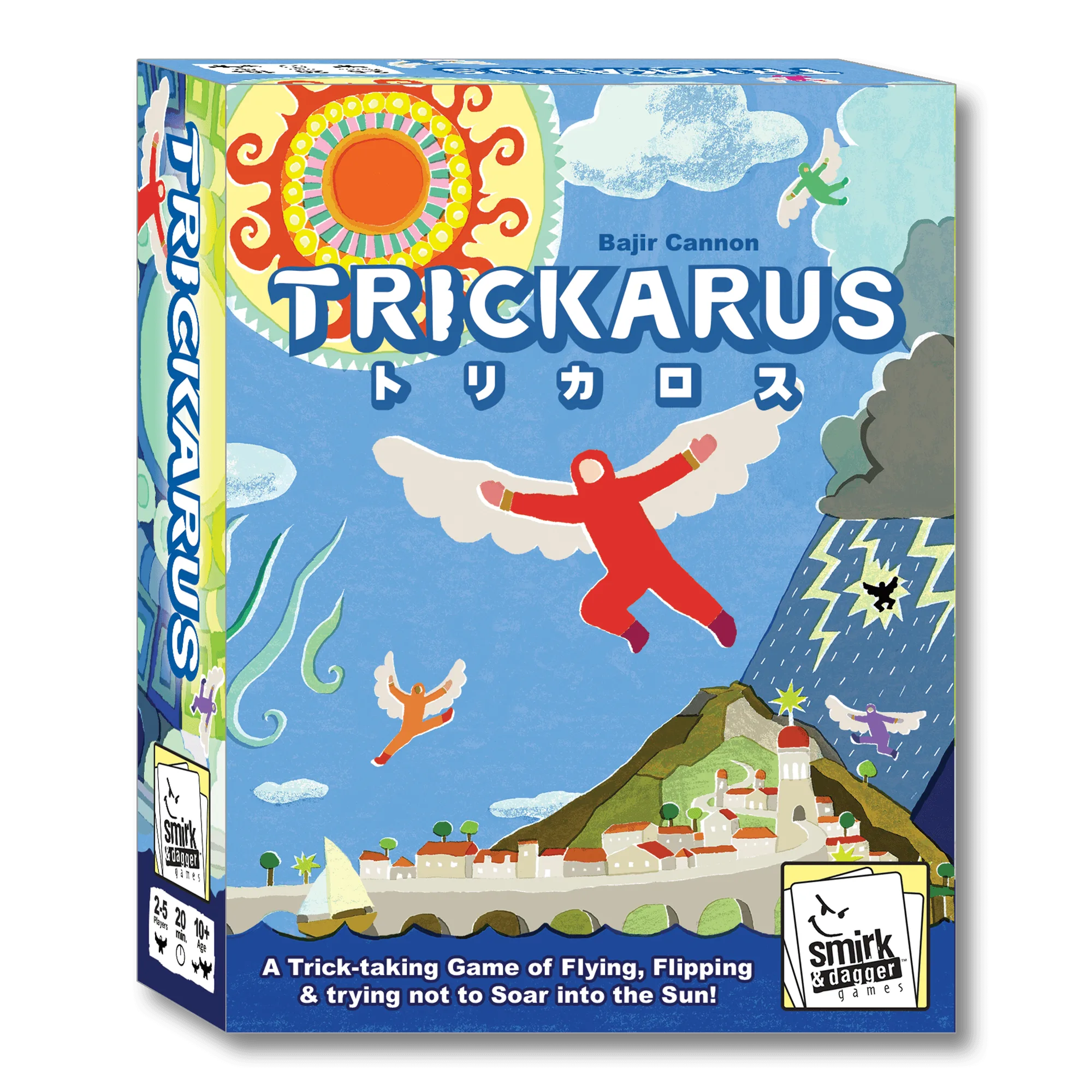
Trickarus is a must-follow trick-taking card game where winning tricks lifts you higher into the sky, but winning too much can send you crashing down. Classic trick-taking card games usually reward taking the most tricks or the most valuable cards. If your group already knows how to follow suit, Trickarus gives you the same rhythm with a risk-reward twist.
Trickarus
If you have played Hearts, Spades, or Euchre, you already understand the core loop of a trick-taking game: players play cards one at a time, someone wins the trick, and the winner leads the next one. Trickarus keeps that familiar structure but changes what winning actually means.
This comparison looks at where Trickarus departs from classic trick-taking card games, where it stays familiar, and which type of group will enjoy it more. The goal is to help you decide whether to bring it to your table or stick with the classics you already know.
The core twist: winning can hurt you
In most classic trick-taking card games, the player who takes the most tricks or the most valuable cards wins the round. Trickarus flips that expectation. Winning tricks sends you higher into the sky, but at some point, flying too close to the sun can bring disaster. The game is built around the legend of Icarus and his friends, who crafted handmade wings and soared higher and higher.
That means you are not simply trying to win every trick. You are managing how many you win and when. The tension shifts from pure trick collection to timing and restraint, which is a meaningful change for players who are used to counting tricks and pushing for the lead.
- If you enjoy games where the goal is to avoid winning too much, Trickarus will feel intuitive.
- If you prefer straightforward trick collection, classic games may be a better fit.
What stays familiar for experienced card players
Trickarus is described as a must-follow trick-taking game, so the basic obligation to follow suit when you can remains. That is the same skill foundation you use in Hearts, Spades, and similar games. If your group already knows how to track suits and think about what has been played, you can teach Trickarus quickly.
The familiarity matters because it lowers the barrier to entry. You are not learning a completely new genre. You are applying existing trick-taking instincts to a different scoring goal, which makes it a good bridge between traditional card games and modern designs.
- Teach the follow-suit rule first, then explain the crash risk.
- Play one practice round with open hands to show how winning too much becomes dangerous.
Where classic trick-taking games still win
Classic trick-taking card games have decades of tradition, widely known variants, and often require nothing more than a standard deck. That simplicity is a real advantage for travel, large groups, or players who do not want to learn a new scoring system. If your table values zero setup and universal familiarity, a traditional deck is hard to beat.
Trickarus, by contrast, is a dedicated card game with its own components and rules. It asks players to learn a specific crash condition and a themed goal. That extra layer is the point, but it is also a trade-off: you gain a fresh twist and lose the instant accessibility of a deck everyone already owns.
- Choose a classic game when you need something everyone already knows.
- Choose Trickarus when your group wants a known mechanic with a new decision layer.
How Trickarus fits into a modern trick-taking shelf
Modern trick-taking games often add a twist to the classic formula, and Trickarus fits that pattern. It keeps the must-follow structure but makes the scoring goal about managing altitude rather than simply collecting the most tricks. That makes it a conversation piece for groups who have played the classics and want something different without leaving the genre.
At a catalog price of USD 7.50, compared with a catalog comparison price of USD 14.99, Trickarus is also an easy addition if you are curious about modern trick-taking games. It sits comfortably next to other small card games in a collection and does not demand a large time or space commitment.
- Pair it with a classic deck for a game night that covers both old and new.
- Use it as a stepping stone for players who already know Hearts or Spades.
Trade-offs to weigh
- Familiar rules vs. new goal: Trickarus keeps the must-follow trick-taking structure but changes the objective from collecting tricks to avoiding a crash from winning too many. Great for players who know trick-taking but want a fresh challenge.
- Dedicated components vs. standard deck: Classic trick-taking games often need only a standard deck, while Trickarus is a dedicated card game with its own cards and theme. Choose based on whether you value portability and familiarity or a tailored experience.
- Competitive trick play vs. cooperative alternatives: Trickarus is competitive, while games like The Night Cage and The SPILL are fully cooperative. Pick based on whether your group prefers head-to-head play or working together.
Product facts
- Trickarus: Trickarus is a must-follow trick-taking card game where winning tricks sends you higher into the sky, but winning too much can send you crashing down. This is the central trade-off: you still follow suit like a classic trick-taking game, but your scoring goal is to manage how many tricks you win rather than maximize them.
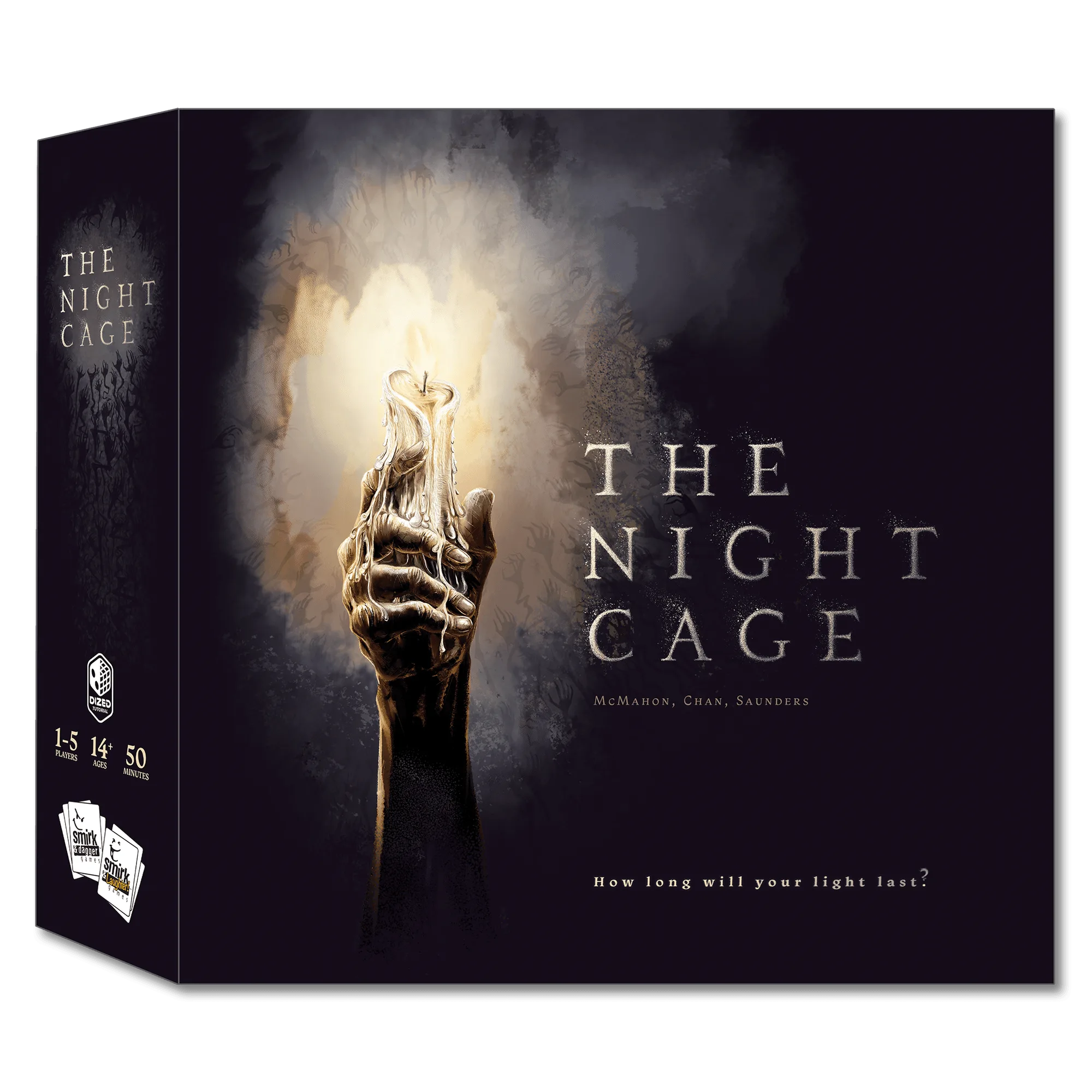
- The Night Cage: The Night Cage is a fully cooperative, horror-themed, tile-placement game that traps 1 to 4 lost souls within an otherworldly labyrinth of eternal darkness. If your group prefers cooperation over competitive trick-taking, this is a different style of card and tile game to consider instead.
- The SPILL: a dynamic co-op game of saving our oceans from a disaster: A fully co-op game featuring a 4-way dice tower pouring oil into the ocean. Another cooperative alternative if you want a shared goal rather than the individual risk management of Trickarus.
Who should buy which
Best for
- Players who already know trick-taking games like Hearts or Spades and want a new twist.
- Groups looking for a small, affordable modern trick-taking card game with a risk-reward decision.
- Game nights that want a competitive card game with a clear theme and quick teach.
Not for
- Players who want a purely traditional trick-taking experience with no special crash rule.
- Groups that prefer fully cooperative games where everyone wins or loses together.
- Tables that only want to play with a standard deck of playing cards.
Trickarus respects the trick-taking foundation you already know, then adds a crash risk that makes every trick a decision. If your group enjoys classics but wants a modern twist, it is worth a look. If you want pure tradition or full cooperation, choose a classic deck or a cooperative game instead.