Quick Answer
Choose the Trilenium polarized lens for outdoor glare and UV protection; choose the RX Clear Lens for screen-heavy indoor use and blue-light filtering. Both are RX-ready, so your prescription can be added to either.
What Each Lens Does Differently
The Trilenium polarized lens is designed to cut glare from reflective surfaces like water, roads, and snow. Its non-mirror finish keeps the front of the lens clean and unmirrored, which some people prefer for a more traditional look. This lens is a strong pick if you spend time outdoors and want sharper vision in bright conditions.
The RX Clear Lens is a transparent option that blocks blue light and UV, according to the product description. It doesn't reduce glare, but it can help ease eye strain during long hours in front of screens. Because it's clear, it also works well in low-light settings where dark lenses would be impractical.
The Trade-Off: Glare Control vs. Color Accuracy
Polarized lenses filter out horizontal light waves that cause glare, but they can also affect how you see certain screens—like car dashboards or phone displays—and can make some LCD screens look darker. If you frequently check a device while outdoors, the Trilenium polarized lens might require a small adjustment.
Clear lenses don't alter colors or darken your view, but they won't help with blinding reflections on a sunny day. If you're driving into the sun or spending a day at the beach, the clear lens won't provide the same relief as polarized sunglasses.
How to Decide: Trade-Offs to Weigh
- Outdoor glare vs. indoor comfort: If you spend most of your day outside or drive frequently in bright sun, the Trilenium polarized lens is the better fit. If you're mostly at a desk with screens, the clear lens with blue-light blocking will serve you better. Match the lens to your primary environment, not just your prescription.
- Screen visibility vs. color accuracy: Polarized lenses can make some digital screens appear darker or show rainbow patterns. Clear lenses keep screen colors true but won't reduce glare from reflective surfaces. If you rely on your phone or car display while outdoors, test the polarized lens before committing.
- UV protection vs. brightness reduction: Both lenses offer UV blocking, but the polarized lens also cuts glare and reduces brightness, making it more comfortable in intense sunlight. The clear lens is better for overcast days or evening wear. Consider the typical lighting conditions you'll be in most often.
Lens Options at a Glance
-
RX Original Trilenium® Polarized Non-Mirror Lens: The RX Original Trilenium® Polarized Non-Mirror Lens is polarized and has a non-mirror finish. This means you get glare reduction without a reflective coating on the front, which suits people who prefer a classic, understated look.
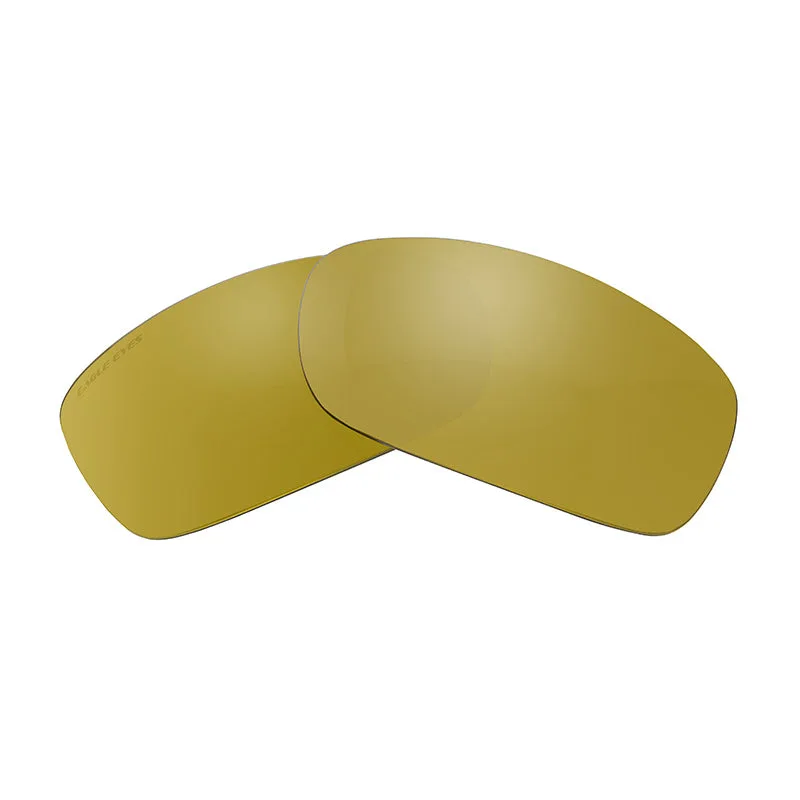
RX Original Trilenium® Polarized Non-Mirror Lens
-
RX Clear Lens: The RX Clear Lens blocks blue light and UV, as stated in the product description, and is a clear lens option. It's a practical choice for indoor screen use and low-light conditions where dark or mirrored lenses would be too heavy.
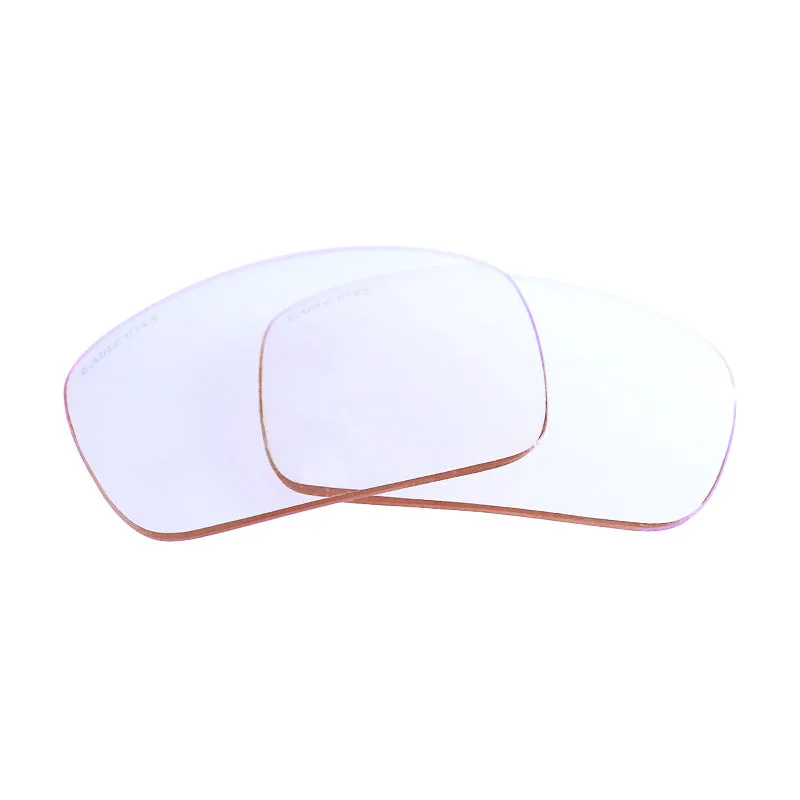
RX Clear Lens
Which Lens Fits Your Lifestyle?
Best for
- Frequent drivers and outdoor enthusiasts who need glare reduction
- People who want a non-mirrored look with polarized performance
Not for
- Indoor workers who spend long hours on screens and need blue-light blocking
- Anyone who prefers a clear lens for low-light or evening use