Quick Answer
Trimmer blades need regular oiling, cleaning, and proper storage to stay sharp. Most blades last 6-12 months with daily use, but signs like pulling or uneven cuts mean it's time to replace. For specific questions, see below.
Whether you're a professional barber or trimming at home, trimmer blades can be puzzling. How often should you oil them? Can you sharpen them? When is it time to replace? We've gathered the most common questions and give you straight answers.
In this FAQ, we'll cover care, lifespan, sharpening, and replacement, with practical tips you can use right away.
How Often Should I Oil My Trimmer Blades?
Oiling is essential for smooth operation and blade longevity. For professional use, oil your blades daily or before each client. For home use, oil every 2-4 weeks or when you notice the trimmer pulling or making noise. Always use clipper oil, not household oils, which can gum up.
Apply 1-2 drops to the blade's pivot point and along the cutting edge, then run the trimmer for a few seconds to distribute. Wipe off excess to prevent attracting hair and debris.
- Oil frequency: daily for pros, bi-weekly for home users.
- Use only clipper oil, not WD-40 or cooking oil.
- Run the trimmer briefly after oiling to spread it evenly.
How Long Do Trimmer Blades Last?
Blade lifespan varies based on usage, hair type, and maintenance. With daily professional use, blades may last 6-12 months. Home users can get 1-2 years or more. High-quality blades, like those with Black Diamond carbon coating, resist rust and stay sharp longer.
Signs of wear include pulling hair, uneven cuts, or increased noise. If you notice these, try cleaning and oiling first. If the problem persists, it's time to replace the blade.
- Professional daily use: 6-12 months.
- Home use: 1-2 years or more.
- Signs of wear: pulling, uneven cuts, noise.
Can I Sharpen Trimmer Blades?
Some blades can be sharpened, but it's tricky and often not worth the effort. Professional sharpening services exist, but DIY methods risk damaging the blade's alignment. Many modern blades are designed to be replaced when dull.
Self-sharpening blades, like the Black DLC Faper Clipper Blade, are designed to maintain their edge longer. However, even they will eventually wear out. If you're considering sharpening, weigh the cost against a replacement blade—often the safer choice.
- Sharpening is possible but risky; replacement is often better.
- Self-sharpening blades reduce maintenance needs.
- Check if your blade is meant to be replaced, not sharpened.
How Do I Know When to Replace My Trimmer Blades?
Replace blades when they show visible damage like chips or rust, or when cleaning and oiling no longer fixes pulling or uneven cutting. Also, if the blade doesn't fit securely or the screws are stripped, replace both the blade and screws.
Regularly inspecting your blades helps you catch issues early. Keep spare blades on hand to avoid downtime, especially for professional use.
- Replace if chips, rust, or dullness persist after oiling.
- Check screws for wear; replace if stripped.
- Keep spare blades to minimize downtime.
Key Takeaways
Oil regularly
Daily for pros, bi-weekly for home users. Use clipper oil only. Prevents friction and extends blade life.
Know when to replace
Replace if dullness persists after cleaning and oiling, or if there's visible damage. Avoids poor cuts and potential skin irritation.
Consider quality blades
High-quality blades like Black Diamond carbon resist rust and stay sharp longer. Saves money and time in the long run.
Products That Help
- Black DLC Faper Clipper Blade & Slim Deep Tooth Cutter: Our highest quality Black Diamond Carbon blade is rust and corrosion impermeable, self-sharpening, stays cooler and sharper longer. This blade reduces maintenance and lasts longer, making it a good investment for heavy use.
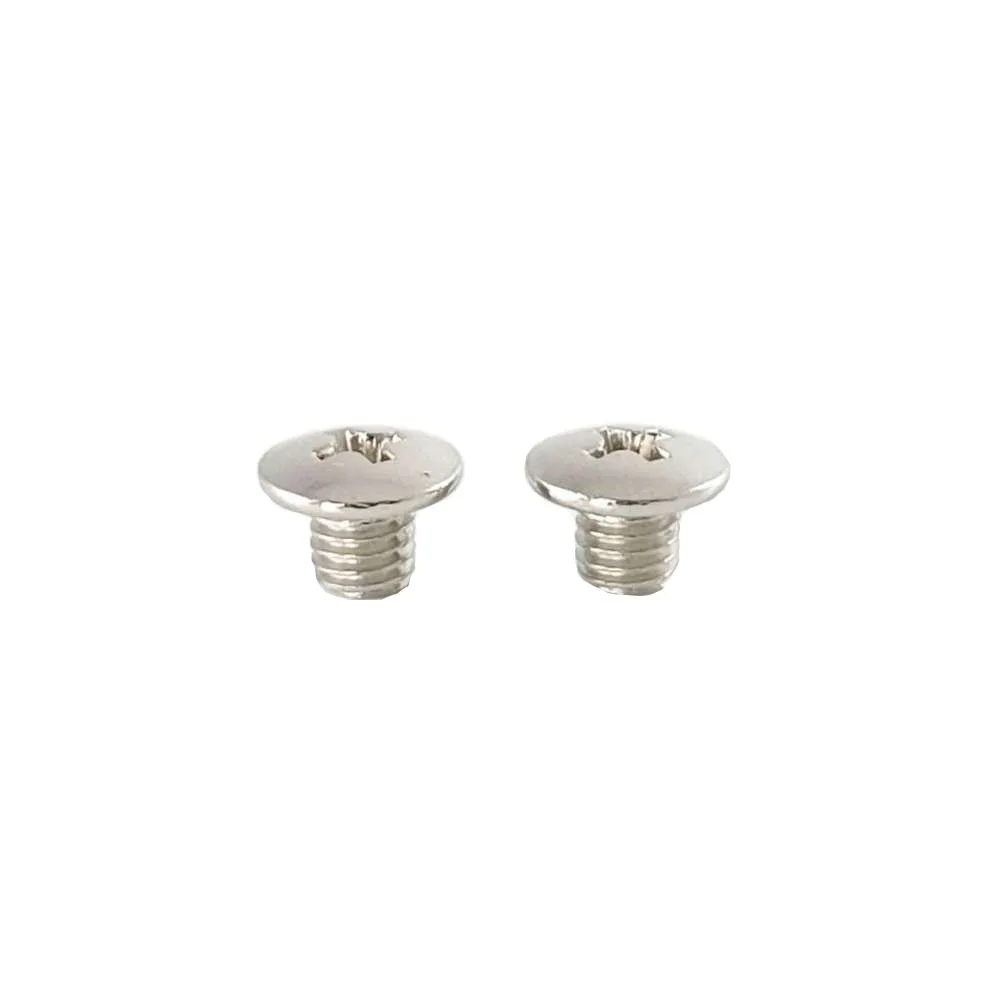
- Replacement Hair Clipper Blade Screws Set of 2: Made from high-quality stainless steel, these screws securely hold the blade in place for precise and effective clipping. Worn screws can cause blade misalignment; having spares ensures a secure fit and consistent cuts.
Trimmer blade care doesn't have to be complicated. With regular oiling, proper cleaning, and timely replacement, you'll keep your trimmer performing at its best. For more tips, explore our other guides on blade maintenance.