Quick answer
Choose a ball head for fast, compact stills work where you want one lever to lock any angle. Choose a pan and tilt head when you need independent, repeatable control over each axis, especially for video or precise framing. Choose a gimbal head for wildlife and sports with long, heavy lenses, because it balances the load so you can track moving subjects with almost no effort.
How each head actually moves
A ball head clamps a sphere, so loosening one knob lets you point the camera anywhere in a single motion. That speed is why it suits street, travel, and landscape stills, but fine framing takes practice because every axis moves at once. A pan and tilt head separates motion into pan, tilt, and sometimes a separate horizontal base, so you can lock one axis and adjust another without disturbing your composition. A gimbal head uses a pivoting arm and cradle to balance a long lens at its centre of gravity, so the camera floats and you guide it with a fingertip. The trade-off is bulk and setup time: a gimbal is the largest and slowest to configure, but the most effortless to track with once balanced.
Stability, payload, and the weight you carry
Stability depends less on the head type than on how the head matches your lens and tripod. A ball head is compact and often the lightest option, but a small ball can creep under a heavy telephoto. Pan and tilt heads spread the load across separate locks, which can feel more secure with long lenses, though the protruding handles add bulk. A gimbal head is built specifically to carry big glass and usually has the highest payload, but it is awkward to pack and overkill for a standard zoom. Check the head's rated payload against your heaviest camera-and-lens combination, and remember that a used head may have wear that affects smoothness.
Tracking moving subjects: wildlife and sport
If you photograph birds, aircraft, or athletes with a long lens, a gimbal head is the clear winner. Because the lens is balanced rather than clamped, you can follow a subject smoothly and let go without the camera flopping. A ball head can track, but you fight gravity and the friction is rarely as smooth. A pan and tilt head tracks well on one axis at a time, which suits slow, predictable movement, but it is less fluid for erratic subjects. For a gimbal head for wildlife, budget for a sturdy tripod as well, since the head is only as stable as the legs beneath it.
Video and fluid movement
For video, the best tripod head for video is usually a fluid head, which is a specialised pan and tilt design with damped movement. A ball head is a poor choice for pans and tilts because it cannot isolate an axis, so your horizon drifts. If you shoot interviews or run-and-gun footage, a fluid head lets you start and stop a pan smoothly. If you mostly shoot stills but occasionally record, a pan and tilt head with adjustable drag is a reasonable compromise. Whichever you choose, practice the movement before you record, and keep the head level so your pans stay true.
Quick-release plates and switching between heads
Most heads use a quick-release plate, but the plate standard varies. If you already own plates, check compatibility before buying a new head, because mismatched plates mean swapping the camera off its plate every time. Some photographers standardise on one plate system across all heads so they can move a camera between a ball head and a gimbal in seconds. This matters most if you mix stills and long-lens work. When buying used, confirm the plate is included, since replacement plates for older heads can be hard to find.
Trade-offs at a glance
- Ball head: Fast to aim and compact, but you cannot lock one axis independently, so precise pans and tilts are harder and heavy lenses may creep. Best for travel, street, and landscape stills where speed and size matter more than repeatable framing.
- Pan and tilt head: Separate locks give repeatable, axis-by-axis control, but the protruding handles make it bulkier and slower to set up than a ball head. Best for studio, macro, and video work where you need controlled, independent movement.
- Gimbal head: Balances long lenses for effortless tracking, but it is large, heavy, and takes time to balance before you shoot. Best for wildlife and sport with telephoto lenses, provided you have a sturdy tripod.
Useful accessories for head-based shooting
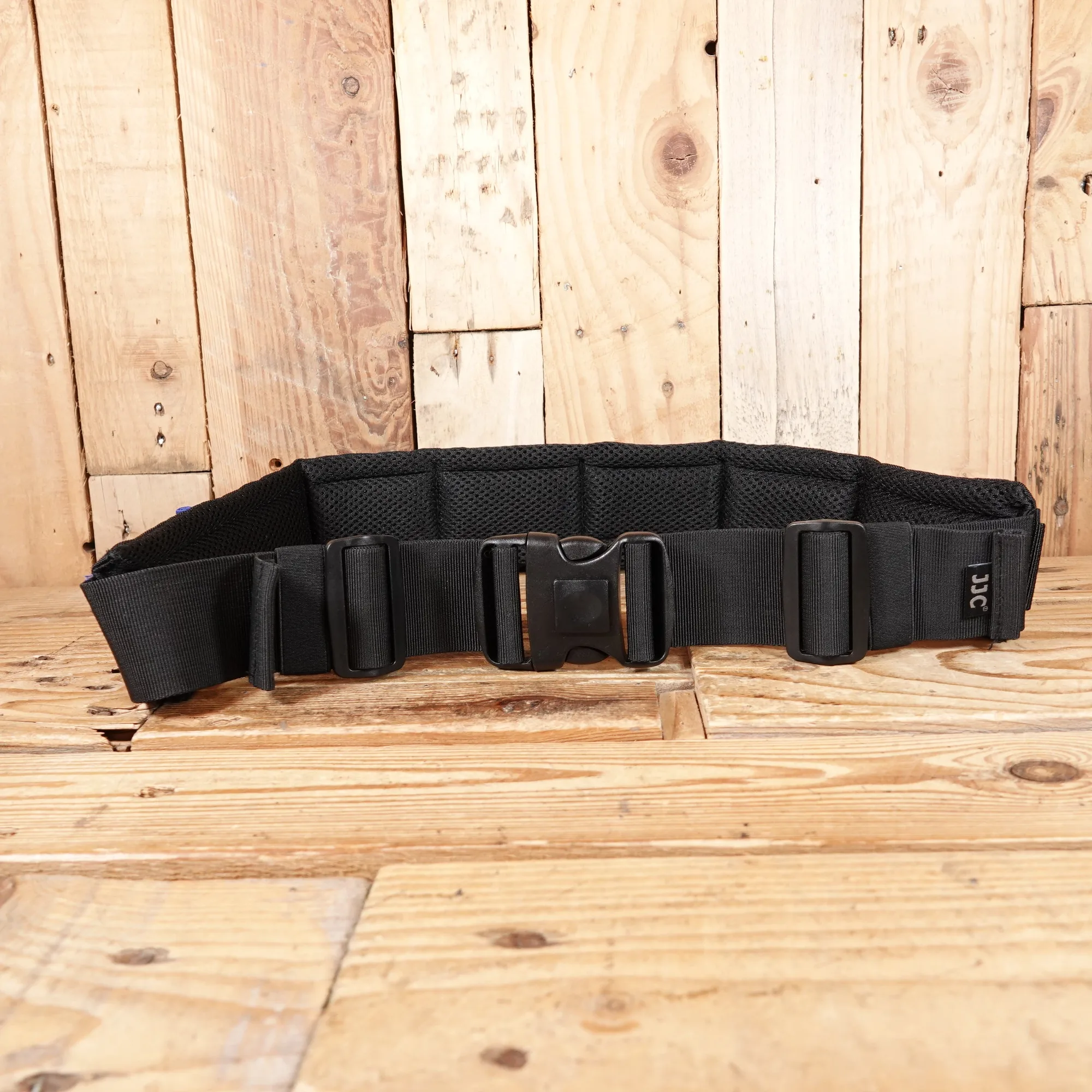
- Used JJC Lens Belt with 3 Lens Pouches: Used JJC Lens Belt with 3 Lens Pouches: durable belt with three padded lens pouches sized to accommodate standard telephoto lenses, keeping them accessible and protected from impact and dust. When you shoot with a gimbal or pan and tilt head, you often carry a second or third lens. A belt keeps those lenses on you rather than in a bag on the ground, so you can swap quickly without leaving your position.
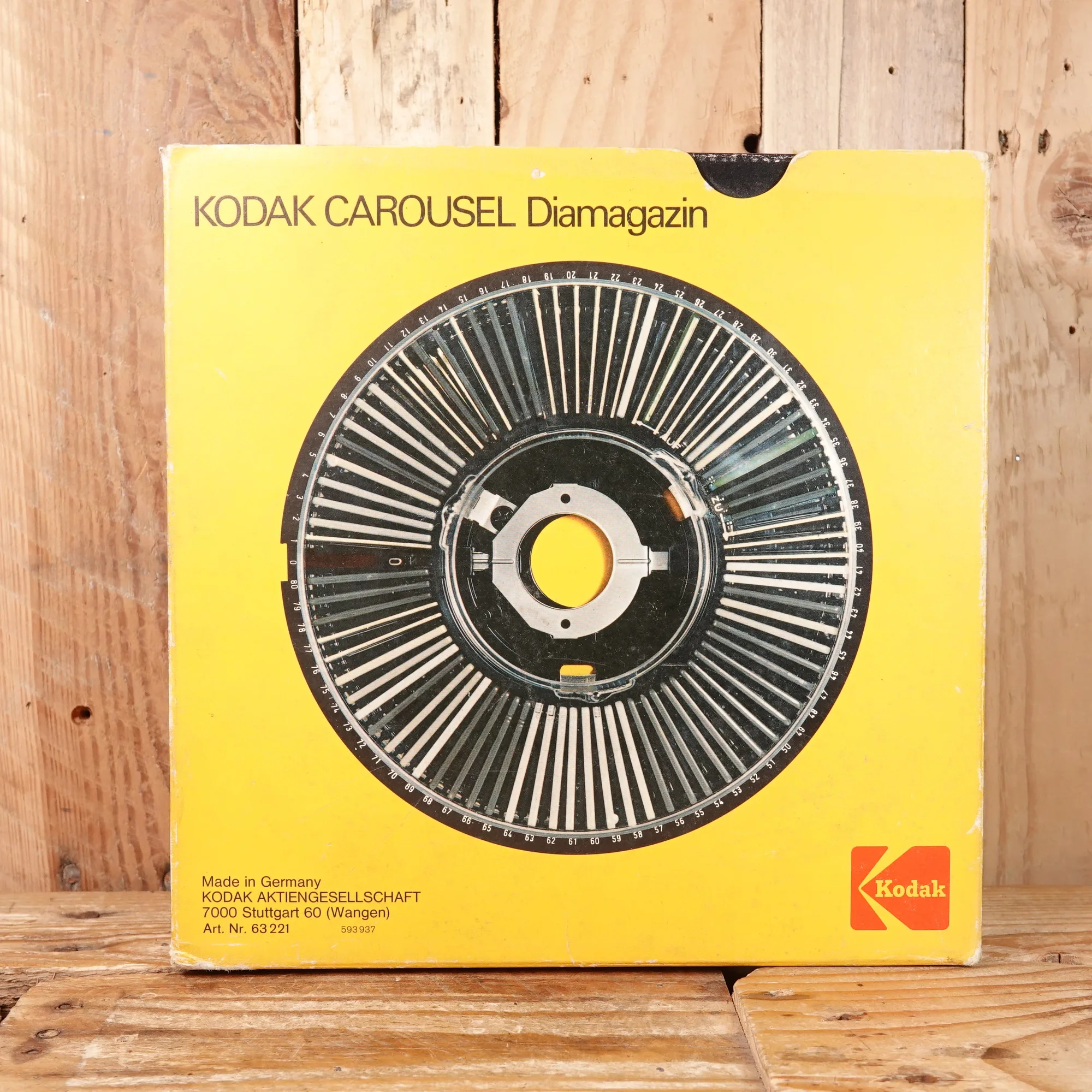
- Used Kodak Slide Carousel Tray Magazine: Used Kodak Slide Carousel Tray Magazine: compatible with Kodak Carousel projectors, holds and rotates 35mm slides for presentations; condition is Used - Very Good. If you digitise slides for printing or archiving, a tray helps you organise and project them in order. Check compatibility with your specific projector model before purchase, since tray fit varies.
- Kenro Envoy Classic Photo Frame 14x11" with 12x8" Mat - Natural: Kenro Envoy Classic Photo Frame 14x11" with 12x8" Mat - Natural: can be wall or tabletop mounted; with the mount it displays a 12x8 inch photo, without the mount a full 14x11 inch photo, and the white mount is removable. After a shoot, a frame like this gives your best frame a place on the wall. The removable mount lets you choose between a smaller matted print or a larger borderless one, so you can print for the space you have.
Which head fits your shooting
Choose this if
- You shoot travel, street, or landscape stills and want one compact head that points quickly.
- You shoot video or studio work and need to pan and tilt on separate axes with repeatable framing.
- You photograph wildlife or sport with a long, heavy lens and want to track smoothly for long periods.
Skip this if
- You mainly shoot video and need damped, fluid pans; a ball head will fight you.
- You want a light, packable kit for hiking; a gimbal head adds bulk and weight.
- You only use a standard zoom and rarely track moving subjects; a pan and tilt head may be more control than you need.