Quick Answer
Choose a trivia game when your group is mixed ages, talks a lot, and wants a short, low-pressure round. Choose a strategy game when players are closer in age, enjoy planning ahead, and can stay seated for a longer session. If your family is split, run a trivia opener and save the strategy game for the older players after younger kids head to bed.
Most family game night debates are not really about which game is better. They are about who is sitting at the table. A trivia game and a strategy game ask completely different things from players, and that difference decides whether the evening ends in laughter or in someone flipping the board.
This comparison looks at how each format actually plays, based on the games and catalog details available here, so you can match a pick to your group instead of guessing.
What Each Format Actually Asks of Players
A trivia game tests recall. You either know the answer or you do not, and the round moves quickly because there is nothing to build or defend. That makes trivia welcoming for grandparents, shy kids, and anyone who does not want to learn a rulebook before playing.
A strategy game tests planning. Players weigh options, react to what others do, and often need several turns before their choices pay off. It rewards patience and reading the table, which is why younger children sometimes lose interest before the game gets interesting.
- Trivia favors breadth of knowledge; strategy favors foresight and adaptability.
- Trivia rounds tend to be shorter; strategy sessions reward staying power.
Setup, Player Count, and Age Range
Party-style games often scale to larger groups. Starlux Dark Ridge Reunion: A Killer Party Game is built for 6-12 players and lists an age of 13 years and up, so it suits a teen-and-adult crowd rather than a mixed elementary-age table. Trivia formats generally handle uneven teams better because a strong player can carry a weaker one.
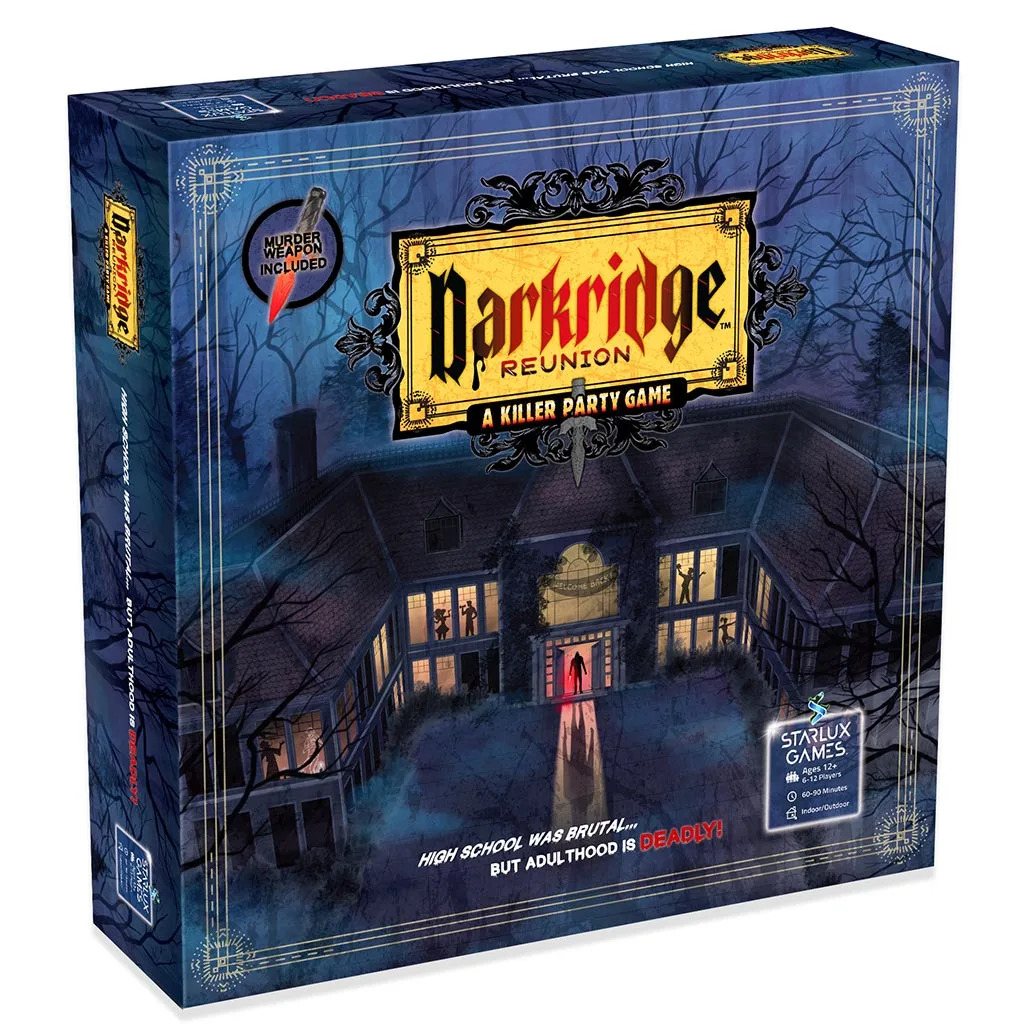
Starlux Dark Ridge Reunion: A Killer Party Game
Strategy and puzzle-style games usually work best with a fixed, smaller group. Smart Sparks - Brain Puzzles Grade 5 is a solo or small-group activity with over 100 magnets, a writing screen, a dry eraser marker, and 50 puzzles, so it fits one focused child rather than a loud family room.
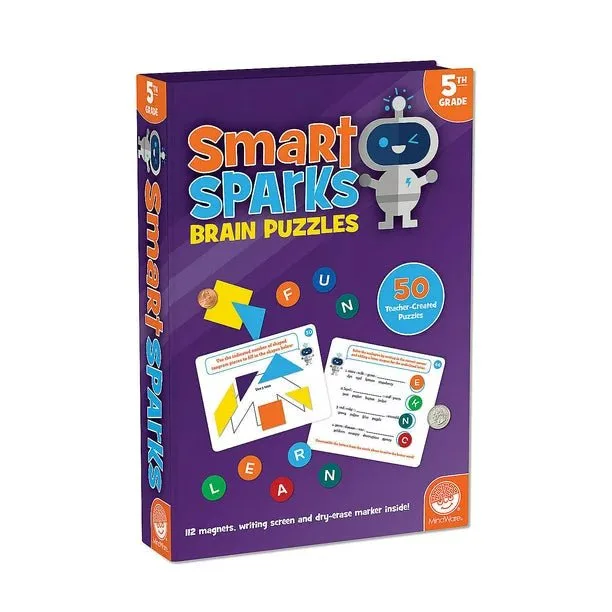
Smart Sparks - Brain Puzzles Grade 5
- Count your actual players before buying: 6-12 player games feel empty with three people.
- Check the listed age on the box; a 13+ party game will not land with a seven-year-old.
Attention Span and Session Length
Trivia games are easy to stop and restart, which matters when bedtime interrupts or a toddler needs attention. You can play three questions and walk away without losing progress. That flexibility is why trivia games for families often win on school nights.
Strategy games want a committed block of time. Walking away mid-game is frustrating because the board state matters. If your family has a reliable weekend window, strategy pays off with a more memorable evening; if not, trivia keeps game night from becoming a chore.
- Pick trivia for weeknights and strategy for weekends or rainy afternoons.
- If your group argues over rules, trivia removes most rule disputes entirely.
How to Blend Both Without a Fight
You do not have to choose one format forever. A common approach is to open with something quick and inclusive, then let older or more competitive players move to a longer game. Chalk & Chuckles Shape Your Story Dice Game works well as a warm-up because players roll dice, draw on wipe-erasable cards, and build a story together, and it can be played competitively or cooperatively.
That cooperative option is the underrated part. When younger kids are involved, a game where everyone builds one story keeps the mood light and avoids the tears that come with elimination.
- Start with a short, low-stakes game to warm up the table.
- Save longer strategy sessions for the players who actually want them.
Trade-Offs to Weigh Before You Buy
- Inclusivity vs. depth: Trivia lets a wide age range play together because no one needs to learn a system. Strategy games reward deeper thinking but usually narrow the player pool. Mixed ages: lean trivia. Similar ages and skill: lean strategy.
- Short sessions vs. long sessions: Trivia survives interruptions; strategy games punish them because board state matters. Weeknight game night: trivia. Weekend block: strategy.
- Group size vs. focus: Party-style games such as Starlux Dark Ridge Reunion handle 6-12 players, while puzzle-style products like Smart Sparks - Brain Puzzles Grade 5 suit one child working alone. Match the product to your real headcount, not your ideal one.
Catalog Facts That Affect Your Choice
- Starlux Dark Ridge Reunion: A Killer Party Game: This party game is for 6-12 players and lists an age of 13 years and up. It includes 12 character cards, 14 secret mission cards, a glowing plastic dagger with batteries included, 15 ghost objective cards, 14 artifact cards, and an artifact card pouch. The player count and 13+ age make it a teen-and-adult pick. It will not work as a mixed-family game with younger children at the table.
- Chalk & Chuckles Shape Your Story Dice Game: Players roll the dice, pick up wipe-erasable cards, draw on them, and make a story. It can be played competitively or cooperatively and is described as a boredom buster for friends, family, classrooms, play dates, or the office. The cooperative mode is what lets mixed ages play together without a winner-loser gap, which is the main advantage trivia-style games hold over strict strategy games.
- Smart Sparks - Brain Puzzles Grade 5: It includes over 100 magnets, a writing screen, a dry eraser marker, and 50 teacher-created puzzles, with a magnetic box for travel and at-home learning. This is a solo or quiet small-group activity, not a party game. It suits one child practicing logic and vocabulary rather than a full family night.
Which Should You Pick?
Choose a trivia or party game if
- Your group spans several ages and you want everyone included
- You play on school nights and need short, stoppable rounds
- You have 6 or more players and want a game built for a crowd
Choose a strategy or puzzle game instead if
- Your players are close in age and want to plan several turns ahead
- You have a reliable weekend window for a longer session
- You are buying for one child who prefers quiet, focused problem-solving
Neither format wins outright. Trivia games keep a mixed-age table laughing on a Tuesday night; strategy and puzzle games deliver the deeper, longer payoff when your players are ready for it. Buy for the group you actually have, and keep one of each on the shelf.