Quick Answer
Warped or sticky playing cards are usually caused by humidity, oils, or handling. For warping, use a humidity-controlled environment and a heavy book press. For sticking, handle cards with clean, dry hands and apply a light coat of fanning powder if needed.
Playing cards are durable but not indestructible. Even premium decks can warp, stick, or become difficult to handle over time. Understanding the causes and knowing how to fix common issues will extend the life of your favorite cards and keep them performing well.
In this guide, we'll walk through the most frequent problems—warping, sticking, and stiffness—and offer practical solutions you can try at home. We'll also mention a few products that can help you store and display your cards properly.
Why Do Playing Cards Warp?
Warping occurs when the card stock absorbs or loses moisture unevenly. Humidity is the main culprit: in damp conditions, cards swell and bend; in very dry environments, they can curl or become brittle. Heat also plays a role, especially if cards are left in a car or near a radiator.
Another cause is improper storage. Cards stored without a tuck box or under heavy objects can develop bends. Even the natural oils from your hands can affect the card edges over time, leading to a slight bow.
How to Fix Warped Playing Cards
The most effective method for fixing warped cards is to use a humidity-controlled environment. Place the deck in a sealed container with a desiccant pack if they are too damp, or a damp cloth (not touching the cards) if they are too dry. Leave them for 24-48 hours.
After conditioning, place the deck under a heavy, flat object like a large book or a cutting board with weights. Leave it for another 24 hours. This should flatten the cards. For stubborn warps, repeat the process.
- Always store decks in their original tuck box to protect them from dust and moisture.
- Avoid storing cards in direct sunlight or in areas with high humidity like bathrooms.
Why Do Playing Cards Stick Together?
Sticking is usually caused by moisture, oils, or residue on the card surfaces. When you handle cards with sweaty or greasy hands, the natural oils transfer to the cards, making them tacky. Humidity can also cause the card coating to become sticky, especially if the cards are new and have a high-gloss finish.
Another common cause is the use of lotions or hand sanitizers before handling cards. Even a small amount of residue can cause cards to stick.
- Wash and thoroughly dry your hands before handling cards.
- Avoid eating or drinking while playing with cards.
- Use a fanning powder (like talcum powder) sparingly to reduce stickiness.
Fixing Sticky Cards
If your cards are sticking, first try wiping them gently with a dry, lint-free cloth. This can remove surface oils. If that doesn't help, you can apply a very light dusting of fanning powder. Put the cards in a plastic bag, add a pinch of powder, and shake gently. Let them sit for an hour, then wipe off the excess.
For extreme cases, you might need to replace the deck. Sticky cards that have absorbed moisture or grease may not recover fully, and trying to clean them with liquids can damage the card stock.
Preventive Maintenance for Playing Cards
The best way to avoid these issues is to store your cards properly. Keep them in a cool, dry place, ideally in their original tuck box. If you have a collection, consider using a card display case or a storage box with dividers to prevent pressure and humidity buildup.
Handle cards with clean, dry hands and avoid bending them during shuffling. Use a card mat if you perform or practice frequently, as it reduces friction and keeps cards cleaner.
Quick Diagnosis: Warping vs. Sticking
- Symptom: Cards have a slight bow or curve: Likely cause: Humidity or temperature changes. Action: Condition in a controlled environment, then press under a heavy book for 24 hours. If the bend is severe or doesn't flatten after two attempts, the card stock may be permanently damaged.
- Symptom: Cards feel sticky or resist fanning: Likely cause: Oils or residue from hands. Action: Wipe with a dry cloth; if needed, apply a light dusting of fanning powder. If cards remain sticky after cleaning, replace the deck—it's not worth compromising your performance.
- Symptom: Cards are stiff or difficult to shuffle: Likely cause: New deck with tight finish or dry conditions. Action: Break in the deck by riffling and shuffling; store with a humidity pack if too dry. Stiffness usually resolves with use. If it persists, consider a different deck with a softer finish.
Products That Help with Card Care
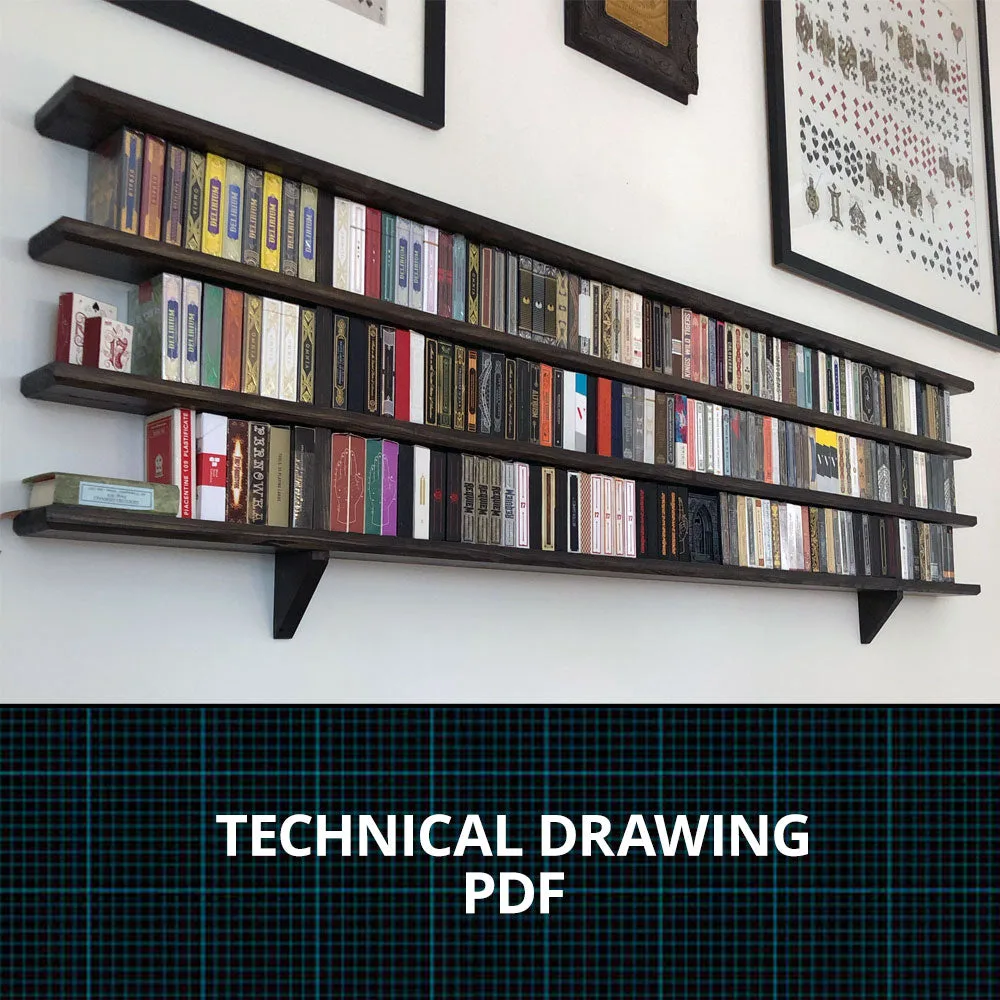
- Playing Card Display - Technical Drawing: This PDF provides technical specifications for a wooden display that can hold multiple decks. It is designed to hang on a wall and can be scaled to fit your needs. Proper storage is key to preventing warping. A display keeps your cards upright and away from moisture, while also showcasing your collection.
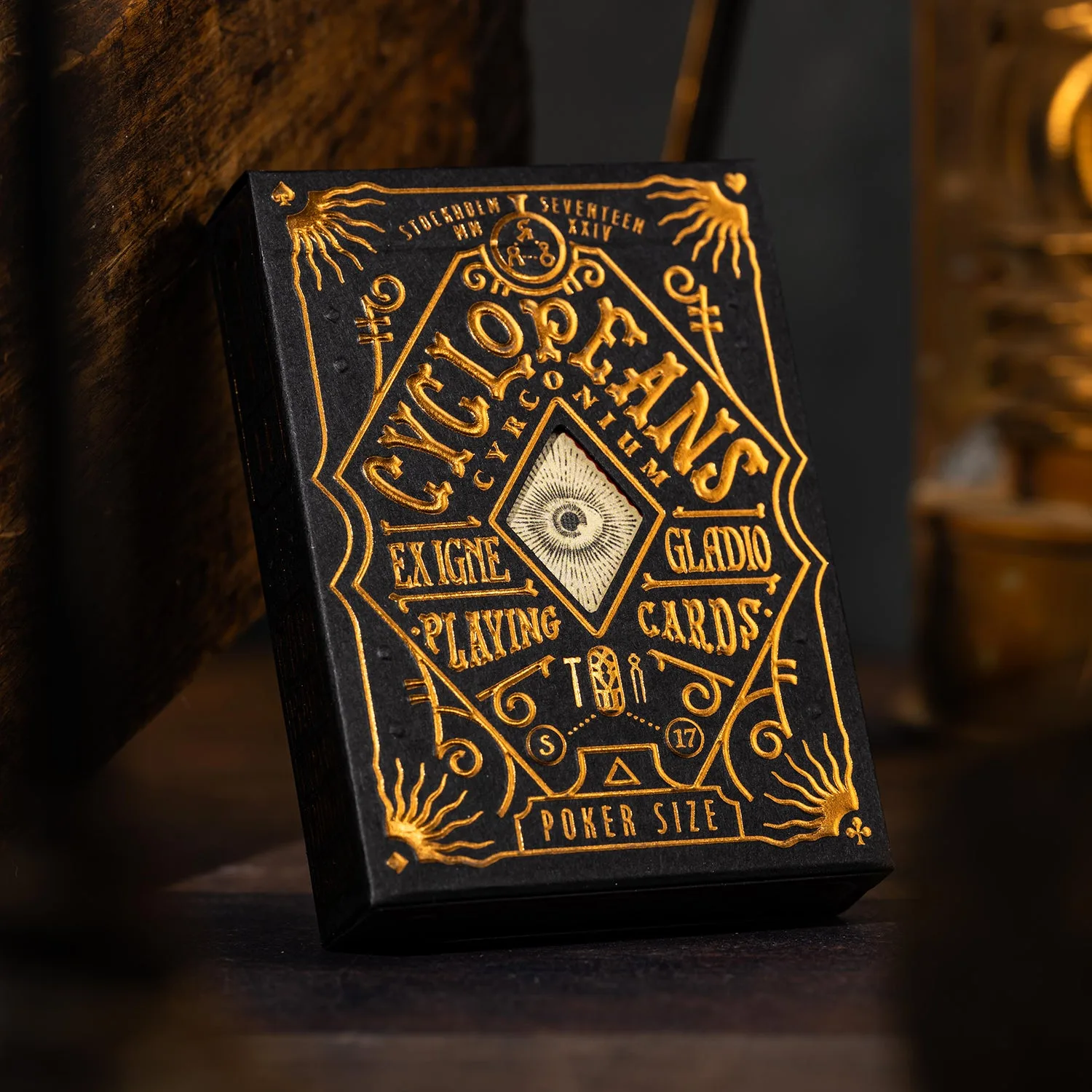
- Cyclopeans Cyrconium: Poker size edition of The Cyclopeans, featuring a mystical alloy theme. The deck comes in a standard tuck box, ideal for everyday handling. If you're using cards regularly, choosing a deck with a durable finish can reduce sticking. This deck is a great option for those who want a unique design without compromising on playability.
With a little care and attention, you can prevent or fix most playing card issues. Store your decks properly, handle them with clean hands, and address problems early. For collectors, investing in good storage solutions will keep your cards looking and performing great for years.