Quick Answer
Tru Earth produce bags are designed for repeated use and reducing plastic waste, but they aren't a direct replacement for all grocery bags. If you prioritize cutting single-use plastic and keeping produce fresh with breathable storage, they're a strong choice. For heavy or bulk items, regular grocery bags may still be more practical.
When you're trying to cut down on plastic, produce bags are one of the easiest swaps to make. But are Tru Earth produce bags actually better than the regular grocery bags you get at checkout? The answer depends on what you're carrying, how you store food, and how much waste you want to avoid.
This comparison looks at the real trade-offs between reusable produce bags and conventional plastic grocery bags. We'll cover freshness, durability, cost over time, and convenience so you can decide which option fits your shopping and storage habits.
Freshness and Storage: Breathability Matters
One of the main reasons people buy produce bags is to keep fruits and vegetables fresher longer. Tru Earth produce bags are designed to be breathable, allowing air to circulate around your produce. This helps reduce moisture buildup, which is a common cause of premature spoilage. Regular plastic grocery bags, on the other hand, trap moisture and can speed up decay if you leave produce sealed inside.
That said, not all produce benefits from the same storage conditions. Leafy greens and herbs often do well in breathable bags, while some fruits like apples and potatoes may prefer a darker, drier spot. A reusable produce bag gives you more control because you can open or close it as needed, but it still won't replace proper refrigeration or a dedicated crisper drawer.
- Use breathable produce bags for leafy greens, herbs, and berries to reduce moisture buildup.
- For potatoes and onions, keep them in a cool, dark place and avoid sealing them in any bag.
- Wash and dry reusable produce bags between uses to prevent mold and odors.
Durability and Reusability: The Long-Term Trade-Off
Regular grocery bags are designed for a single trip home. They tear easily, especially when wet or overloaded, and they often end up in the trash or recycling. Tru Earth produce bags are built to be reused many times, which means they're less likely to rip mid-shop and they keep working load after load. Over a year, that difference adds up in both cost and waste.
The trade-off is that reusable bags require care. You need to wash them, dry them, and remember to bring them to the store. If you forget them, you'll likely fall back on plastic bags. Also, because they're not as thick as some heavy-duty totes, they're best for produce, not for carrying canned goods or glass jars. For those items, a sturdier grocery bag is still the better tool.
- Keep a few Tru Earth produce bags in your car or by the door so you don't forget them.
- Machine wash or hand wash reusable produce bags regularly to keep them hygienic.
- Use regular grocery bags for heavy or sharp items that could puncture a produce bag.
Waste Reduction: What You're Actually Avoiding
The biggest reason to switch to reusable produce bags is to reduce plastic waste. Regular grocery bags are used for an average of a few minutes but can persist in the environment for hundreds of years. Tru Earth produce bags aim to replace that single-use cycle with a product you can use again and again. If you shop multiple times a week, the number of plastic bags you avoid adds up quickly.
However, it's important to be honest about the trade-off. Reusable bags still require resources to make, and they only reduce waste if you actually use them many times. If you lose them or throw them out after a few uses, the environmental benefit shrinks. Also, some stores have moved to compostable or paper bags, which have their own pros and cons. The key is to choose the option you'll consistently use.
- Track how many plastic bags you avoid each month to stay motivated.
- If your store charges for bags, reusable produce bags can save you money over time.
- Donate or repurpose any regular grocery bags you already have before buying new ones.
Trade-Offs at a Glance
- Freshness vs. Convenience: Breathable produce bags can extend freshness for many fruits and veggies, but they need regular washing and proper storage. Plastic bags are grab-and-go but trap moisture. Choose breathable bags if you're willing to care for them; stick with plastic for short-term storage.
- Durability vs. Weight: Reusable produce bags are sturdy enough for produce but not for heavy or sharp items. Regular grocery bags can carry more weight but tear more easily. Use reusable bags for produce and lightweight items; reserve heavy-duty bags for bulky loads.
- Waste Reduction vs. Upfront Cost: Reusable bags cost more upfront but can save money and plastic over time if used consistently. Regular bags are free but contribute to single-use waste. Invest in reusable bags if you're committed to using them; otherwise, the waste benefit is lost.
Tru Earth Products That Support a Lower-Waste Routine
- https://cleancore.store/products/tru-earth-multi-surface-cleaner-lemon-fresh-16-sheets-66913Tru Earth Multi-Surface Cleaner - Lemon Fresh / 16 Sheets: Just Add Water—Literally. Tru Earth Multi-Surface Cleaner delivers a fresh, mess-free way to clean—without excess waste. Simply drop a strip into a spray bottle, add warm water, and shake. That’s it. One strip becomes a ready-to-use cleaner with a bright lemon-fresh scent—perfect for everyday messes in the kitchen, bathroom, and throughout your home. After bringing home produce in reusable bags, you'll want to keep your kitchen clean. This cleaner offers a plastic-free way to wipe down counters and wash produce-storage areas without adding another bottle to the trash.
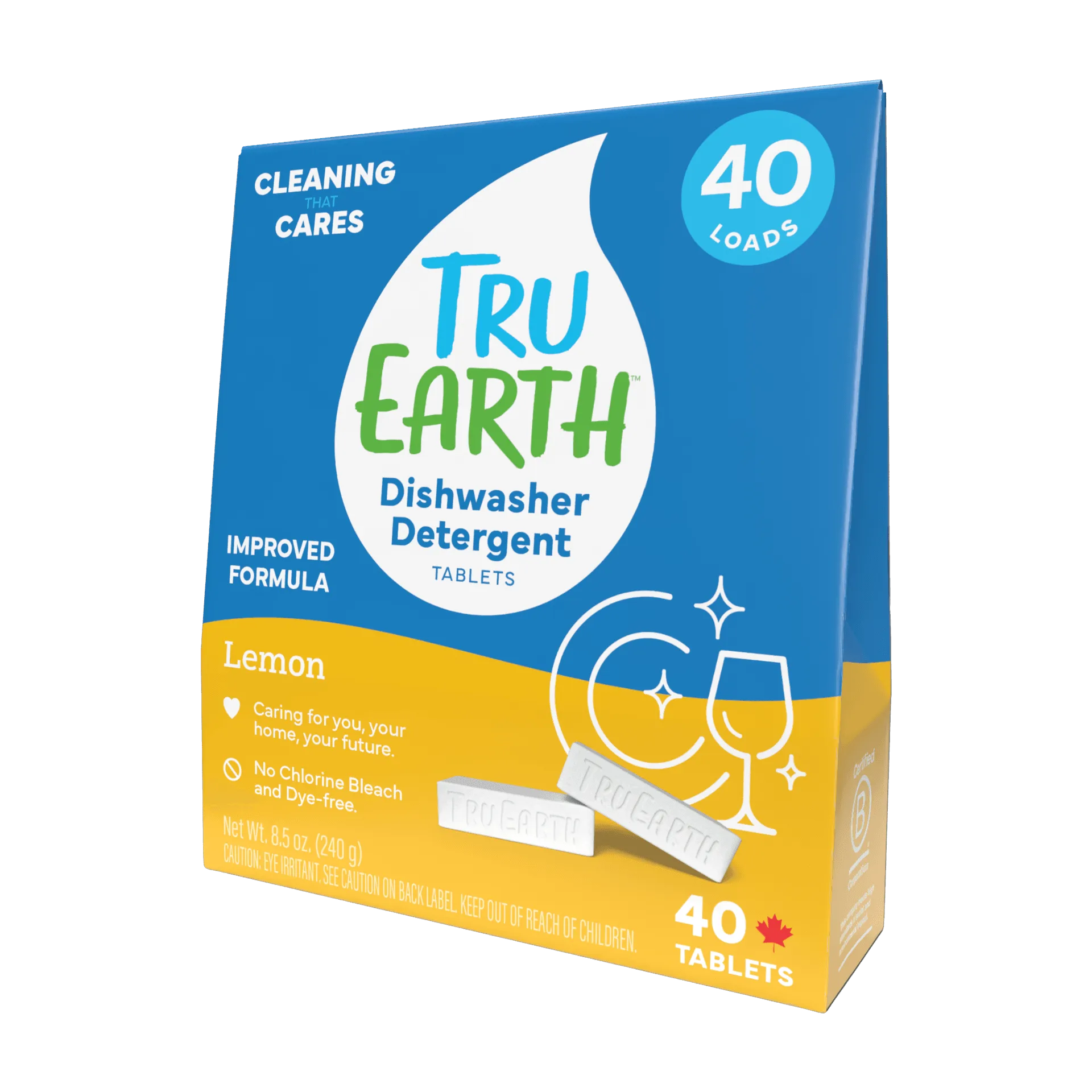
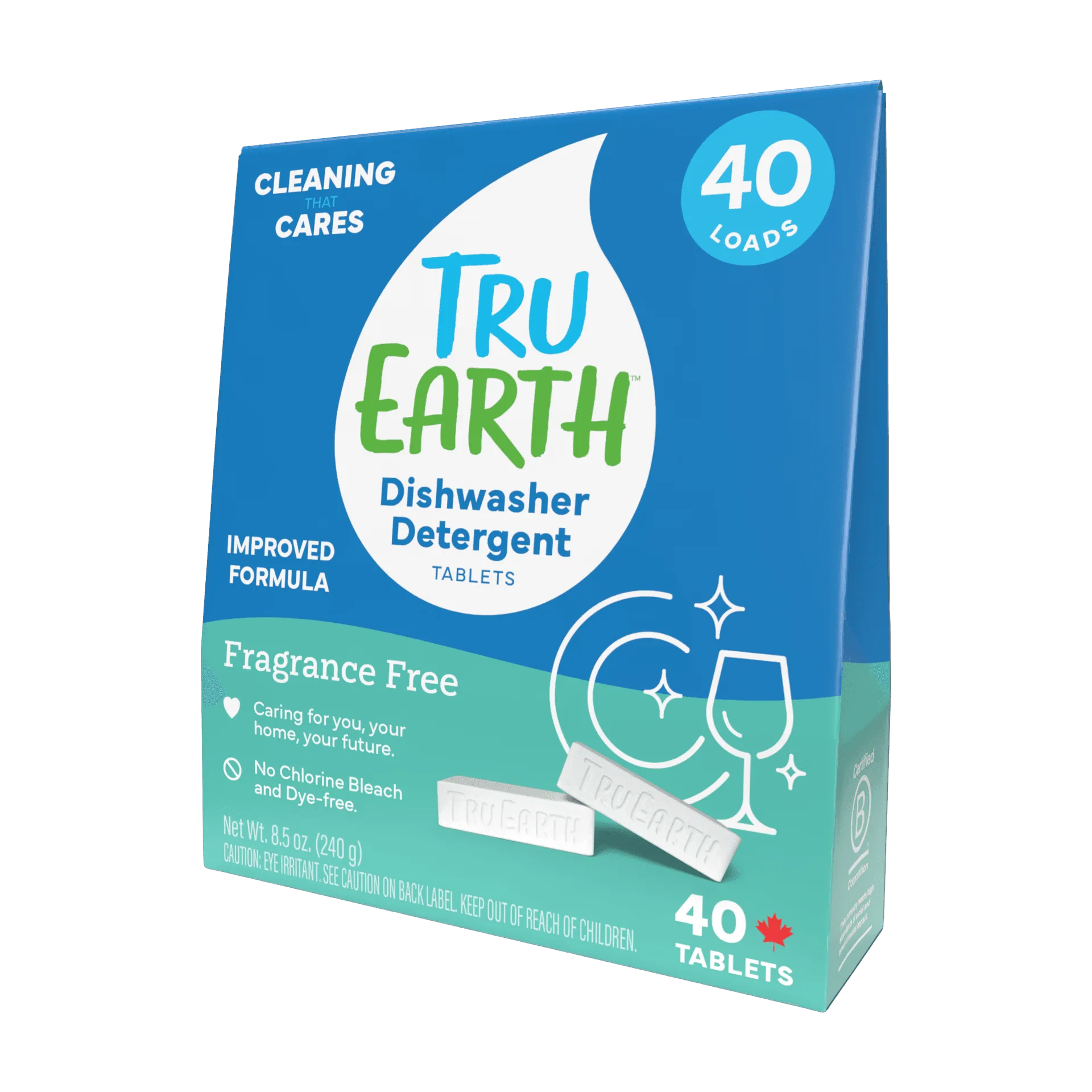
- https://cleancore.store/products/tru-earth-dishwasher-detergent-tablets-lemon-40-tablets-66908https://cleancore.store/products/tru-earth-dishwasher-detergent-tablets-66906Tru Earth Dishwasher Detergent Tablets - Lemon / 40 Tablets: Small But Mighty. With our powerful NEW & IMPROVED formula, Tru Earth Dishwasher Detergent Tablets prove that even small changes can lead to a big impact. Say goodbye to heavy plastic tubs, oversized liquid jugs, and messy powders. Carefully packaged in recyclable cardboard, these pre-measured tablets cut through grease, blast away stuck-on food, and leave your dishes sparkling clean—all without the use of... When you're washing reusable produce bags, you can rely on these tablets for clean dishes and kitchen tools. Their recyclable cardboard packaging aligns with the same waste-reduction mindset as switching to reusable produce bags.
Which Should You Choose?
Best for
- Shoppers who want to reduce single-use plastic and are willing to wash and reuse produce bags.
- People who buy fresh produce regularly and want better air circulation to keep items like greens and berries fresher.
Not for
- Heavy or bulk shopping trips where you need bags that can carry more weight without tearing.
- Anyone who won't consistently remember to bring reusable bags—then the waste reduction benefit drops significantly.
Tru Earth produce bags offer a practical way to cut plastic waste and keep produce fresher, but they're not a universal replacement for all grocery bags. Think about how you shop, what you carry, and how much care you're willing to put into maintenance. If you're ready to make the switch, start with produce and see how it fits your routine.