Quick answer
If you want a rich, earthy drizzle to finish dishes like pasta, eggs, or popcorn, choose TRUFF Black Truffle Oil. If you need a savory, crunchy seasoning that stands up to heat and adds texture, black truffle salt is your pick. Use them together for layered flavor, but remember: oil finishes, salt seasons.
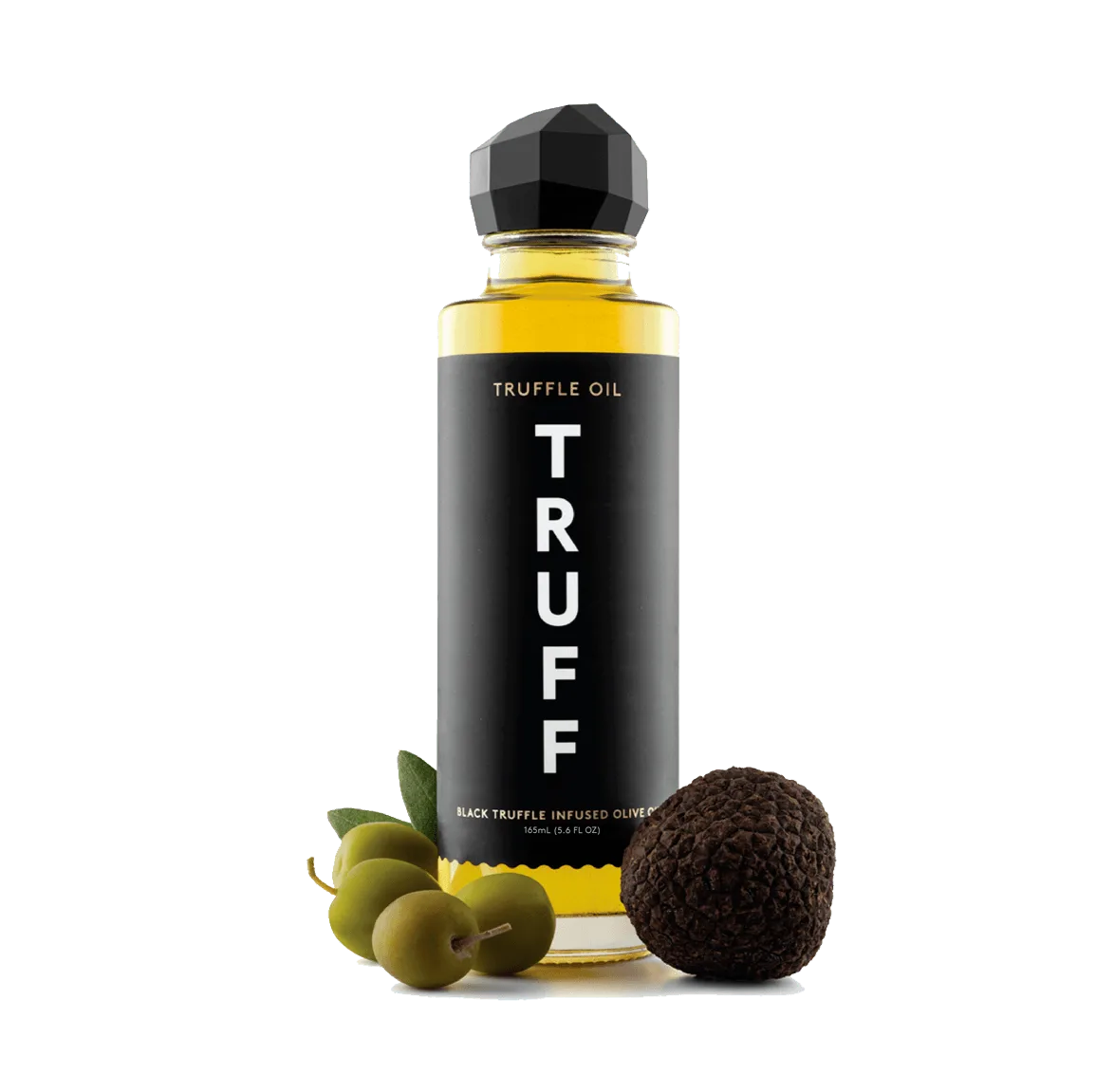
Black Truffle Oil
Truffle flavor can transform a simple meal into something special, but choosing between truffle oil and truffle salt isn't always obvious. Both bring that signature earthy aroma, yet they behave very differently in the kitchen. Understanding their strengths helps you get the most flavor without wasting either.
In this comparison, we'll break down the flavor profiles, best uses, and honest trade-offs of TRUFF Black Truffle Oil and black truffle salt. You'll know exactly when to reach for each—and when to use both.
Flavor and aroma: oil vs salt
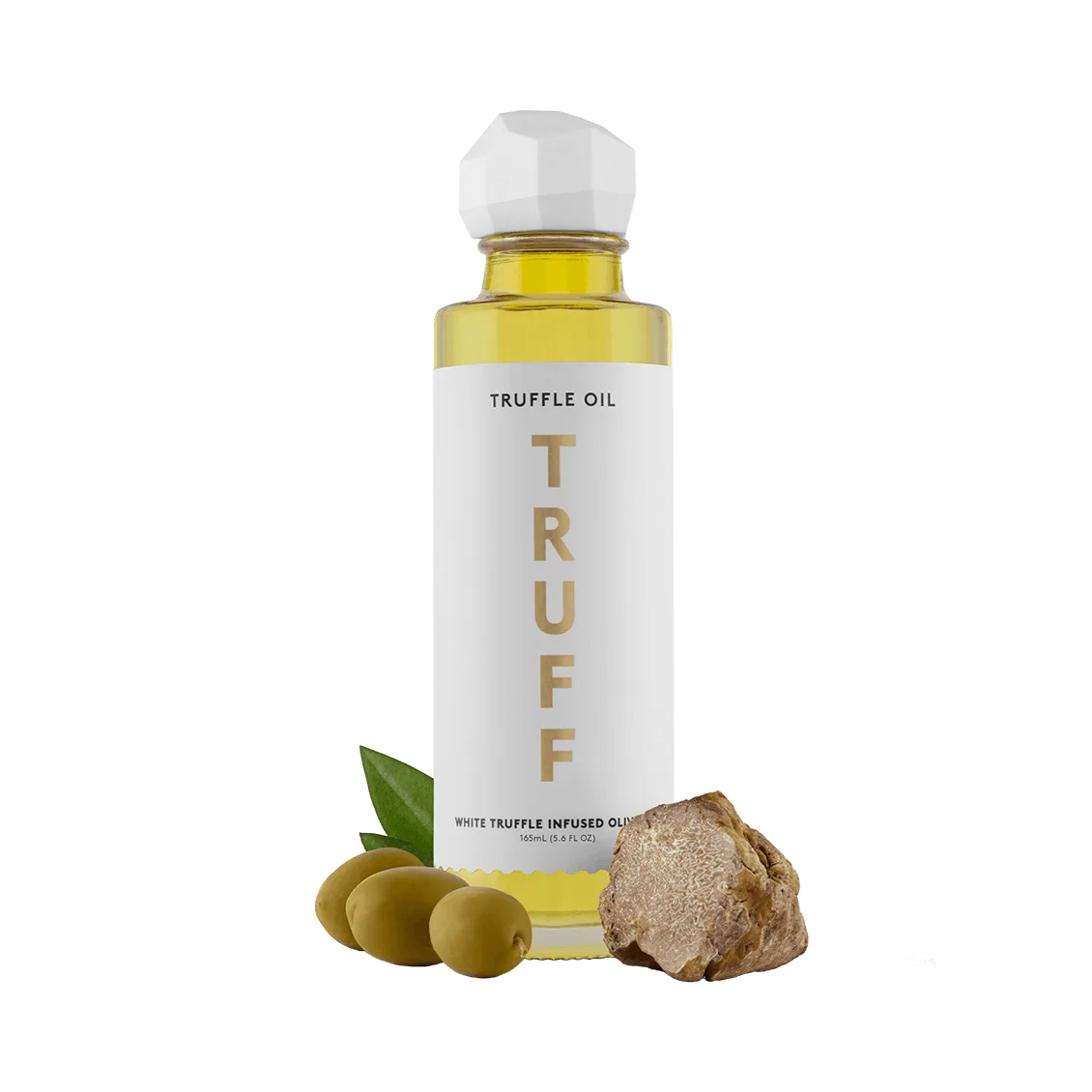
TRUFF Black Truffle Oil is made by infusing real black winter truffles into olive oil. The result is a deep, earthy flavor with a smooth, rich mouthfeel. It's less intense than a truffle salt because the oil carries the aroma differently—it coats your palate and lingers.
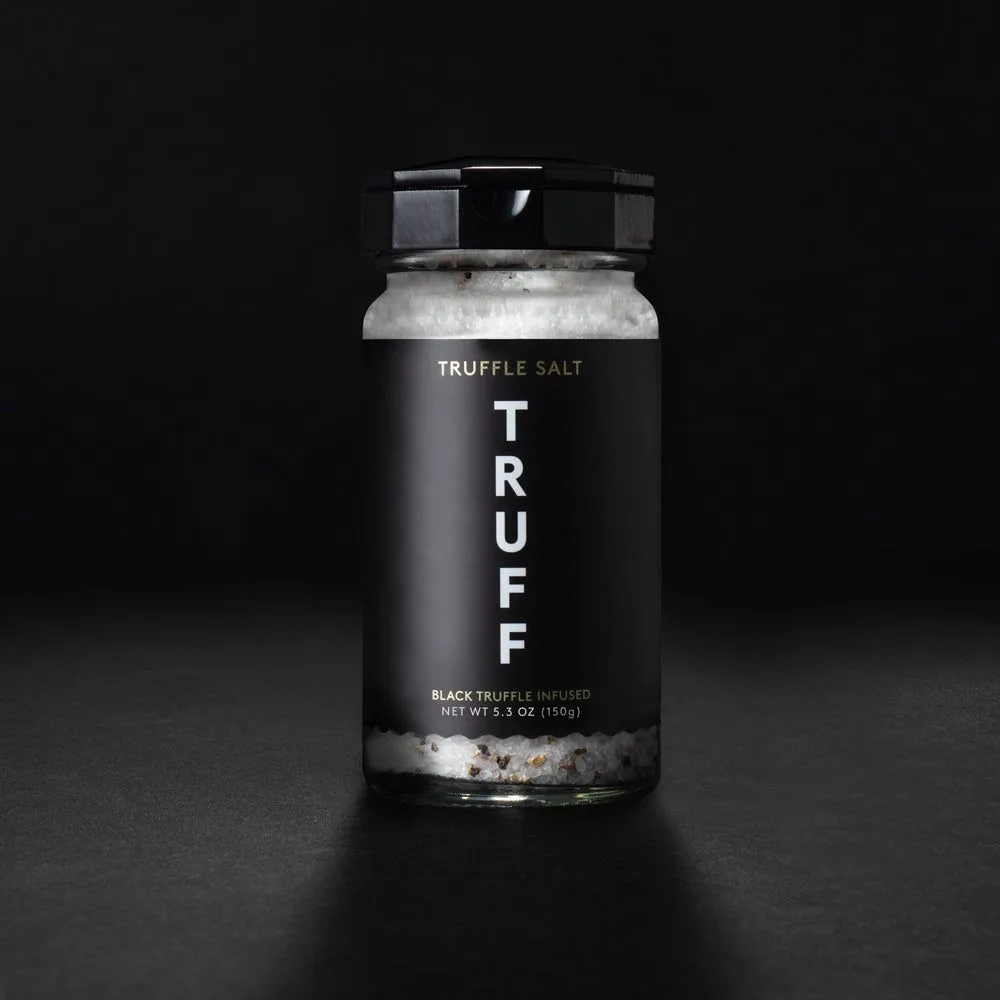
Black truffle salt, by contrast, delivers a concentrated burst of truffle flavor with each grain. The salt amplifies the truffle notes while adding a savory, briny kick. It's more direct and punchy, making it ideal when you want a clear truffle presence without the oiliness.
The trade-off: oil gives you a luxurious finish but can be overpowering if used too generously. Salt gives you precision and texture but can make a dish too salty if you're not careful. Knowing your dish helps you decide which fits better.
- Use oil for finishing dishes where you want a silky, aromatic coating.
- Use salt for seasoning during cooking or as a finishing crunch.
- Start with a small amount of either—truffle flavor is potent.
Best uses for TRUFF Black Truffle Oil
TRUFF Black Truffle Oil shines as a finishing oil. Drizzle it over pasta, risotto, roasted vegetables, or even popcorn right before serving. The heat of the dish releases the truffle aroma, creating an immediate sensory lift.
Because the oil is olive oil-based, it's not ideal for high-heat cooking like frying or searing. High temperatures can degrade the delicate truffle compounds and turn the oil bitter. Instead, add it after cooking or use it in cold preparations like dressings and dips.
A little goes a long way. Start with a teaspoon and taste before adding more. The goal is to enhance, not overwhelm.
- Finish creamy pastas and risottos with a drizzle.
- Whisk into vinaigrettes for salads.
- Avoid using it as a cooking oil for frying.
Best uses for black truffle salt
Black truffle salt is a versatile seasoning that can be used during or after cooking. Because salt is heat-stable, you can add it to roasted potatoes, grilled meats, or sautéed vegetables without losing flavor. The truffle aroma holds up well, and the salt crystals add a pleasant crunch.
It's also perfect for finishing. Sprinkle a pinch over eggs, avocado toast, or french fries for an instant gourmet touch. The saltiness complements the earthy truffle notes, making it a great all-purpose seasoning.
The main caution: saltiness. Since truffle salt is still salt, you need to adjust your recipe's total salt content. Use it sparingly and taste as you go.
- Season roasted vegetables or meats before cooking.
- Finish eggs, popcorn, or salads with a pinch.
- Reduce other salt in your recipe to avoid over-salting.
How to choose between them
Your choice comes down to the dish and the effect you want. If you're making a creamy pasta or risotto and want a silky, aromatic finish, TRUFF Black Truffle Oil is the way to go. If you're seasoning a steak or roasted vegetables and want a savory crunch, black truffle salt fits better.
Consider the texture you want to add. Oil adds richness and mouthfeel; salt adds crunch and direct flavor. Both can elevate a dish, but they do it differently.
For maximum impact, use both: season with truffle salt during cooking, then finish with a drizzle of oil. This creates layers of truffle flavor that feel intentional and luxurious.
- Match the tool to the texture you want.
- Use both for a layered truffle experience.
- Store both in a cool, dark place to preserve flavor.
Trade-offs at a glance
- Flavor intensity: Oil gives a smooth, lingering aroma; salt delivers a sharp, direct punch. Choose based on how bold you want the truffle to be.
- Texture: Oil adds richness and mouthfeel; salt adds crunch and graininess. Think about the texture you want in the final dish.
- Heat tolerance: Oil is best used raw or as a finish; salt can be used during cooking. Use salt for roasted or grilled dishes, oil for finishing.
Product facts at a glance
- Black Truffle Oil: We’ve put the aromatic Black Winter Truffle front and center with our Truffle Oil. We sourced real black winter truffles and infused them into olive oil to create the perfect finishing oil. This is a finishing oil, not a cooking oil. Use it after cooking to preserve the delicate truffle aroma.
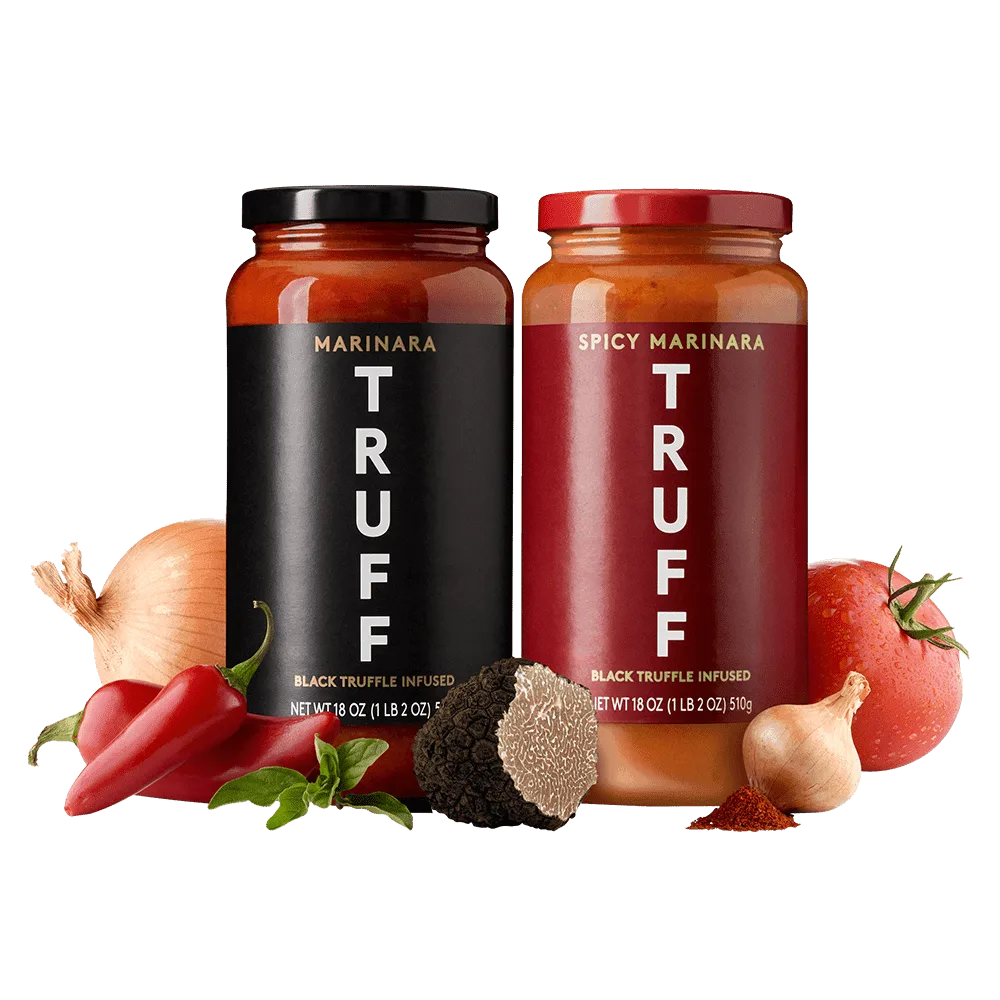
- Black Truffle Pasta Sauce Combo Pack (2 Jars): We blended the iconic flavors of TRUFF with garden-fresh ingredients to create a rich pasta sauce that's both balanced and bold. If you want truffle flavor in a ready-to-use sauce, this combo pack offers a convenient base that pairs well with a drizzle of Black Truffle Oil.
Which should you pick?
Best for
- Finishing creamy pastas, risottos, and roasted vegetables with a silky truffle aroma
- Adding a subtle truffle note to cold dishes like salads and dips
Not for
- High-heat cooking like frying or searing, where the oil can degrade
- Dishes that need a crunchy, salty texture—choose truffle salt instead
Both TRUFF Black Truffle Oil and black truffle salt have a place in your kitchen. Use the oil for finishing and the salt for seasoning, and you'll get the best of both worlds. Start with a small amount, taste as you go, and let the truffle flavor elevate your everyday cooking.