Quick answer
Your bra size isn't a fixed number you're stuck with forever, and a single measurement won't guarantee a perfect fit. The truth is that bra sizing varies between brands and styles, and the right size can change with your body over time. Focus on how a bra feels and supports you, not just the number on the tag. If a bra leaves marks, rides up, or gaps, it's a sign to try a different size or style.
If you've ever left a fitting room confused because a 34B in one brand felt completely different in another, you're not alone. Bra sizing is one of the most misunderstood areas of lingerie, largely because of persistent myths that get passed around as fact. These misconceptions lead to uncomfortable bras, constant adjusting, and a drawer full of lingerie you never wear.
In this article, we'll debunk some of the most common bra sizing myths using practical, real-world knowledge. We'll explain why your size isn't set in stone, why sister sizes exist, and how to tell if a bra truly fits. By the end, you'll have a clearer, more confident approach to finding bras that feel as good as they look.
Myth: Your bra size never changes
Many people believe that once you're measured, that size is your size for life. In reality, your body changes due to weight fluctuations, hormonal cycles, pregnancy, and aging, all of which can affect your band and cup size. Even a small change in weight can shift you from one size to another, or change how a particular style fits.
Rather than clinging to a single number, check your fit every few months. If your bra band rides up, straps dig in, or cups gape or spill, it's time to reassess. Remember that different brands and styles can fit differently even if the label says the same size. Always try before you commit, and don't be surprised if you need a different size in a t-shirt bra versus a lace style.
- Re-measure or reassess your bra size every 6–12 months, or after any significant body change.
- If you're between sizes, choose the one that feels more comfortable rather than the one you think you 'should' be.
Myth: Sister sizes are interchangeable
You may have heard that a 34B is the same as a 32C or a 36A. This is only partly true. Sister sizes have the same cup volume but different band lengths. So while a 32C and a 34B may both hold the same breast volume, the band will fit differently. If your band is too loose, going down a band size and up a cup size can give you a better fit, but it's not a universal fix.
Sister sizes are a useful tool when you're trying to fine-tune fit, especially if a band feels too tight or too loose. However, they don't guarantee comfort because band elasticity and cup shape vary by brand. Always test the band: it should be snug enough to stay in place but not so tight that it leaves red marks or restricts breathing.
- Use sister sizes as a starting point when adjusting band tightness, not as a direct swap.
- Check the band independently: it should sit parallel to the floor and not ride up when you raise your arms.
Myth: The number on the tag is all that matters
It's easy to fixate on the size number, but fit is about so much more than that. The cut, fabric, and construction of a bra all influence how it feels and looks. For example, a seamless t-shirt bra may fit differently from a lace balconette even if both are labeled 34C. The band's elasticity, the cup's depth, and the strap placement all play a role.
Instead of obsessing over the number, pay attention to how the bra supports you. Does the band stay put? Do the cups lie flat without digging in? Are the straps comfortable without slipping? If you answer yes to these, the size is likely right for you, regardless of what the tag says. And if you find a style that works, consider buying it in multiple colors.
- Judge fit by feel and support, not by the size on the label.
- If a bra is comfortable and gives you the shape you want, that's the right size for you.
Myth: You only need one bra size for every style
Different bra styles serve different purposes, and your size may vary slightly between them. A plunge bra might require a different cup fit than a full-coverage bra. A sports bra often needs to be sized differently for adequate support. Even within the same brand, a t-shirt bra and a lace bra can fit differently due to fabric and construction.
This doesn't mean you need a dozen sizes in your drawer, but it does mean you should be open to trying a size up or down depending on the style. If you're shopping online, check the brand's size guide and customer reviews for fit feedback. And when in doubt, order two sizes and return the one that doesn't work.
- Try on multiple sizes in a new style to find your best fit.
- Read fit notes from other customers to gauge whether a style runs small or large.
Myth: A bra should feel tight to be supportive
Some people believe that a tighter bra provides better support, but that's not true. A bra that's too tight can cause discomfort, restrict movement, and even lead to health issues like skin irritation or restricted breathing. The band should provide most of the support, and it should be snug but not painful. If you can't take a deep breath or if the band leaves deep red marks, it's too tight.
Support comes from a properly fitted band and cups that encapsulate your breast tissue. If the band is too loose, the straps will dig in and the bra will ride up. If the band is too tight, you'll be uncomfortable all day. The sweet spot is a band that stays in place without squeezing. Adjust the straps only to fine-tune, not to compensate for a too-loose band.
- You should be able to fit two fingers under the band comfortably.
- If the band rides up in the back, it's too loose, not too tight.
Bra sizing myths: verdicts
- Your bra size never changes: Your body changes over time, so your bra size can too. Weight fluctuations, hormonal shifts, and aging all affect fit. Reassess your size every 6–12 months or after any major body change. Verdict: Myth. Size is not permanent.
- Sister sizes are interchangeable: Sister sizes share cup volume but not band length, so they fit differently. They can help you adjust band tightness, but they're not a direct swap. Always check the band fit independently. Verdict: Partly true, but not a universal fix.
- The number on the tag is all that matters: Fit depends on cut, fabric, and construction, not just the size number. A 34C in one style may fit differently in another. Focus on how the bra feels and supports you. Verdict: Myth. Fit is about feel, not numbers.
- You only need one bra size for every style: Different styles may require different sizes due to variations in cut and fabric. Be open to trying a size up or down depending on the bra. Check size guides and reviews when shopping online. Verdict: Myth. Style affects fit.
- A bra should feel tight to be supportive: A too-tight bra causes discomfort and can restrict breathing. Support comes from a snug band and properly fitted cups, not from tightness. You should be able to breathe easily and fit two fingers under the band. Verdict: Myth. Comfort and support go hand in hand.
Bra sizing in practice: product examples
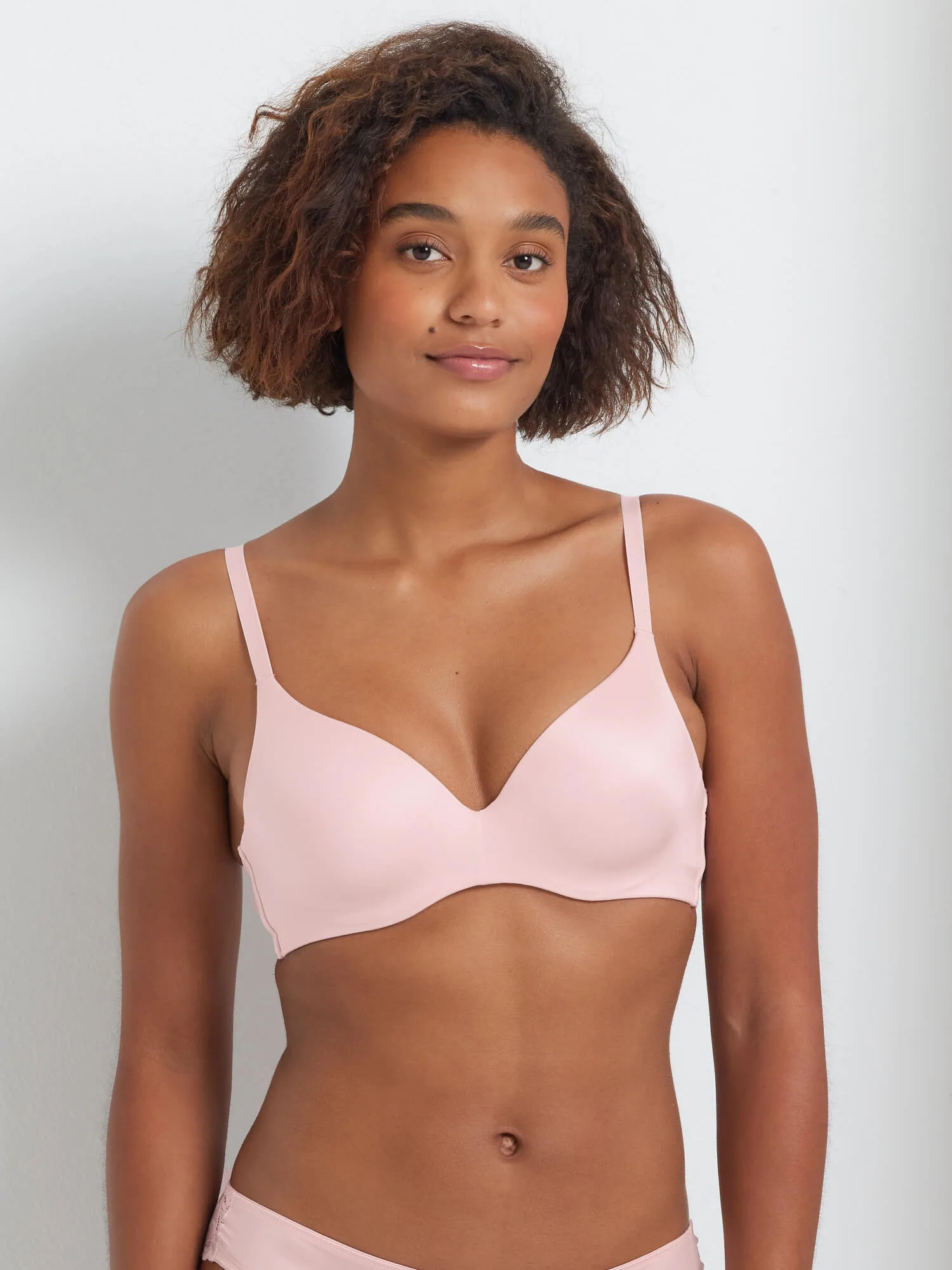
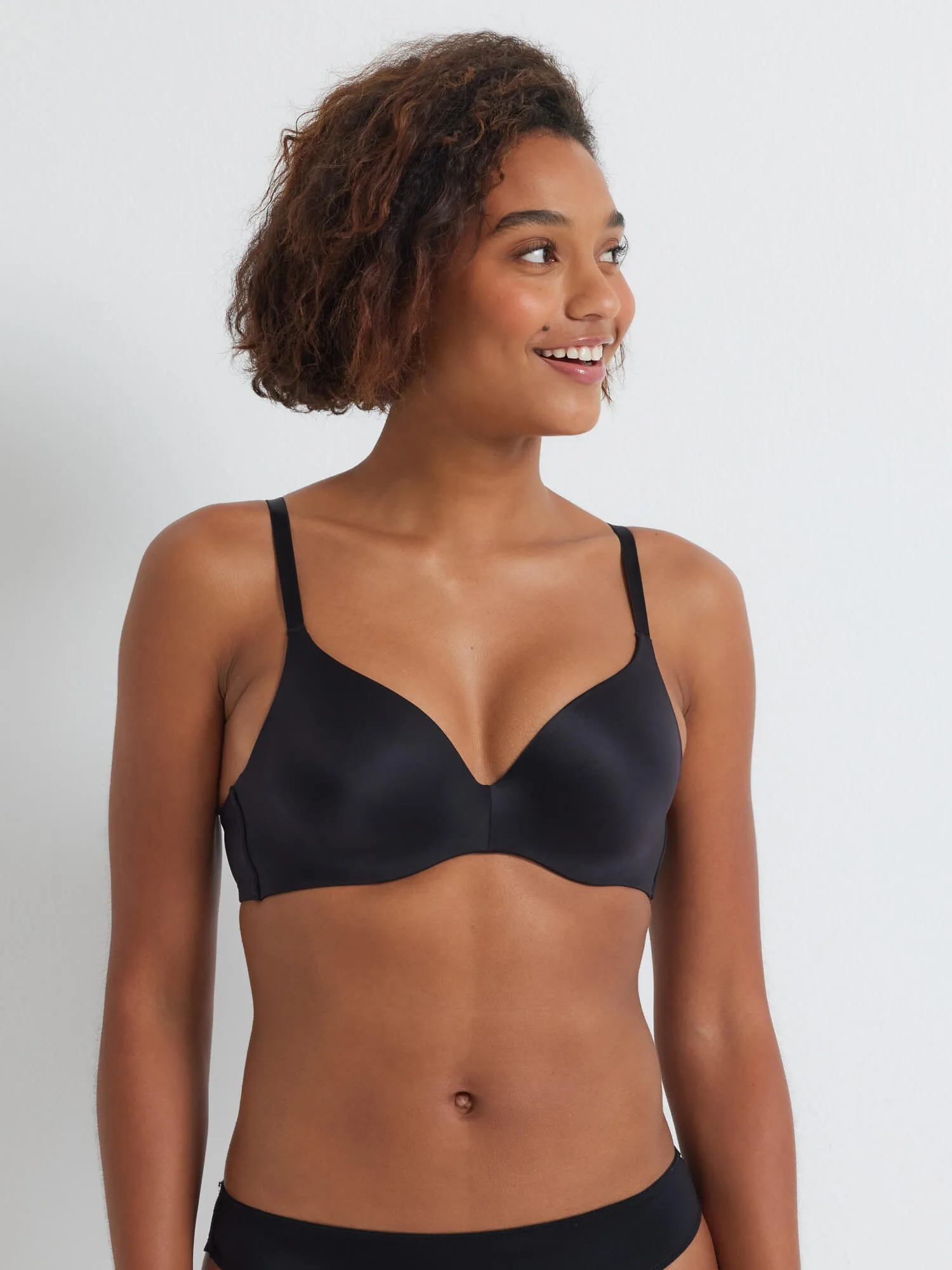
- https://kayserlingeriepkj.com/products/brazilian-smooth-comfort-tshirt-bra-rubgytan-aa170e6c385fa50f76ec250b-1344758https://kayserlingeriepkj.com/products/brazilian-smooth-comfort-tshirt-bra-black-ef238201a3ff1b66f6a9346a-1344771Smooth Comfort T-Shirt Bra: This stunningly crafted bra creates a natural bust shape with its modern neckline and is fully encased, with no visible seams for a flattering no-show finish under all clothing. Featuring a soft, comfortable ballet back with concealed wings and a padded hook and eye for extra comfort. A t-shirt bra like this is a great everyday option because it offers a smooth look under clothes. The ballet back and concealed wings mean the band sits flat without digging, which is a sign of good fit. If you're between sizes, the padded hook and eye gives you a little adjustability.
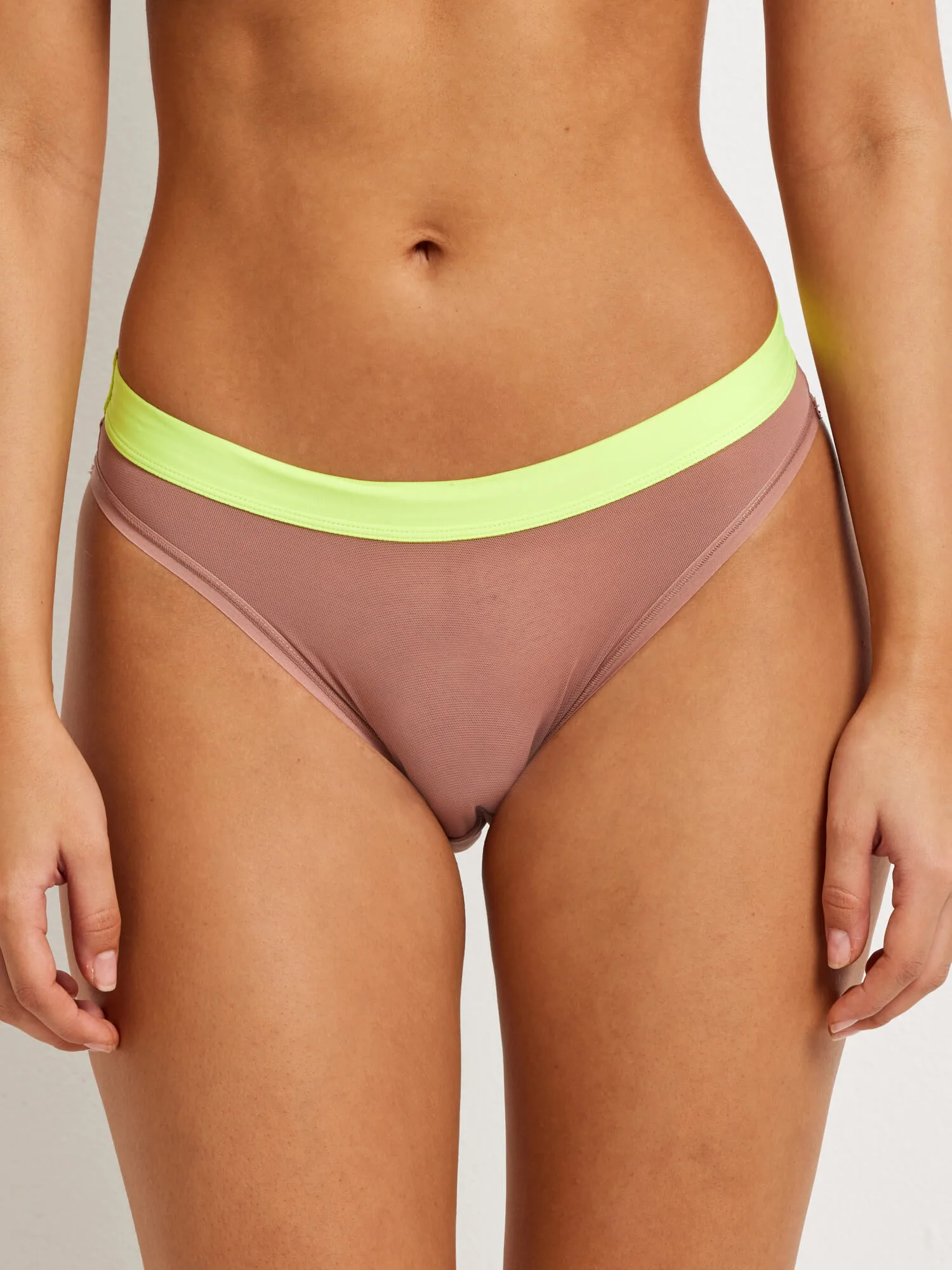
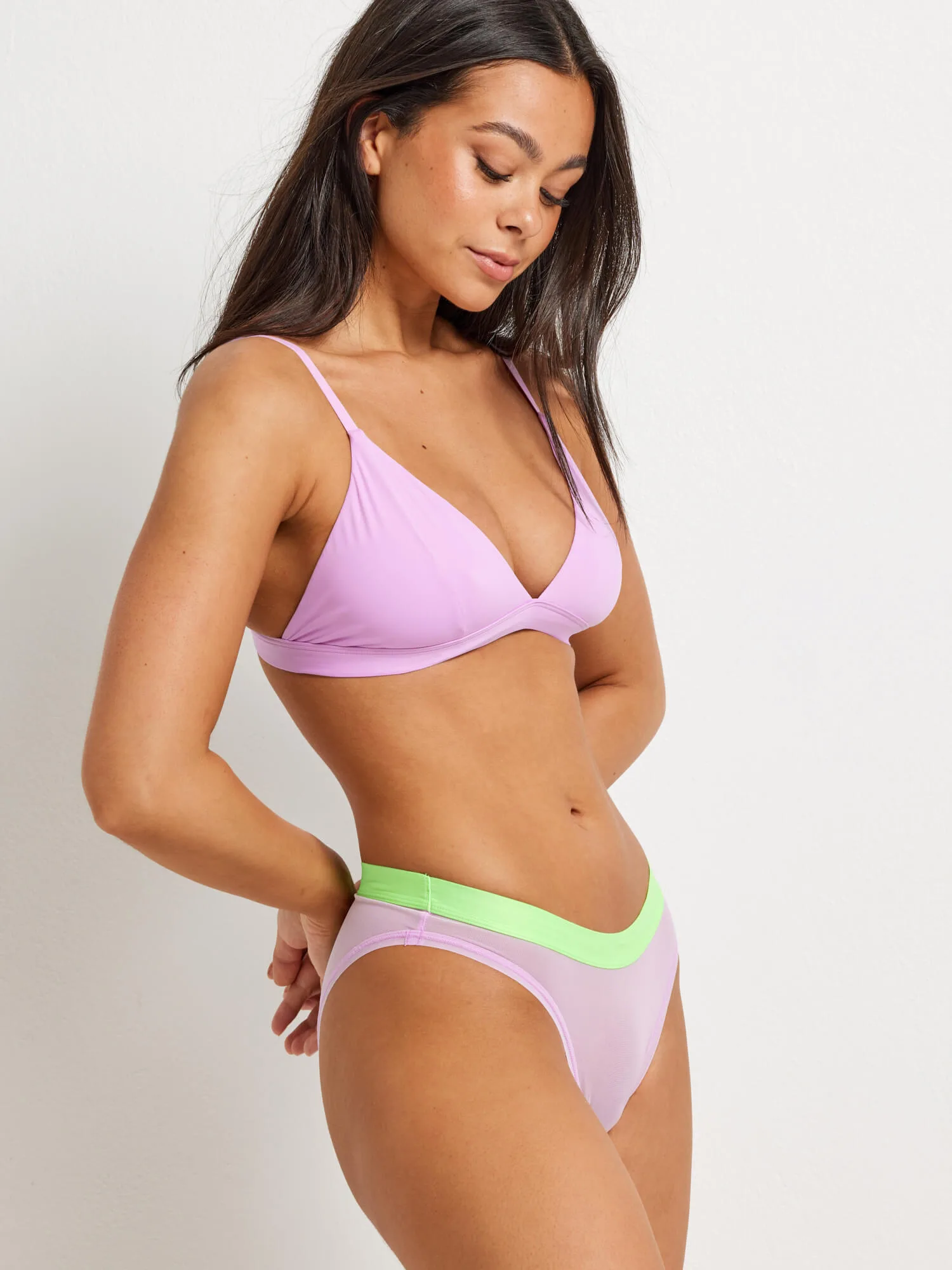
- https://kayserlingeriepkj.com/products/be-you-high-cut-mesh-brief-jacaranda-neon-nellow-7ddc66b8dba05bae2096dae9-1345571Be You High Cut Mesh Brief: This nude and neon yellow knicker is made with soft mesh fabric with a wide folded waistband. Featuring a mid-rise waist and high-cut leg line finished with sheer organza elastic. While this is a brief, not a bra, it illustrates that sizing isn't just about bras. The wide folded waistband and mid-rise fit are designed for comfort, and the high-cut leg can affect how the knicker sits on your hips. Always check the size chart for each style, as fit varies.
Bra sizing doesn't have to be a mystery. By letting go of common myths and focusing on how a bra actually feels and supports you, you can find styles that work for your body today—and adjust as your body changes. Remember, the best bra size is the one that feels comfortable and gives you confidence, no matter what the tag says.