Quick answer
Rawhide can be safe for some dogs, but it carries real risks of choking, intestinal blockages, and digestive upset—especially for aggressive chewers or dogs that swallow large pieces. If you choose rawhide, supervise closely and pick high-quality, easily digestible options. For many dogs, safer alternatives like single-ingredient jerky or soft chews provide the same satisfaction with fewer risks.
Rawhide is one of the most popular dog chews on the market, but it's also one of the most debated. You've probably heard warnings about choking and digestive problems, yet millions of dogs chew rawhide every day without issue. So what's the real story?
We're going to separate fact from fear. We'll look at what makes rawhide risky, how to tell if a chew is right for your dog, and which alternatives offer similar benefits with fewer hazards. Our goal is to help you make an informed choice—not to scare you away from every chew on the shelf.
What makes rawhide risky?
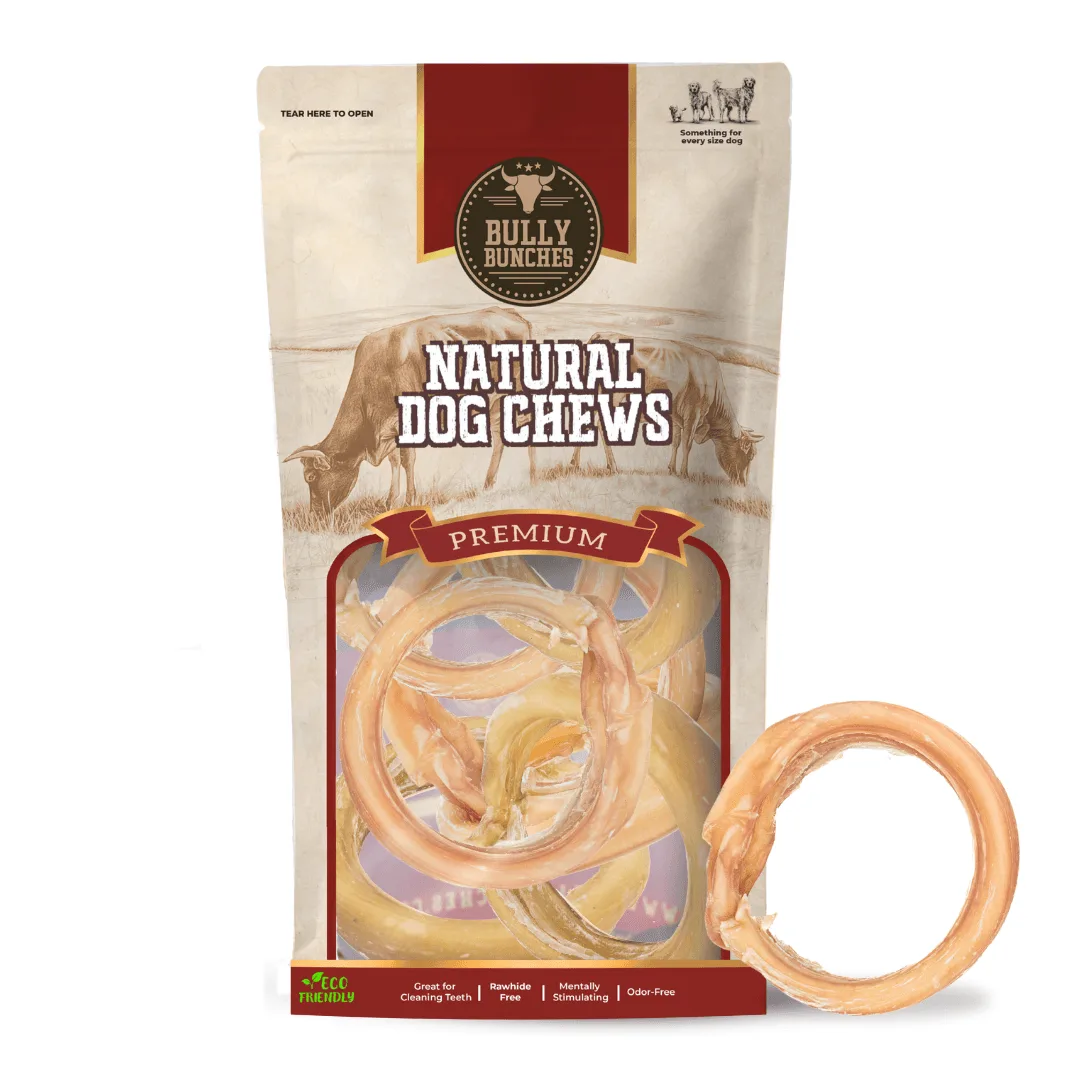
Rawhide is made from the inner layer of animal hides, usually cowhide. It's tough and long-lasting, which is why dogs love it. But that toughness is also the problem. As your dog chews, pieces can soften and break off. If your dog swallows a large chunk, it can get stuck in the esophagus or intestines, leading to a blockage that may require surgery.
Digestibility is another concern. Rawhide is not easily broken down in a dog's stomach. While some dogs pass it without issue, others may vomit or experience diarrhea. The risk is higher for dogs that gulp their food, aggressive chewers, or small breeds with narrower digestive tracts. That's why many owners look for chews that are softer and more digestible.
- Always supervise your dog with rawhide, and take it away once it becomes small enough to swallow.
- Choose chews that are appropriately sized for your dog's breed and chewing style.
How to choose a safer chew: what to look for
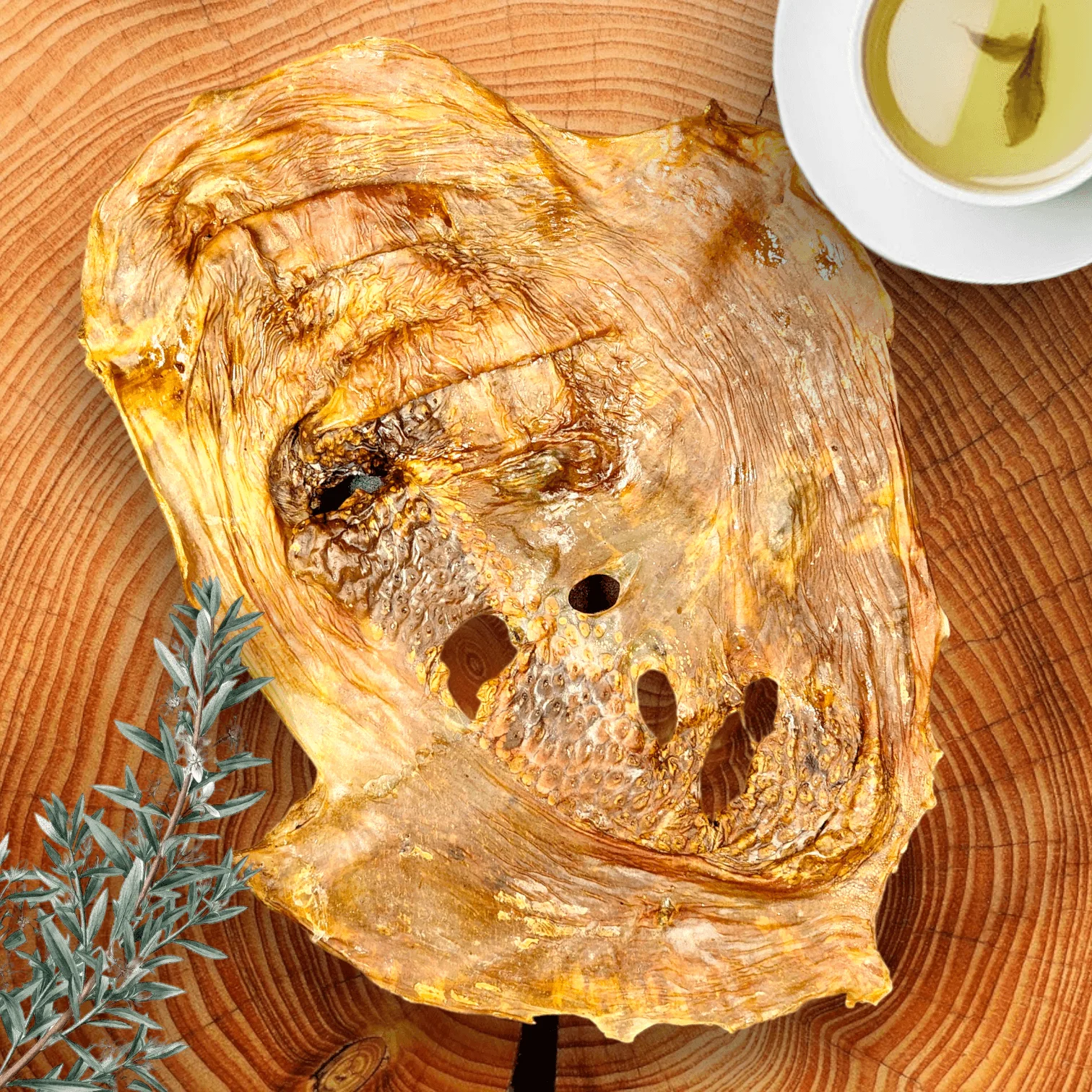
If you want to avoid rawhide altogether, look for chews made from a single, easily digestible protein. Single-ingredient treats are a great choice because they're less likely to contain artificial additives or fillers that can upset your dog's stomach. For example, dehydrated turkey gizzards are 100% turkey, gently dehydrated to lock in nutrients, and can be used as a treat or meal topper.
Another option is jerky-style treats made from novel proteins like ostrich or kangaroo. These are often softer than rawhide, making them easier to chew and digest. They also provide a satisfying texture and high protein content, which supports muscle health. Just be sure to check the ingredient list—the simpler, the better.
- Look for chews with a single protein source and no artificial colors or preservatives.
- If your dog has food sensitivities, consider novel proteins like kangaroo or ostrich.
Rawhide vs. bully sticks: which is better?
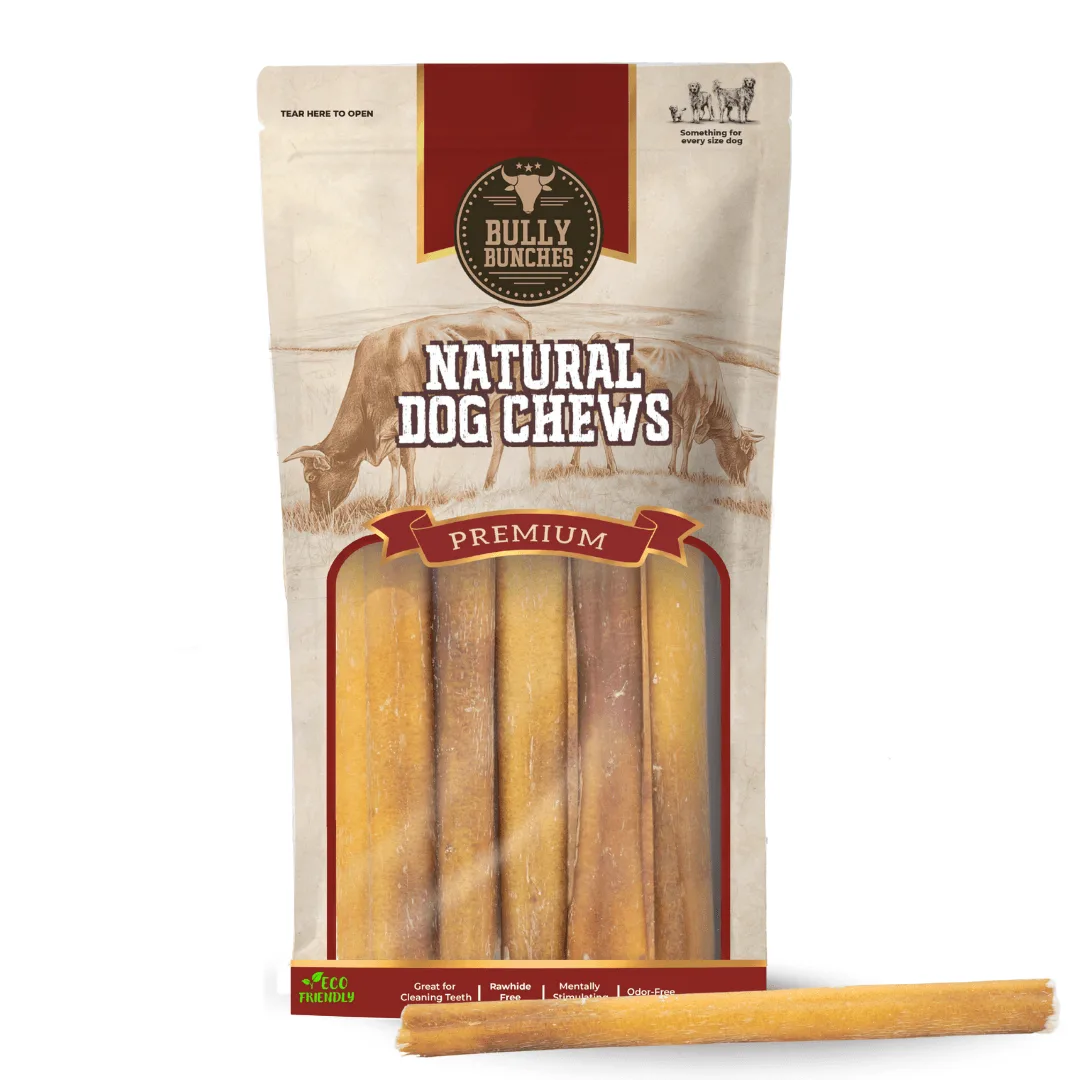
Bully sticks are often touted as a safer alternative to rawhide. They're made from beef pizzle and are highly digestible. However, they're also high in calories and can be tough for aggressive chewers to finish quickly. Rawhide, on the other hand, lasts longer but carries a higher risk of blockage.
The right choice depends on your dog's chewing style and health needs. If your dog is a gentle chewer who doesn't gulp, rawhide may be fine in moderation. If your dog tends to swallow large pieces, a softer, more digestible chew like jerky or a dental chew might be a better fit. Always consult your vet if you're unsure.
- For aggressive chewers, consider softer chews that break down easily rather than hard, long-lasting ones.
- Monitor your dog's chewing habits and adjust the type of chew accordingly.
Rawhide myths vs. facts
- Myth: Rawhide is completely unsafe for all dogs: While rawhide has risks, many dogs chew it without problems when supervised and given appropriately sized pieces. The key is knowing your dog's chewing style and health status. Verdict: Partially true. Use caution, but don't ban it outright.
- Myth: Rawhide is easily digestible: Rawhide is not highly digestible, and large pieces can cause blockages. Softer, single-ingredient chews are generally easier on the digestive system. Verdict: False. Choose more digestible alternatives when possible.
- Myth: All rawhide alternatives are safe: Not all alternatives are created equal. Some may contain artificial additives or be too hard for your dog's teeth. Always check ingredients and choose appropriately sized chews. Verdict: True with caveats. Read labels and match the chew to your dog.
Safer chew options we recommend
- Tasty Ostrich Jerky (2oz): The Protein-Packed, Dental-Health Chew for Dogs of All Sizes: Made from 100% ethically and sustainably raised ostrich, these soft, flavorful hypoallergenic jerky strips are packed with protein and iron while being gentle on sensitive stomachs. This jerky offers a softer, more digestible alternative to rawhide, making it a safer choice for dogs with sensitive stomachs or those prone to gulping.
- Meaty Bites Grain-free Premium Kangaroo Dog Treats: Made with high-quality kangaroo meat, these treats are rich in protein and essential nutrients, grain-free, and have a soft texture ideal for training. The soft texture makes these treats easy to chew and digest, reducing the risk of choking or blockage compared to hard rawhide chews.
- Dehydrated Turkey Gizzards for Cats & Dogs — 100% Single Ingredient | Raw Instincts Florida: Each bag contains 100% Turkey Gizzards, gently dehydrated to lock in flavor and preserve vital nutrients, perfect as a healthy treat, meal topper, or nutritional booster. With just one ingredient, this chew is easy to digest and free from additives, making it a safe and simple alternative for dogs with dietary sensitivities.
Rawhide isn't inherently evil, but it's not the right choice for every dog. By understanding the risks and choosing safer, more digestible alternatives, you can keep your dog happy and healthy. Always supervise chew time and talk to your vet if you have concerns about your dog's chewing habits or digestive health.