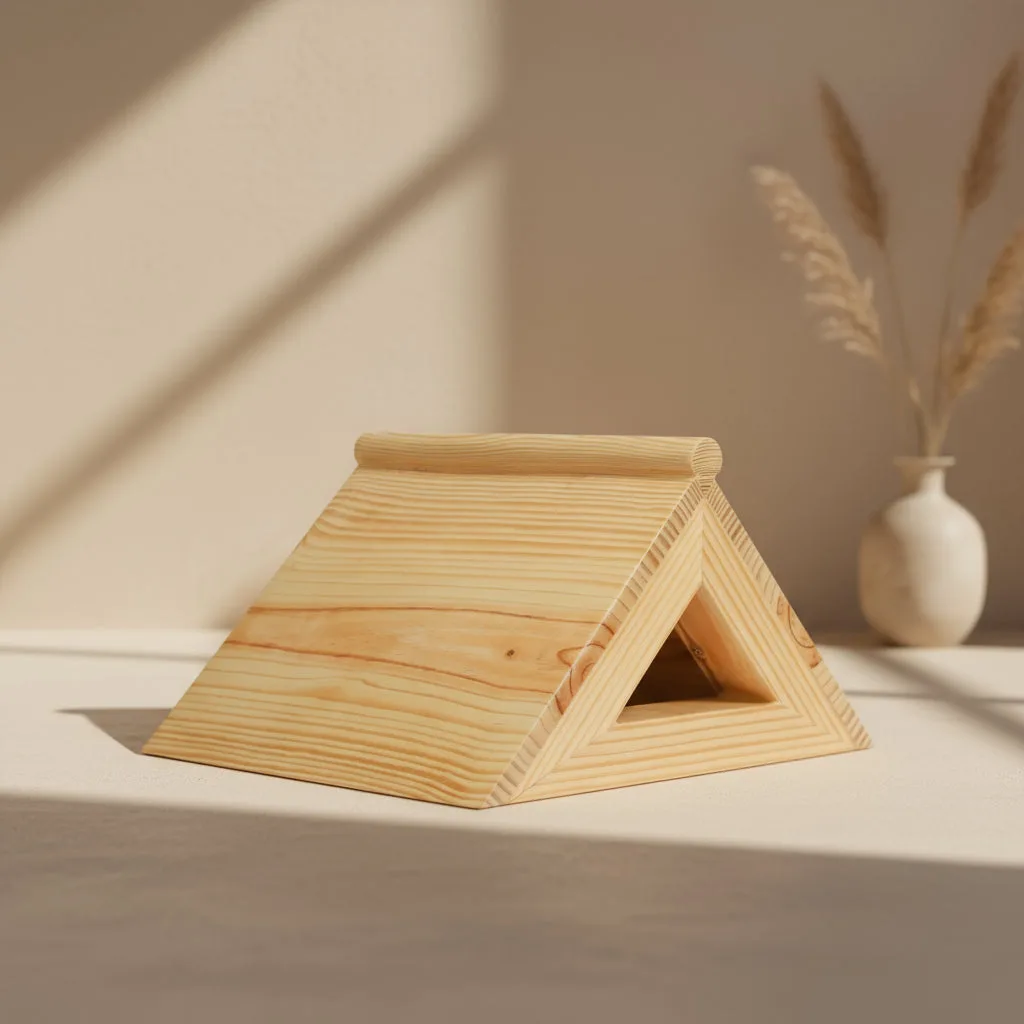
Quick Answer
No, you don't need yoga props to practice yoga, but they are not a crutch or a sign of weakness. The right props—like a block, wheel, or bench—can make poses more accessible, support alignment, and help you progress safely. Start with one or two versatile pieces and let your body guide you.
Walk into any yoga studio and you'll see blocks, straps, and wheels stacked in the corner. It's easy to assume they're only for beginners or for people who aren't flexible yet. But that's a myth. Props are not a shortcut—they're tools that let you explore each pose with more awareness and less strain.
The truth is, yoga props can benefit everyone, from first-timers to long-time practitioners. They help you find length in tight areas, build strength gradually, and even deepen relaxation. In this article, we'll separate fact from fiction and show you how a few simple props can transform your practice.
Myth 1: Props Are Only for Beginners
Many people believe that once you've been practicing for a while, you should be able to do every pose without props. That's simply not true. Props are used by yogis of all levels—including advanced practitioners—to refine alignment, explore deeper variations, and prevent injury.
For example, a yoga wheel can support advanced backbends and chest openers that might otherwise be hard to access. Even if you've been practicing for years, a wheel like the Yoga Wheel Pro offers a stable, non-toxic foundation to safely explore these poses. It's not about needing help—it's about giving your body the support it deserves.
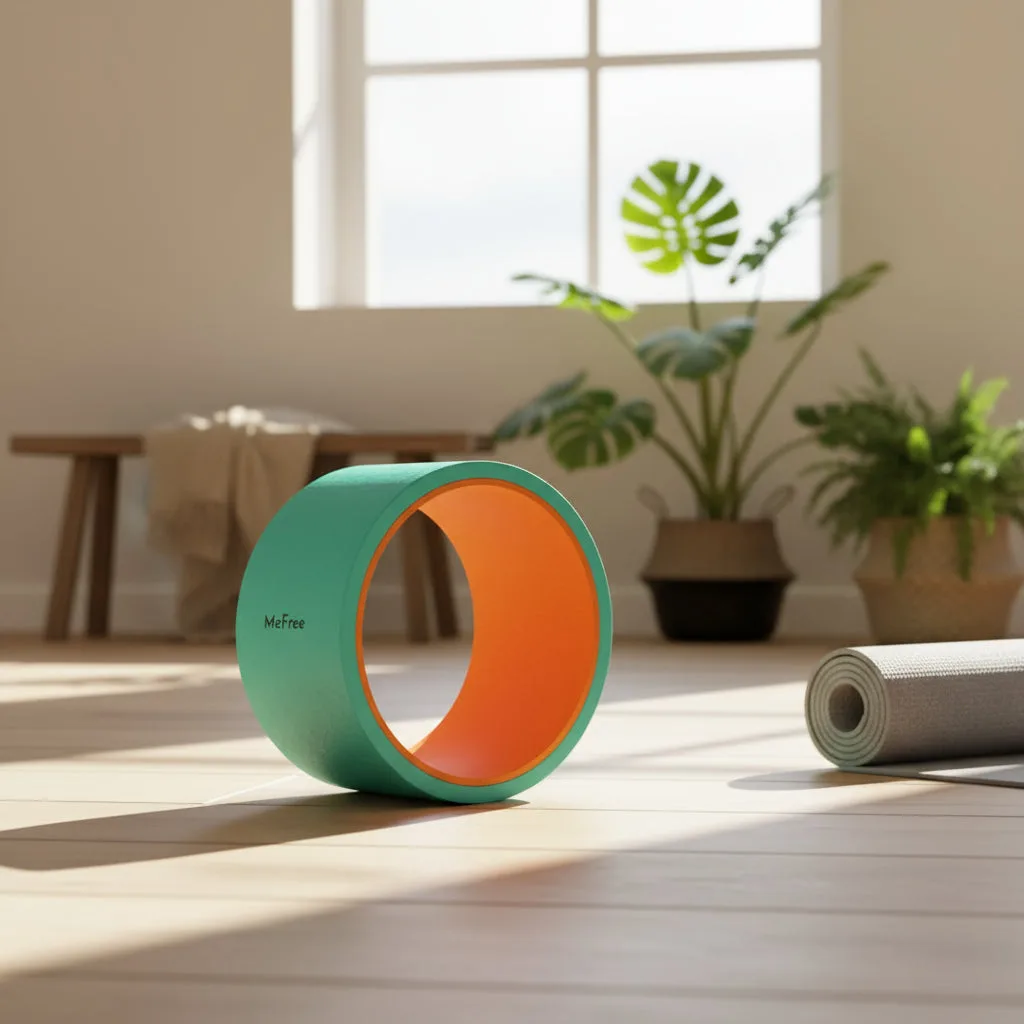
Yoga Wheel Pro
- Use a block to bring the floor closer in standing poses, even if you're flexible.
- A wheel can help you ease into backbends without forcing your spine.
- Props let you hold poses longer, which builds strength and endurance.
Myth 2: Props Make Yoga Too Easy
It's a common misconception that using a prop makes a pose less challenging. In reality, props often make poses more accessible, but they can also increase the difficulty. A block under your hand in a standing pose can help you find better alignment, which actually engages your muscles more effectively.
Consider the Halasana Bench. It's designed to support your spine in an inversion, targeting the neck, shoulders, and lower back. While it makes the pose more comfortable, it also allows you to stay longer and breathe deeper—turning a passive stretch into an active release. That's not cheating; that's smart practice.
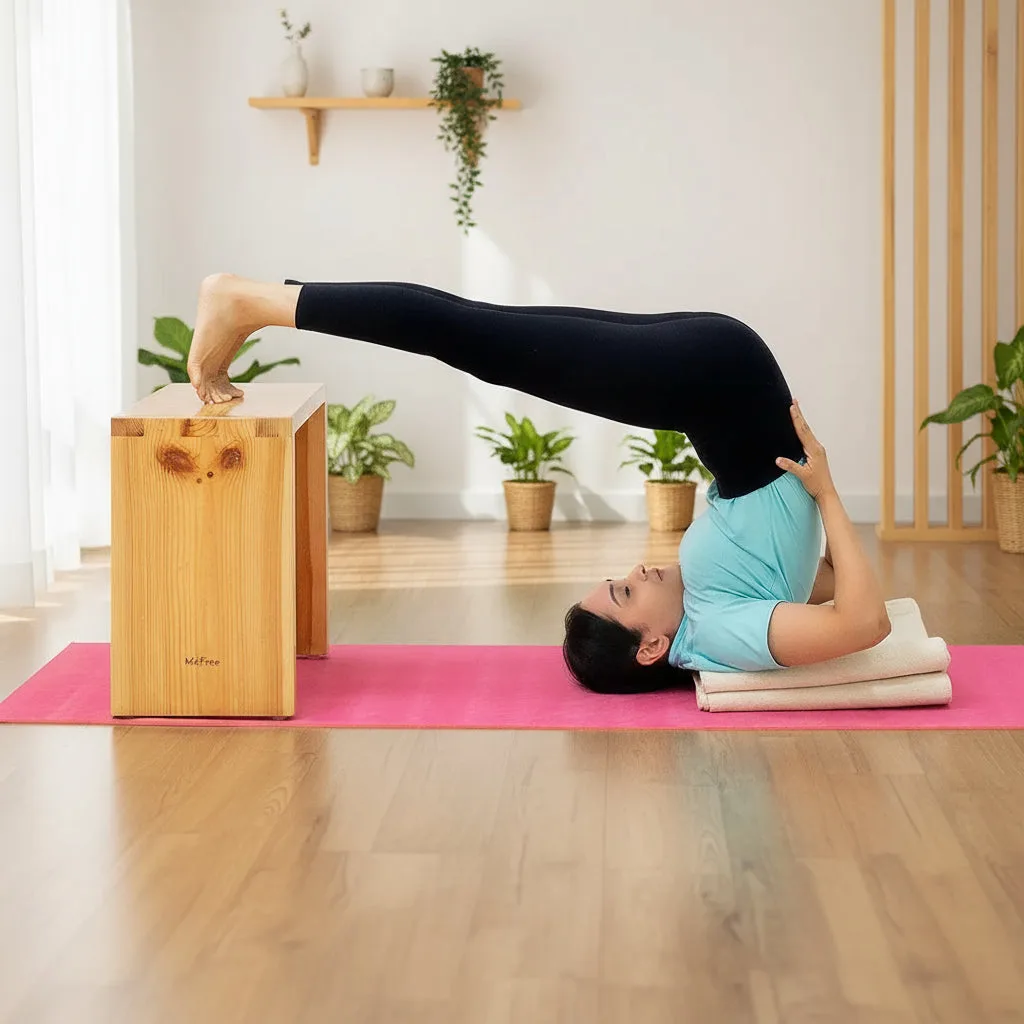
Halasana Bench
- Use props to find your edge, then work with it—don't avoid it.
- A bench can help you hold inversions safely, building strength over time.
- Props can help you stay present and breathe through challenging poses.
Myth 3: Props Are a Sign of Weakness
Some practitioners feel that using props means they're not 'advanced' enough. This mindset can hold you back from exploring poses safely. The truth is, props are a sign of intelligence—they show you're listening to your body and respecting its limits.
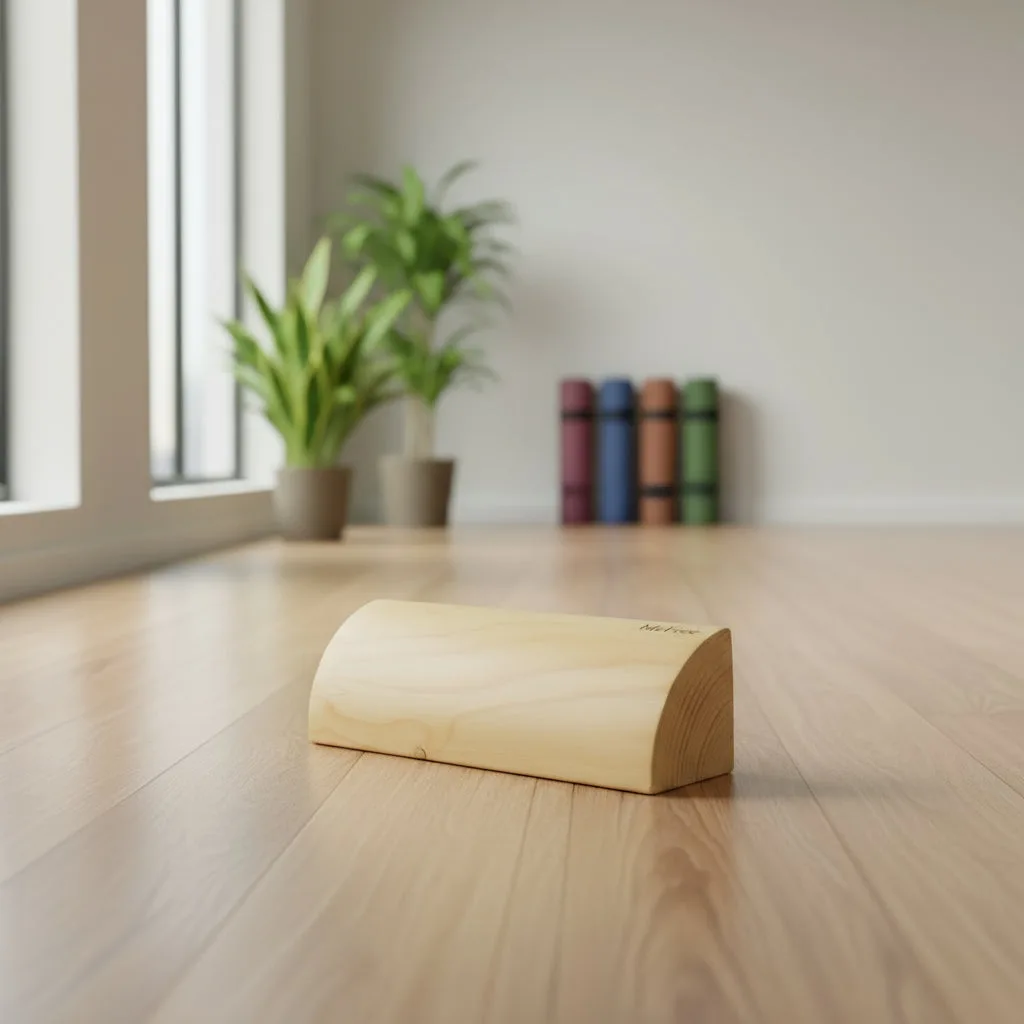
Take the Quarter Round Block, an Iyengar-specific prop made from solid pinewood. It's designed to support your posture and stability in precise alignment. Using it doesn't mean you're weak; it means you're committed to practicing correctly. Even advanced yogis use blocks to deepen their practice and prevent injury.
- A block can help you maintain alignment in poses that require flexibility.
- Using props shows you value safety and longevity in your practice.
- Start with a block under your seat in seated poses to keep your spine long.
Myth 4: You Need to Buy Everything at Once
It's easy to feel overwhelmed by the sheer number of yoga props available. But you don't need to buy a full studio's worth of gear to see benefits. Start with one or two versatile pieces that address your specific needs, and build from there.
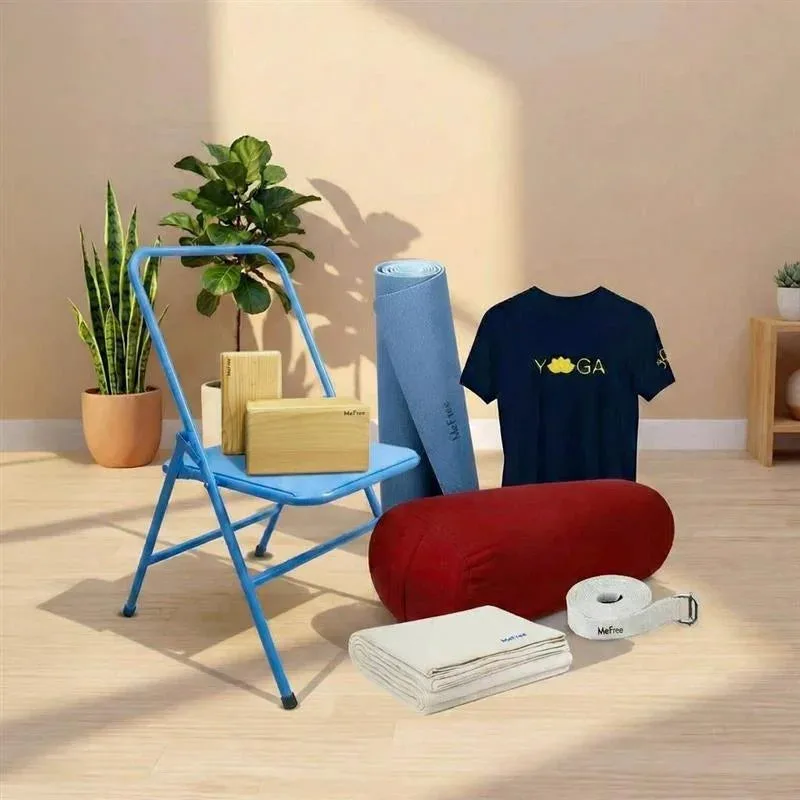
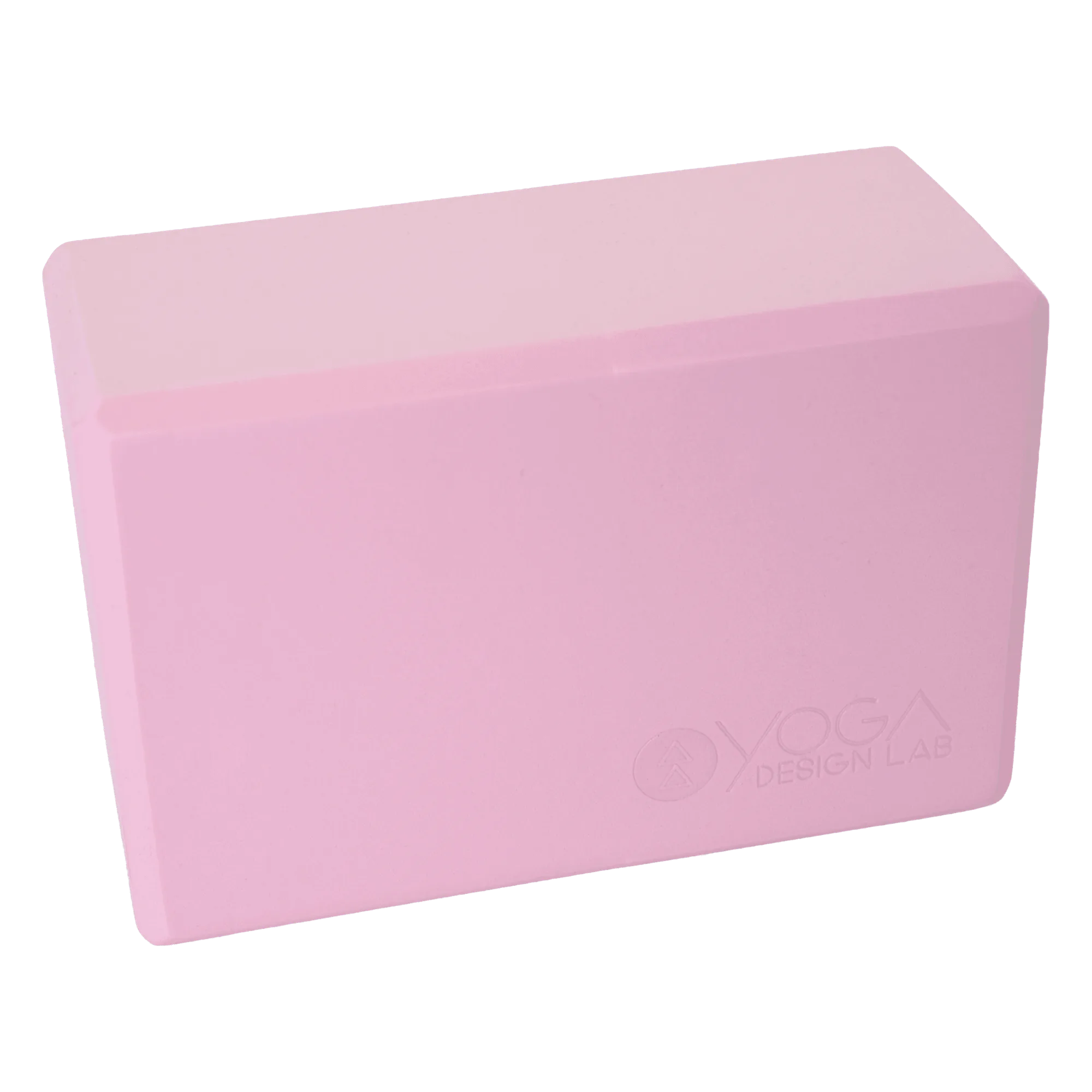
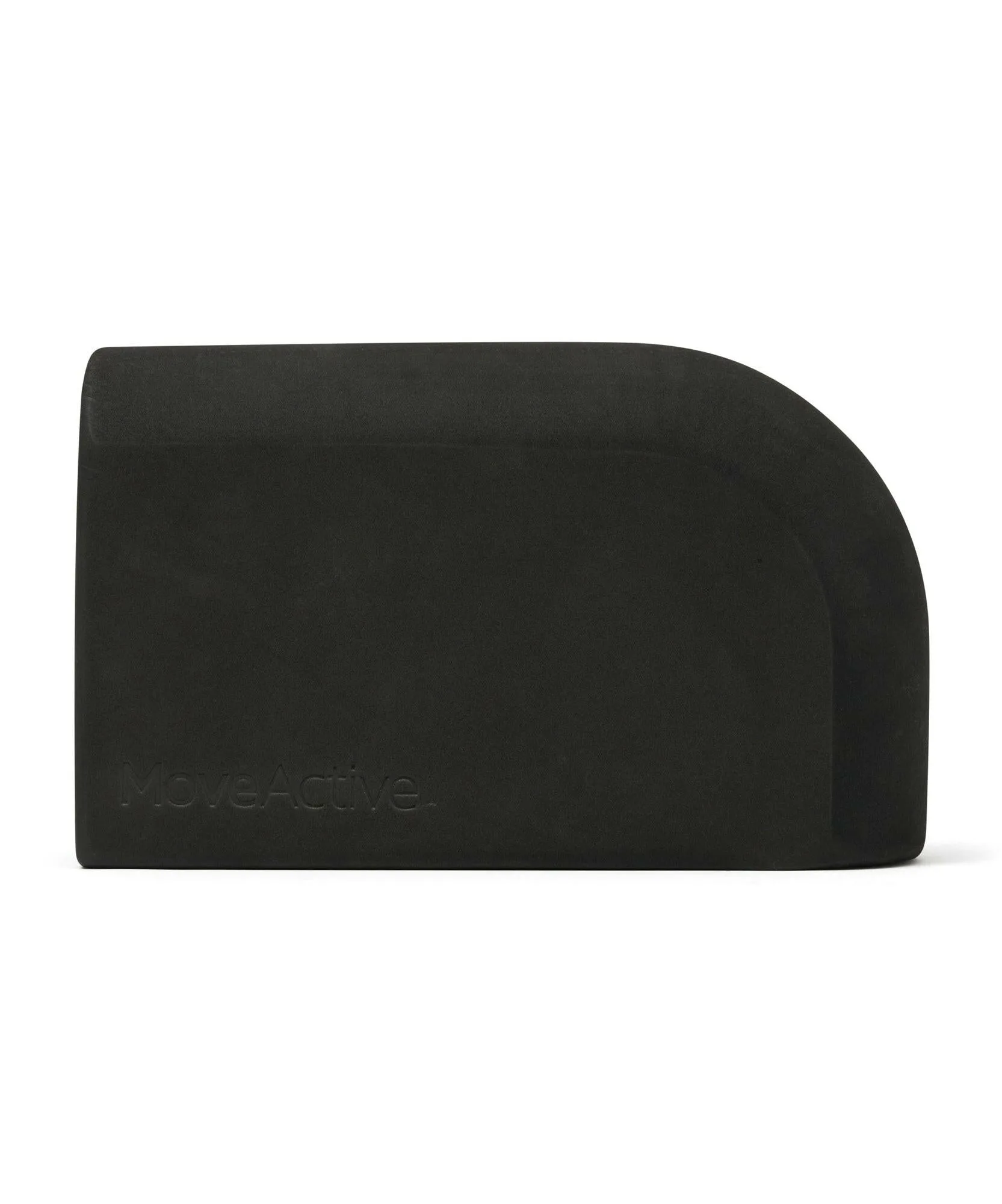
A great starting point is a yoga block, which can support you in a variety of poses. If you're interested in backbends or core work, a yoga wheel is a compact, affordable addition. And as you progress, you can add a bench or an Iyengar Yoga Kit for more targeted support. The key is to choose props that genuinely help you in your practice.
- Assess your practice: what poses do you find most challenging?
- Choose one prop that addresses your biggest limitation, like a block for tight hamstrings.
- Add new props gradually as you become comfortable using them.
Verdict: Do You Really Need Yoga Props?
- Props are optional: You can practice yoga without any props, but they offer real benefits for alignment, comfort, and progression. Start with one prop that addresses your biggest challenge.
- Props are not just for beginners: Advanced practitioners use props to explore deeper variations and support their bodies in challenging poses. Don't let pride stop you from using a prop that helps you.
- Choose quality over quantity: A few well-made props—like a block or wheel—can serve you for years and support a safer practice. Invest in durable, non-toxic materials that feel good in your hands.
Props That Support Your Practice
- Halasana Bench: The Halasana Bench is a premium inversion prop that targets the neck, shoulders, and lower back, providing deep-tissue release. If you spend hours at a desk or struggle with tension, this bench helps you safely experience inversion benefits without straining your spine.
- Quarter Round Block: The Quarter Round Block is an Iyengar-specific yoga accessory made from solid pinewood, designed to provide support and stability. It's ideal for maintaining precise alignment in seated and standing poses, especially if you're working on hip or hamstring flexibility.
- Yoga Wheel Pro: The Yoga Wheel Pro is engineered with high-stability, non-toxic materials, providing a secure foundation for backbends, chest openers, and restorative poses. It's a versatile tool for both beginners and advanced practitioners looking to safely deepen backbends and improve spinal mobility.
Yoga props aren't a crutch—they're a bridge to a deeper practice. Whether you're just starting out or have been practicing for years, the right props can help you move with more confidence and ease. Start with one or two versatile pieces, listen to your body, and let your practice evolve naturally.