Quick Answer
If you want one tool that handles broad rolling and pinpoint trigger-point work, the TRX Rev Roller is the more versatile pick. A standard smooth foam roller remains the better choice if you prefer lighter, even pressure over large areas like the quads and back. Neither replaces the other entirely, but the Rev Roller's dual-surface design covers more recovery needs in a single 14-inch package.
How the Two Tools Differ in Surface and Feel
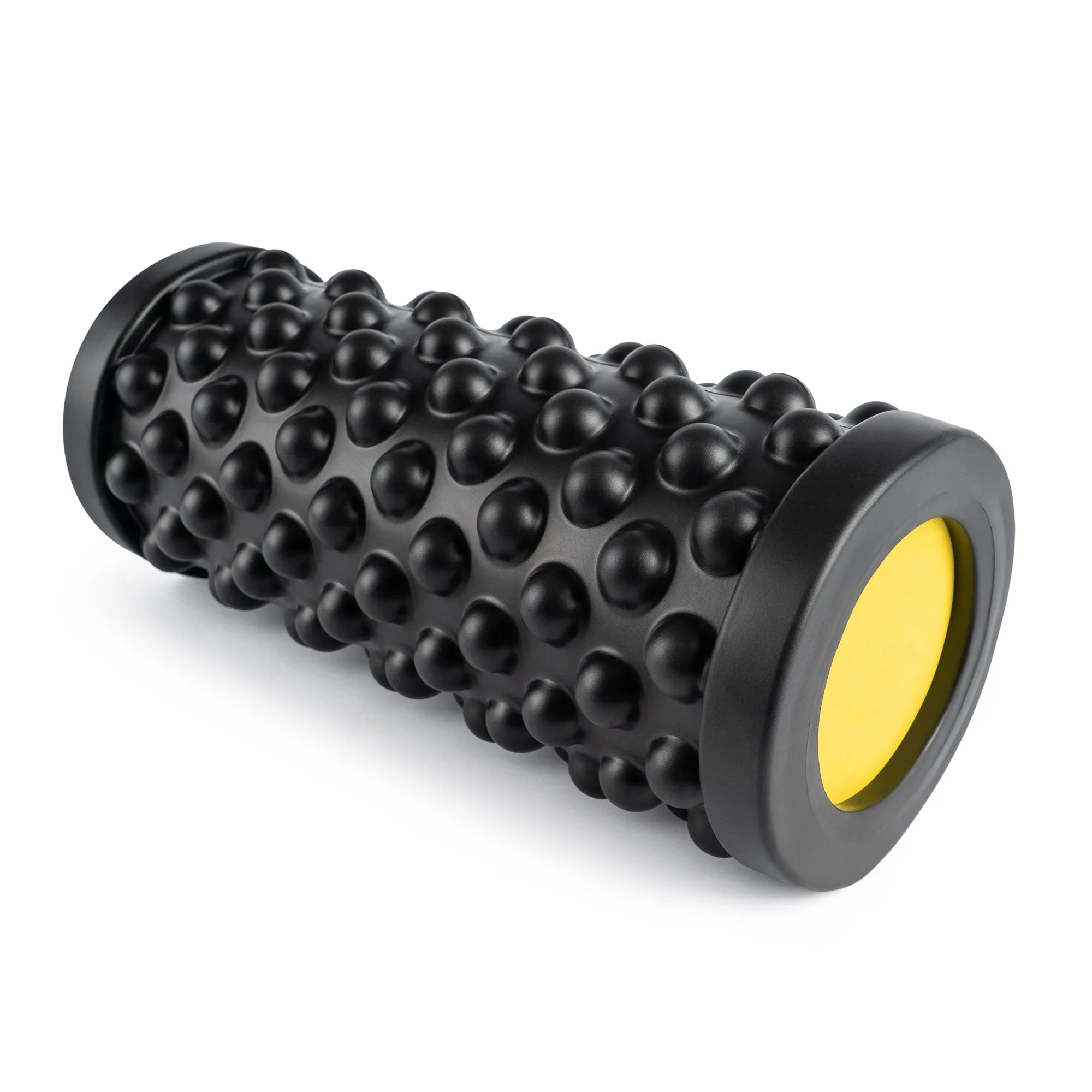
The TRX Rev Roller has smooth rings on each end for consistent deep-tissue release, plus trigger points that target tension in the neck, back, knees, hips, and more. At 14 x 6 x 6 inches, it is compact enough to travel but still wide enough for most body areas. A standard foam roller is typically a longer, uniform cylinder with a single density. That means you get the same pressure across the entire surface, which is simpler but less adaptable when one spot needs more attention than another.
Portability and Storage Compared
The Rev Roller's 14-inch length makes it easy to toss in a gym bag or carry-on. A full-size foam roller often runs 24 to 36 inches, which can be awkward to pack. If you train at home and have floor space, a longer foam roller stays put and covers more area per stroke. If you split time between gym, office, and travel, the Rev Roller's footprint is a real advantage. Neither tool includes a storage bag in the supplied catalog facts, so plan your own carry solution if that matters to you.
Where Each Tool Fits in a Recovery Routine
Use the smooth rings of the Rev Roller for broad strokes along large muscle groups, then switch to the trigger points for focused work on knots. A foam roller works best as a first pass before deeper tools, or on days when you want gentle circulation without sharp pressure. If you already own a foam roller and find it too vague for neck or hip tension, adding the Rev Roller gives you a targeted option without replacing what works. If you are brand new to rolling, start with a foam roller to learn tolerable pressure, then upgrade.
Tradeoffs to Weigh
- Targeted vs. general pressure: The Rev Roller's trigger points dig into specific knots, but that same intensity can feel too sharp on sensitive areas like the lower back. A smooth foam roller spreads pressure evenly, which is gentler but less precise. Choose the Rev Roller if you want precision; choose foam if you prefer comfort.
- Compact vs. coverage: At 14 inches, the Rev Roller is travel-friendly but requires more passes to cover large muscle groups. A longer foam roller covers more surface per stroke but is harder to store and carry. Match the length to your space and travel habits.
- Durability and care: The Rev Roller's mixed surface may trap more sweat and debris in the trigger points. A smooth foam roller wipes clean easily. Neither tool should be soaked or left in extreme heat. Clean both after heavy use to keep the surface effective.
Product Facts
- TRX REV ROLLER: Smooth rings on each end are ideal for consistent deep-tissue release, while trigger points can target tension in the neck, back, knees, hips, and more. You can switch between broad rolling and pinpoint work without swapping tools.
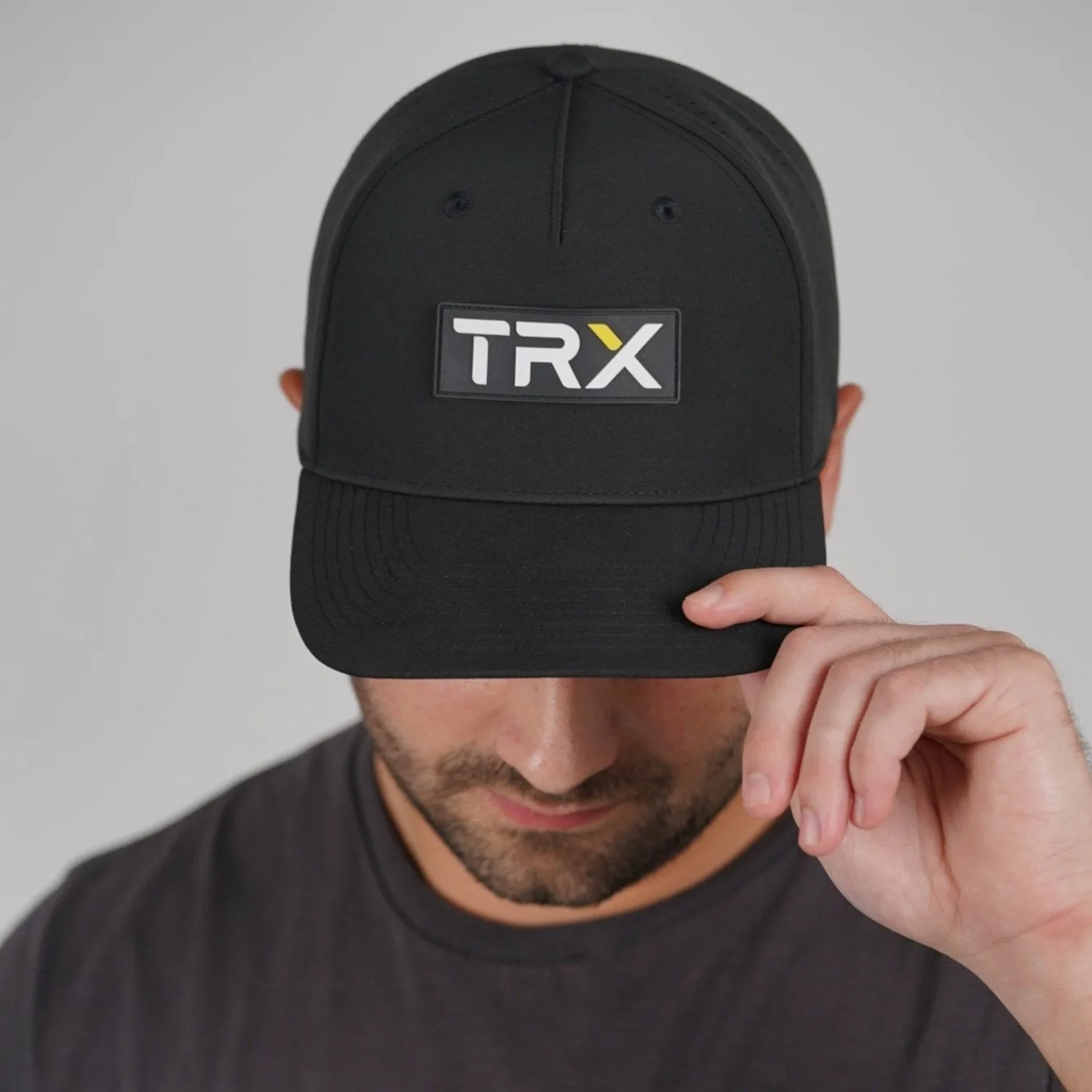
- TRX PERFORMANCE CAP: Moisture-wicking performance fabric and laser-cut mesh back with adjustable snap back. A breathable cap keeps sweat out of your eyes during recovery sessions or workouts, though it is not a recovery tool itself.
Which Should You Choose?
Best for
- Athletes who want one tool for both broad rolling and trigger-point release
- People who travel or have limited storage space
- Anyone targeting neck, back, knee, or hip tension with precise pressure
Not for
- Users who prefer a single, uniform density across the entire roller
- Those who need a long roller to cover their whole back in one pass
- Anyone new to rolling who may find trigger points too intense at first