Quick answer
A TSA lock is a combination or key lock built so that you can open it and screeners can also open it with a master key, then relock it. It protects your zippers from casual tampering, but it is not a guarantee against theft. Use one if you check a bag and want it relocked rather than cut open.
Most travelers buy a TSA lock, snap it on, and never think about it again until the combination jams at the airport. The questions people actually ask are narrower: who has the key, what the red diamond means, and whether it stops anyone from getting into the bag.
This guide answers those questions directly. It covers how TSA locks work, how to set and reset a combination, what the rules do and do not require, and where a lock fits into a broader luggage security setup.
How do TSA locks work?
A TSA lock has two ways in: your combination or key, and a master key held by the Transportation Security Administration. When a bag needs inspection, a screener opens the lock with the master key, checks the contents, then snaps it shut again. Your own combination still works afterward.
The point is to avoid cutting. On a bag without a TSA-recognized lock, screeners may force the zipper or cut the lock to inspect it. A TSA lock gives them a clean way in and out, which is why it has become the default for checked luggage.
- Your code opens the lock for you; the master key opens it for screeners.
- After inspection, the lock relocks and your combination still works.
What does the red diamond logo mean?
The red diamond, often printed with the letters TSA, marks a lock the agency can open with its master keys. It is a recognition mark, not a security rating. A lock without it may be cut during an inspection.
Look for the mark on the lock body or packaging before you buy. If you already own a lock and cannot find the mark, treat it as a standard lock and expect it might be cut if your bag is opened.
- The mark means screeners can open it, not that it is stronger.
- No mark means a higher chance of a cut lock during inspection.
Is a TSA lock required on checked bags?
No. There is no rule requiring a lock on checked or carry-on bags. Locking is your choice, and it comes with a tradeoff: a locked bag that needs inspection may be opened by force if the lock is not TSA-recognized.
If you would rather not deal with that, leave the bag unlocked and keep valuables in your carry-on. If you do lock it, use a TSA-recognized lock so the bag can be opened and relocked without damage.
- Locking is optional, not mandated.
- Unlocked bags are simpler; locked bags need a TSA-recognized lock to avoid cuts.
How do I set or reset the combination?
Most TSA combination locks use the same basic method: open the lock with the current code, turn the shackle or reset dial to a set position, choose a new three-digit code, then return the mechanism to lock the new number in. Exact steps vary by model, so keep the instructions.
If you forget the code, a TSA lock is not something a locksmith will usually open for you. Many travelers end up cutting the lock off. Write the code somewhere separate from the bag, or use a lock you can reset from a known starting code.
- Set the new code only while the lock is open and in reset mode.
- Store the code away from the bag, not in an outside pocket.
Can a TSA lock be opened by anyone else?
Master keys exist for screeners, and over the years reports have raised concerns that copies could circulate. Treat a TSA lock as a deterrent against opportunistic tampering, not as a vault. It stops a passerby from unzipping your bag in a baggage hall; it does not stop a determined thief.
The practical approach is layered: lock the bag, keep documents, electronics, and jewelry in your carry-on, and use anti-theft features on the bag itself where they exist. A lock is one layer, not the whole plan.
- A lock deters casual access; it does not guarantee against theft.
- Keep high-value items in your carry-on regardless of locks.
Where does a lock fit with anti-theft bags?
Some travel bags build security into the bag rather than the lock. The Pacsafe® Go 15L Backpack, for example, uses cut-resistant materials and straps, securable zippers, and an RFID blocking pocket, plus a hidden storage pocket for items like a phone and wallet. That combination covers more ground than a padlock alone.
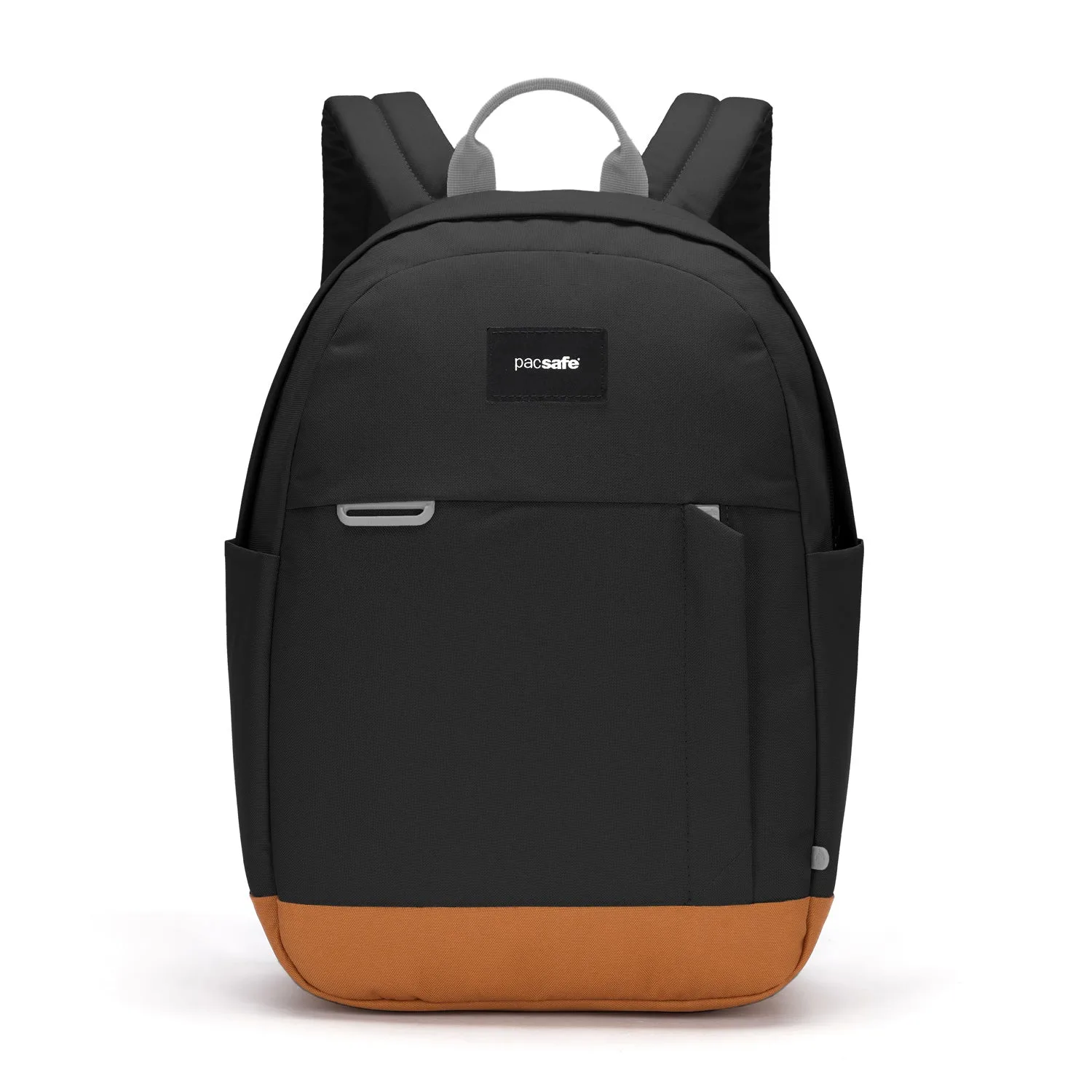
Pacsafe® Go 15L Backpack
For longer trips, the Pacsafe® Eco 25L Anti-Theft Backpack uses almost 100% recycled materials and components, with multiple pockets and separate compartments for organization. Neither bag replaces a TSA lock on a checked suitcase, but both reduce how much you rely on one.
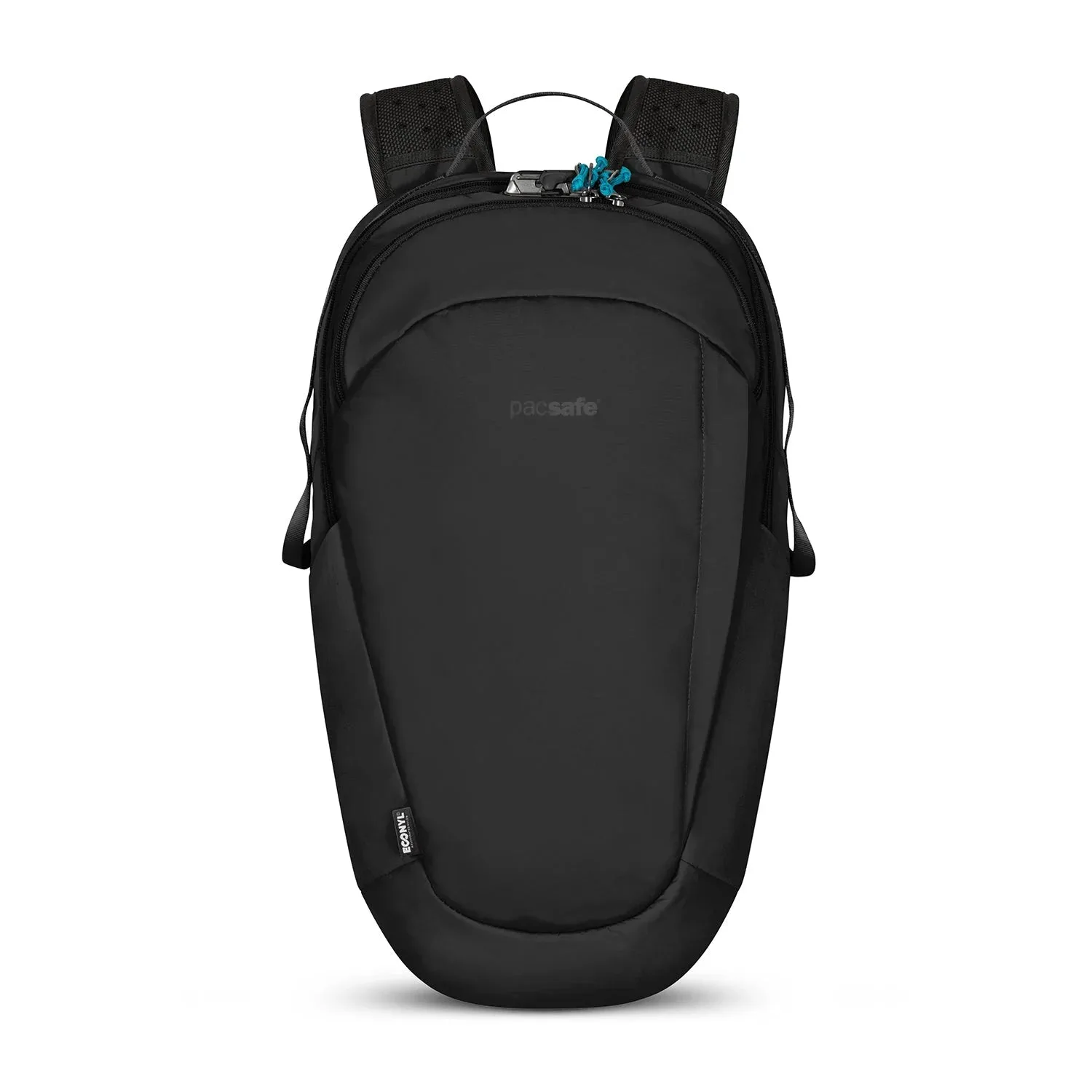
Pacsafe® Eco 25L Anti-Theft Backpack
- Pair a TSA lock on checked luggage with an anti-theft carry-on.
- Securable zippers and RFID pockets protect what a padlock cannot.
TSA lock checklist
Look for the red diamond
The mark means screeners can open the lock with a master key instead of cutting it. No mark, higher risk of a cut lock.
Set the code before you fly
Open the lock, move it into reset mode, choose a new code, then lock the new number in. Store the code away from the bag.
Keep valuables in the carry-on
A lock deters casual tampering but does not stop a determined thief. Layer a lock with an anti-theft bag and smart packing.
Products that pair with a TSA lock
- Pacsafe® Go 15L Backpack: Features cut-resistant materials and straps, securable zippers, an RFID blocking pocket, and a hidden storage pocket for a phone and wallet. Useful as a carry-on when you want security built into the bag rather than relying only on a padlock.
- Pacsafe® Eco 25L Anti-Theft Backpack: Made with almost 100% recycled materials and components, with multiple pockets and separate compartments. A larger anti-theft option for trips where you want organization and security in one carry-on.
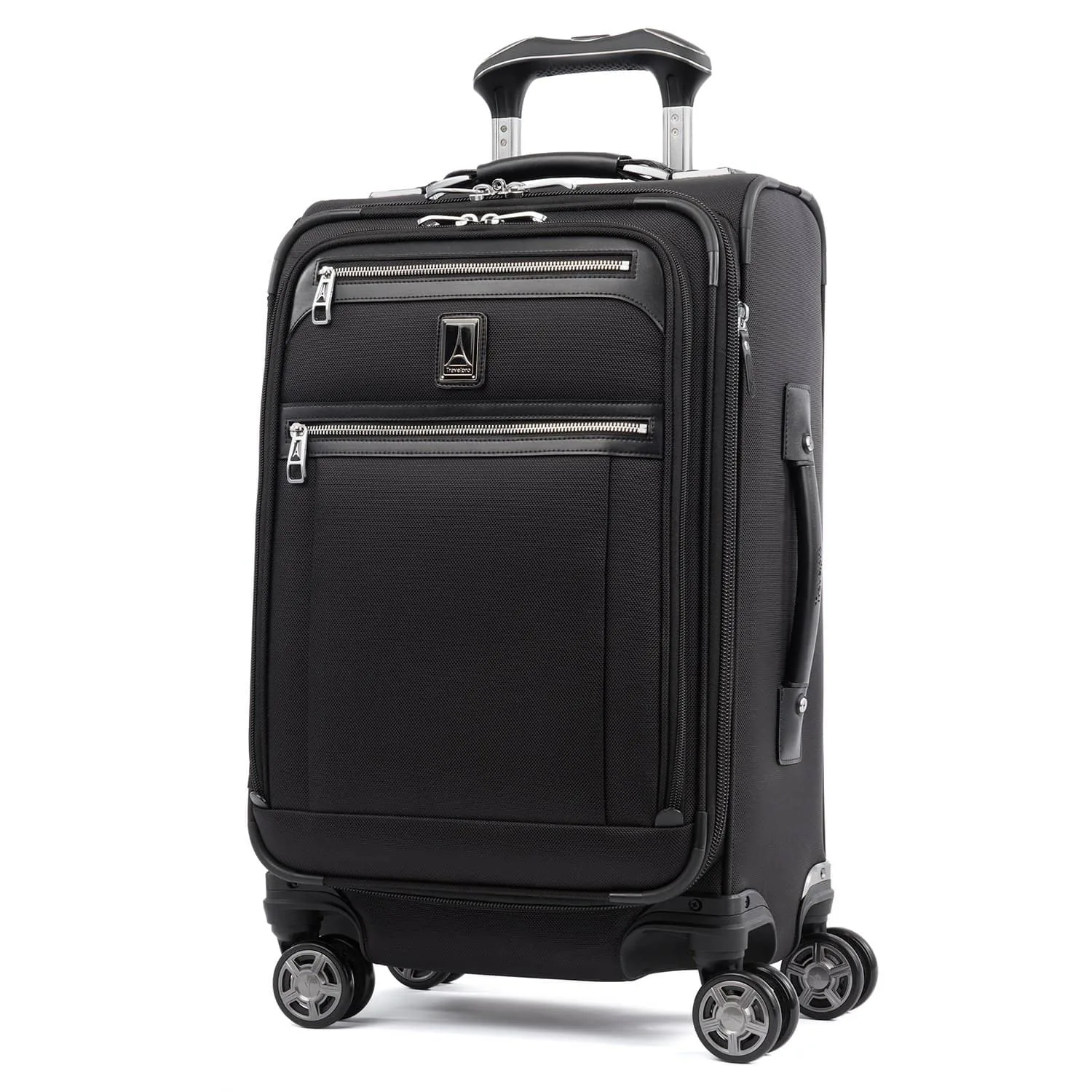
- Platinum® Elite Carry-On Spinner: Includes a removable quart-size wet pocket that is TSA compliant and perfect for toiletries. Shows how TSA compliance shows up beyond locks, in the liquids you pack in your carry-on.
A TSA lock is a small, cheap layer that keeps your checked bag closed and relockable after inspection. Choose one with the red diamond, set a code you can remember, and keep the things you cannot replace in your carry-on.