Quick answer
Tube headphone amplifiers like the Woo Audio WA7 Fireflies 3rd Gen add harmonic warmth and a spacious soundstage, while solid state amps such as the Ferrum Oor deliver precise, low-distortion power. Your choice depends on whether you prefer a euphonic character or clinical accuracy.
Sonic character and distortion profile
Tube amplifiers introduce even-order harmonic distortion that many listeners perceive as warmth, depth, and a more three-dimensional soundstage. This can make digital recordings sound fuller and more engaging. Solid state amplifiers aim for vanishingly low distortion and a neutral, transparent sound that reveals every detail in the recording without adding coloration.
The trade-off is that tubes can soften transients and may not reproduce the sharpest attack of percussion or electronic music as faithfully as a solid state design. If you value a relaxed, immersive listening experience, tubes are appealing. If you need analytical precision for critical listening or mixing, solid state is the safer bet.
Power delivery and headphone matching
Solid state amplifiers typically offer higher current output and lower output impedance, making them more consistent across a wide range of headphone impedances. Planar magnetic headphones and low-impedance dynamic drivers often benefit from the current reserves of a solid state amp. Tube amplifiers, especially OTL (output transformerless) designs, pair best with high-impedance headphones that match their output stage.
The Woo Audio WA7 Fireflies 3rd Gen includes a built-in DAC and a tube output stage that works well with many dynamic headphones. The Ferrum Oor, a solid state design, is described as driving any headphones effortlessly to their maximum potential with ultra low distortion. If you own multiple headphone types, a solid state amp offers more flexibility without needing to match impedance.
Tube vs solid state: trade-offs at a glance
- Warmth vs transparency: Tube amps add even-order harmonics that many find euphonic. Solid state amps aim for a neutral, uncolored sound.
- Power consistency: Solid state amps deliver stable current across all impedances. Tube amps often sound best with high-impedance headphones.
- Convenience vs modularity: The Woo Audio WA7 includes a built-in DAC in a single unit. The Ferrum Oor is a pure amplifier that pairs with separate DACs and power supplies. If you want an all-in-one desktop setup, the WA7 simplifies cabling. If you plan to upgrade components later, the Oor offers more flexibility.
Product highlights
-
Woo Audio WA7 Fireflies 3rd Gen Headphone Tube Amplifier: From the Woo Audio Team: Nearly a decade ago, we set out to create an attractive, high-performance vacuum tube amplifier that will delight the eyes and ears of music lovers. The original WA7 fireflies headphone amplifier/DAC was born. We are proud to introduce to you the improved 3rd generation of our award-winning WA7 fireflies. This 3rd-gen tube amp combines a DAC and amplifier in one elegant chassis, making it a convenient all-in-one solution for desktop listening with a warm, spacious sound.
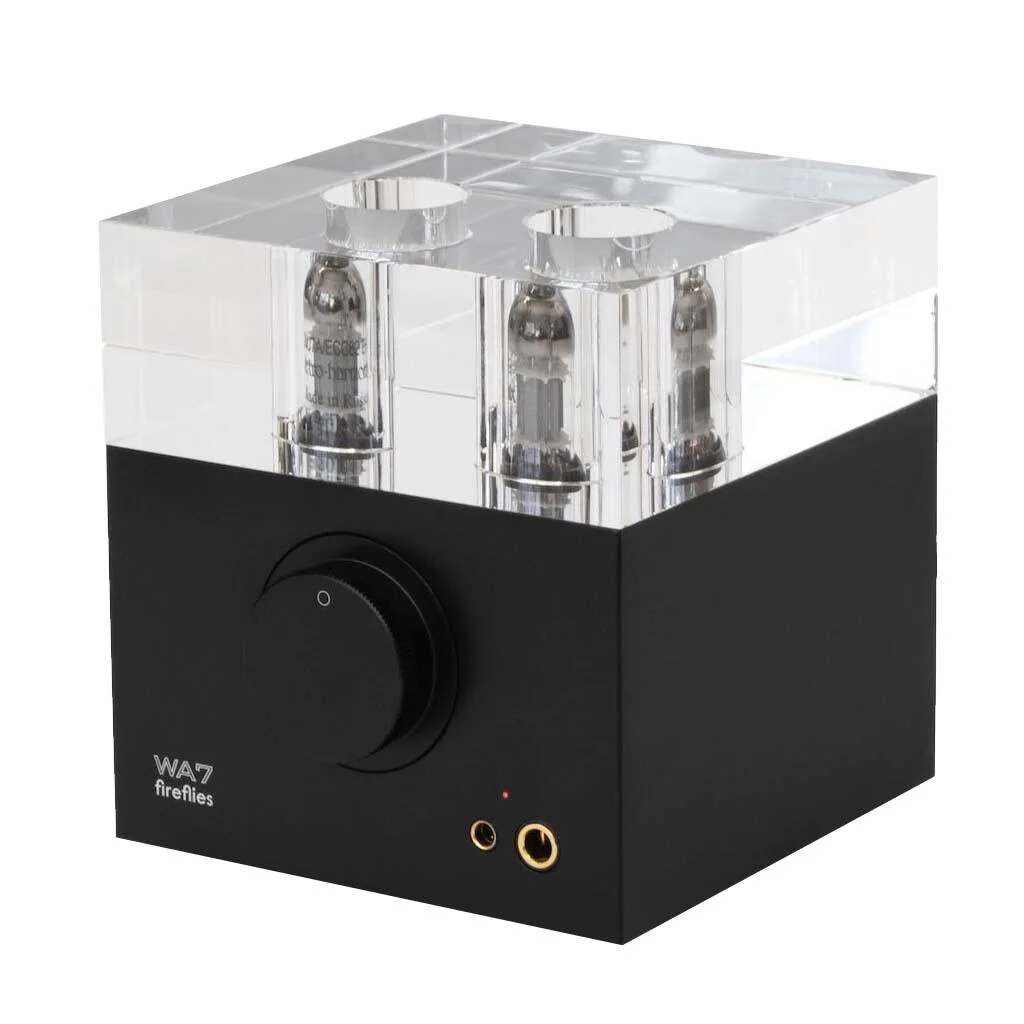
Woo Audio WA7 Fireflies 3rd Gen Headphone Tube Amplifier
-
Ferrum Oor Desktop Headphone Amplifier: OOR will redefine the category of headphone amplifiers. OOR will drive any headphones effortlessly to the max of their potential, while preserving the essence of the music it amplifies. Ultra low distortion, zero fatigue, huge dynamics and unrivaled detail result in ultimate enjoyment. The Ferrum Oor is a high-current solid state amplifier that can handle virtually any headphone, delivering clean, detailed power without adding coloration—ideal for critical listening and high-impedance or planar headphones.
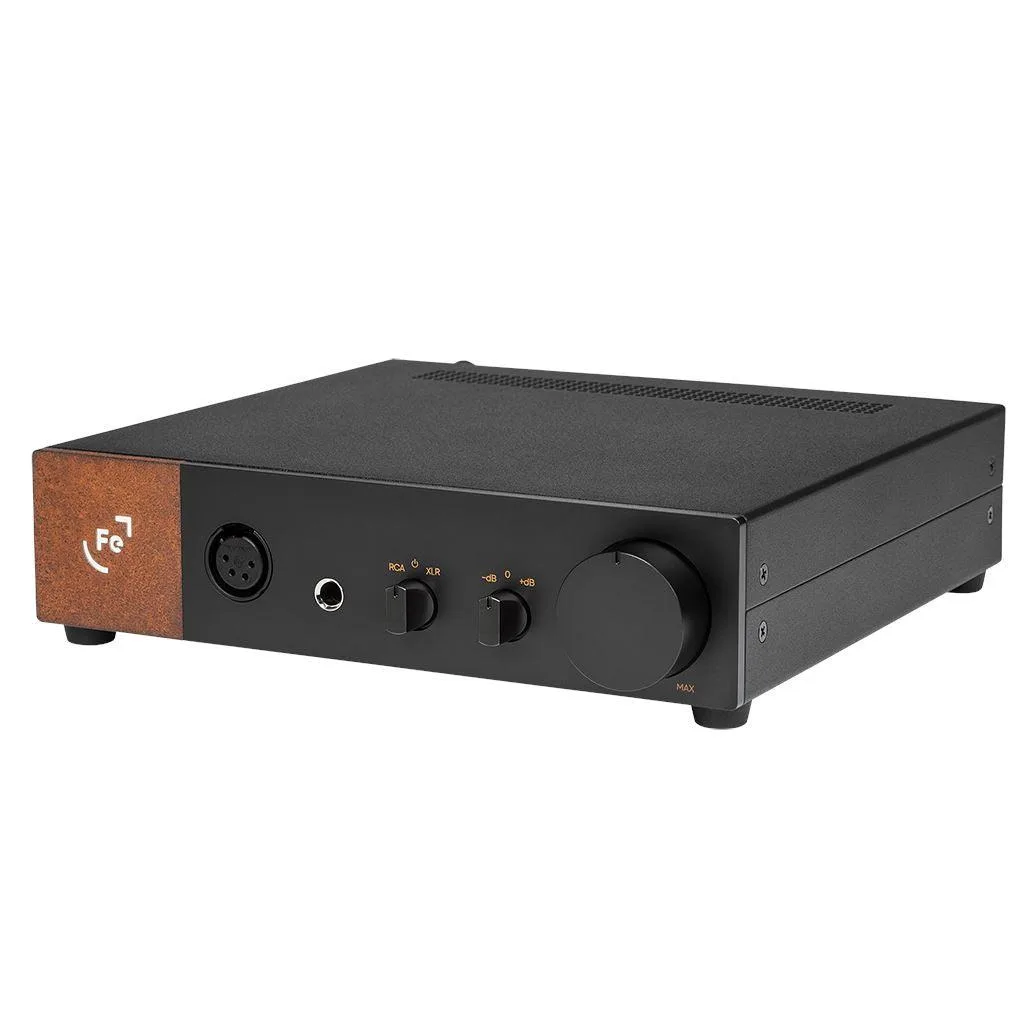
Ferrum Oor Desktop Headphone Amplifier
Which amp fits you?
Best for
- Listeners who value a warm, spacious sound and enjoy tube rolling
- Owners of high-impedance dynamic headphones who want a compact all-in-one DAC/amp
Not ideal for
- Those who need maximum detail retrieval and transient speed for analytical listening
- Users with low-impedance or planar magnetic headphones who require consistent current delivery