Quick Answer
Treat stylus care and record cleaning as two separate jobs. Keep the stylus free of dust, keep records clean before play, and replace the stylus when wear is audible. Most vinyl-cleaning myths fall apart once you separate what touches the groove from what touches the record.
Why Stylus Care and Record Cleaning Get Confused
Both jobs are about removing debris from the path of the groove, but they work on different surfaces. The stylus tip and cantilever are precision parts; the record surface is a wider, more forgiving area. A cleaning routine that helps a record can damage a stylus if you use the same tools or the same motion for both.
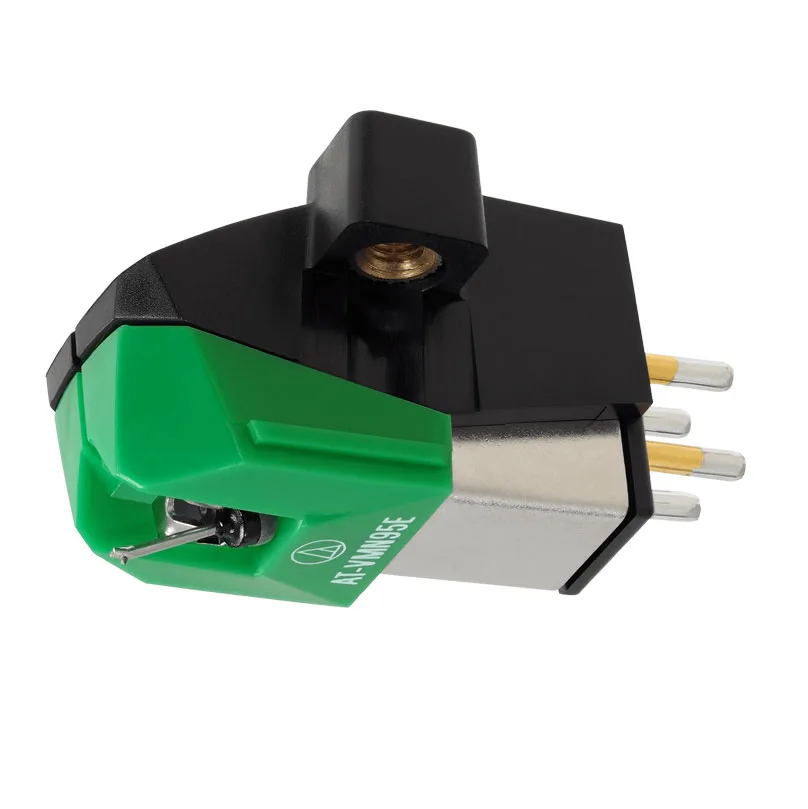
The Audio-Technica AT-VM95E is a useful reference point because its 0.3 x 0.7 mil elliptical stylus and aluminum cantilever are built to track grooves accurately. That precision is exactly why careless handling shows up quickly as distortion or noise.
Myth: You Should Clean the Stylus With the Same Brush as the Record
Verdict: false. A record brush is designed for a flat, wide surface; a stylus brush is designed for a tiny, delicate tip. Using one tool for both can push dust onto the stylus or bend the cantilever.
Keep a dedicated stylus brush and use gentle back-to-front strokes. Clean the record separately with its own brush or cleaning method before play.
Myth: More Cleaning Fluid Always Means a Deeper Clean
Verdict: false. Excess fluid can leave residue in the groove, and residue attracts more dust. The goal is to lift debris, not soak the record.
Use the minimum amount your cleaning method requires, and let the record dry fully before playing. If you hear a sticky or muffled change after cleaning, residue is a likely cause.
Myth: You Can Hear Stylus Wear Coming, So You Can Wait
Verdict: risky. Wear often appears as increased distortion or sibilance before it becomes obvious. By the time it is clearly audible, the stylus may already be damaging records.
Replace the stylus when you notice consistent distortion, channel imbalance, or a sudden loss of detail that cleaning does not fix. The AT-VM95E uses a replaceable stylus, so you can refresh the tip without replacing the whole cartridge body.
Myth: Any Elliptical Stylus Needs the Same Care Routine
Verdict: false. Elliptical stylus maintenance depends on the tip profile and how the cartridge is mounted. The AT-VM95E's 0.3 x 0.7 mil elliptical tip and threaded body design make mounting simple with two screws, but alignment still affects wear.
Check alignment after any change to the cartridge or headshell. A misaligned stylus wears faster and can make clean records sound dirty.
Myth: Vinyl Cleaning Is Only About Looks
Verdict: false. Cleaning is about removing debris that the stylus would otherwise push through the groove. Visible dust is only part of the problem.
A clean record reduces the chance that grit is pressed into the groove by the stylus. That protects both the record and the stylus over time.
How to Build a Simple Care Routine That Avoids Both Mistakes
Clean the record before each play, then clean the stylus after. Keep the two tools separate. Store records upright and away from heat. When you change the stylus or cartridge, recheck alignment before playing anything valuable.
If you are upgrading from a basic cartridge, the AT-VM95E's low-resonance polymer housing and specially wound coils are designed to keep vibrations down and output strong. That makes it a practical reference for learning what proper care sounds like.
Care Mistakes: Verdicts
- Using one brush for stylus and record: A record brush is too coarse for a stylus tip and can push debris onto the cantilever. Verdict: false. Keep two separate brushes.
- Soaking records in cleaning fluid: Excess fluid leaves residue that attracts dust and can dull playback. Verdict: false. Use the minimum fluid and dry fully.
- Waiting until stylus wear is obvious: Wear often shows up as distortion or sibilance before it is clearly audible. Verdict: risky. Replace when cleaning no longer fixes the sound.
- Skipping alignment after a cartridge change: Misalignment accelerates wear and makes clean records sound dirty. Verdict: false. Recheck alignment after every change.
Product Facts That Support Better Care
- Audio-Technica AT-VM95E Cartridge | Elliptical Stylus: The Audio-Technica AT-VM95E uses a 0.3 x 0.7 mil elliptical stylus and aluminum cantilever to track grooves accurately. A precise tip profile rewards clean records and careful handling, and it makes stylus wear easier to hear.
- Audio-Technica AT-VM95E Cartridge | Elliptical Stylus: Its threaded body design makes mounting simple with just two screws. Simpler mounting means fewer alignment mistakes, which reduces uneven stylus wear.
- Ryo Fukui – Scenery Vinyl: Ryo Fukui's Scenery is a 1976 jazz masterpiece on vinyl, blending bebop, modal, and swing influences. A dynamic jazz pressing makes groove noise and stylus wear easier to notice, so it is a useful record for checking your care routine.
- Lisa Alter Ego LP Vinyl: Lisa's Alter Ego LP is a collector's edition with five personas and hit singles including Rockstar and New Woman. A modern pop pressing with dense mixes can reveal stylus misalignment or residue that a quieter record might hide.