Quick answer
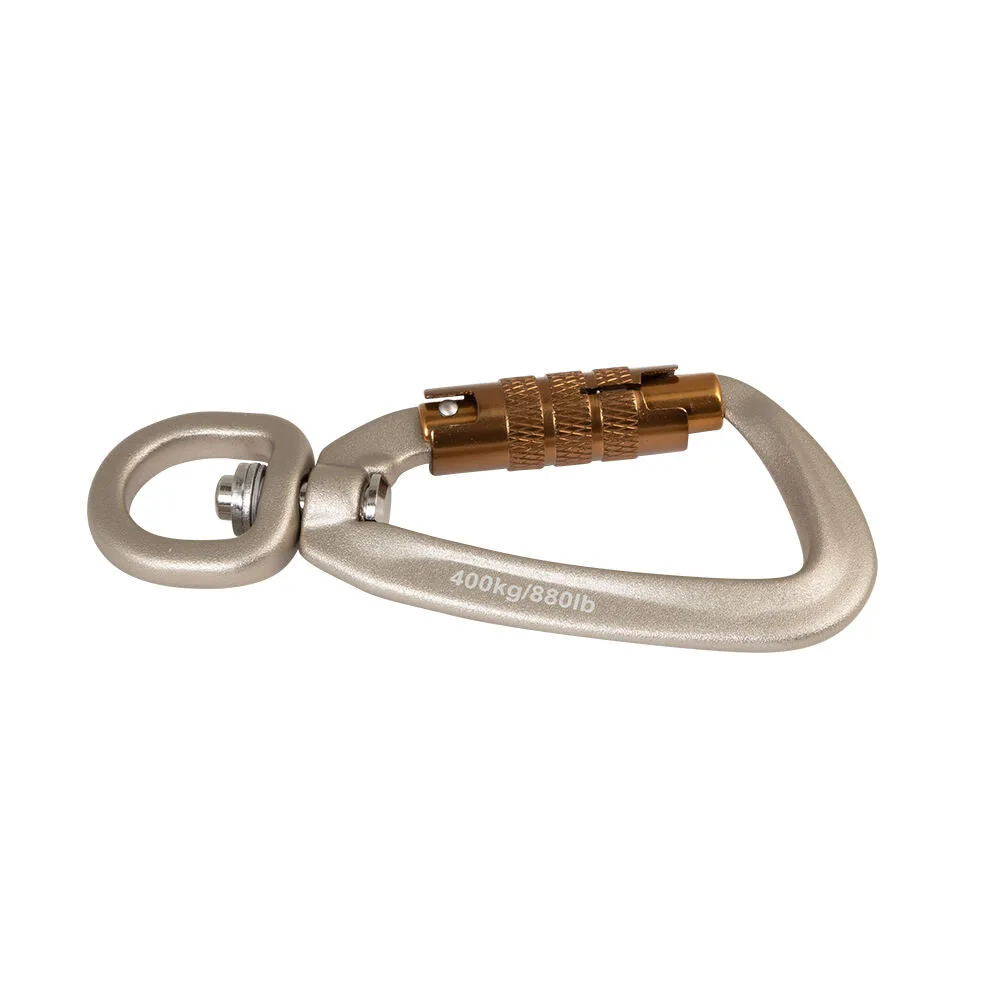
Rinse the carabiner in fresh water after muddy or salty walks, dry it fully, then work the twist gate open and closed a few times to check that it springs back and seats cleanly. Do this roughly once a month, and after every swim or beach day, and a 100% aluminium carabiner will keep locking the way it should.
Why grit is the real enemy of a twist gate
A twist lock gate only works because the sleeve rotates and then seats into a locked position. Sand, dried mud, and road salt work their way into that rotating collar and turn a smooth twist into a gritty grind. Nothing has failed yet, but the gate is no longer seating the way it should, and that is the point where people stop trusting the clip.
Aluminium is light, which is exactly why it suits dog gear, but it is also softer than steel and its surface can be marked by abrasive grit. Rinsing before the grit gets worked into the mechanism is far easier than cleaning a gate that has already been ground down. Fresh water is the whole tool kit here; you do not need solvents or lubricants.
What a healthy twist lock should feel like
Before you clean anything, get a baseline. A twist lock carabiner should rotate with light, even resistance, then stop positively when it locks. There should be no crunching, no spot where it catches, and no rattle when you shake it. If the gate rotates freely past the lock point, or refuses to rotate at all, stop using it on a leash until you have looked closer.
Check the body too. Deep gouges, a bent gate, or a hairline crack at the gate pivot are all reasons to retire the carabiner rather than clean it. Surface scuffs from normal use are cosmetic and not a safety concern.
Where a carabiner actually belongs on dog gear
A twist lock carabiner is a connector, not a load-bearing climbing component, and it should be treated that way in dog gear. It is well suited to clipping a leash to a belt, hanging a treat pouch, or attaching a small accessory. It is not the right choice for a dog that lunges hard against a collar or harness, and it is not a substitute for a rated climbing carabiner.
If your dog pulls, the connection point on the harness or collar should carry that load, not a small accessory clip. Keep the carabiner for the jobs it was designed for and it will last a long time.
Five-step twist lock carabiner care routine
- 1. Rinse with fresh water after every wet or dirty walk: Hold the carabiner under lukewarm running water and rotate the gate slowly so water moves through the collar. Do this after beach swims, muddy trails, and any walk on salted winter roads. Checkpoint: if water runs out gritty or brown, repeat until it runs clear.
- 2. Work the gate while it is still wet: Open and close the twist gate ten to fifteen times under the water. This flushes loosened grit out of the rotating sleeve instead of letting it settle back in. Common mistake: forcing a stiff gate. If it will not turn, soak it in fresh water for a few minutes first.
- 3. Dry it completely, inside and out: Shake out the excess water, wipe the body with a soft cloth, and let it air dry with the gate open. Pay attention to the gap between the sleeve and the body, where moisture lingers. Checkpoint: no visible droplets and no damp feel in the gate channel before it goes back on the belt or leash.
- 4. Inspect the gate, body, and pivot: Look for a bent gate, deep gouges, cracks near the pivot, or a gate that rotates past its lock point. Test the lock by twisting it closed and tugging gently. If the gate does not lock positively, retire the carabiner. A clip that might open on its own is not worth the risk.
- 5. Store it dry and unclipped: Hang the carabiner or leave it loose in a dry gear bin with the gate closed but not under tension. Do not store it clipped to a wet leash or a damp coat. Next step: keep a spare carabiner on hand so a worn one can be swapped out the same day.
Product facts
- Twist Lock Carabiner: The Twist Lock Carabiner is crafted from 100% aluminium and is made to fit the Hurtta Expedition Belt ECO belt. A light metal body is easy to rinse and dry, and the belt fit means you can replace just the clip instead of the whole belt when a gate finally wears out.
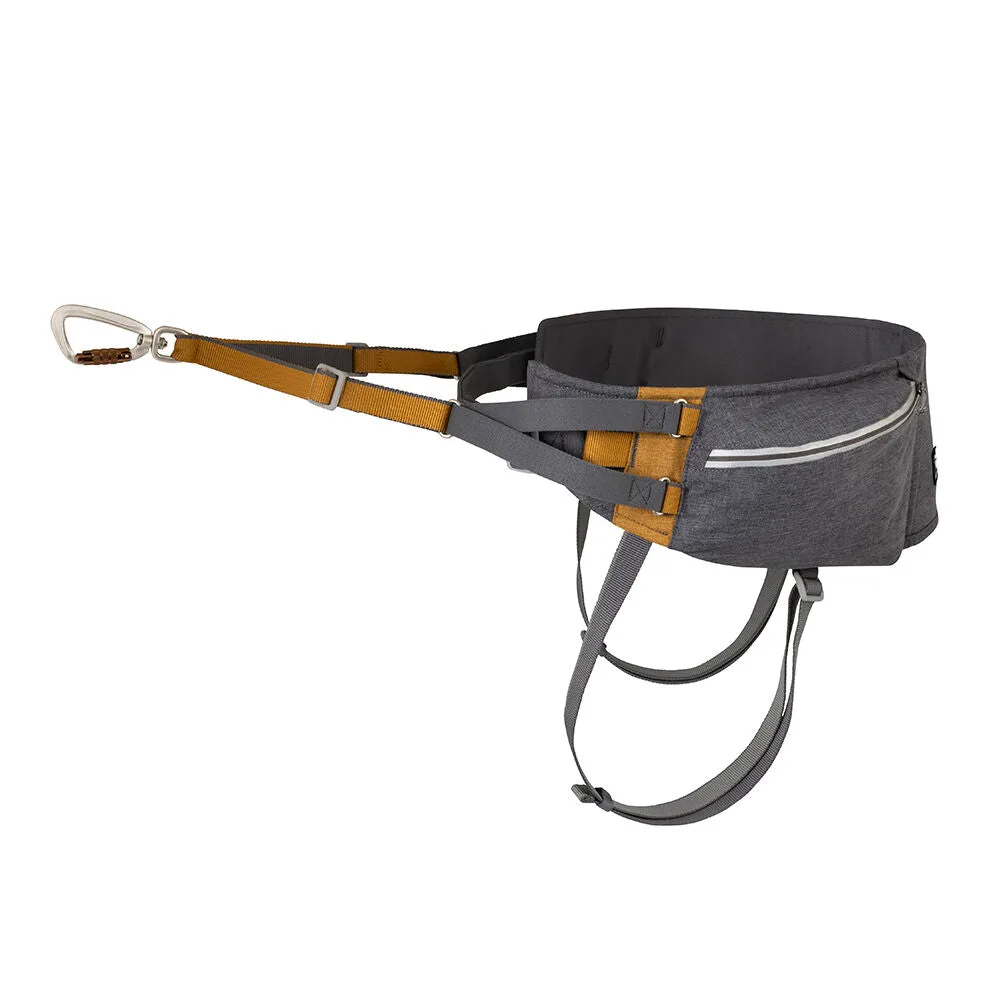
Expedition Belt
- Twist Lock Carabiner: You can also stitch it into your favourite leash, or enlist the help of your local seamstress if you are not the crafty type. That makes the carabiner a repair part as well as a clip, so caring for it protects a leash you already like rather than forcing a replacement.
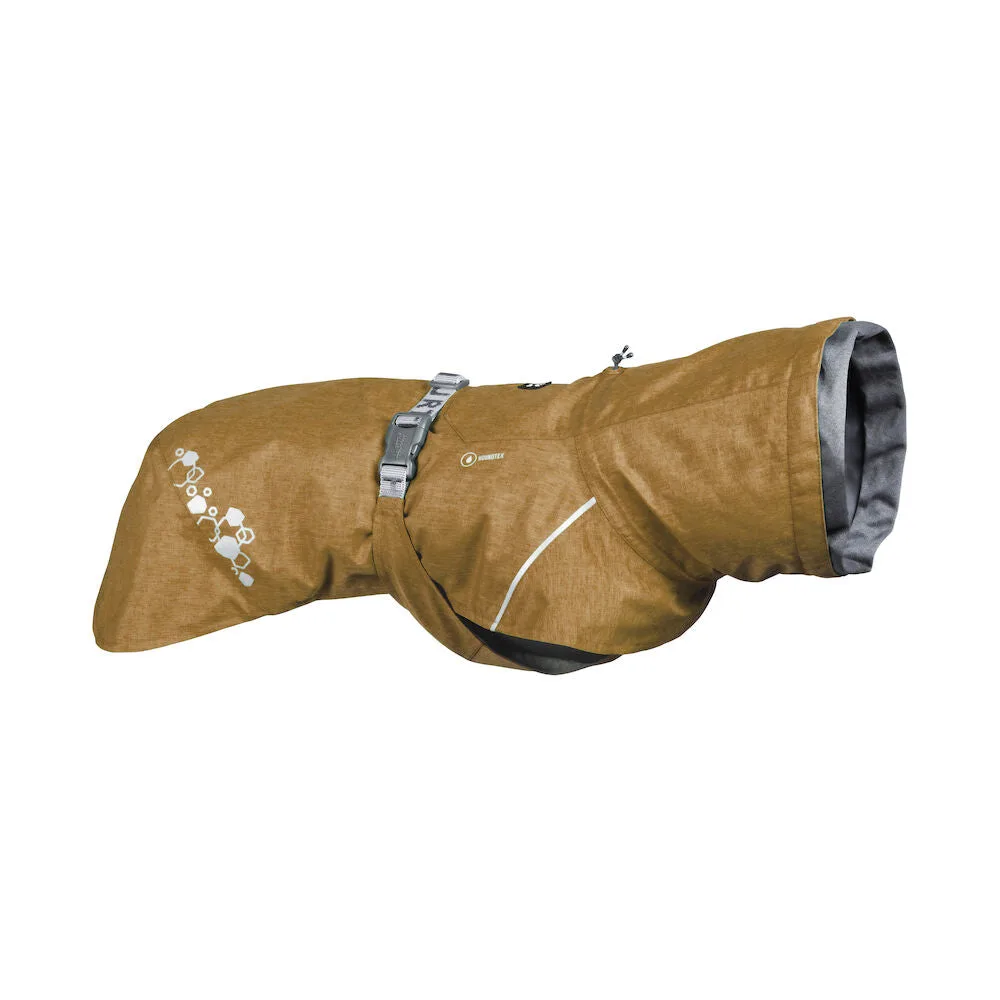
- Monsoon Coat II ECO: The Monsoon Coat II ECO is designed to keep rain and mud in its place and stays in place without hindering your dog's natural movement. Less mud reaching the leash and belt means less grit reaching the carabiner, so the coat and the clip care routine work together.