Protein bars have become a staple in many women's daily routines, whether as a quick breakfast, a post-workout snack, or a convenient way to curb hunger between meals. But with hundreds of options lining the shelves, how do you pick the right one? Not all protein bars are created equal—some are packed with sugar and artificial ingredients, while others deliver clean, balanced nutrition. This buying guide will walk you through everything you need to know to choose the best protein bars for women, from reading nutrition labels to matching a bar to your specific goals.
As a nutritionist-formulated brand, we understand the importance of quality ingredients and transparent labeling. In this guide, we'll break down the key factors to consider, highlight common pitfalls, and offer practical tips to help you make an informed choice. Whether you're looking to build muscle, manage weight, or simply enjoy a tasty snack, there's a perfect protein bar out there for you.
Why Protein Bars Are a Smart Choice for Women
Protein is an essential macronutrient that supports muscle repair, satiety, and overall health. For women, getting enough protein can be especially important during different life stages, such as pregnancy, perimenopause, or intense training. Protein bars offer a convenient way to boost your intake without cooking a full meal. They are portable, shelf-stable, and come in a variety of flavors to suit any palate.
However, not all protein bars are equal. Some are essentially candy bars with added protein, while others are carefully formulated to provide a balanced ratio of protein, carbohydrates, and fats. By learning to read labels and understand what your body needs, you can select a bar that truly supports your wellness journey.
- Protein bars can help with weight management by promoting satiety and reducing cravings.
- They are ideal for busy women who need a quick, nutritious snack on the go.
- Choosing a bar with high-quality protein sources (like whey, collagen, or plant proteins) maximizes benefits.
Key Factors to Consider When Choosing a Protein Bar
When evaluating protein bars, start with the protein content. A good bar should provide at least 10-20 grams of protein per serving, depending on your goals. Look for the source: whey protein is quickly absorbed and great post-workout, while plant-based proteins like pea or brown rice are excellent for vegans. Collagen protein is another option that supports skin, hair, and joint health, making it a popular choice for women.
Next, examine the sugar content. Many bars contain added sugars that can spike your blood sugar and lead to energy crashes. Aim for bars with less than 10 grams of sugar, and check the ingredient list for hidden sweeteners like corn syrup or maltitol. Fiber is also important—a bar with 3-5 grams of fiber will keep you full longer and support digestive health.
Finally, consider the calorie count and how the bar fits into your daily intake. If you're using it as a meal replacement, you may want a bar with more calories (200-300). For a snack, a lighter bar (150-200 calories) may be sufficient. Always check the serving size—some bars come in large sizes that contain two servings.
- Check the protein-to-sugar ratio: aim for at least 1 gram of protein for every 3 grams of sugar.
- Look for recognizable ingredients like nuts, seeds, and natural sweeteners (e.g., dates, stevia).
- Be wary of sugar alcohols like sorbitol or xylitol, which can cause digestive discomfort in some people.
Understanding Protein Bar Nutrition Facts
Reading a nutrition label can feel overwhelming, but it's essential for making smart choices. Start with the serving size—this tells you how much of the bar counts as one serving. Then, look at the total protein, carbohydrates, and fats. For a balanced bar, aim for a ratio of roughly 30% protein, 40% carbohydrates, and 30% fat, though this can vary based on your needs.
Pay special attention to the fiber and sugar content. Fiber slows digestion and helps you feel full, while excessive sugar can negate the benefits of protein. Also, check the ingredient list for artificial additives, preservatives, and sweeteners. A shorter ingredient list usually indicates a more whole-food-based product.
If you have dietary restrictions, look for certifications like gluten-free, vegan, or non-GMO. Many brands now offer allergen-friendly options that are free from soy, dairy, or nuts. Always consult with a healthcare professional if you have specific medical concerns.
- Compare protein bars side-by-side using the nutrition facts panel, not the front of the package.
- Choose bars with at least 5 grams of fiber for better satiety.
- Avoid bars with hydrogenated oils or trans fats.
Matching Protein Bars to Your Goals
Your fitness and wellness goals should dictate which protein bar you choose. If you're looking to build lean muscle, opt for a bar with 20+ grams of protein and a good amount of branched-chain amino acids (BCAAs). Whey protein bars are excellent for post-workout recovery because they are rapidly absorbed. For women who prefer plant-based options, look for bars with pea or brown rice protein.
If your goal is weight management, choose a bar that is lower in calories but high in fiber and protein to keep you full. Bars with added greens or superfoods can provide extra nutrients. For overall wellness, consider bars that include collagen, which supports skin elasticity and joint health. A product like CreaGlow: Collagen + Creatine Powder can be a great addition to your routine, but for on-the-go convenience, a collagen-based protein bar is a smart pick.
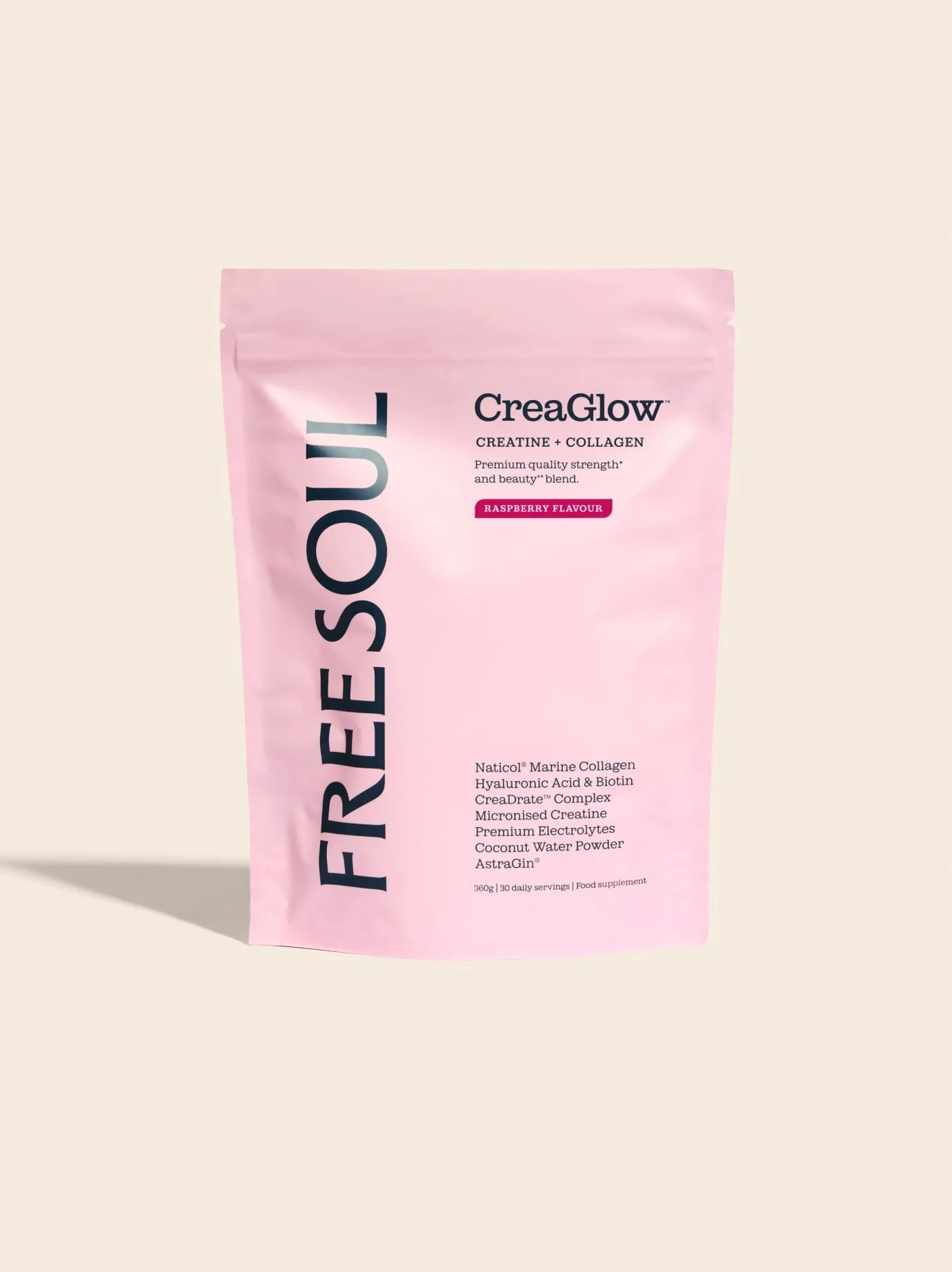
CreaGlow: Collagen + Creatine Powder
Finally, for those who experience cravings or need a sweet treat without the guilt, look for bars that use natural sweeteners like dates or stevia. These can satisfy your sweet tooth while keeping your sugar intake in check.
- For muscle building: choose bars with whey or casein protein and 20+ grams of protein.
- For weight loss: pick bars under 200 calories with high fiber (5g+) and low sugar (less than 5g).
- For skin and joint health: look for collagen protein bars or add a collagen supplement like CreaGlow to your diet.
Common Mistakes to Avoid When Buying Protein Bars
One of the biggest mistakes is assuming all protein bars are healthy. Many are loaded with sugar, artificial flavors, and cheap protein isolates. Always read the label, not just the marketing claims. Another mistake is ignoring the calorie content—some bars have as many calories as a full meal, which can derail your weight loss efforts if you're not careful.
Additionally, don't be fooled by 'protein' in the name; some bars have only 5-6 grams of protein, which is barely more than a regular snack. Also, be cautious of bars that list 'protein blend' without specifying the source—you want to know exactly what you're consuming.
Finally, remember that protein bars are a supplement, not a replacement for whole foods. They should complement a balanced diet rich in fruits, vegetables, lean proteins, and whole grains. Use them strategically, such as after a workout or when you're traveling.
- Avoid bars with sugar listed as the first ingredient.
- Don't choose bars solely based on taste; check the nutrition profile first.
- Be mindful of portion sizes—some bars are meant to be split into two servings.
How to Incorporate Protein Bars into Your Daily Routine
Protein bars are incredibly versatile. They can be eaten as a quick breakfast on busy mornings, a pre-workout snack to fuel your session, or a post-workout recovery treat. They also make great mid-afternoon snacks to prevent energy slumps. Pairing a protein bar with a piece of fruit or a handful of nuts can create a more balanced snack.
If you're using protein bars for weight loss, be mindful of your total daily calorie intake. Use them as a meal replacement only if they are nutritionally complete, with adequate protein, fiber, and healthy fats. For general wellness, a bar with 15-20 grams of protein is a good benchmark.
To keep things interesting, try different flavors and textures—some bars are chewy, others are crunchy. You can even crumble a protein bar over yogurt or blend it into a smoothie for an extra protein boost. The possibilities are endless!
- Keep a protein bar in your bag for emergency hunger pangs.
- Use them as a convenient option when traveling or hiking.
- Combine with a glass of water to enhance satiety.
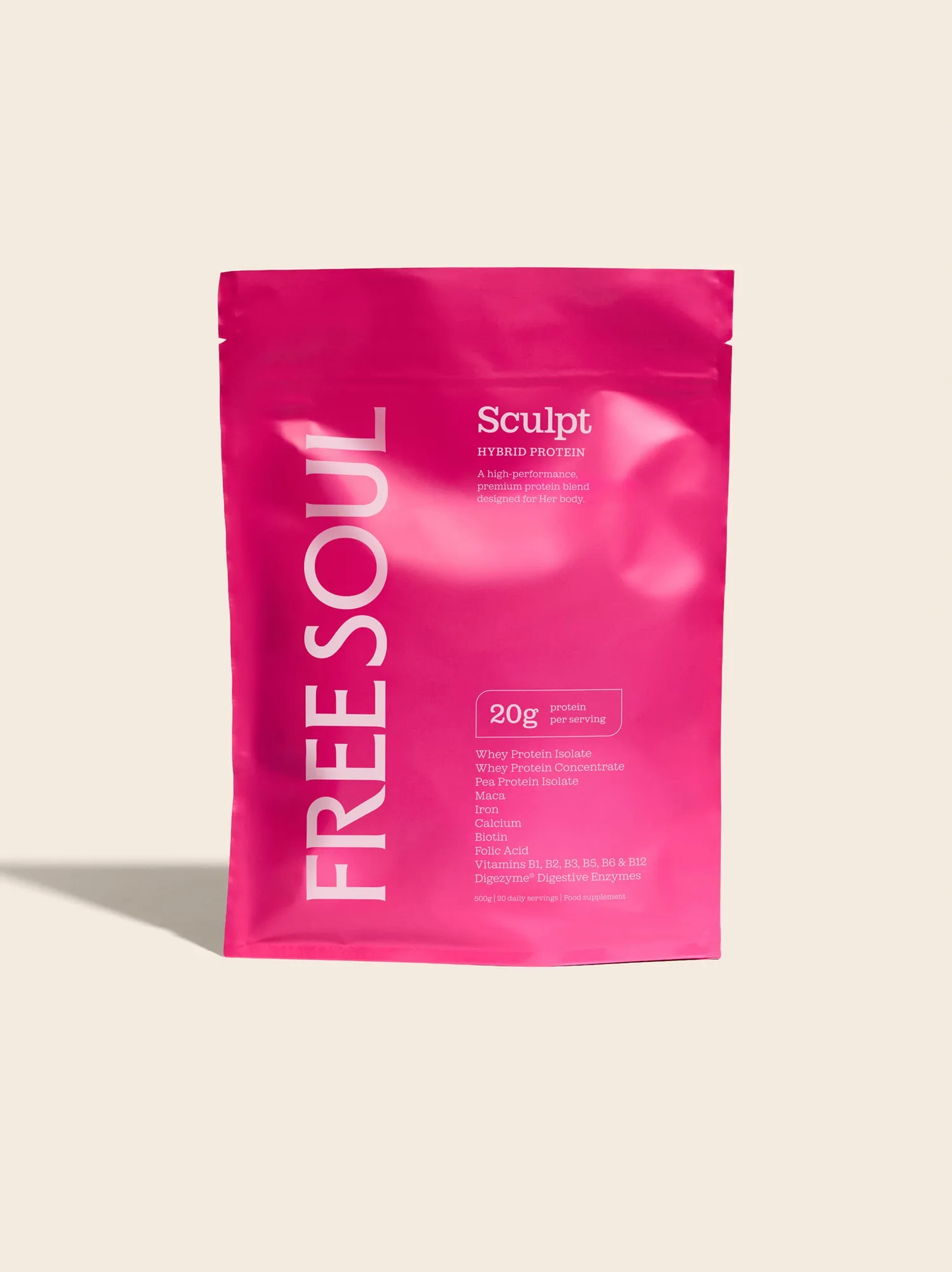
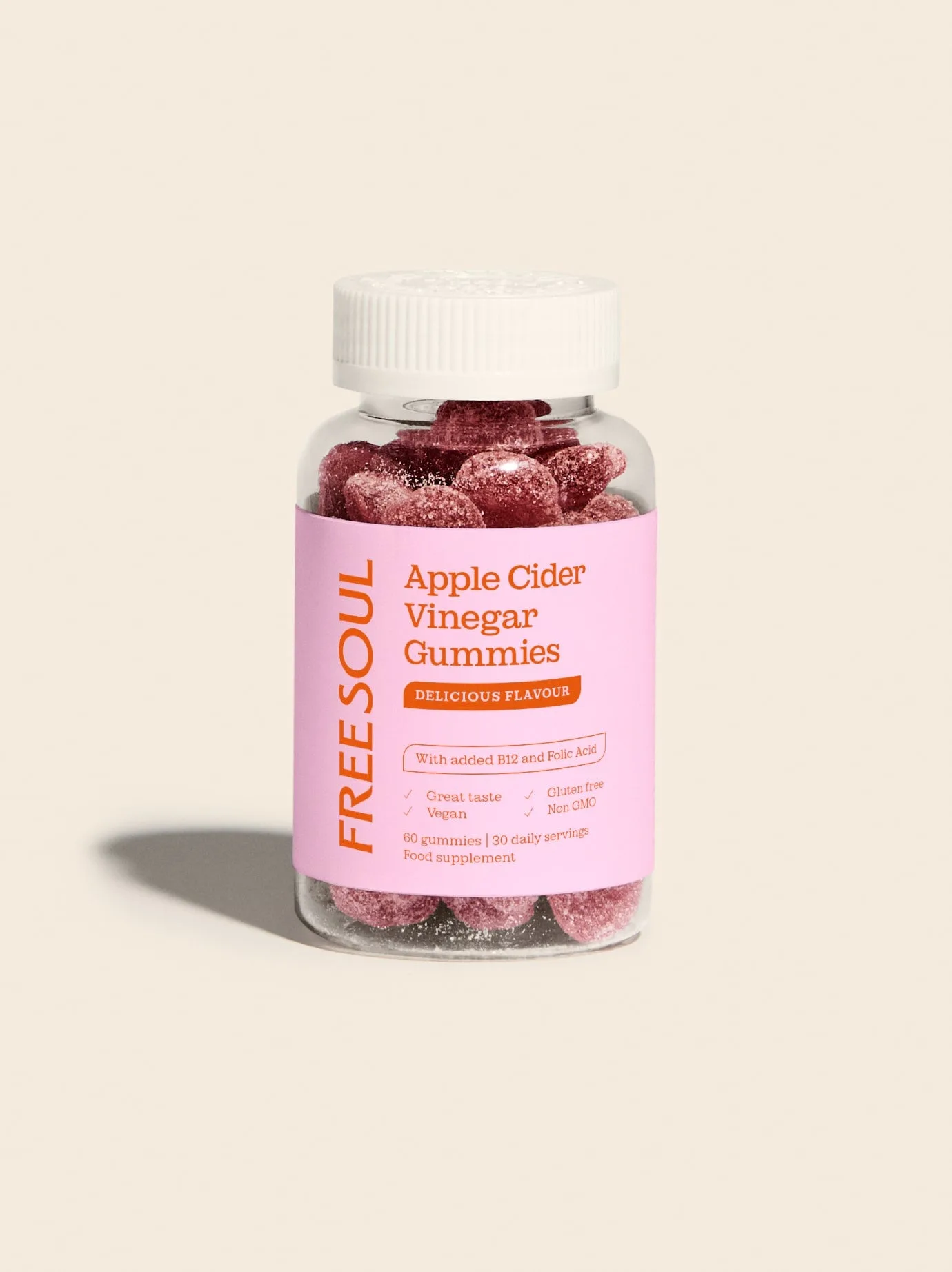
Choosing the right protein bar doesn't have to be complicated. By focusing on protein quality, sugar content, and your specific goals, you can find a bar that supports your health and tastes great. Remember to read labels carefully and avoid common pitfalls. For a convenient and delicious option, consider trying a protein bar from our collection, such as the Free Soul Sculpt Hybrid Protein Powder Blend or the Apple Cider Vinegar Gummies, which can complement your protein intake. Explore our range today and take the guesswork out of healthy snacking!