Keeping your baby's feeding products clean is not just about appearances—it's a crucial part of protecting your little one from germs and potential health risks. From the first bottle to the transition to solid foods, proper cleaning and sanitizing of bowls, utensils, cups, and accessories can make a world of difference. However, with so many products and materials on the market, it's easy to get confused about the right methods. This guide covers the essential do's and don'ts of cleaning baby feeding products, so you can maintain a hygienic feeding environment with confidence.
Whether you're a new parent or a seasoned pro, you'll find practical tips that align with expert recommendations. We'll explore the best practices for different types of products, common mistakes to avoid, and how to incorporate cleaning into your daily routine. By the end, you'll have a clear understanding of how to keep your baby's feeding gear in top condition, ensuring every meal is safe and enjoyable.
Why Proper Cleaning Matters for Baby Feeding Products
Babies have developing immune systems, making them more susceptible to infections. Feeding products that come into contact with food and saliva can harbor bacteria, mold, and other pathogens if not cleaned correctly. For instance, leftover milk or food residue can quickly become a breeding ground for harmful germs. This is why establishing a thorough cleaning routine is essential from day one.
Moreover, certain materials used in baby products, such as silicone and plastic, can degrade or retain odors if cleaned improperly. Using the wrong cleaning agents or methods can also leave behind harmful chemical residues. Therefore, understanding the do's and don'ts is not just about hygiene—it's also about preserving the integrity of the products you've invested in, like the First Foods Set or the 18oz Snack Bowls.
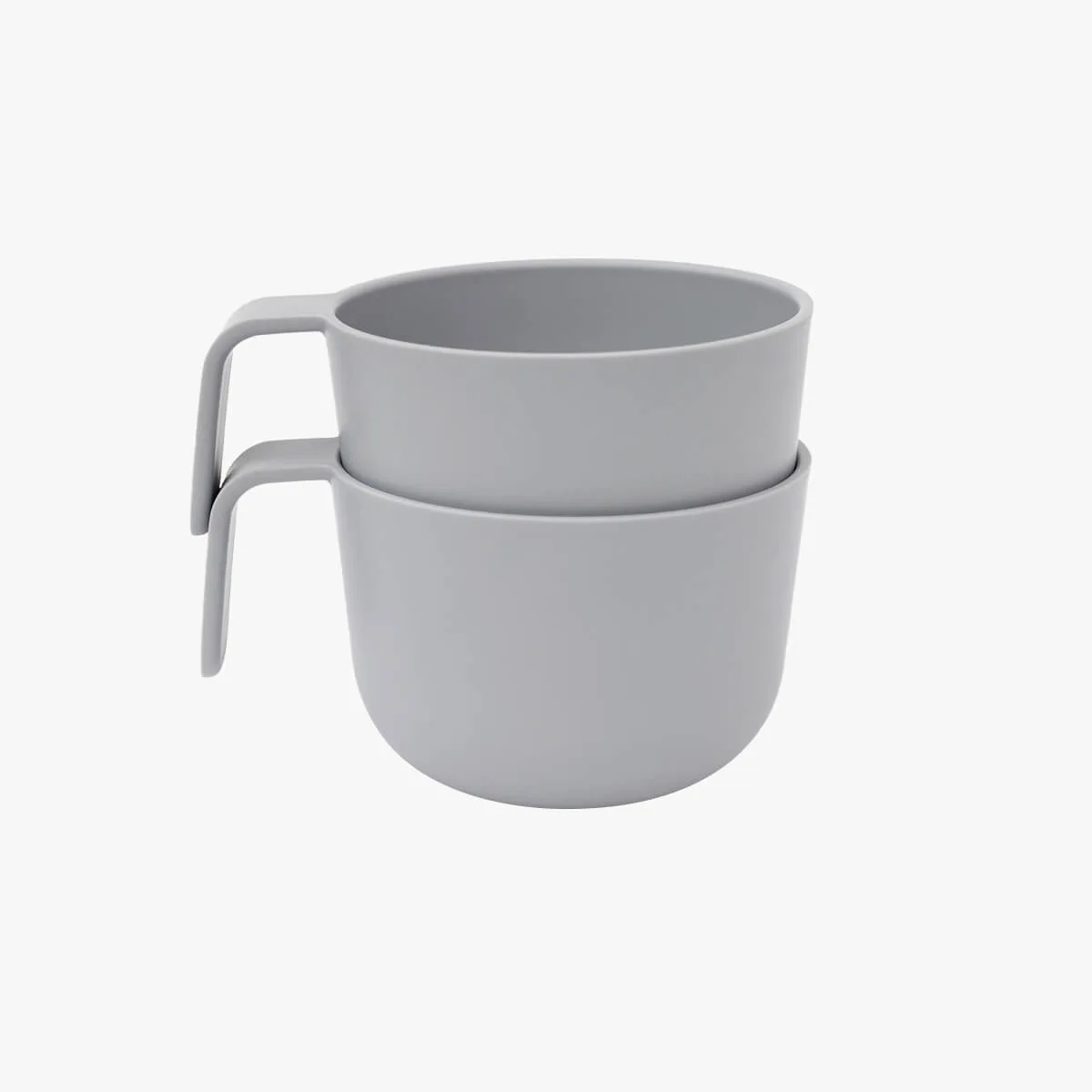
18oz Snack Bowls
- Always clean feeding products immediately after use to prevent residue from drying and becoming harder to remove.
- Check the manufacturer's instructions for specific cleaning recommendations, as some products may be dishwasher-safe while others are not.
The Do's of Cleaning Baby Feeding Products
Start by disassembling all parts of the feeding product, such as lids, valves, and straws. This ensures that every nook and cranny is thoroughly cleaned. For most items, washing in warm, soapy water with a dedicated bottle brush or sponge is effective. Rinse thoroughly to remove all soap residue, as leftover soap can be ingested by your baby.
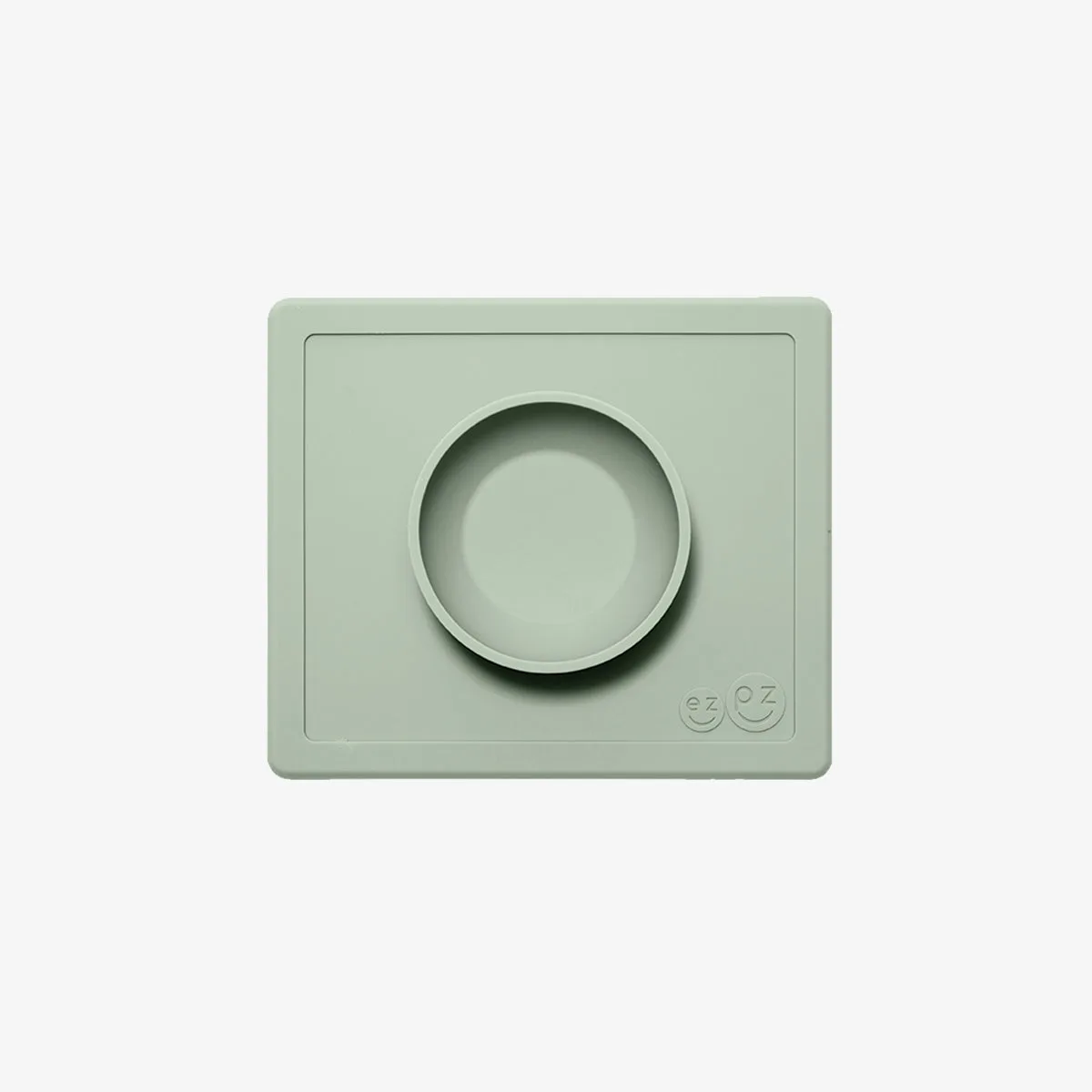
For deeper sanitization, you can use a steam sterilizer, boiling water, or a dishwasher with a sanitizing cycle. However, always verify that the product is safe for high temperatures. Many silicone and food-grade plastic items are dishwasher-safe, but some may require hand washing. When in doubt, refer to the product guidelines. For example, the The Great Bowl Double is designed with easy-to-clean materials, but it's always best to double-check.
- Use a separate sponge or brush exclusively for baby items to avoid cross-contamination with other kitchen tools.
- Air-dry all parts on a clean, dedicated drying rack to prevent moisture buildup, which can lead to mold.
The Don'ts of Cleaning Baby Feeding Products
One of the biggest mistakes is using harsh chemicals or abrasive scrubbers on baby feeding products. Bleach, antibacterial soaps, and scouring pads can leave residues or damage the surface, making it less hygienic over time. Stick to mild dish soap and soft sponges or brushes designed for baby items.
Another common error is neglecting to clean parts that are not in direct contact with food, such as handles and suction bases. These areas can still harbor germs and should be cleaned regularly. Additionally, avoid using the same cloth or sponge for cleaning your baby's items and general kitchen surfaces. Always have a dedicated cleaning set for baby gear.
- Avoid using microwave sterilizers unless explicitly stated safe, as some materials may warp or release harmful chemicals.
- Don't soak silicone or plastic items for extended periods, as this can cause them to become brittle or discolored.
Cleaning Specific Products: Bowls, Utensils, and Cups
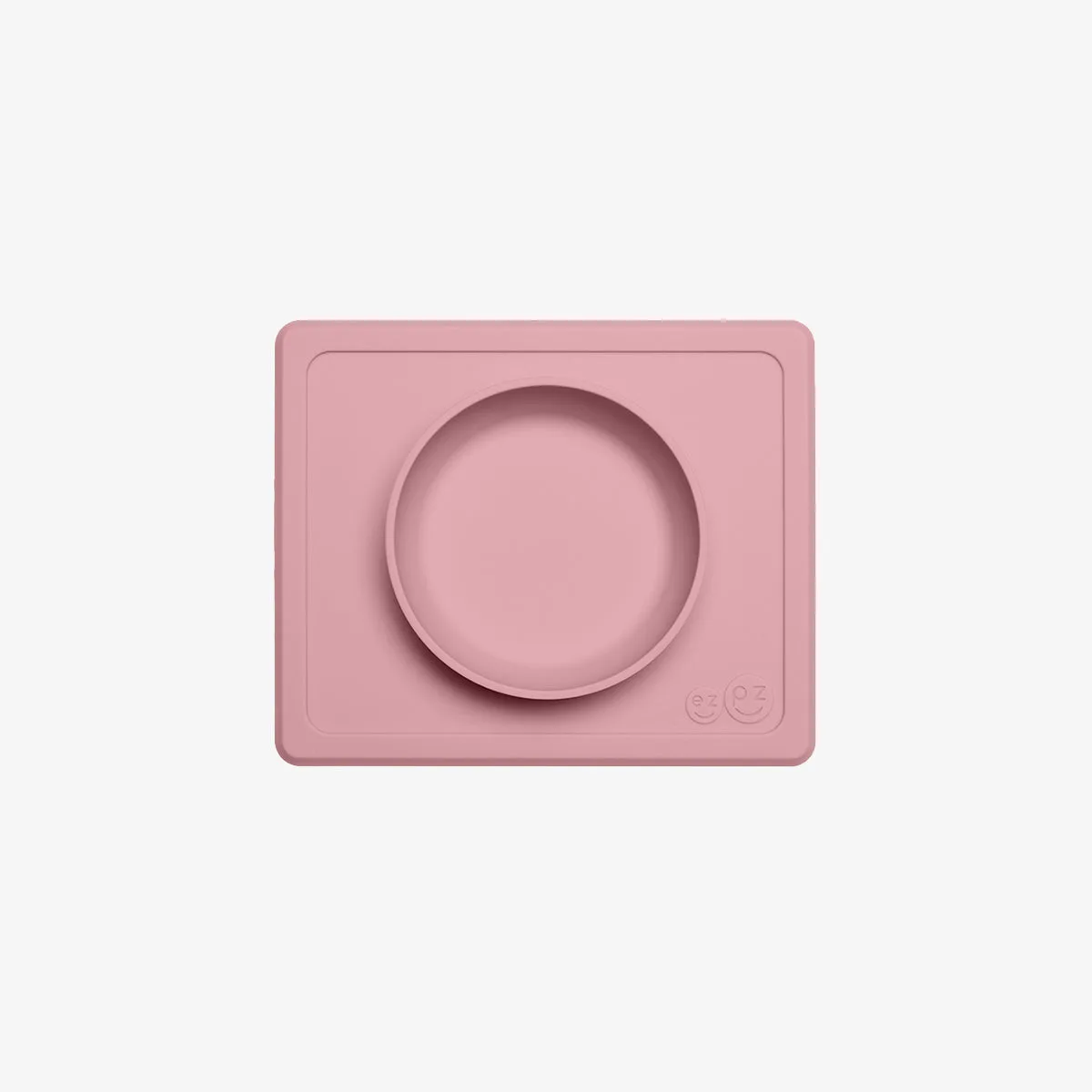
Bowls and plates, especially those with suction bases, require special attention. The suction base can trap food particles, so it's essential to lift the edges and clean underneath. Many suction bowls are top-rack dishwasher safe, but hand washing with warm soapy water is often gentler and ensures longevity. For utensils, pay close attention to the handles and any textured grips where food can accumulate.
Cups with straws and valves need extra care because these parts are prone to mold. Use a small brush specifically designed for straws to clean the interior thoroughly. The Straw Replacements (5-Pack) are a great reminder that straws should be replaced regularly, as even with diligent cleaning, they can wear out and harbor bacteria over time.
- For cups with straws, disassemble and clean each part separately, then allow to dry completely before reassembling.
- Inspect feeding products regularly for signs of wear, such as cracks or discoloration, and replace them if necessary.
Tips for Sanitizing and Drying Baby Feeding Gear
Sanitizing is especially important for babies under six months or those with weakened immune systems. Boiling is a simple and effective method, but ensure the product is heat-safe. Alternatively, using a steam sterilizer is convenient and gentle on materials. After sanitizing, let the items air-dry on a clean surface or drying rack.
Drying is just as crucial as washing. Moisture can lead to mold and mildew, especially in hidden areas like straws and valves. Always allow all parts to dry completely before storing them. A dedicated drying rack for baby items can help keep things organized and ensure proper airflow. Remember, a clean and dry feeding product is the best defense against germs.
- Consider using a UV sterilizer for quick and chemical-free sanitizing, but always check compatibility.
- Store cleaned items in a dry, covered container to protect them from dust and insects.
Maintaining a clean and hygienic feeding environment for your baby doesn't have to be overwhelming. By following these do's and don'ts, you can ensure that every bowl, utensil, and cup is safe for your little one. Remember to always read the care instructions for each product and invest in quality items that are easy to clean. For a comprehensive solution, explore the Kit 1 + 2 + 3 Best Value Bundle which includes a variety of feeding essentials designed with easy cleaning in mind. Happy feeding!