Choosing the right dog leash is one of the most important decisions you'll make as a pet owner. With so many options available, it can be overwhelming to know which type suits your dog's needs, your walking style, and your training goals. This guide breaks down the various dog leash types, materials, lengths, and special features to help you make an informed choice.
Whether you're a new dog parent or a seasoned pro, understanding the nuances of leashes can enhance your daily walks, improve training sessions, and ensure your dog's safety. From standard flat leashes to hands-free options, we'll explore the pros and cons of each, so you can find the perfect match for your furry friend.
Standard Flat Leashes: The Everyday Essential
The standard flat leash is the most common and versatile type, typically made from nylon, leather, or biothane. It features a simple clip at one end and a handle at the other, available in various widths and lengths. This leash is ideal for everyday walks, basic obedience training, and dogs that have already mastered loose-leash walking.
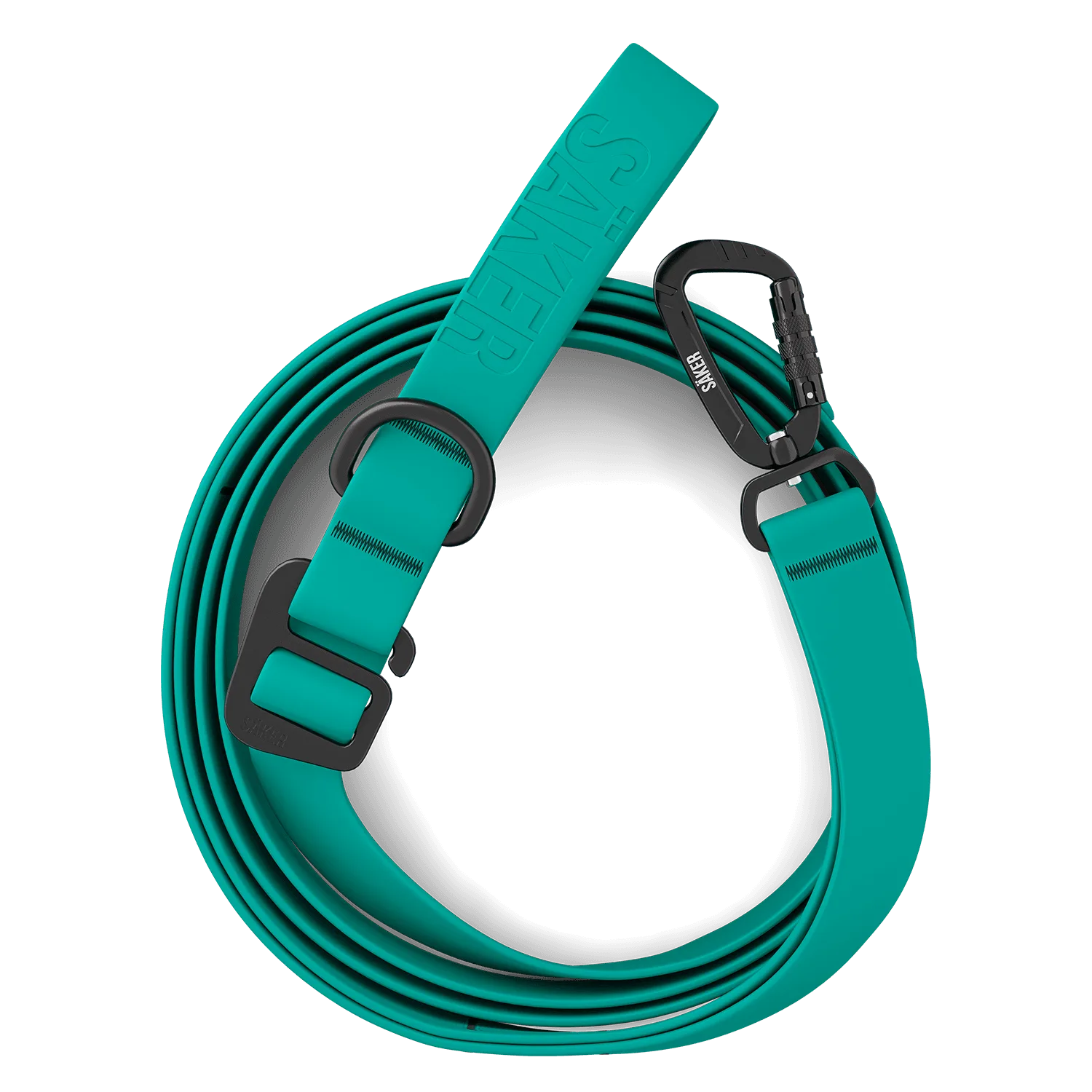
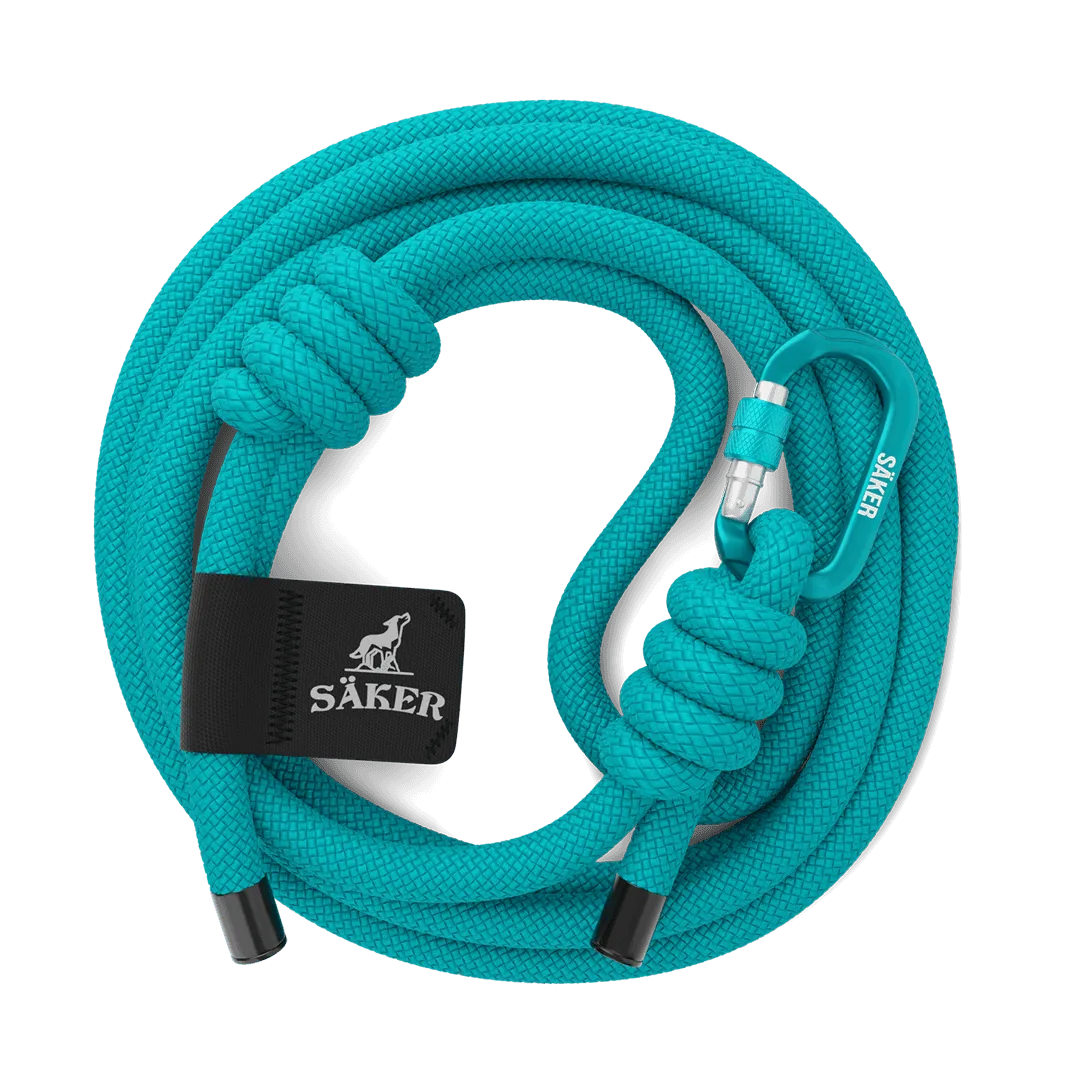
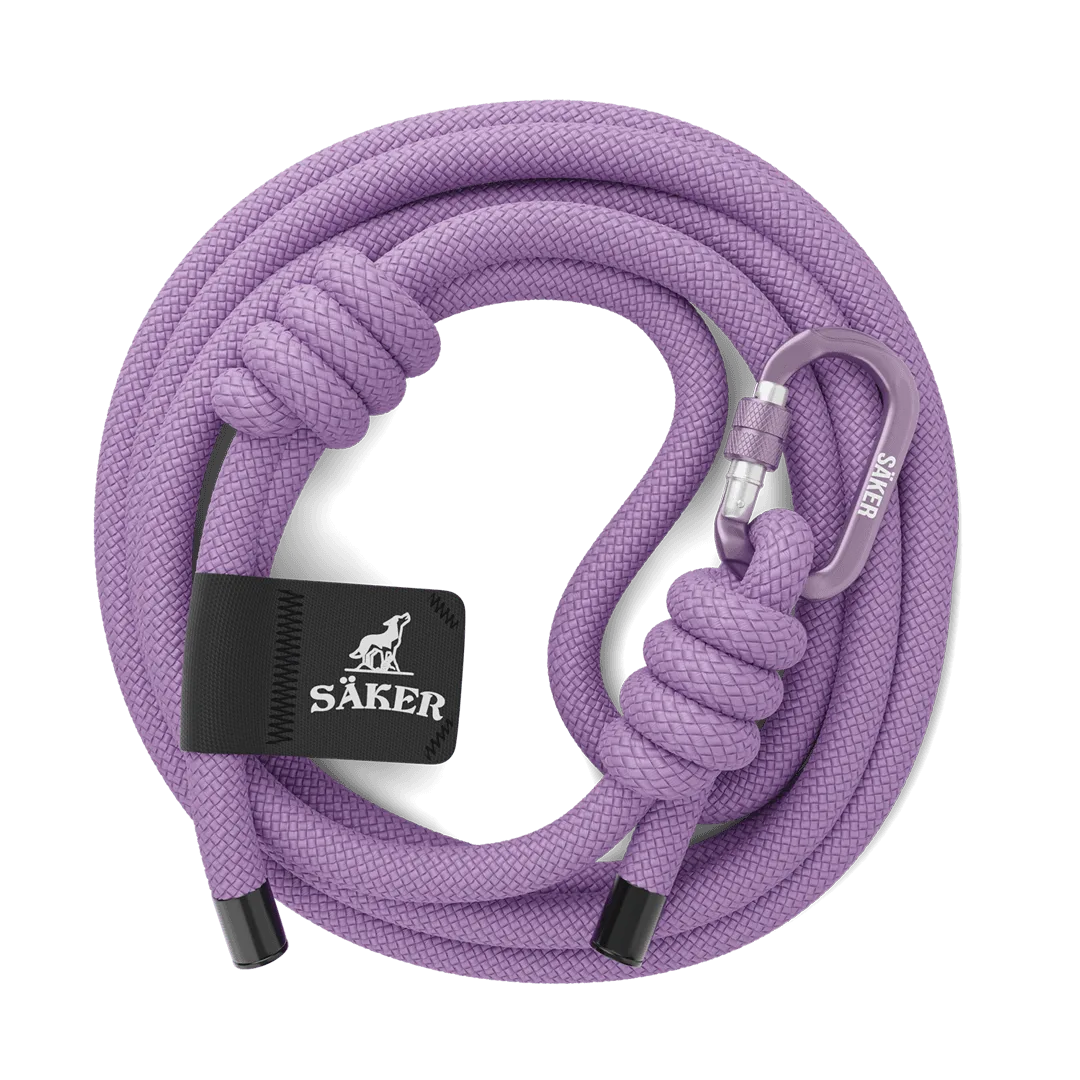
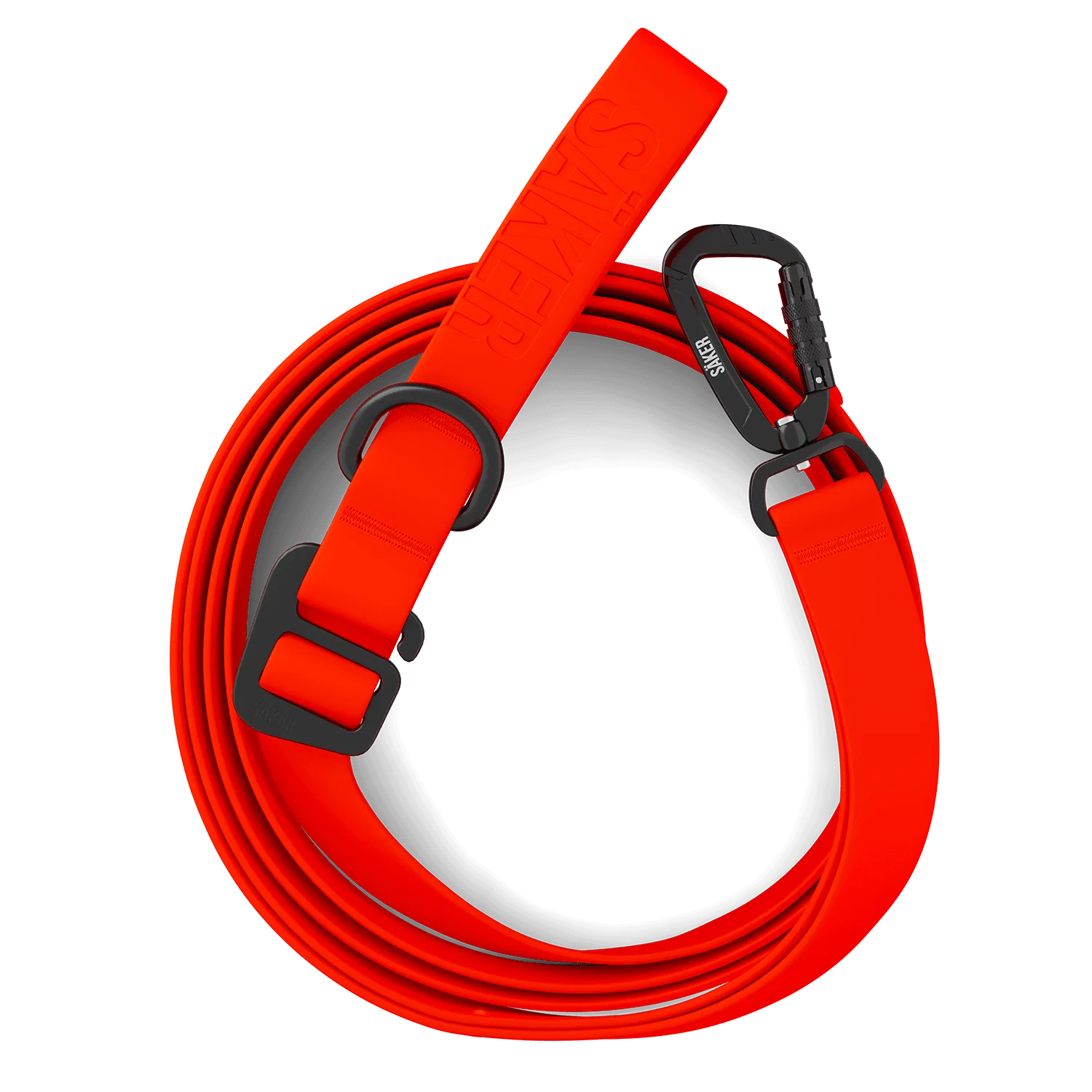
When choosing a standard leash, consider the material. Nylon leashes are lightweight, durable, and easy to clean, making them a popular choice. Leather leashes are strong and comfortable, developing a nice patina over time, but they require more maintenance. Biothane is a modern option that's waterproof, odor-resistant, and very durable, perfect for active dogs and outdoor adventures. For example, the https://sakercaninefpz.com/products/es-2006-aeb71f43a7a4e2af0cf4dd84-515038https://sakercaninefpz.com/products/pl-2006-91e1836f57645a78363f6044-515041https://sakercaninefpz.com/products/00-2006-3e164481b99dbfc958394a4a-515042https://sakercaninefpz.com/products/tg-2006-11de15b9f2e4d24e7a542380-515045Traction 001 leash is a great example of a high-quality standard leash designed for control and durability.
- Nylon: affordable, machine-washable, available in many colors.
- Leather: classic, strong, and comfortable, but needs conditioning.
- Biothane: waterproof, wipeable, and extremely durable.
Retractable Leashes: Convenience vs. Control
Retractable leashes offer your dog more freedom to roam while still keeping them attached to you. They feature a thin cord or tape that extends and retracts with a button. While they can be convenient for open spaces, they are not recommended for training or for dogs that pull, as they can encourage pulling behavior and make it difficult to maintain control.
Safety is a major concern with retractable leashes. The thin cord can cause burns or cuts if wrapped around skin, and the locking mechanism can fail, leading to accidents. Many trainers and veterinarians advise against them, especially for puppies or strong dogs. If you do choose a retractable leash, use it only in safe, open areas and always keep a firm grip.
Training Leashes: Specialized for Obedience
Training leashes come in various styles, each designed for specific purposes. The most common are the 4-6 foot standard leash for basic obedience, the 15-30 foot long line for recall training, and the short tab leash for close control in high-distraction environments. Some training leashes have multiple handles, allowing you to quickly shorten your grip during training exercises.
For serious training, consider a leash made from durable material that provides a good grip, such as a leather or biothane leash. The KelpTM Leash is an excellent example of a versatile training leash that offers both durability and comfort. It's designed to withstand the rigors of daily use while providing the control you need for effective training sessions.
- Long lines are great for teaching recall in safe, open areas.
- Short tabs are perfect for indoor training or quick corrections.
- Multi-handle leashes offer versatility for different training scenarios.
Hands-Free Leashes: For Active Lifestyles
Hands-free leashes are designed to attach around your waist or across your body, leaving your hands free for other activities like jogging, hiking, or carrying gear. They are ideal for runners, hikers, and dog parents who need to multitask during walks. Many come with a bungee element to absorb shock and reduce strain on both you and your dog.
When choosing a hands-free leash, look for a padded waist belt for comfort, a sturdy clip, and a traffic handle for quick control. Some models also include a poop bag holder or small pockets for convenience. This type of leash can be a game-changer for active owners who want to keep their dog safe while enjoying outdoor activities.
Leash Materials and Lengths: What to Consider
The material of your leash affects its durability, comfort, and maintenance. Leather is strong and comfortable but requires regular conditioning to prevent drying and cracking. Nylon is lightweight, quick-drying, and affordable, but can fray over time. Biothane is a synthetic material that is waterproof, resistant to odors, and easy to clean, making it a top choice for dogs that love water or mud.
Length is another crucial factor. A 4-6 foot leash is standard for daily walks and training, giving your dog enough room to explore while maintaining control. A 6-8 foot leash offers more freedom, suitable for dogs that need more space to sniff and move. Longer lines (15-30 feet) are used for recall training and outdoor adventures where you want to give your dog more freedom while ensuring safety.
When selecting a leash, also consider the hardware. A sturdy clip, like a bolt snap or trigger snap, ensures secure attachment to your dog's collar or harness. The handle should be comfortable to hold, with options like padded or rope handles for extra grip. The KelpTM Collar pairs well with a durable leash to create a reliable walking setup.
- Choose a leash width that matches your dog's size: 3/8" for small dogs, 1/2" for medium, and 5/8" or 1" for large breeds.
- For strong pullers, opt for a thicker leash with a comfortable handle.
- Consider a reflective or high-visibility leash for night walks.
Specialty Leashes: Adding Features for Safety and Convenience
Some leashes come with additional features like reflective stitching, shock-absorbing bungee sections, or multiple attachment points. Reflective leashes improve visibility during low-light conditions, which is essential for safety. Bungee leashes reduce the impact of sudden pulls, making them ideal for joggers and dogs that tend to lunge.
Other specialty leashes include dual-clip leashes that attach to both a collar and a harness for extra security, and leash extenders that allow you to connect two dogs to one leash. When choosing a specialty leash, think about your specific needs and environment. For example, if you walk your dog in the city, a shorter, reflective leash may be best. For hiking, a longer, bungee leash might be more suitable.
Finding the perfect dog leash involves considering your dog's size, behavior, and your lifestyle. Whether you need a durable everyday leash, a training tool, or a hands-free option for adventures, there's a leash out there that fits your needs. Take the time to evaluate the materials, lengths, and features to ensure a safe and enjoyable walking experience for both you and your dog.