Does your dog pull on the leash, turning a simple walk into an arm-straining workout? You're not alone. Pulling is one of the most common behavioral challenges dog owners face, but the right gear can make a world of difference. In this guide, we'll explore the different types of no-pull dog gear, how they work, and how to choose the best option for your furry friend.
From no-pull harnesses to anti-pull collars and specialized leashes, each tool uses a unique mechanism to discourage pulling. Understanding these differences will help you make an informed decision and enjoy more relaxed, enjoyable walks.
What Is No-Pull Dog Gear?
No-pull dog gear refers to equipment designed to reduce or eliminate pulling behavior during walks. Unlike standard collars and leashes, these tools use specific design features—such as front attachment points, pressure distribution, or gentle correction mechanisms—to discourage pulling and encourage loose-leash walking.
The goal is not to punish your dog but to make pulling uncomfortable or ineffective, so your dog learns that walking calmly by your side is more rewarding. Whether you have a strong, energetic breed or a small but determined puller, there's a no-pull solution suited to your needs.
Types of No-Pull Dog Gear
There are three main categories of no-pull gear: harnesses, collars, and leashes. Each works differently, and some can be combined for maximum effectiveness. Let's break down each type.
- No-pull harnesses: These distribute pressure across the chest and back, steering the dog's body rather than jerking the neck.
- No-pull collars: These use gentle pressure or correction to discourage pulling, but they require careful use to avoid injury.
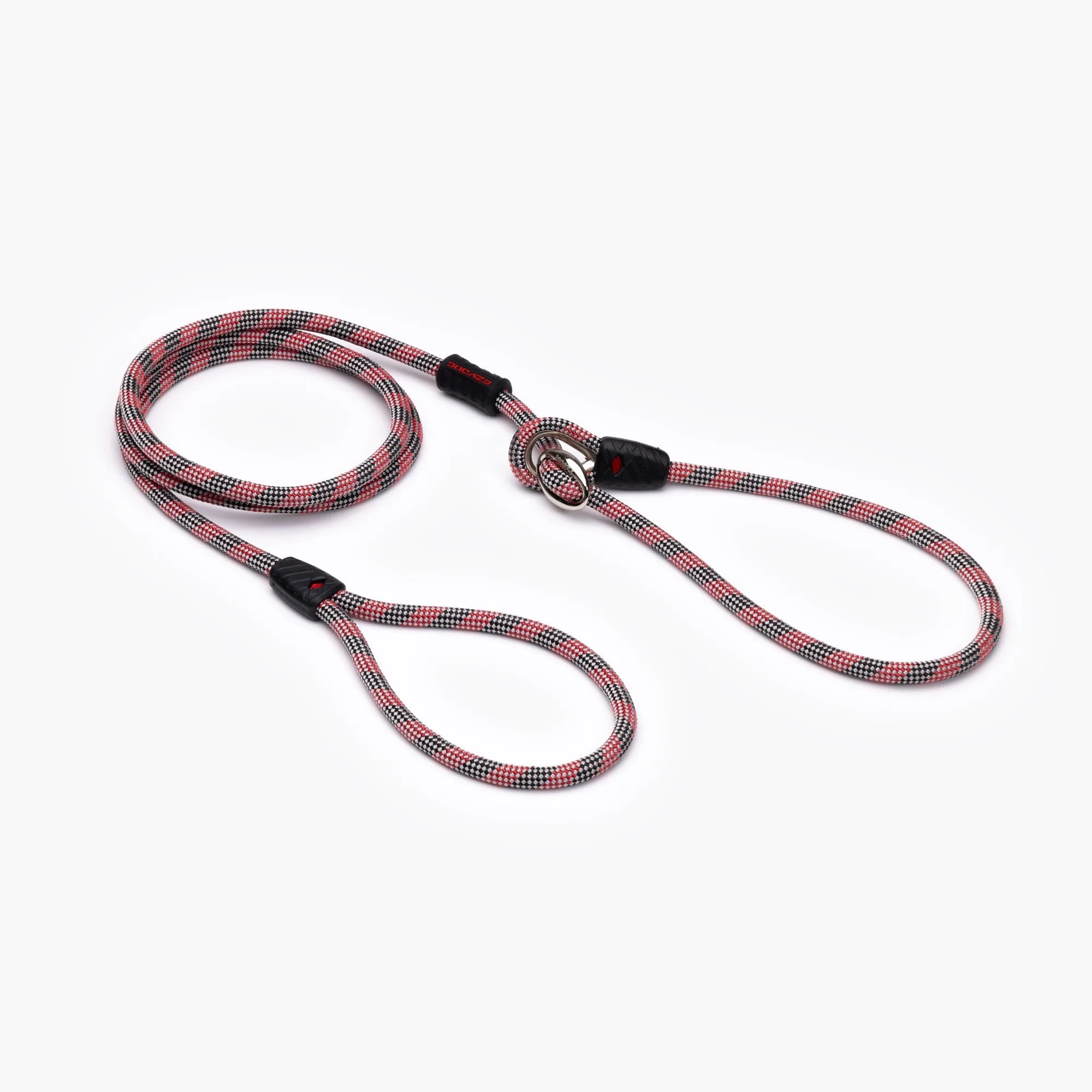
- No-pull leashes: Specialized leashes, such as those with bungee sections or multiple attachment points, help absorb shock and give you more control.
No-Pull Harnesses: How They Work
No-pull harnesses are often considered the most humane and effective option. They typically feature a front clip (on the chest) or a dual-clip design. When your dog pulls, the front clip causes the harness to rotate the dog's body toward you, making it difficult to continue pulling forward. This gentle redirection is both safe and effective.
The Crosscheck Dog Harness is a popular example of a front-clip harness that offers excellent control without causing discomfort. It's designed to distribute pressure evenly, reducing strain on your dog's neck and throat. For dogs that need extra guidance, a harness with a front and back clip provides versatility, allowing you to switch between attachment points based on your training needs.
No-Pull Collars: Pros and Cons
No-pull collars, such as martingale or prong collars, work by applying pressure around the dog's neck when they pull. Martingale collars are designed to tighten gently, preventing dogs from slipping out, while prong collars use blunt prongs to create a pinching sensation—though these are controversial and require professional guidance.
The main advantage of collars is their simplicity and low cost. However, they can cause neck injuries, especially in small breeds or dogs with respiratory issues. If you prefer a collar but want to avoid harsh corrections, consider a wide, padded collar like the Neo Collar Wide, which provides comfort while still allowing you to attach a leash. But for most dogs, a harness is a safer choice.
No-Pull Leashes: Features to Look For
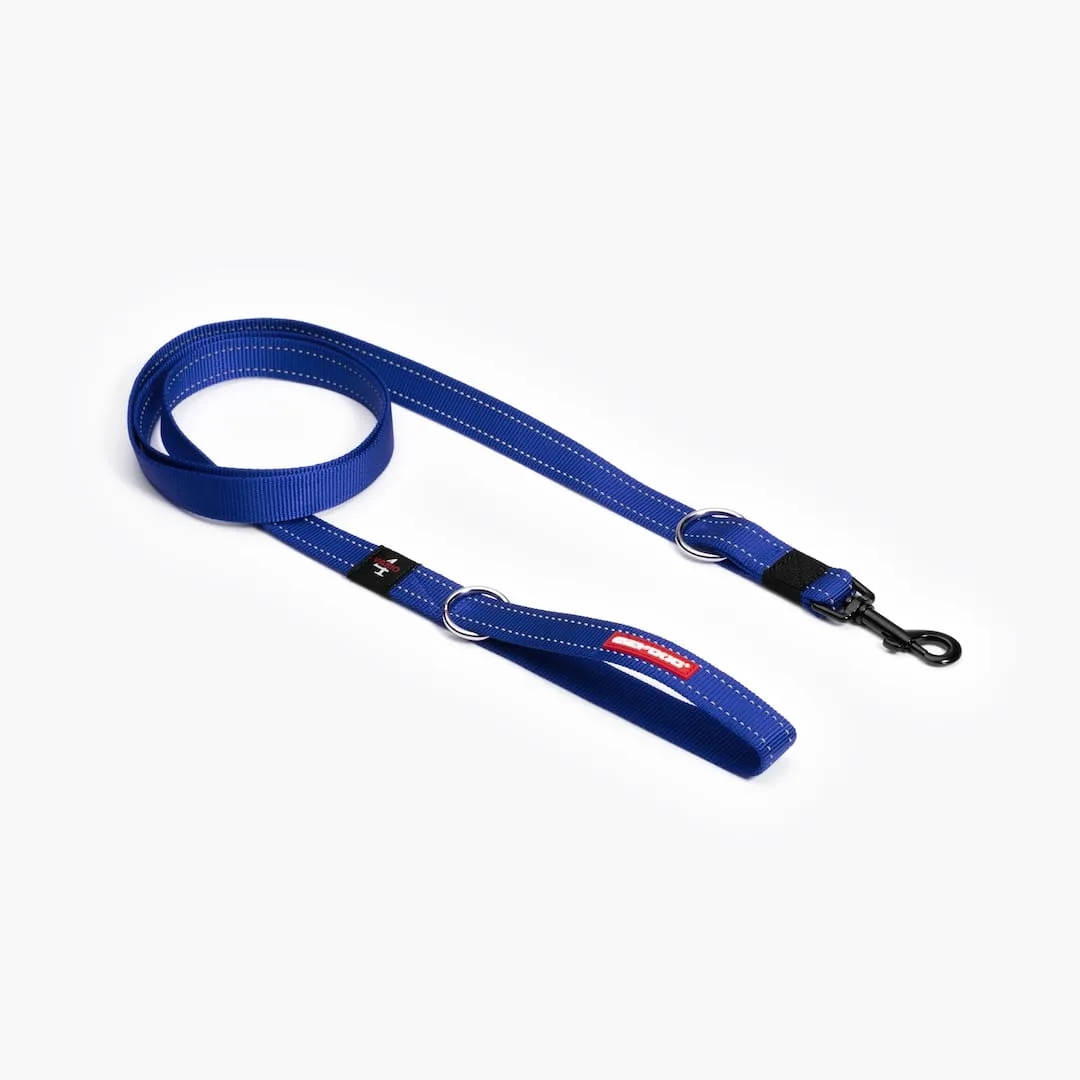
The right leash can also make a difference. A standard leash doesn't prevent pulling, but certain features can help. Bungee leashes absorb shock, reducing the impact on both you and your dog when they lunge. Multi-function leashes offer multiple attachment points, allowing you to adjust your hold and control level.
The VARIO 6 Multi-Function Leash is a versatile option that can be used in multiple configurations—as a standard leash, a hands-free leash, or a double-dog coupler. Its adjustable length and padded handle give you more control, which is especially useful when training your dog to walk without pulling.
No-Pull Harness vs. Collar: Which Is Better?
When deciding between a no-pull harness and a collar, consider your dog's size, breed, and health. Harnesses are generally safer and more effective for most dogs, as they avoid putting pressure on the neck. They're ideal for dogs with tracheal issues, small breeds, or those who tend to lunge.
Collars can be effective for dogs that are already trained but need a reminder, but they should be used with caution. If you're unsure, consult a professional trainer. Many experts recommend starting with a no-pull harness and using a collar only for identification tags.
Training Tips to Complement No-Pull Gear
No-pull gear is most effective when combined with positive reinforcement training. Reward your dog for walking beside you, and stop when they pull. Consistency is key. Use treats and praise to encourage loose-leash walking.
Additionally, ensure your gear fits properly. A harness that is too loose can chafe, while one that is too tight can restrict movement. Check the fit regularly, especially for growing puppies. The right gear, like the Crosscheck Dog Harness, should feel snug but not restrictive.
- Start training in a low-distraction environment and gradually increase distractions.
- Use high-value treats to reward your dog for checking in with you.
- Take short, frequent training sessions to avoid fatigue.
Top No-Pull Products to Consider
When shopping for no-pull gear, look for quality materials and thoughtful design. The Crosscheck Dog Harness is a top choice for its front-clip design and comfort. For added convenience, consider the Walking Bundle, which includes a harness and leash combo that's perfect for training.
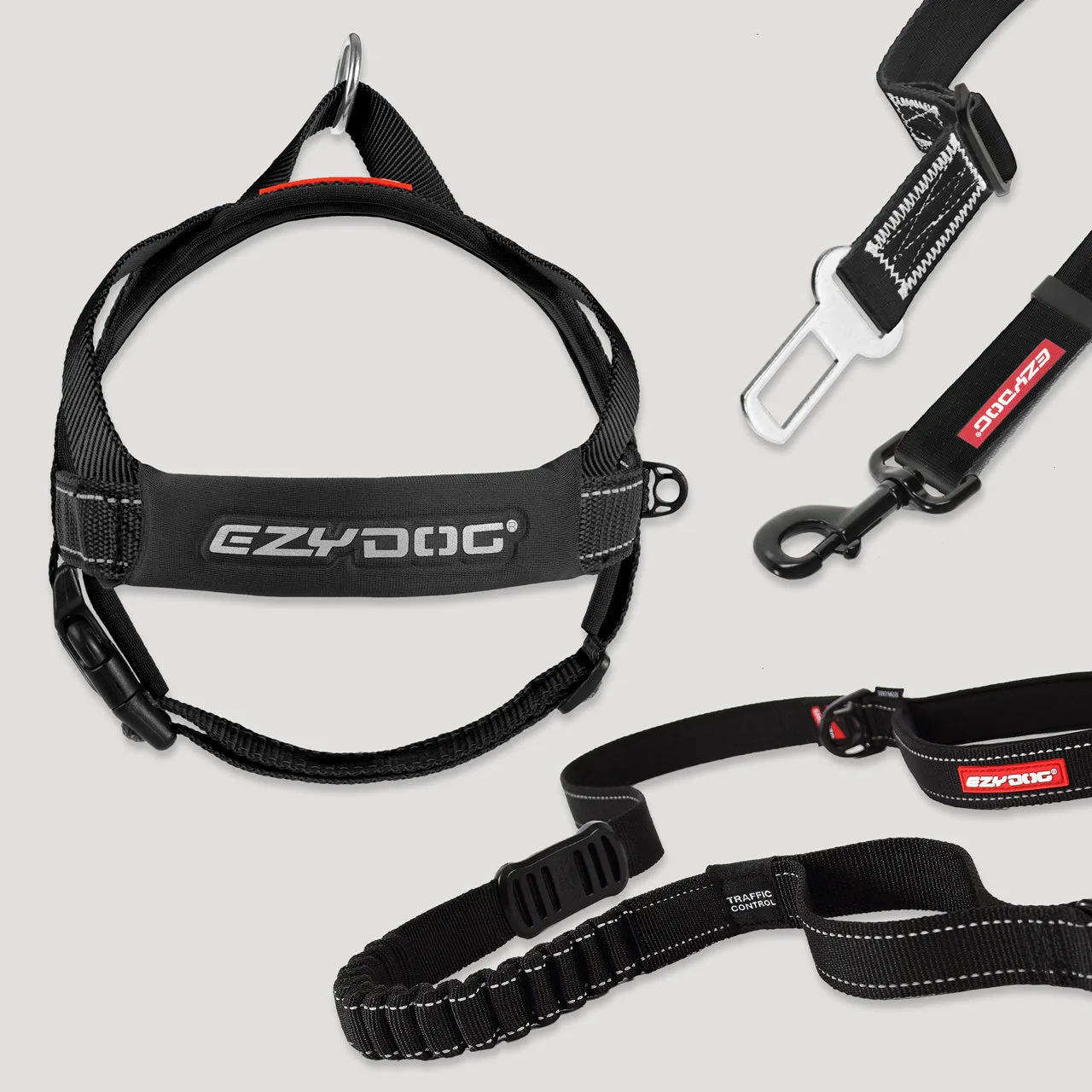
Walking Bundle
If you prefer a collar, the Neo Collar Wide offers a comfortable fit for everyday wear. And for leashes, the VARIO 6 Multi-Function Leash provides versatility and control. Whichever you choose, investing in quality no-pull gear will make walks more enjoyable for both of you.
No-pull dog gear comes in various types, each with its own mechanism and benefits. By understanding how no-pull harnesses, collars, and leashes work, you can select the best option for your dog's needs. Remember, no gear replaces training—combine the right equipment with positive reinforcement for the best results. Explore EzyDog's range of no-pull solutions, including the Crosscheck Dog Harness, to start enjoying stress-free walks today.