Mosquito bites are an almost unavoidable part of childhood, especially during warm months when families spend more time outdoors. While most bites are harmless, they can cause significant discomfort for little ones, leading to scratching, crying, and disrupted sleep. For babies and toddlers, whose skin is more sensitive and immune systems are still developing, finding a safe and effective treatment is crucial. This comprehensive guide covers everything you need to know about treating mosquito bites in babies and toddlers, from immediate first aid to long-term prevention.
Why Mosquito Bites Affect Babies and Toddlers Differently
Young children have thinner, more delicate skin than adults, which means mosquito saliva—the cause of the itchy reaction—can penetrate more easily. Additionally, their immune systems are still maturing, often resulting in a stronger inflammatory response. The result? Larger, redder, and often more swollen bumps that can last longer. Babies under six months, in particular, have limited options for relief because many topical creams and medications are not recommended for this age group.
Understanding these differences helps parents choose remedies that are both effective and gentle. The key is to focus on non-toxic, physical methods first, such as suction-based tools, before turning to chemicals or medications.
Immediate Steps to Take After a Mosquito Bite on a Baby or Toddler
The first few minutes after a bite are critical. Acting quickly can reduce swelling, itching, and the risk of infection. Here is a step-by-step approach:
- Clean the area: Gently wash the bite with mild soap and cool water to remove any saliva and bacteria.
- Apply a cold compress: Use a clean cloth soaked in cool water or an ice pack wrapped in a towel. This helps reduce swelling and numbs the area, providing immediate relief.
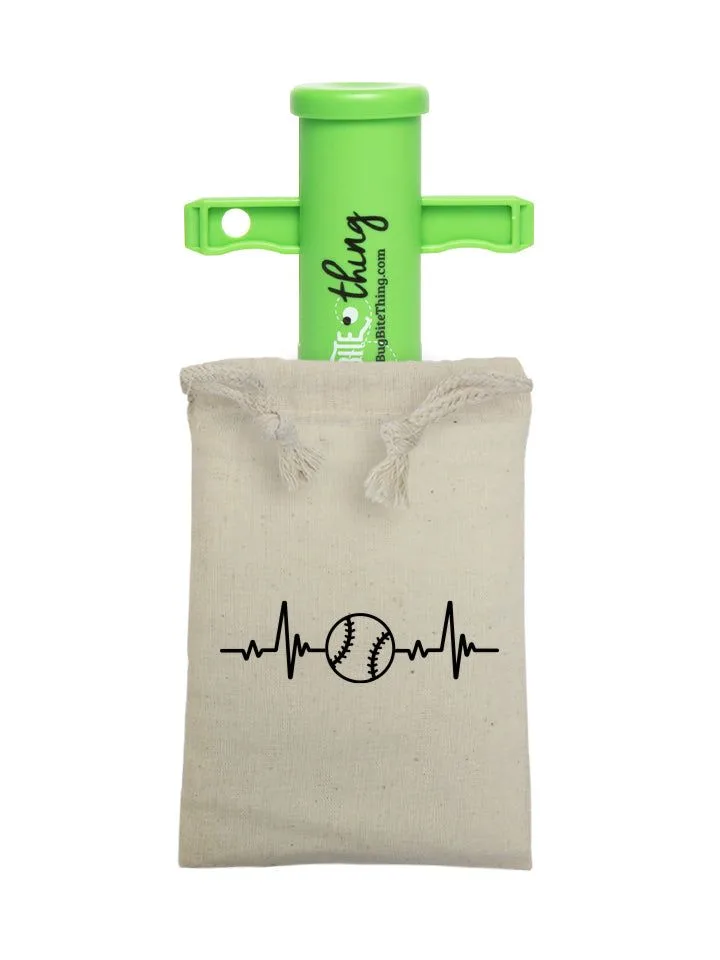
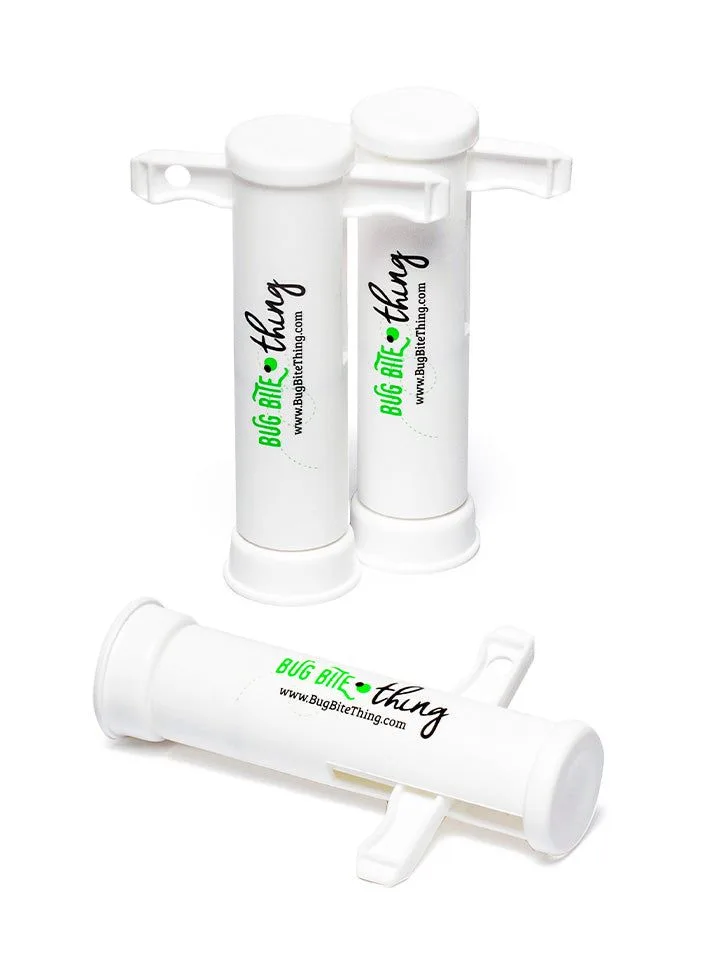
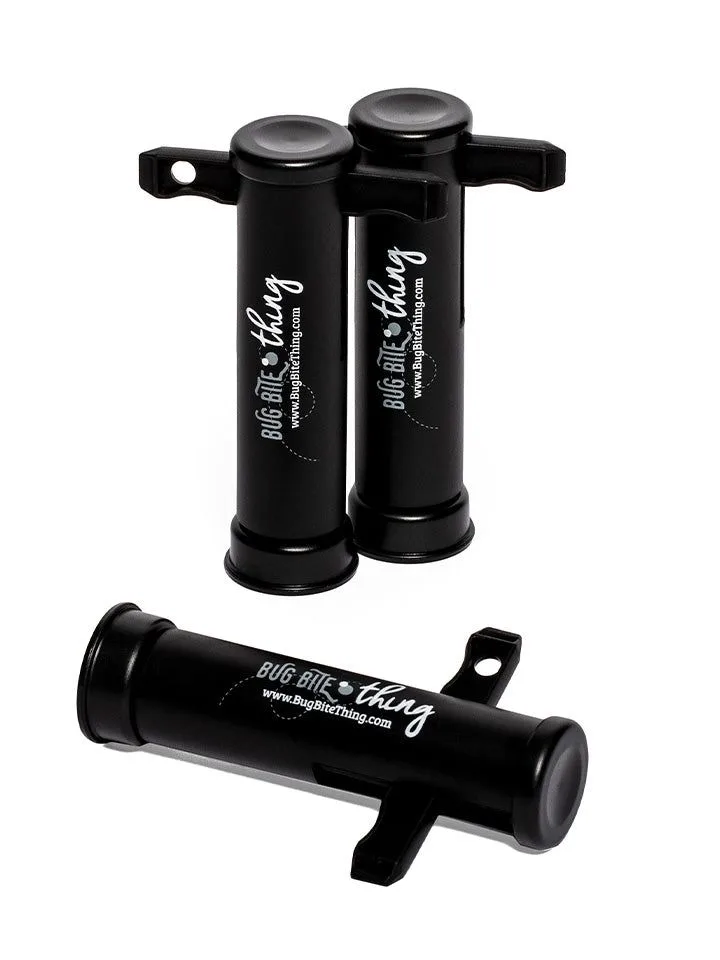
- Use a suction tool: For older babies and toddlers, a suction tool like the Bug Bite Thing Suction Tool can be incredibly effective. By creating a vacuum, it draws out the mosquito saliva and other irritants from under the skin, reducing the body's reaction. This is a chemical-free, painless method that works well for many children.
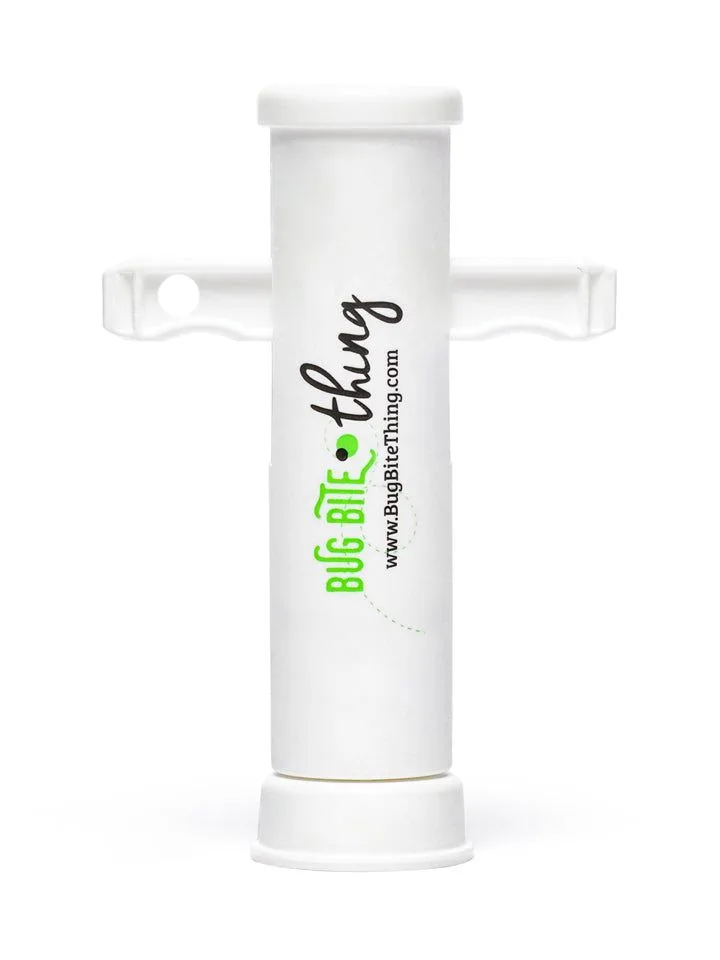
Bug Bite Thing Suction Tool
- Avoid scratching: Keep your child's fingernails trimmed and consider putting soft mittens or socks on their hands to prevent them from scratching the bite.
Remember, for very young infants (under 6 months), consult your pediatrician before using any new treatment, even a suction tool. The Bug Bite Thing Suction Tool - White is a popular choice among parents for its simple design and gentle action.
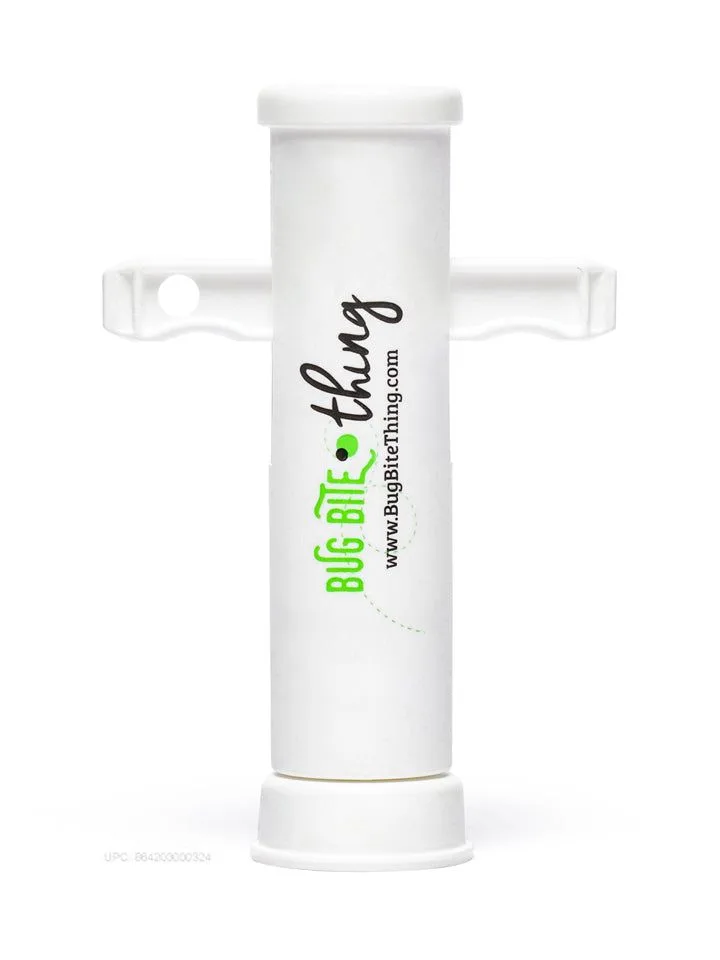
Bug Bite Thing Suction Tool - White
Safe and Effective Relief Options for Babies and Toddlers
When it comes to treating mosquito bites in children, safety is the top priority. Here are some of the best options, categorized by age and severity:
Non-Topical Remedies (Best for All Ages, Especially Under 2 Years)
- Suction tools: As mentioned, suction devices work by physically removing the irritant. They are drug-free and can be used repeatedly. Many parents find them more effective than creams because they address the root cause.
- Cold compresses: Excellent for immediate swelling and pain relief. Apply for 10 minutes at a time as needed.
- Colloidal oatmeal baths: For multiple bites, a lukewarm bath with colloidal oatmeal can soothe itching and reduce inflammation. Make sure the water is not too hot, as heat can worsen itching.
Topical Remedies (Use with Caution for Toddlers and Older Babies)
- Calamine lotion: Safe for children over 6 months. It dries out the bite and provides a cooling sensation.
- Baking soda paste: Mix a small amount of baking soda with water to form a paste. Apply to the bite for 10 minutes, then rinse. This can neutralize the pH and reduce itching.
- Hydrocortisone cream (0.5% or 1%): Only for children over 2 years old and for short-term use (up to 7 days). It reduces inflammation but should be used sparingly.
- Antihistamine creams (e.g., Benadryl): Not recommended for children under 2 without a doctor's guidance. Oral antihistamines are often a safer alternative for severe allergic reactions, but always consult a pediatrician first.
What to Avoid
Never use products containing ammonia, alcohol, or strong essential oils (like tea tree or peppermint) on babies or toddlers, as they can cause skin irritation or toxicity. Also avoid scratching the bite, as this can lead to impetigo or cellulitis.
When to See a Doctor: Signs of Infection or Severe Reaction
Most mosquito bites resolve on their own within a few days. However, parents should watch for these warning signs that require medical attention:
- Signs of infection: Increasing redness, warmth, pus, or red streaks radiating from the bite.
- Severe swelling: If the bite area swells dramatically (e.g., the whole arm or leg), or if the swelling does not go down after 24 hours.
- Allergic reaction: Hives, difficulty breathing, swelling of the lips or throat, or a sudden rash elsewhere on the body. This is a medical emergency.
- Fever: A fever accompanying a mosquito bite could indicate an infection or even a mosquito-borne illness like West Nile virus (rare in most areas).
If your child is very young (under 3 months) and develops a fever, seek medical care immediately.
Prevention: Protecting Your Little One from Mosquito Bites
An ounce of prevention is worth a pound of cure. Here are the best strategies for keeping mosquitoes away from babies and toddlers:
- Use EPA-approved insect repellents: For children over 2 months, repellents containing DEET (up to 30% concentration) or picaridin are safe and effective. For infants under 2 months, use physical barriers like mosquito nets over strollers and carriers instead.
- Dress appropriately: Long sleeves, long pants, and socks can protect skin. Choose light-colored clothing, as dark colors attract mosquitoes.
- Avoid peak mosquito hours: Dusk and dawn are when mosquitoes are most active. Limit outdoor play during these times.
- Eliminate standing water: Mosquitoes breed in stagnant water. Check your yard for water in flower pots, buckets, birdbaths, and gutters.
- Use mosquito nets: For cribs, strollers, and outdoor playpens, a fine mesh net can create a protective barrier.
Why Suction-Based Relief is a Game-Changer for Children
Traditional remedies like baking soda, calamine, or ice can help, but they only address symptoms. Suction-based tools, on the other hand, remove the irritant that causes the reaction in the first place. This approach is particularly beneficial for children because:
- It is drug-free – no concerns about overuse or side effects.
- It is painless – most children do not mind the gentle suction.
- It provides immediate relief – often within seconds.
- It reduces the risk of infection from scratching.
Many parents have found that using a suction tool like the Bug Bite Thing Suction Tool can dramatically reduce the severity of mosquito bites in their children. The tool works on a variety of insect bites, including those from mosquitoes, bees, and wasps, making it a versatile addition to any family's first-aid kit.
Frequently Asked Questions About Mosquito Bites in Babies and Toddlers
Question
Answer
Can I use the Bug Bite Thing on a newborn?
It is generally safe for use on infants, but always consult your pediatrician first, especially for babies under 6 months. The suction is gentle, but every child is different.
How often can I apply a cold compress?
As often as needed, but limit each session to 10-15 minutes. Give the skin a break in between to prevent frostbite from ice packs.
Are mosquito bites dangerous for babies?
Most are not, but they can lead to infection if scratched. In rare cases, mosquitoes can transmit diseases like West Nile or dengue, but this is highly location-dependent. Consult local health advisories.
What should I do if my child has a severe reaction?
If you see signs of an allergic reaction (hives, difficulty breathing) or infection (fever, spreading redness), seek medical attention immediately.
Conclusion: Peace of Mind for Parents
Mosquito bites are a common part of childhood, but they don't have to ruin summer fun. By acting quickly, using safe and effective remedies like suction tools, and practicing prevention, parents can minimize discomfort and keep their little ones happy. Remember, the goal is to address the bite without introducing unnecessary chemicals, especially for very young children.
Ready to take the itch out of mosquito bites? Try the Bug Bite Thing Suction Tool - White today and see how a simple, drug-free solution can make a world of difference for your baby or toddler.