Quick answer
For babies and toddlers, the safest sleepwear is snug-fitting and made from naturally flame-resistant fabrics like organic cotton. Tight-fitting pajamas reduce fire risk by limiting air circulation, and they meet CPSC safety standards without chemical flame retardants.
Why fit matters more than fabric weight
Loose sleepwear can catch fire more easily because it allows more oxygen to reach the fabric. That is why the U.S. Consumer Product Safety Commission (CPSC) requires sleepwear for children sizes 9 months and up to be either snug-fitting or made from flame-resistant materials. Tight-fitting pajamas are the simpler, chemical-free choice: they pass the safety test by design, not by added treatment.
A common misconception is that thick or heavy fabric is safer. In reality, a close fit is what reduces risk. Lightweight organic cotton that fits snugly is safer than a thick, loose fleece gown. Always check the label for 'snug-fitting' or 'wear snug-fitting' language.
Fabric choice: organic cotton vs. synthetics
Organic cotton sleepwear is naturally breathable and less likely to cause overheating, a known SIDS risk factor. Many synthetic blends require chemical flame retardants to meet safety standards, which some parents prefer to avoid. Organic cotton pajamas that are tight-fitting meet CPSC requirements without any added chemicals.
That said, not all cotton sleepwear is created equal. Look for a fabric blend that includes a small amount of spandex or elastane for stretch; this helps maintain a snug fit through repeated washing. Pure cotton can lose shape over time, making the fit looser and less safe.
Sizing and growth considerations
Babies and toddlers grow quickly, but buying sleepwear a size too large compromises safety. A loose fit around the arms, legs, and neck increases fire risk and can also pose a suffocation hazard. Stick to the child's current size, and choose pajamas with a bit of stretch to extend the usable life without sacrificing fit.
Some brands offer sizing that spans multiple growth stages. For example, two-piece sets available in both baby and toddler sizes allow you to buy the correct fit now and size up later without switching to a different style or fabric.
How to choose safe sleepwear: decision rules
- Check the label for snug-fit wording: Look for phrases like 'snug-fitting' or 'wear snug-fitting' on the garment tag. This tells you the pajama is designed to meet CPSC safety standards without flame retardants.
- Choose natural or blended fabrics with stretch: Organic cotton with a small percentage of spandex or elastane holds its shape and stays snug after multiple washes. Avoid 100% cotton if the fit becomes loose quickly.
- Buy the child's current size, not a size up: Loose sleepwear increases fire risk and can be a suffocation hazard. If you need room to grow, select pajamas with built-in stretch rather than a larger size. When in doubt, choose the smaller size that still allows comfortable movement.
- Avoid sleepwear with dangling strings or decorations: Ribbons, bows, and loose buttons can catch on crib slats or become choking hazards. Snug-fitting sleepwear should be simple and free of extra trim.
Sleepwear picks that meet safety standards
-
Bear Family 2 pc infant/toddler tight fitting PJ set - NEW for Spring 2025: This two-piece PJ set is made from an ultra-soft custom fabric blend of organic cotton, recycled polyester, and spandex, and it is available in both baby and toddler sizes. The spandex helps the pajamas stay snug after washing, and the two-size range means you can buy the correct fit now and size up later without switching styles.
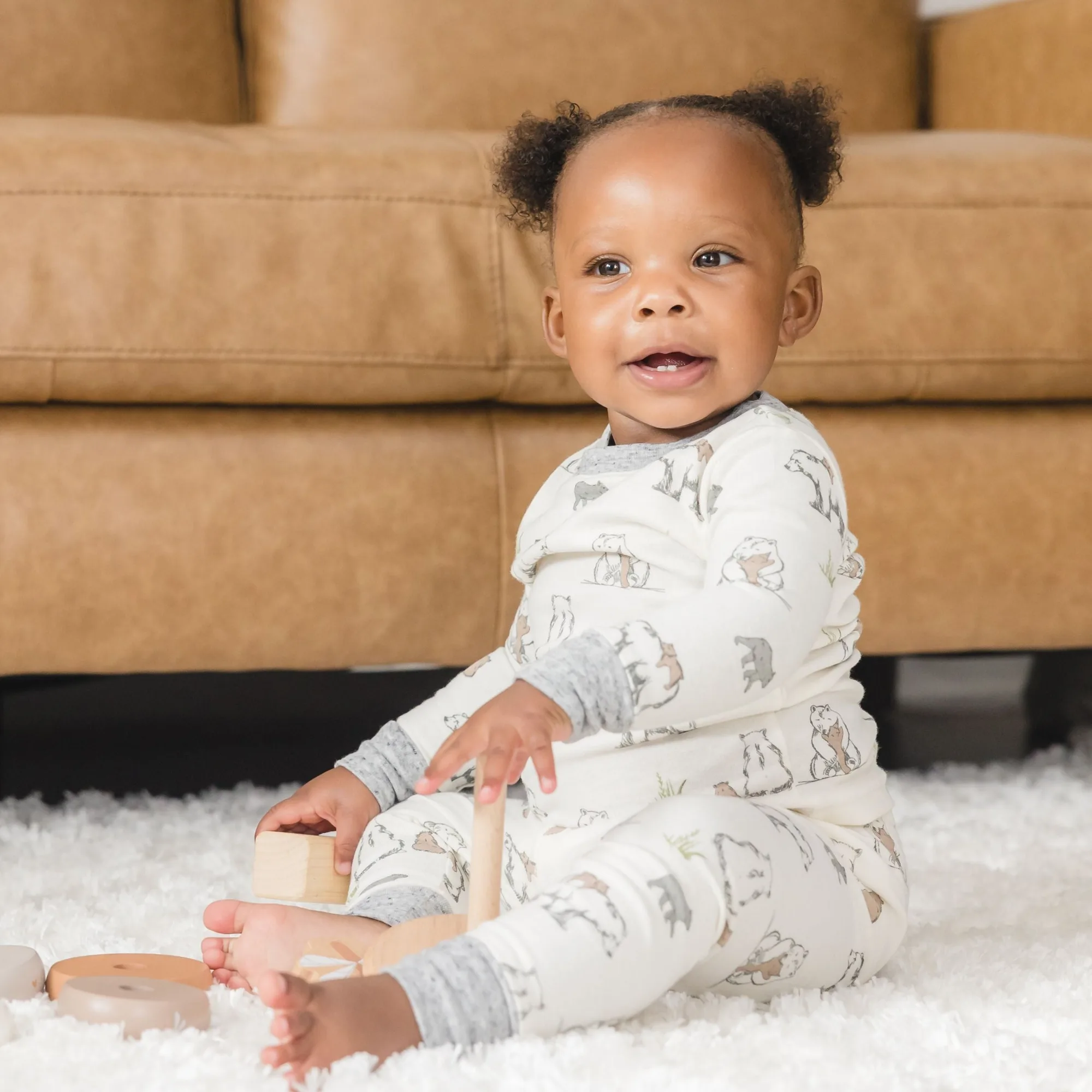
Bear Family 2 pc infant/toddler tight fitting PJ set - NEW for Spring 2025
-
Animal Kingdom PJ set in infant-toddler sizes: This two-piece set uses the same custom organic cotton/recycled polyester/spandex blend, is brushed for extra softness, and meets CPSIA fit standards for snug-fitting sleepwear. The brushed finish adds comfort for sensitive skin, and the CPSIA compliance label gives you confidence that the fit meets federal safety requirements without chemical treatments.
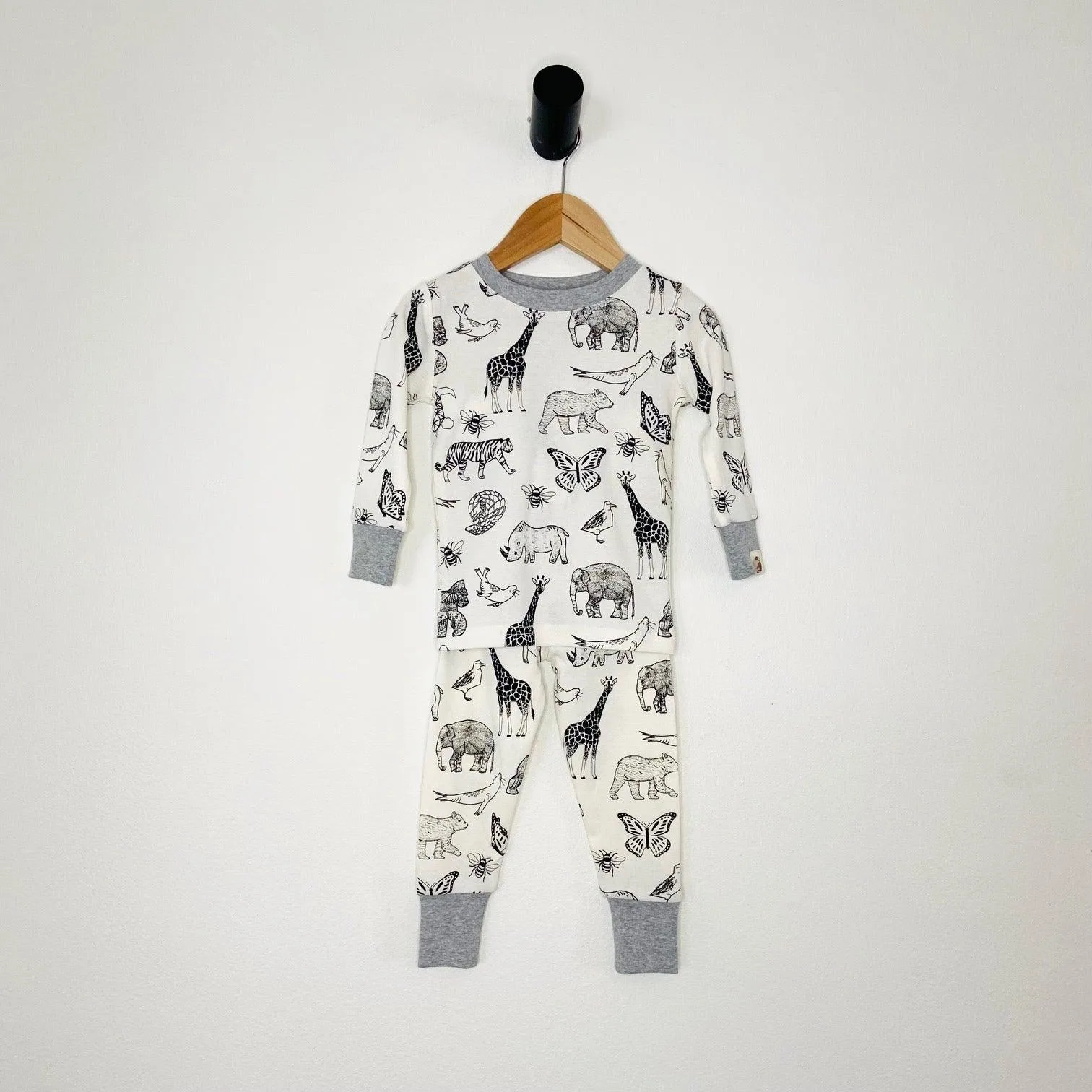
Animal Kingdom PJ set in infant-toddler sizes
Who should choose tight-fitting sleepwear
Best for
- Parents who want to avoid chemical flame retardants in their child's clothing
- Families with children who sleep in a cool room and need breathable, non-overheating fabric
- Babies and toddlers who move around in their sleep and need a secure fit that won't ride up
Not ideal for
- Parents who prefer loose-fitting sleepwear for comfort (these must be flame-resistant by fabric treatment, not by fit)
- Children with severe eczema or skin sensitivities that require a completely flat interior seam (check individual product seams)