Vitamin C is one of the most popular and essential nutrients, praised for its role in immune function, collagen production, and antioxidant protection. With so many supplements on the market, choosing the right one can be overwhelming. This guide breaks down the different forms of vitamin C, recommended dosages, and the benefits you can expect, so you can make an informed decision.
Whether you're looking to boost your immunity, improve skin health, or support overall wellness, understanding the nuances of vitamin C supplements is key. From chewable tablets to liposomal formulations, each form has its own advantages. Let's dive in.
Why Vitamin C Matters: Key Benefits
Vitamin C, also known as ascorbic acid, is a water-soluble vitamin that acts as a powerful antioxidant. It helps protect cells from damage caused by free radicals, supports the immune system, and aids in the absorption of iron from plant-based foods. Additionally, vitamin C is essential for the synthesis of collagen, a protein that supports skin, joints, and blood vessels.
Regular intake of vitamin C has been linked to a reduced duration of common colds, improved skin elasticity, and faster wound healing. It also plays a role in maintaining healthy gums and preventing oxidative stress. While a balanced diet can provide some vitamin C, supplementation ensures you meet your daily needs, especially during times of stress or illness.
- Supports immune function and reduces cold duration
- Promotes collagen production for skin and joint health
- Acts as a potent antioxidant to fight oxidative stress
Different Forms of Vitamin C Supplements
Vitamin C supplements come in various forms, each with unique characteristics. The most common is ascorbic acid, which is highly effective but can be harsh on the stomach for some people. To improve tolerance and absorption, manufacturers have developed mineral ascorbates, such as sodium ascorbate or calcium ascorbate, which are buffered and gentler on the digestive system.
Another popular form is liposomal vitamin C, where the nutrient is encapsulated in liposomes—tiny fat particles that enhance absorption at the cellular level. This form is often praised for its high bioavailability and reduced gastrointestinal discomfort. Additionally, time-released formulas slowly release vitamin C over several hours, maintaining steady blood levels. Chewable tablets and gummies offer convenience and taste, making them ideal for children or those who dislike swallowing pills.
- Ascorbic acid: standard, cost-effective form
- Mineral ascorbates: buffered for sensitive stomachs
- Liposomal vitamin C: enhanced absorption and tolerance
Determining the Right Dosage
The recommended daily allowance (RDA) for vitamin C is 75 mg for women and 90 mg for men, but many experts suggest higher doses for optimal health. For general wellness, a daily dose of 250-500 mg is common. During periods of high stress, illness, or intense physical activity, higher doses up to 1000 mg may be beneficial. However, it's important not to exceed the tolerable upper intake level of 2000 mg per day to avoid digestive upset.
When choosing a supplement, consider your individual needs. If you're prone to colds, a higher dose might be appropriate. If you have a sensitive stomach, opt for a buffered or liposomal form. Always start with a lower dose and gradually increase to assess tolerance. Consulting with a healthcare professional can help tailor the dosage to your specific health goals.
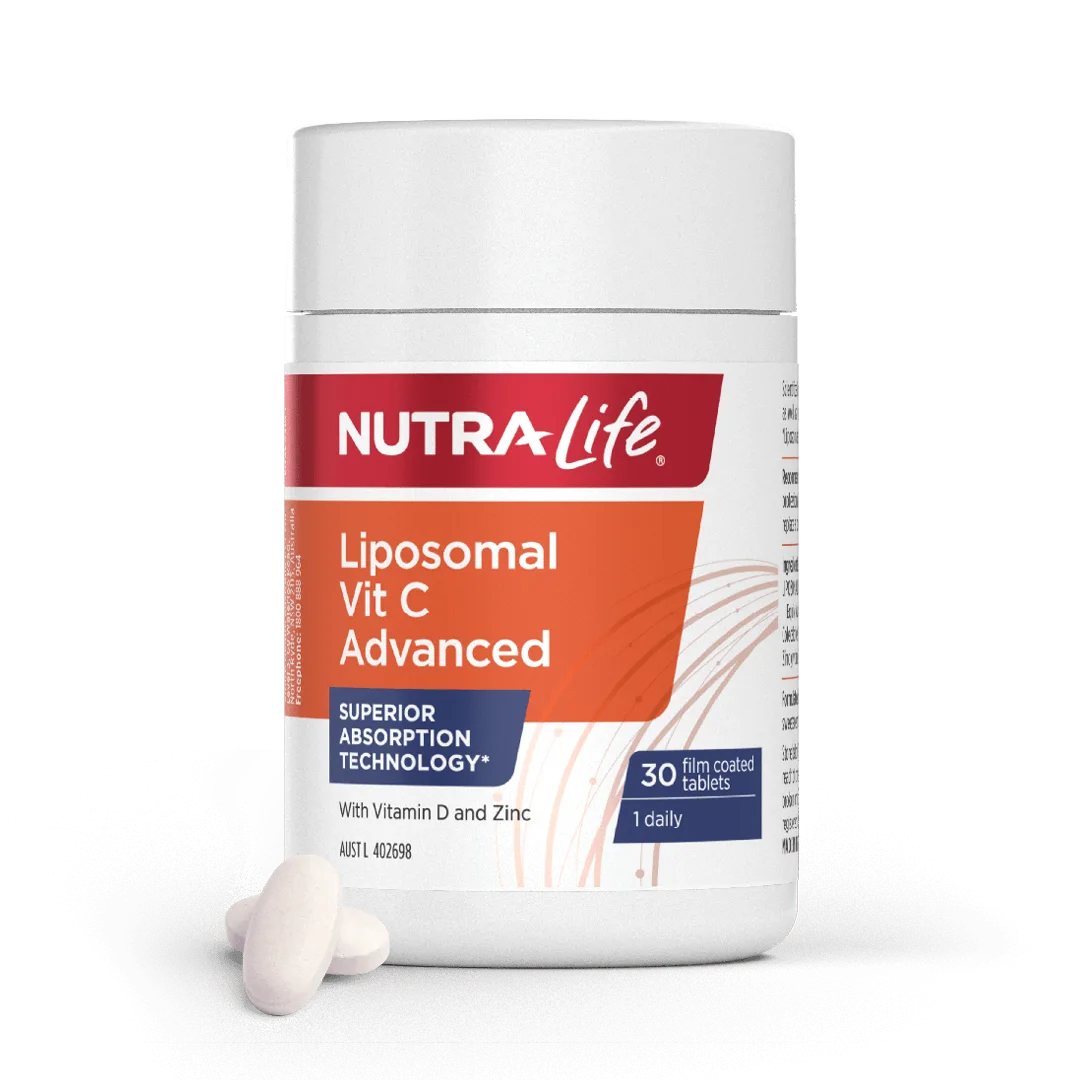
For example, Liposomal Vit C Advanced offers a highly absorbable form, while Rapid-C 500mg Chew provides a convenient 500 mg dose in a tasty chewable tablet. Both are excellent options depending on your preference.
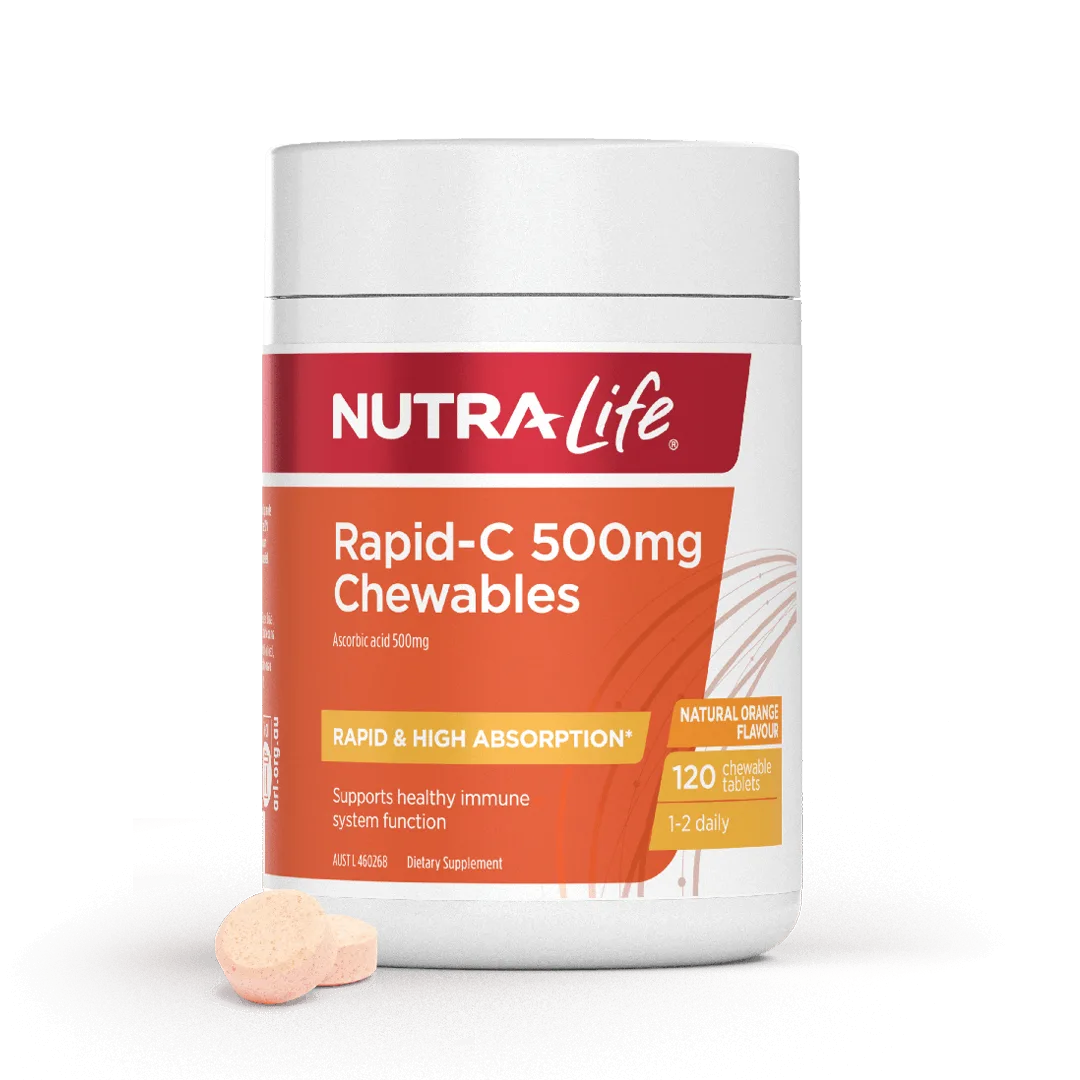
Rapid-C 500mg Chew
- Typical daily doses range from 250 mg to 1000 mg
- Upper limit: 2000 mg per day to avoid side effects
- Adjust dosage based on stress, illness, and individual tolerance
How to Choose the Right Vitamin C Supplement
Selecting the best vitamin C supplement involves evaluating your health goals, dietary preferences, and any sensitivities. If you have a sensitive stomach, consider a buffered form like sodium ascorbate or a liposomal product. If you prefer convenience, chewable tablets or gummies are easy to take on the go. For those seeking maximum absorption, liposomal vitamin C is a top choice.
Also, consider the presence of additional beneficial ingredients. Some supplements combine vitamin C with bioflavonoids, which enhance absorption and antioxidant effects. Others may include other nutrients like zinc for immune support. Check the label for any allergens or artificial additives, and choose a reputable brand that undergoes third-party testing for purity and potency.
At Nutralife, we offer a range of vitamin C supplements to suit different needs. For a high-absorption option, try Liposomal Vit C Advanced. If you prefer a chewable, Rapid-C 500mg Chew is a tasty and effective choice. Both are formulated with quality ingredients to support your health.
- Assess your stomach sensitivity and choose a buffered or liposomal form if needed
- Look for added bioflavonoids or complementary nutrients
- Opt for reputable brands with third-party testing
Pairing Vitamin C with Other Nutrients
Vitamin C works synergistically with other vitamins and minerals to enhance overall health. For instance, vitamin C improves iron absorption, making it beneficial to take alongside iron supplements or iron-rich meals. It also supports the regeneration of vitamin E, another antioxidant, and works with zinc to bolster immune function.
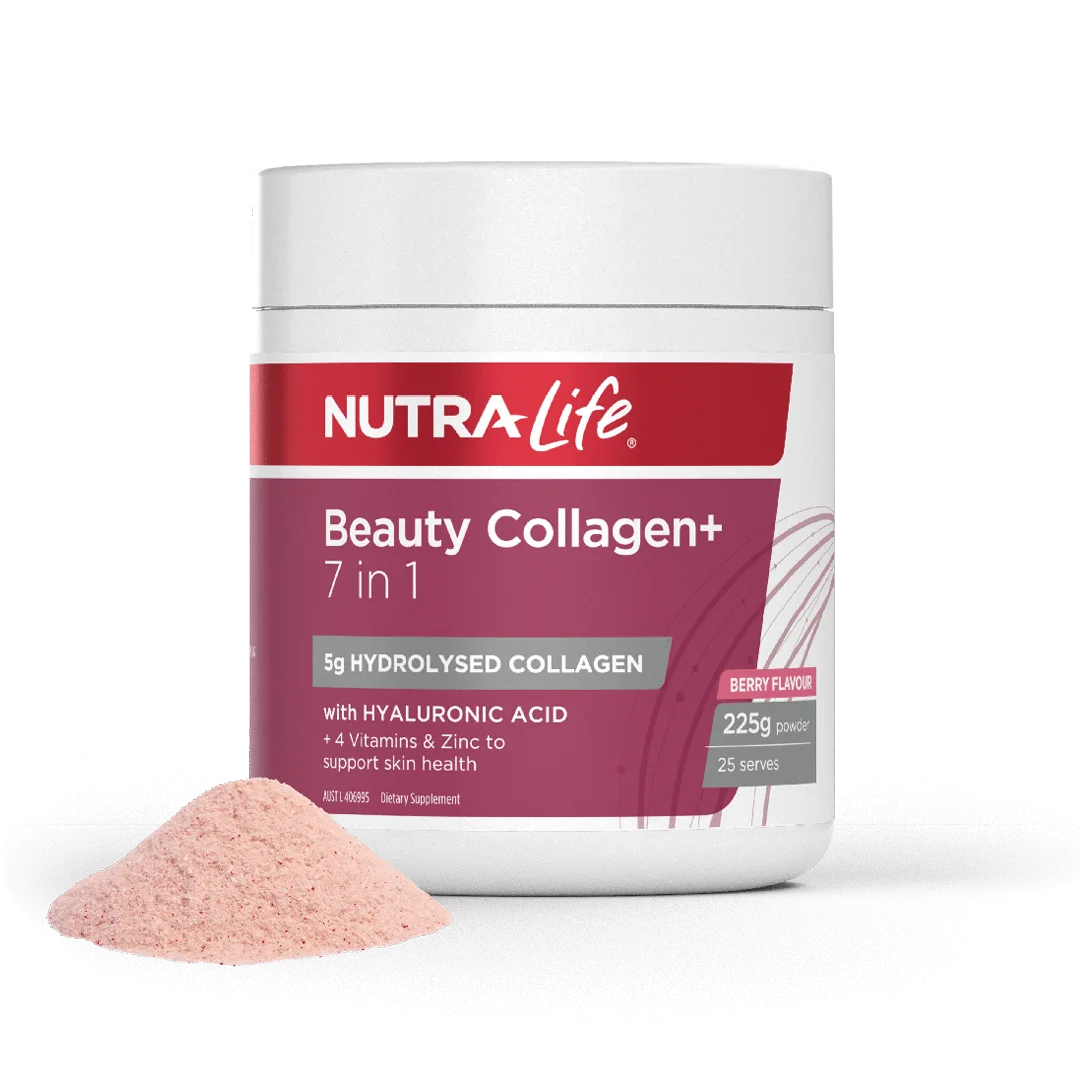
Combining vitamin C with collagen supplements can amplify skin and joint benefits, as vitamin C is a co-factor in collagen synthesis. Products like Beauty Collagen+ 7 in 1 often include vitamin C to maximize effectiveness. Additionally, vitamin C can help mitigate the oxidative stress associated with intense exercise, making it a great addition to a fitness regimen.
When designing your supplement routine, consider how vitamin C fits into your overall health plan. Whether you're focusing on immunity, skin health, or general wellness, integrating vitamin C with other nutrients can provide comprehensive support.
- Enhances iron absorption from plant-based sources
- Works with zinc to support immune health
- Boosts collagen synthesis when paired with collagen supplements
Common Questions About Vitamin C Supplements
Many people wonder whether it's better to get vitamin C from food or supplements. While whole foods provide a variety of nutrients, supplements can help fill gaps, especially for those with limited diets or increased needs. Another common question is whether high doses are safe. For most people, moderate doses up to 1000 mg are well-tolerated, but extremely high doses can cause digestive issues like diarrhea.
Some also ask about the best time to take vitamin C. Since it's water-soluble, it's best taken in divided doses throughout the day to maintain steady blood levels. Taking it with meals can reduce stomach upset. If you're using a time-released formula, you may only need to take it once daily.
Finally, consider the form that fits your lifestyle. Chewable tablets are great for those who dislike swallowing pills, while liposomal forms offer superior absorption. At Nutralife, we have options like Liposomal Vit C Advanced and Rapid-C 500mg Chew to suit your preferences.
- Supplements can fill dietary gaps, but food sources are also important
- Doses up to 1000 mg are generally safe; higher may cause digestive upset
- Take vitamin C in divided doses with meals for best absorption
Choosing the right vitamin C supplement doesn't have to be complicated. By understanding the different forms, dosages, and benefits, you can select a product that aligns with your health goals. Whether you opt for a liposomal formula for maximum absorption or a convenient chewable, incorporating vitamin C into your daily routine is a simple step toward better health. Explore our selection to find the perfect fit for you.