Whether you're heading to the range, on a training exercise, or preparing for a long-term mission, a tactical backpack is an essential piece of gear. Unlike civilian backpacks, tactical packs are designed to withstand harsh conditions, integrate with your existing loadout, and carry heavy loads comfortably. But with so many options on the market, how do you choose the right one? This buying guide breaks down everything you need to know, from key features to sizing and material considerations.
In this guide, we'll walk you through the critical factors to consider when selecting a tactical backpack. We'll also highlight some top-tier accessories and gear from Agilite that can enhance your backpack setup, ensuring you're fully prepared for any situation.
Why a Tactical Backpack?
A tactical backpack is more than just a bag; it's a mobile command center. It allows you to carry essential gear, ammunition, medical supplies, and personal items while keeping your hands free. Whether you're a law enforcement officer, military professional, or outdoor enthusiast, a well-chosen tactical backpack can make a significant difference in your efficiency and comfort.
Unlike standard backpacks, tactical backpacks are built with durability and modularity in mind. They feature reinforced stitching, high-quality zippers, and often include MOLLE/PALS webbing for attaching additional pouches and accessories. This modularity allows you to customize your pack to fit your specific mission requirements.
- Durability: Made from high-denier nylon or Cordura to withstand rough use.
- Modularity: MOLLE webbing for attaching extra pouches and gear.
- Comfort: Padded shoulder straps and back panels for extended wear.
- Organization: Multiple compartments and pockets for efficient packing.
Key Features to Look For
When shopping for a tactical backpack, there are several key features to consider. First, capacity is crucial. Backpacks are measured in liters, and your choice depends on the duration of your mission. Day packs typically range from 20-30 liters, while overnight packs can be 40-60 liters or more. Think about what you need to carry: a hydration bladder, spare magazines, food, and extra clothing.
Another important feature is the closure system. Many tactical backpacks use a roll-top or a flap with buckles, which provide a secure seal against the elements. Look for packs with weather-resistant materials and sealed zippers if you expect to operate in wet conditions. Additionally, consider the attachment points: a good backpack should have both external MOLLE webbing and internal organization pockets.
- Capacity: Choose based on mission length and gear load.
- Closure: Roll-top or buckle flap for secure closure.
- Material: 500D-1000D Cordura for abrasion resistance.
- Hydration compatibility: Internal sleeve and tube port.
- MOLLE webbing: For attaching additional pouches like the PincerTM Pistol Double Pouch.
Sizing and Fit
Proper fit is essential for comfort and weight distribution. A backpack that's too long or too short can cause back pain and reduce mobility. Most tactical backpacks come in one size, but some brands offer adjustable torso lengths. Measure your torso from the C7 vertebra (the bony bump at the base of your neck) to your iliac crest (top of your hip bones) to determine the correct size.
When trying on a backpack, load it with weight to simulate real conditions. Adjust the shoulder straps, sternum strap, and hip belt to ensure the pack sits snugly against your back. The hip belt should bear about 80% of the weight, transferring it to your hips rather than your shoulders. If you plan to wear a plate carrier, like the ReaperTM Rig, ensure the backpack's straps don't interfere with your armor.
- Measure your torso length for accurate sizing.
- Always test with weight to check comfort.
- Look for adjustable sternum straps and hip belts.
- Consider compatibility with your existing plate carrier.
Materials and Durability
The material of your tactical backpack determines its durability and weight. Most high-quality packs use nylon, specifically Cordura, which is known for its abrasion and tear resistance. Denier (D) indicates the thickness of the fabric; 500D is lighter and suitable for everyday use, while 1000D is heavier but more rugged. Choose based on your environment and mission requirements.
Zippers are another critical component. Look for YKK or similar high-strength zippers with pull tabs that are easy to grip, even with gloves. Reinforced stress points, such as where straps attach to the bag, should have double or triple stitching. Some backpacks also feature a waterproof lining or come with a rain cover to protect your gear in adverse conditions.
- Cordura fabric: Choose 500D for lighter, 1000D for maximum durability.
- YKK zippers: Reliable and long-lasting.
- Reinforced stitching: Look for bar tacks at stress points.
- Water resistance: Consider a rain cover or waterproof lining.
Integrating with Your Loadout
A tactical backpack should complement your existing gear, not hinder it. If you wear a plate carrier, ensure the backpack's straps are adjustable and don't create pressure points. Many packs feature a pass-through for a hydration tube, which is essential for staying hydrated without removing your pack.
You can also attach additional pouches to the MOLLE webbing on your backpack. For instance, the PincerTM Placard .308 Triple Mag Pouch can be attached to the front of your pack for quick access to spare magazines. Similarly, the Jump Retention Tabs can help secure loose items or stabilize your load. These accessories enhance the functionality of your backpack and ensure you have everything you need within reach.
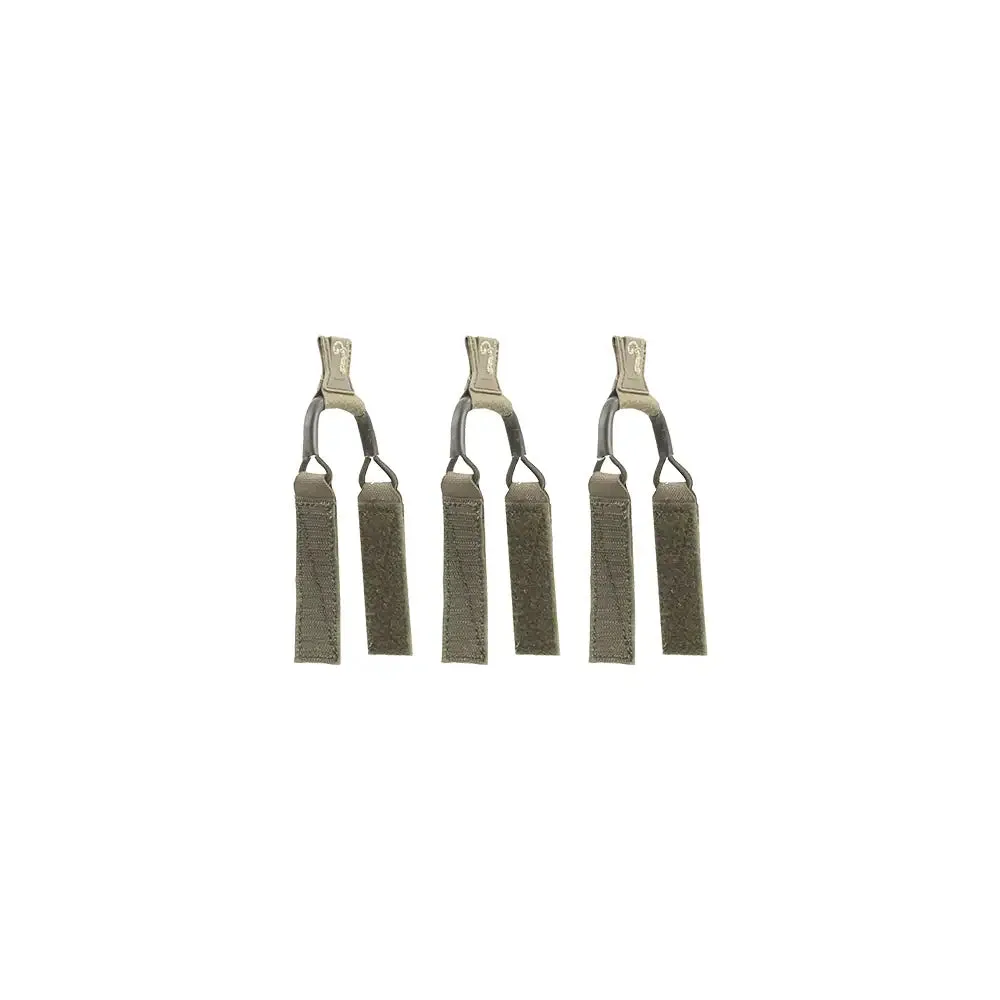
Jump Retention Tabs
- Check strap compatibility with your plate carrier.
- Use MOLLE pouches to expand storage.
- Hydration tube port for hands-free drinking.
- Attach medical pouches for emergency access.
Top Tactical Backpack Accessories from Agilite
While the backpack itself is crucial, the right accessories can make it even more effective. Agilite offers a range of gear that pairs perfectly with tactical backpacks. For instance, the Quick-Release Buckle is an excellent addition for attaching or detaching your pack quickly in emergencies. It provides a secure yet easy-to-release connection point.
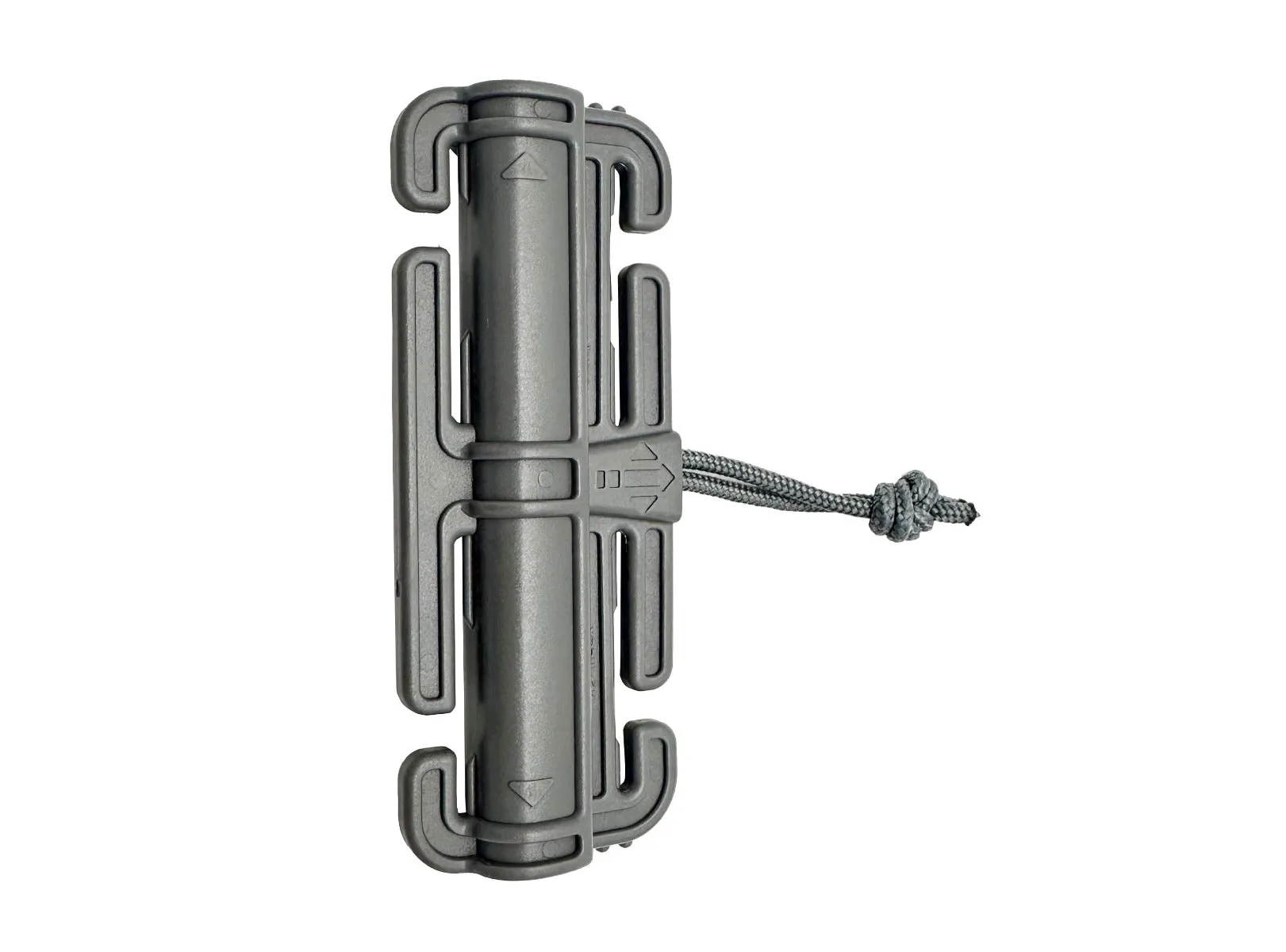
Quick-Release Buckle
Another must-have is the EmergenceTM Fanny Pack, which can be worn as a supplement to your backpack for quick access to essential items like a tourniquet or multi-tool. Additionally, the BuddyStrapTM Injured Personnel Carrier is a lifesaving accessory that can be attached to your backpack to help carry an injured teammate. These products are designed to integrate seamlessly with your loadout, enhancing your overall preparedness.
- Quick-Release Buckle: For rapid pack detachment.
- EmergenceTM Fanny Pack: Extra storage for immediate-access items.
- BuddyStrapTM: For emergency casualty evacuation.
- PincerTM Pistol Double Pouch: Attach to your pack for secondary weapon storage.
Common Mistakes to Avoid
One common mistake is buying a backpack that's too large. A huge pack encourages overpacking, leading to unnecessary weight and fatigue. Instead, choose a size that fits your typical load and forces you to pack efficiently. Another mistake is ignoring the importance of a good hip belt. Without it, the weight rests on your shoulders, causing discomfort and strain.
Also, don't overlook the quality of the shoulder straps. They should be padded and contoured to distribute weight evenly. Finally, consider the color and camouflage pattern. While black or coyote brown are versatile, a pattern that matches your environment can provide better concealment. Avoid buying a backpack without checking its compatibility with your existing gear.
- Avoid overpacking: Choose the right size.
- Don't skip the hip belt: Essential for weight distribution.
- Check strap padding: Comfort is key.
- Consider color/pattern: Match your environment.
- Test compatibility with your plate carrier and pouches.
Choosing the right tactical backpack is a personal decision that depends on your specific needs, mission, and budget. By focusing on key features like capacity, material, fit, and integration, you can find a pack that will serve you well for years. Don't forget to enhance your setup with quality accessories from Agilite, such as the ReaperTM Rig or the PincerTM Placard .308 Triple Mag Pouch, to create a complete and efficient loadout. Start your search today and equip yourself for any challenge.