Quick answer
Choose Under Control if you want a deceptive card control or switch that happens in plain sight and leads into a two-card transposition. Choose O.C.L. if you want a visual, signed-ring souvenir that plays as a stand-alone miracle. They teach different skills: Under Control sharpens your card handling, while O.C.L. gives you a self-contained close-up piece. If you can only pick one, match it to the moment you perform most.
switch
What each download actually teaches
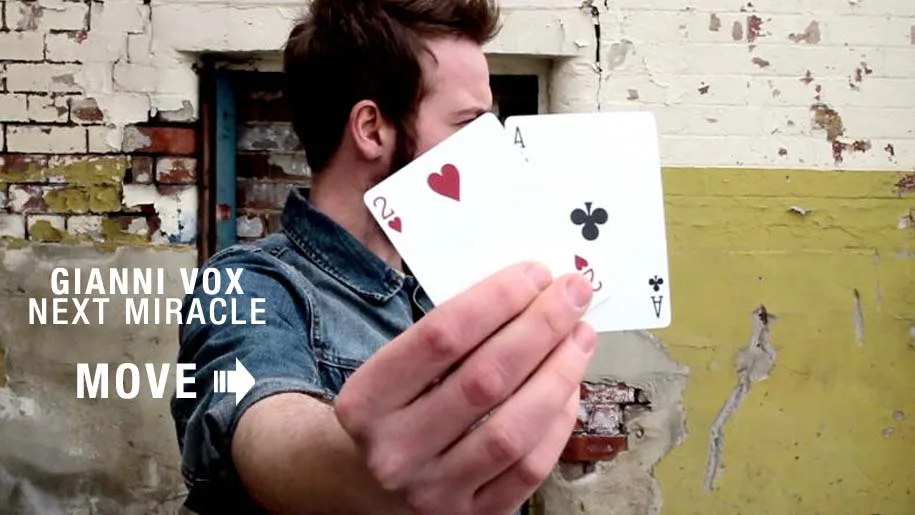
Under Control is built around a control and a switch that happen in the open, right under the spectator's eyes, yet fly past undetected. The effect is a two-card transposition with a thought-of card. The skill you build is timing and misdirection during a card handling sequence.
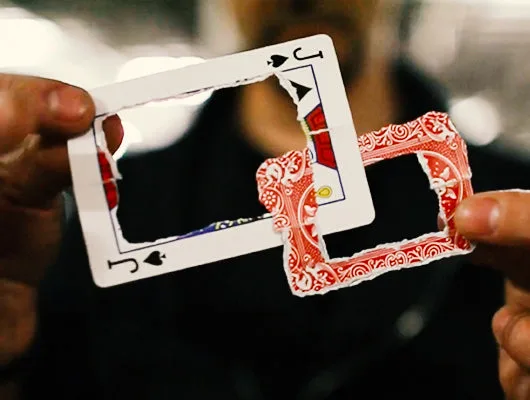
O.C.L. is a visual link of two torn card rings that have been signed. There are no magnets, no tape, and no illusions. You are learning a self-contained close-up effect that produces a signed souvenir the spectator keeps.
Skill and practice: what you are really buying
With Under Control, the move happens in the open, so your angles and timing carry the deception. Expect to drill the control until it feels casual, then rehearse the transposition so the reveal lands. This is a card-handling download that rewards consistent practice.
move
O.C.L. is more about construction and choreography than knuckle-busting sleights. The supplied description notes no magnets or tape, so the method relies on handling and presentation. You still need clean tearing and a smooth link, but the practice loop is shorter and more about staging the moment.
Performance context: when each one wins
Under Control fits a card set where you are already controlling cards and want a moment that looks impossible because it happens in the open. It pairs naturally with a thought-of-card reveal and a two-card transposition.
O.C.L. fits a close-up set where you want a physical, signed takeaway. Because the rings are signed and linked, the effect ends with an object in the spectator's hand, which makes it a strong closer or a memorable middle piece.
Price and value
Under Control is listed at USD 10.69 (catalog comparison price USD 14.45). O.C.L. is listed at USD 8.22 (catalog comparison price USD 12.45). Both are downloads, so there is no shipping and no physical prop to replace. The value question is which effect you will actually perform.
If you already perform card controls, Under Control adds a deceptive layer to what you own. If you want a stand-alone piece that does not depend on a card routine, O.C.L. gives you a complete effect for less.
Trade-offs at a glance
- Under Control: open deception vs. angle management: The control happens in the open, which makes it deceptive, but you must manage angles and timing so it stays invisible. Choose it if you already handle cards and want a move that fools while it is happening.
- O.C.L.: signed souvenir vs. prop setup: You get a signed, linked ring souvenir with no magnets or tape, but you need to tear and link cleanly in performance. Choose it if you want a physical takeaway and a shorter practice loop.
- Price gap vs. performance fit: Under Control costs USD 10.69 and O.C.L. costs USD 8.22, but the better value is the one you will actually perform. Pick the effect that matches the set you already do, not the lower price.
Product facts
- Under Control: Under Control is a two-card transposition with a thought-of card that features a deceptive control or switch performed in the open. If you want a card effect that looks impossible because the move happens in plain sight, this is the download built for that moment.
- O.C.L.: O.C.L. uses two signed rings torn from one playing card that visually link with no magnets, no tape, and no illusions. This gives you a self-contained, signed souvenir effect that does not rely on a card routine or hidden gimmicks.
Which download is right for you?
Best for
- Card workers who want a deceptive control or switch that happens in the open.
- Magicians building a two-card transposition with a thought-of card.
- Performers who want a card effect that rewards timing and misdirection.
Not for
- Beginners who have not yet learned basic card controls.
- Performers who want a stand-alone, non-card effect with a signed takeaway.
- Magicians who prefer a shorter practice loop over deep card handling.